Singapore
 Australia
 Indonesia
 Japan
Japan Malaysia
 New Zealand
 Philippines
 South Korea
 Taiwan
 Thailand
 VIETNAM
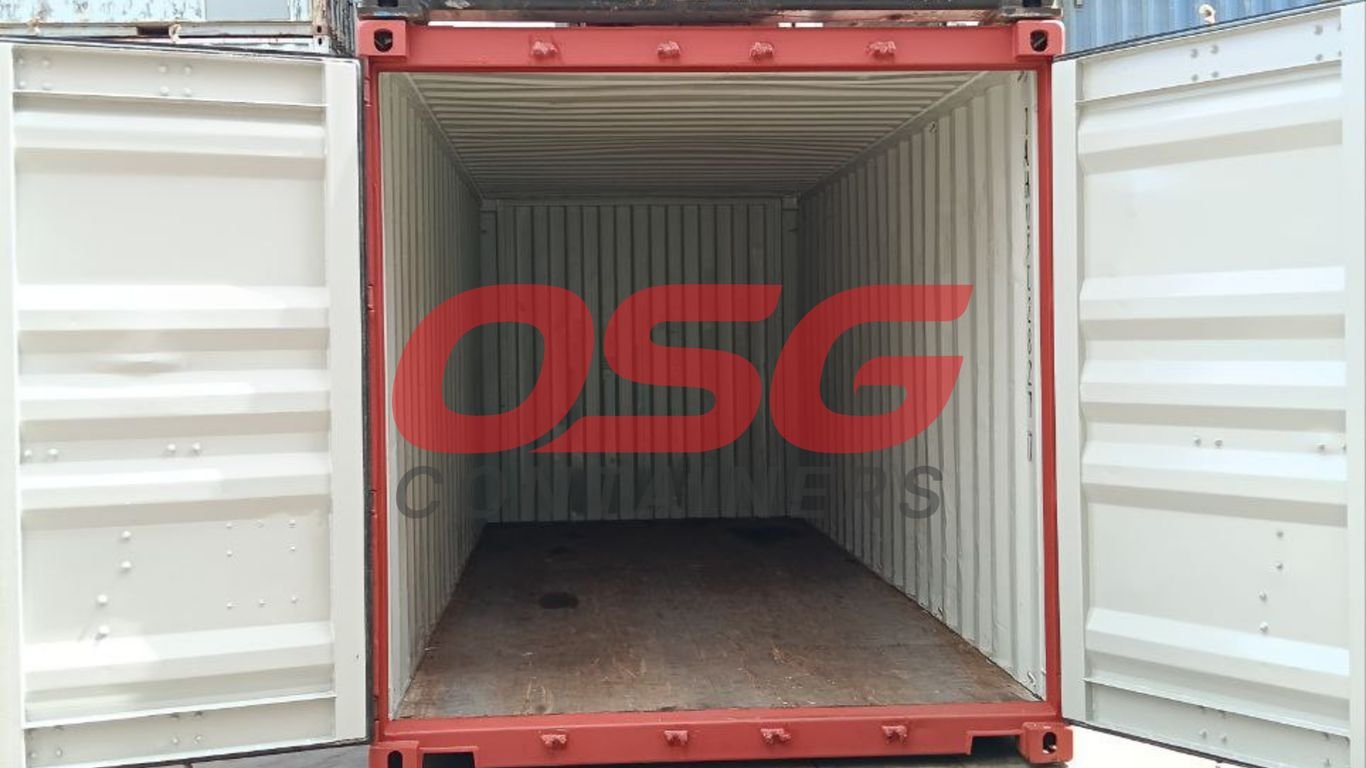
So, you’ve got a big project on your hands, huh? Maybe you’re building something, need a ton of storage, or just have a lot of stuff to move. When things get large-scale, one option keeps popping up: the 40 foot container. They’re not just for shipping anymore. People are using them for all sorts of things, from homes to workshops. Let’s break down why these big metal boxes are becoming such a popular choice for projects that need extra space and flexibility.
Key Takeaways
- A standard 40 ft container open top offers significant space, around 2,350 cubic feet, for moving or storing large items.
- These containers are really adaptable, working well for on-site storage, transport of big equipment, or even as temporary workspaces.
- Choosing a 40 ft container open top can be a smart move for budget reasons, especially for large projects needing lots of room.
- You can change up a 40 ft container open top with things like doors or windows, and they have strong floors built for heavy loads.
- Safety is key when using a 40 ft container open top; think about how you load it and stick to shipping rules.
Streamlining Construction Logistics With 40 Ft Open Top Containers
Construction projects are complex beasts, and getting all the materials and equipment where they need to be, when they need to be there, is a huge part of making things run smoothly. That’s where the 40 ft open top container really shines. Think about it: construction sites often deal with stuff that just doesn’t fit neatly into a standard box. We’re talking about long steel beams, big pipes, or awkwardly shaped machinery parts. A regular container just won’t cut it.
Handling Oversized Construction Materials
This is probably the biggest win for using a 40 ft container open top. Because the roof is open, you can load materials that are taller than a standard container. Cranes can just lower them straight in from above. This is a game-changer for things like pre-fabricated building sections, large structural elements, or even stacks of lumber that are too high to slide through side doors. It makes moving these bulky items way less of a headache. You don’t have to worry as much about fitting things through a narrow opening or trying to angle them just right. It’s a much more direct approach.
Efficient Loading and Unloading Processes
Loading and unloading are often bottlenecks on a busy construction site. With an open top container, especially the 40 ft variety, you can speed things up considerably. Cranes and other lifting equipment can access the cargo from the top, which is often the most efficient way to handle heavy or bulky items. This overhead access means less time spent maneuvering, less risk of damaging the cargo or the container, and a quicker turnaround. It’s not just about getting things in; it’s about getting them out efficiently too when the project is done or when materials are needed elsewhere. This is true whether you’re in a busy hub like open top container singapore or a remote site.
Securing Bulky Project Components
Once your oversized materials are inside the 40 ft open top container, securing them is key. While the top is open for loading, it gets covered with a durable tarpaulin once the cargo is in place. This cover, along with the container’s strong steel walls and reinforced floor, keeps everything protected from the elements and prevents shifting during transit. You can use straps and bracing to make sure those long beams or heavy machines stay put. It’s about making sure that what you loaded is exactly how it arrives, no surprises. This is a big deal when you’re dealing with expensive components or critical parts for the project.
The flexibility offered by an open top container, particularly the 40 ft size, directly addresses some of the most common logistical challenges faced on construction sites. It simplifies the movement of materials that would otherwise require special permits or multiple handling steps.
Here’s a quick look at why this matters:
- Reduced Handling Time: Overhead loading cuts down on the time spent getting materials into the container.
- Versatile Cargo: Accommodates items too tall or awkwardly shaped for standard containers.
- Weather Protection: A secure tarpaulin cover shields contents from rain and sun once loaded.
- Cost Savings: By simplifying logistics, it can reduce overall project transportation expenses compared to alternative methods.
Maximizing Space And Accessibility For Project Needs
When you’re dealing with a construction project, space is always a big consideration. You’ve got materials, tools, equipment, and sometimes even temporary offices to think about. That’s where the 40-foot open-top container really shines. It’s not just about fitting more stuff in; it’s about making that stuff easier to get to and use.
Unlocking Vertical Loading Capabilities
One of the coolest things about an open-top container, especially the ‘high cube’ versions, is how much vertical space you get. Standard containers have a roof, which limits how high you can stack things or how tall the items themselves can be. With an open top, you can load materials right up to the very top edge. This is a game-changer for tall items or when you need to stack things quite high. It means you can potentially fit more into a single container than you might think, saving you from needing extra units.
- Stacking pallets higher: If you’re dealing with boxed goods or materials on pallets, you can often stack them an extra foot or so higher than in a standard container. This adds up quickly!
- Loading tall equipment: Cranes, large pipes, or specialized machinery that might not fit under a standard container roof can be easily loaded from above.
- Improved airflow: More vertical space can also mean better air circulation inside, which is helpful for certain types of materials.
Accommodating Irregularly Shaped Cargo
Construction sites are full of items that aren’t perfectly square or rectangular. Think about rebar, lumber bundles, large pipes, or even pre-fabricated sections. Trying to load these into a container with fixed doors can be a real headache. The open top design removes that barrier. You can lower or place these awkward items directly into the container from above, making the loading process much smoother and less likely to damage the cargo or the container itself.
Loading bulky or oddly shaped items can be a real challenge. The open top design makes it possible to position these items precisely where they need to go, rather than trying to force them through a standard doorway. This saves time and reduces the risk of damage.
Adapting To Diverse Project Demands
What makes these containers so useful is their flexibility. They aren’t just for shipping; they can be set up as on-site storage, temporary workshops, or even basic site offices. You can add shelving, workbenches, or partitions inside to customize the space for whatever your project needs at that moment. Need a secure place to store tools and small equipment? Done. Need a sheltered area to do some minor assembly work? Easy. The open-top nature means you can also easily modify them later, perhaps adding a custom roof or even integrating them into a larger temporary structure.
| Modification Type | Description |
|---|---|
| Shelving | For organizing tools and smaller materials. |
| Workbenches | For on-site assembly or repair tasks. |
| Lighting | To improve visibility for working inside. |
| Insulation | For temperature control in extreme climates. |
The Structural Advantages Of Open Top Designs
Reinforced Flooring For Heavy Loads
These containers aren’t just your average box. Because they’re designed to have things loaded from the top, often with heavy machinery or large building materials, the floor has to be seriously tough. We’re talking about reinforced hardwood or plywood that can take a beating. This extra strength in the flooring is key to handling the weight and stress that comes with bulky construction items. It means you don’t have to worry as much about the floor buckling or getting damaged, which is a big deal when you’re moving tons of steel beams or concrete.
Durable Steel Construction
Just like their standard counterparts, 40 ft open-top containers are built from strong, corrugated steel. This material is chosen for a reason – it’s tough and can withstand the rigors of construction sites and long-distance transport. The steel walls provide a solid structure, protecting your cargo from external impacts and the elements. Even though the roof is open, the sides and ends are built to last, offering a robust shell for your project materials.
Weatherproof Protection With Tarpaulin Covers
So, if the roof is open, how do you keep the rain and dust out? That’s where the tarpaulin comes in. These are heavy-duty, waterproof covers, usually made of PVC, that get stretched over the top and secured tightly. They’re designed to keep your materials dry and protected from the weather during transit. While they might not offer the same level of security as a solid roof, they do a pretty good job of keeping the elements at bay. Plus, they’re removable, which is exactly what makes these containers so useful in the first place.
The design of an open-top container is all about flexibility and strength where it counts. The reinforced floor handles the weight, the steel body protects the sides, and the tarp offers a practical way to cover things up when needed. It’s a smart combination for handling big, awkward stuff.
Versatile Applications Beyond Standard Shipping
Transporting Industrial Equipment
When you’ve got big, heavy machinery or parts that just don’t fit into a regular box, a 40-foot open-top container really shines. Think about moving large industrial components, like generators, specialized manufacturing equipment, or even parts of a factory line. Because the top is open, you can use cranes to lift these items directly in, which is way easier and safer than trying to wrestle them through a standard container door. This makes getting bulky, awkward equipment from point A to point B much more straightforward.
Moving Raw Materials And Debris
Construction sites and industrial operations often deal with a lot of loose materials or waste. Open-top containers are perfect for hauling things like scrap metal, large quantities of gravel, sand, or even timber. They also work great for collecting and transporting construction debris. You can just load it all up from the top, and once it’s full, it’s ready to go. This simplifies the cleanup process significantly, especially on busy sites where time is money.
Facilitating Mining And Energy Operations
In the mining and energy sectors, you’re often dealing with massive raw materials or specialized equipment. Open-top containers are frequently used to transport things like large ore samples, heavy drilling components, or even sections of pipeline. Their robust steel construction means they can handle the rough conditions often found in these industries, and the open top allows for easy loading of materials that might be too large or irregularly shaped for other types of containers. It’s a practical solution for moving the heavy-duty stuff that keeps these operations running.
The ability to load cargo from above is a game-changer for items that exceed standard height limits or have unusual shapes. This flexibility means fewer logistical headaches and a more efficient workflow.
Here’s a quick look at what makes them so useful:
- Oversized Cargo: Ideal for items too tall or wide for standard containers.
- Crane Loading: Simplifies the process of lifting heavy or bulky items.
- Material Handling: Great for bulk materials like ore, scrap, or timber.
- Debris Removal: Efficiently collects and transports waste from job sites.
Ensuring Safety And Efficiency In Cargo Management
Alright, so you’ve got your 40-foot open-top container ready to go. Now comes the part where you actually load it up and make sure everything stays put and arrives in one piece. It’s not just about tossing stuff in; there’s a bit of a system to it if you want to avoid headaches.
Understanding Material Handling Requirements
Before you even think about putting anything in the container, you need to know what you’re dealing with. Different materials have different needs. Are you hauling heavy machinery? Delicate equipment? Loose gravel? Each requires a specific approach. For instance, heavy items need to be placed low and spread out to keep the container balanced. Fragile goods need extra padding and might need to be secured so they don’t bounce around. It’s like packing for a move – you wouldn’t just throw everything in a box, right? You’d wrap the dishes and put the books on the bottom.
Proper Loading Techniques For Stability
This is where the real magic happens, or where things can go wrong if you’re not careful. The goal is to distribute weight evenly and secure everything so it doesn’t shift during transit. Think about it: a container bouncing down the road with loose cargo is a recipe for disaster. Heavy items go on the floor, spread out across the width and length. Then, you can stack lighter things on top, but make sure they’re also secured. Using straps, bracing, or even just filling empty spaces with packing material can make a huge difference. You don’t want anything sliding forward, backward, or sideways.
Here’s a quick rundown of how to load smart:
- Heavy Stuff First: Place the heaviest items at the bottom and center of the container. This creates a stable base.
- Distribute Weight: Don’t pile all the heavy items on one end. Spread them out evenly across the floor.
- Fill the Gaps: Use dunnage (like wood, airbags, or even old blankets) to fill any empty spaces. This stops items from moving.
- Secure Everything: Use straps or ropes to tie down items, especially taller ones, to prevent them from tipping over.
When loading, always keep the container’s weight limits in mind. You’ll find this information on the container’s CSC plate. Overloading isn’t just dangerous; it can lead to hefty fines and serious accidents. Plan your load carefully to stay within these limits.
Compliance With Shipping Regulations
Look, nobody likes paperwork, but when you’re moving stuff, especially across borders, you’ve got to play by the rules. Open-top containers are still subject to the same transport regulations as any other shipping container. This means checking weight restrictions, making sure your cargo is properly secured, and having the right documentation. It’s worth spending a little time to figure out what’s required for your specific route and cargo. Getting this wrong can cause delays, cost you money, or even lead to your shipment being confiscated. So, do your homework on things like customs requirements and any specific rules for the materials you’re shipping.
Cost-Effectiveness Of 40 Ft Container Solutions
Economical Per Cubic Foot Storage
When you’re looking at the numbers for a big project, the cost per cubic foot is where the 40-foot open-top container really shines. While a single unit might cost more upfront than a smaller container, you’re getting a whole lot more space for your money. Think of it like buying in bulk – the more you buy, the less you pay per unit. This makes them a smart choice for moving or storing large quantities of materials without breaking the bank.
Reducing Logistics Costs For Large Projects
Using fewer, larger containers can significantly cut down on overall logistics expenses. Instead of coordinating multiple smaller shipments, you can consolidate your cargo into one or two 40-foot containers. This means fewer trucks, less fuel, reduced handling fees, and simpler paperwork. For construction sites, this translates directly into smoother operations and more predictable timelines, saving both time and money.
Long-Term Durability And Reusability
These containers are built tough. Made from strong steel, they can withstand harsh weather and the rigors of transport, project after project. This durability means they have a long lifespan, and you can reuse them for many different jobs over the years. Plus, when a project is done, they can often be resold or repurposed, adding to their overall value and making them a sustainable choice.
- Lower transportation costs due to fewer individual shipments.
- Reduced labor costs for loading and unloading.
- Minimized administrative overhead with less paperwork.
- Potential for resale or repurposing after project completion.
The upfront investment in a 40-foot open-top container pays off quickly through savings in transportation, handling, and the sheer volume of material it can accommodate in a single trip. Their robust construction also means they can be used repeatedly, further spreading the cost over time and making them a sound financial decision for any large-scale operation.
Wrapping It Up
So, when you’re looking at your next big project, whether it’s for storing a ton of stuff, building something new, or just needing a solid, reliable space, that 40-foot container really does seem like the way to go. It’s big, it’s tough, and you can even tweak it to be exactly what you need. Plus, they’re pretty easy to find and use. Honestly, for a lot of jobs, it just makes sense to go with the 40-footer. It’s a simple choice that gives you a lot of room to work with.
Frequently Asked Questions
What makes a 40-foot open-top container different from a regular one?
A regular container has a solid roof. An open-top container, however, has a roof made of a strong tarp that can be removed. This makes it super easy to load really tall or oddly shaped things from the top, often using a crane.
What kind of big stuff can I put in a 40-foot open-top container?
You can fit all sorts of large items! Think about things like big pipes, steel beams for buildings, heavy machines, logs, or even piles of scrap metal. If it’s too tall or bulky for a normal container door, an open-top is usually the answer.
How do you keep the stuff inside protected from the weather?
Once everything is loaded into the open-top container, a tough, waterproof tarp is pulled over the top and secured tightly. This keeps rain, snow, and sun off your cargo, just like a regular container’s roof would.
Are these containers strong enough for really heavy construction materials?
Yes, they are! The floors of these containers are built extra strong, like reinforced, to handle heavy loads. The whole container is made of tough steel, so it’s designed to carry heavy and bulky items safely.
Is loading and unloading easier with an open-top container?
It can be much easier, especially for large items. Since you can load from the top, you can use cranes or other lifting machines to carefully place heavy or tall objects directly into the container. This can be faster and safer than trying to force things through a side door.
Can I use these containers for things other than construction materials?
Absolutely! Open-top containers are great for moving industrial equipment, raw materials for mining, large pieces of machinery, or even bulky waste and scrap. Any job that involves large, hard-to-fit items can benefit from using an open-top container.