Singapore
 Australia
 Indonesia
 Japan
Japan Malaysia
 New Zealand
 Philippines
 South Korea
 Taiwan
 Thailand
 VIETNAM
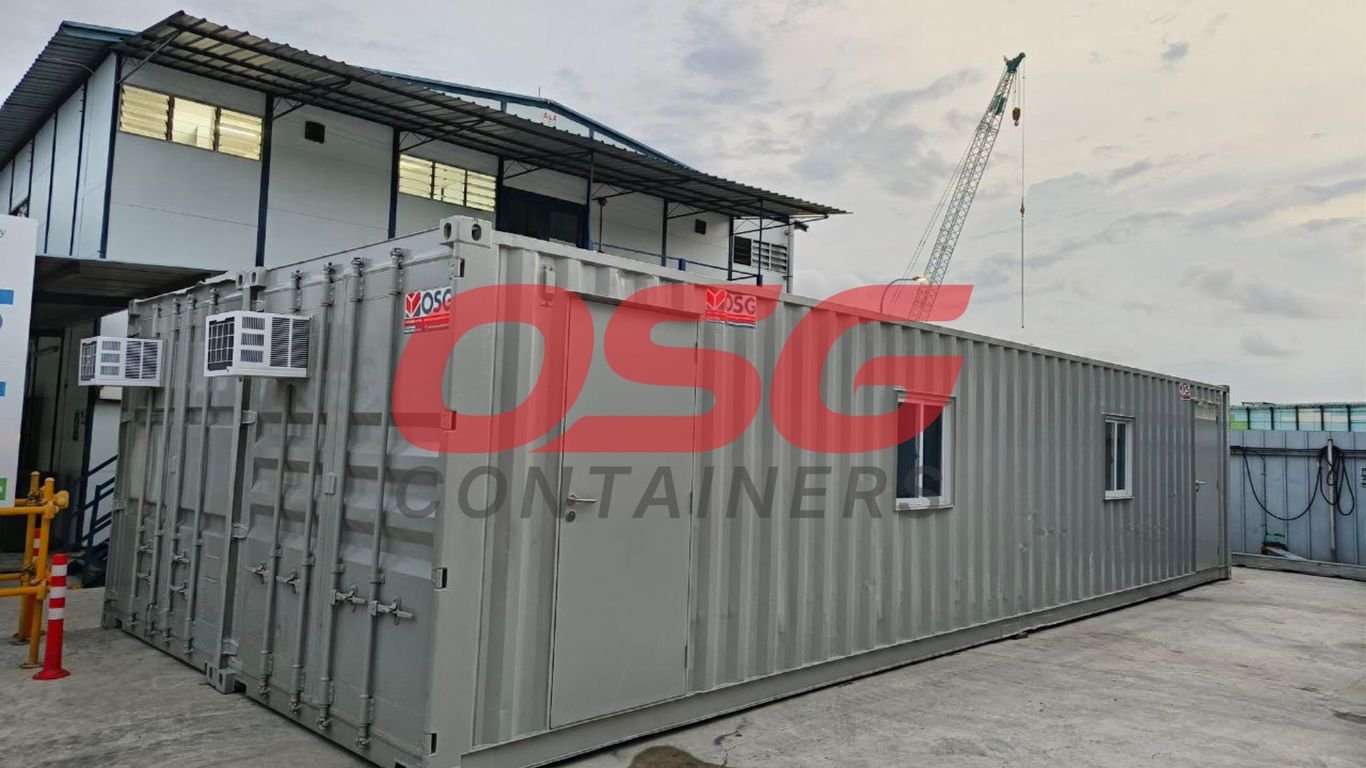
Thinking about a new office space but dreading the usual construction headaches? Traditional building can take forever and cost a fortune. But what if there was a faster, more adaptable way to get your business set up? Enter the container office. These aren’t just metal boxes; they’re smartly designed workspaces built from shipping containers, offering a modern solution that’s surprisingly quick to deploy and easy to change as your needs grow. Let’s look at why this approach is becoming so popular for a container office in Singapore.
Key Takeaways
- Container offices speed up project timelines significantly because much of the building happens off-site while site prep is underway.
- You can customize almost everything about a container office, from the inside layout and finishes to where windows and doors go.
- These spaces come with all the necessities like heating, cooling, lights, and electrical hookups, and can even include plumbing for restrooms.
- There are no standard floor plans; each container office is built to your exact needs, and you can even combine units or stack them for more space.
- While the initial cost might seem comparable to traditional building, the speed, flexibility, and durability of a container office offer great value.
Understanding The Investment In A Container Office Singapore
Thinking about setting up a container office in Singapore? It’s a smart move, offering a quicker and often more flexible alternative to traditional construction. But like any investment, it’s important to know what you’re getting into, cost-wise. The price tag isn’t just about the container itself; several factors play a big role in the final figure.
Factors Influencing Project Cost
The biggest driver of cost is usually how much you want to customize. Think of it like buying a car – the base model is one price, but add leather seats, a sunroof, and a fancy sound system, and the price jumps. The same applies here. The more you tweak the interior, add special features, or change the exterior, the more it’s going to cost. Here’s a quick breakdown of what affects the price:
- Level of Customization: This includes interior layouts, window/door placement, and specialized finishes.
- New vs. Used Container: New containers (often called ‘one-trip’) are more expensive but offer better longevity and fewer potential issues.
- Size and Quantity: Larger containers or multiple units will naturally cost more.
- Insulation and Climate Control: Singapore’s climate demands good insulation and effective air conditioning, which adds to the cost.
- Electrical and Plumbing: The complexity of your electrical needs and any plumbing requirements (like restrooms or kitchenettes) will impact the budget.
Remember, the container is just the shell. The real cost comes from transforming that shell into a functional, comfortable, and code-compliant workspace with all the necessary interior finishes, systems, and amenities. Planning for these elements is key to an accurate budget.
New Versus Used Container Considerations
When you’re looking at the container itself, you’ve got a choice: new or used. New containers, often called "one-trip" containers because they’ve only made one journey, are in top shape. They’ll last longer and have fewer potential issues. But, they cost more upfront. Used containers are cheaper, but you need to be careful. They might have dents, rust, or other wear and tear that could cause problems down the line. For a professional office space, starting with a new container is generally recommended to avoid headaches later on and ensure a cleaner, more durable foundation for your workspace.
Budgeting For Site Preparation and Delivery
Don’t forget about getting the office to your site and getting the site ready. Delivery costs can vary a lot depending on how far away you are from the fabrication facility and the accessibility of your location in Singapore. If your site needs a concrete pad, utility hookups, or any other prep work, that’s an additional cost that usually isn’t included in the container build price. You’ll also need to factor in any permits required by your local municipality. These site-specific costs can add up, so it’s smart to get a handle on them early.
Customization For Your Unique Container Office Singapore
Tailored Interior Layouts
Forget about those rigid, one-size-fits-all office plans you see everywhere. When you opt for a container office, you’re getting a blank slate. This means you get to decide exactly how the space will work for your team and your business. It’s not about fitting your workflow into a pre-made box; it’s about making the box fit your workflow. We can configure the interior walls, doorways, and even the placement of windows to match how your team actually moves and what kind of environment helps them do their best work. Do you need a big open area for collaboration, or more private offices for focused tasks? We can make it happen. You’re not stuck with a cookie-cutter layout. Think of it like building from scratch, but way faster.
Flexible Wall and Flooring Options
When it comes to making your container office feel like your space, the interior finishes play a big role. You can choose from various wall coverings, like simple drywall or more decorative wood paneling, to match your company’s vibe. And for the floors? We’ve got options too, from tough commercial vinyl that can handle a lot of foot traffic, to laminate that looks good, or even polished concrete for a modern feel. The goal is to create a look and feel that’s both practical for daily use and reflects your brand.
Incorporating Essential Amenities
Your container office on rent doesn’t have to be basic. We can equip it with everything you need to be productive. This includes making sure you have comfortable temperatures year-round with proper insulation and air conditioning or heating systems. We also handle all the electrical needs, from lighting fixtures to plenty of outlets for your computers and equipment. If you need it, we can even add plumbing for restrooms or a small kitchenette area, making your container office a fully functional workspace.
Container offices are incredibly adaptable. They aren’t confined to a single purpose and can be configured to meet a wide array of operational demands, from temporary field offices to integrated workspace and storage solutions. This flexibility makes them a smart choice for businesses looking for practical, efficient, and scalable space.
Here’s a quick look at common container sizes and their approximate interior floor space:
| Container Size | Approx. Interior Floor Space (sq ft) |
|---|---|
| 20-foot | 150 |
| 40-foot | 300 |
| 40-foot High Cube | 320 |
Navigating Container Office Costs and Pricing
So, you’re thinking about a container office. That’s a smart move, but let’s get real about what goes into the price tag. It’s more than just the metal box itself. A bunch of things can really change the final cost, and it’s good to know them upfront.
Factors Influencing Rental Rates
The price you’ll pay each month really depends on a few key things. First off, the size matters a lot. A 20-foot container is going to cost less than a 40-foot one, naturally. Then there’s the condition – a brand new, never-used unit will be pricier than a used one that’s had a previous life. Customizations also add to the bill. Need extra windows, specific electrical outlets, or a special paint job? That all costs extra. Delivery and pickup fees can sometimes be a significant chunk of the initial cost, especially if your site is hard to access.
Here’s a general idea of what you might see, though remember these are just ballpark figures and can change based on your location and the supplier:
| Container Size | Condition | Typical Monthly Rental Range |
|---|---|---|
| 20ft | Used | $150 – $250 |
| 20ft | New/Refurb | $200 – $350 |
| 40ft | Used | $200 – $350 |
| 40ft | New/Refurb | $250 – $400 |
Understanding Value Tiers and Customization Costs
Not all container offices are created equal. Suppliers often have different ‘tiers’ of units. A basic, budget-friendly option might just be a shell with a door and maybe a window, suitable for very temporary needs in mild weather. On the other end, you have premium units that come fully insulated, with HVAC systems already installed, better lighting, and even built-in desks or shelving. Customization is where you can really tailor the space, but it adds up. Think about:
- Insulation: Adding spray foam or rigid board insulation for better temperature control.
- HVAC: Installing air conditioning and heating units.
- Electrical: More outlets, specific wiring for IT equipment, or generator hookups.
- Interior Finishes: Upgraded flooring, wall panels, or partitions to create separate rooms.
- Windows & Doors: Adding extra windows for light or specialized doors.
It’s always a good idea to get a detailed quote that breaks down these customization costs so you know exactly what you’re paying for.
Remember, the container is just the shell. The real cost comes from transforming that shell into a functional, comfortable, and code-compliant workspace with all the necessary interior finishes, systems, and amenities. Planning for these elements is key to an accurate budget.
Comparing Total Cost of Ownership
When you’re looking at rental prices, it’s easy to just focus on that monthly number. But you need to think about the total cost over the entire time you’ll need the container. This includes:
- Rental Fees: The base monthly cost.
- Delivery & Pickup: The one-time charges for transport.
- Setup Costs: Any fees for site preparation or installation assistance.
- Customization Add-ons: The cost of any modifications you request.
- Insurance: You might need to insure the unit while it’s on your site.
- Utilities: Costs for electricity, water (if applicable), and waste disposal.
Key Considerations For Your Container Office Singapore
When you’re thinking about setting up a container office, there are a few things that really matter. It’s not just about picking a container and calling it a day. You’ve got to look at the size, what’s inside, how you’ll keep it comfy, and all the electrical stuff. Getting these details right means your office will actually work for your team.
Container Size and Quantity
The size of your container office is a big deal. Most commonly, you’ll see 20-foot and 40-foot containers. A 20-foot container gives you about 150 square feet of space, which is good for a small team or a single office. If you need more room, a 40-foot container offers around 300 square feet. There’s also a "high cube" version of the 40-foot, which gives you a bit more ceiling height, about 320 square feet. If you need a larger setup, you can always connect multiple containers together, either side-by-side or even stacked, to create more space. It’s like building with blocks, but for your business.
| Container Size | Approx. Interior Floor Space (sq ft) |
|---|---|
| 20-foot | 150 |
| 40-foot | 300 |
| 40-foot High Cube | 320 |
Interior Quality and Finishes
What goes on inside the container really makes it an office. You’re not stuck with bare metal walls. You can choose different wall coverings, like drywall for a clean look, or maybe something a bit more industrial. Flooring options are plentiful too – think tough vinyl, nice laminate, or even polished concrete. The goal is to make the space feel professional and suit your company’s style. It’s about creating a place where people want to work.
Insulation and Climate Control
Singapore can get pretty warm and humid, so good insulation and climate control are a must. Without it, your container office could feel like an oven in the summer and be damp in the cooler months. Proper insulation helps keep the temperature steady and reduces the need for constant air conditioning, which saves on electricity bills. You’ll want to make sure your chosen setup includes good insulation in the walls and ceiling, along with a reliable air conditioning and heating system.
Electrical and Lighting Systems
Think about what you’ll need to plug in. Computers, printers, lights, maybe a coffee machine? You’ll need enough electrical outlets placed where you actually need them. Good lighting is also important for productivity and comfort. This usually involves installing proper wiring, light fixtures, and ensuring everything meets safety codes. It’s best to plan this out early so you don’t end up with extension cords all over the place.
Don’t forget that the container itself is just the starting point. The real work and cost often come from transforming that steel box into a comfortable, functional, and code-compliant workspace. Planning for all the interior finishes, insulation, and systems from the beginning will help you get a more accurate picture of the total investment.
Benefits Of Using Shipping Containers As Office Space
So, why are businesses in Singapore increasingly looking at shipping containers for their office needs? It’s not just a passing trend; there are some really practical advantages that make a lot of sense, especially when you’re trying to manage costs and timelines. These repurposed steel boxes offer a compelling alternative to traditional construction.
Cost Savings Compared to Traditional Builds
Let’s face it, building an office from the ground up can get expensive fast. Shipping containers offer a way to get a functional workspace without draining your budget. You’re essentially giving an existing structure a new life, which cuts down on material and labor costs significantly. Instead of buying raw materials like concrete and lumber, you start with a pre-built, sturdy shell. This can make a huge difference, particularly for smaller companies or those on a tight project budget. When you rent a container office, you often find the upfront costs are much lower than leasing or building a conventional space.
Durability and Weather Resistance
These containers were originally built to withstand the harsh conditions of global shipping. That means they are incredibly tough. We’re talking robust steel construction that can handle strong winds, heavy rain, and whatever else Singapore’s climate throws at it. Once they’re properly modified and insulated, they make for a really secure and reliable place to work. You don’t have to worry as much about leaks or structural issues compared to some temporary setups.
Sustainability and Eco-Friendliness
Choosing a container office is a good move for the environment. Instead of letting old shipping containers pile up in landfills, they get a second chance. This process reduces waste and uses fewer new resources. It’s a way to be more environmentally conscious without sacrificing functionality. Plus, it often means less disruption to the site compared to traditional construction methods.
Mobility and Flexibility
This is a big one for many companies. Need to move your office to a new job site or a different location? No problem. Shipping containers are designed to be moved. This flexibility is a game-changer if your business operates in different locations or if your project needs change. You can pick up your office and take it with you, saving you the hassle and cost of setting up a new space every time. If you rent container office space, you can often arrange for relocation services as well, making the transition smooth.
Here’s a quick look at how they stack up:
- Reduced Construction Time: Significantly faster setup compared to traditional buildings.
- Lower Material Costs: Repurposing existing structures saves on raw materials.
- Adaptable Footprint: Easily scalable by adding more units.
- Secure and Robust: Built to withstand tough conditions.
Container offices are incredibly versatile. They can serve as secure jobsite hubs, administrative centers, or even combined storage and workspace solutions, maximizing utility in a single unit.
Designing Your Ideal Container Office Singapore
Forget about those rigid, one-size-fits-all office plans you see everywhere. When you opt for a container office, you’re getting a blank slate. This means you get to decide exactly how the space will work for your team and your business. It’s not about fitting your workflow into a pre-made box; it’s about making the box fit your workflow. We can configure the interior walls, doorways, and even the placement of windows to match how your team actually moves and what kind of environment helps them do their best work. Do you need a big open area for collaboration, or more private offices for focused tasks? We can make it happen.
No Standard Floor Plans
This is where the real fun begins. You’re not stuck with a cookie-cutter layout. Think of it like building from scratch, but way faster. You can decide if you need a big open area for collaboration, a few private offices for focused work, or maybe a mix of both. We can even work with your own architectural plans or just a basic idea you have. The goal is to make the inside work for your team, whether that means a reception area, meeting rooms, or individual workstations. It’s all about making the space functional for your daily operations.
Scalable Building Sizes
One of the coolest things about container offices is how easy they are to scale. You can start with a single container, maybe a 20-foot or 40-foot unit, and then add more later as your business grows. These units can be placed side-by-side to create wider spaces or even stacked to build multi-story offices. This modular approach means you’re not over-investing in space you don’t need right now, but you always have the option to expand without a massive construction project. It’s like building with LEGOs, but for your business.
Here’s a look at typical container sizes:
| Container Size | Approx. Interior Floor Space (sq ft) |
|---|---|
| 20-foot | 150 |
| 40-foot | 300 |
| 40-foot High Cube | 320 |
Exterior Branding and Signage Options
Your office building is often the first impression potential clients or partners have of your company. With a container office, you have a unique canvas to make a statement. We can prep the exterior surfaces to easily accept custom signage, vinyl wraps, or graphics that perfectly represent your brand. Imagine a sleek, modern look that stands out in your industrial park or business district. It’s a chance to be creative and show off your company’s personality right from the curb. This level of personalization means your container office won’t just be functional; it will also reflect your company’s style and brand.
Designing your container office is about more than just function; it’s about creating an environment that reflects your company’s identity and supports your team’s productivity. From the layout to the finishes, every decision can be tailored to your specific needs. If you’re looking for a container office for rent, this adaptability is a major plus.
Wrapping It Up
So, when you’re looking at getting an office container, remember it’s not just about picking a box. You’ve got to think about what you really need it for, how much space you need, and what the weather’s like where you’ll put it. Insulation is a big deal, trust me, especially if you’re in a place that gets really hot or really cold. And don’t forget to check out the local rules before you buy or rent. By taking the time to figure out the right size, features, and a good supplier, you can end up with a workspace that works well for your team and doesn’t break the bank. It’s a smart move for a lot of businesses looking for flexibility.
Frequently Asked Questions
What’s the main difference between renting and buying an office container?
Renting is usually the way to go for short-term needs, like a project that will wrap up in less than a year. Buying makes more sense if you plan to use the container office for a long time, or if you think you’ll need it again and again. Renting often means lower upfront costs, while buying can be cheaper in the long run if you need it for many years.
How much space do I really need inside an office container?
Think about how many people will be using the space. A good rule of thumb is to plan for about 70 to 100 square feet for each person. So, a 20-foot container, which has around 160 square feet, is usually good for 2 or 3 people. A 40-foot container (about 320 square feet) can fit 4 to 6 people comfortably.
What makes the price of an office container go up or down?
Several things affect the cost. The size of the container is a big one, as is whether it’s brand new or used. Custom features, like special windows, extra insulation, or built-in desks, will also add to the price. Where you are located can also play a role because of delivery costs and local market demand.
Do I need to worry about insulation and temperature control?
Absolutely! A basic metal container can get extremely hot in the summer and very cold in the winter. Good insulation and a working heating and cooling system (HVAC) are super important to make the space comfortable for your team. It makes a huge difference in how usable the space is throughout the year.
Can container offices be used for purposes other than a standard office?
Yes, they are incredibly versatile! You can use them as secure offices on job sites, for storing important materials, or as administrative centers. They are built strong and can last a long time. We can even add features like furniture and shelving to make them perfect for any need.
How much does a container office typically cost?
The price depends on several factors, like the size you want, how many containers are used, and any special features you add. Using a new container costs more than a used one but generally lasts longer. Delivery costs also vary based on distance. We can provide a clear price breakdown so you know exactly what you’re paying for.