Singapore
 Australia
 Indonesia
 Japan
Japan Malaysia
 New Zealand
 Philippines
 South Korea
 Taiwan
 Thailand
 VIETNAM
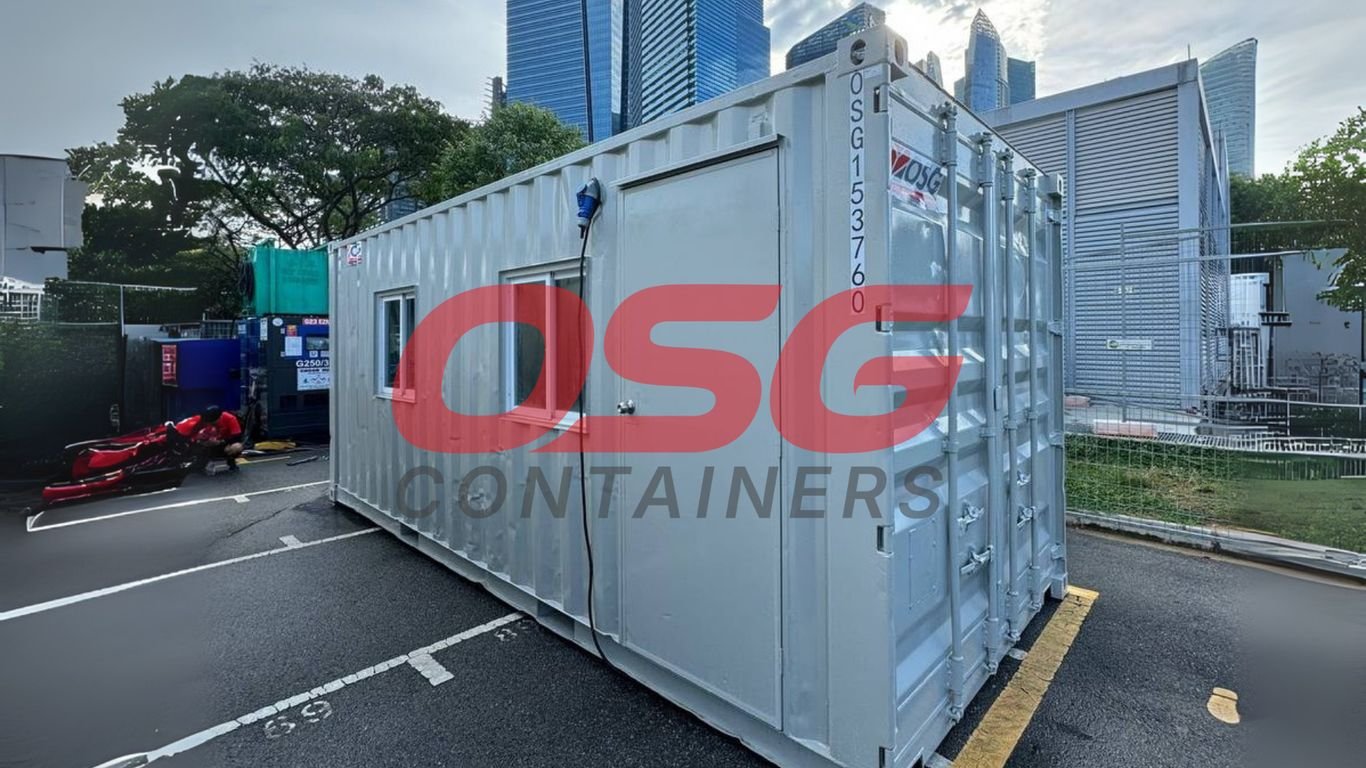
Singapore is a busy place, and sometimes you just need an office space that can keep up. Traditional buildings are fine, but they can be slow to set up and hard to change. That’s where the container office comes in. These aren’t just old metal boxes; they’re smart solutions for businesses that need to be quick, flexible, and maybe a little bit greener. We’re going to look at why a container office in Singapore makes a lot of sense for operations today.
Key Takeaways
- Setting up a container office in Singapore is fast, letting businesses get to work much quicker than with traditional construction.
- These offices make good use of space and can be easily expanded or moved, fitting businesses that grow or change locations.
- Container offices are often cheaper to set up and run compared to standard buildings, helping manage costs.
- With the right design, container offices can be comfortable even in Singapore’s hot and humid weather.
- Using repurposed containers helps reduce waste and supports more sustainable building practices.
Maximizing Efficiency with Container Offices in Singapore
When you’re looking to set up shop in Singapore, time and resources are often tight. That’s where container offices really shine. They offer a way to get your operations up and running much faster than traditional construction. Think about it: instead of lengthy building processes, you can have a functional workspace ready in a fraction of the time. This speed means you can start generating revenue or serving clients sooner, which is a big win for any business, especially those just starting out or needing to expand quickly. Plus, if you’re looking for a temporary setup or a flexible solution, a container office for rent can be a game-changer.
Streamlined Setup and Rapid Deployment
The biggest draw for many businesses is how quickly a container office can be deployed. These units are largely prefabricated, meaning much of the work happens off-site in a controlled environment. Once delivered to your location, the setup is remarkably fast. We’re talking days, not months. This rapid deployment is a huge advantage in a fast-paced market like Singapore, where getting a project off the ground quickly can make all the difference. It minimizes disruption to your existing operations and gets your team settled into a productive space without delay.
Optimized Space Utilization
Don’t let the ‘container’ name fool you; these spaces can be incredibly efficient. The interior can be customized to fit your exact needs. Whether you need private offices, open-plan work areas, meeting rooms, or a combination, the layout can be planned to make the most of every square foot. This means no wasted space and a workspace that truly supports how your team works day-to-day. It’s about smart design that fits your workflow perfectly.
Cost-Effective Workspace Solutions
Let’s talk money. Building a traditional office can come with a hefty price tag and unpredictable costs. Container offices, on the other hand, offer a more predictable and often significantly lower cost. Because they are modular and prefabricated, you reduce labor costs and construction time. This makes them a very attractive option for businesses of all sizes looking to manage their budget effectively. When you factor in the speed of deployment and the optimized space, the overall value is hard to beat.
Adapting to Singapore’s Climate with Container Offices
Singapore’s weather is no joke – it’s hot, it’s humid, and it rains a lot. So, when you’re thinking about setting up an office in a shipping container here, you can’t just plop it down and expect it to be comfortable. You’ve got to plan for the climate from the start.
Effective Insulation and Ventilation Strategies
Dealing with the heat and humidity means you need good insulation. This isn’t just about keeping cool; it’s about making the space livable. Think about materials that reflect heat and keep the inside temperature steady. Ventilation is just as important. You need a system that can move air effectively, getting rid of stale, humid air and bringing in fresh air without letting too much heat in. This often means looking at:
- Active Ventilation: Using fans and air conditioning systems designed for tropical climates.
- Passive Ventilation: Incorporating vents and louvers that allow natural airflow, especially during cooler parts of the day.
- Roof Design: A well-designed roof with an air gap can significantly reduce heat transfer from the sun.
Moisture Management for Durability
Humidity is a big problem in Singapore. It can lead to mold, rust, and general wear and tear on your container office. To combat this, you need to think about how to manage moisture. This involves:
- Corrosion Protection: Applying specialized coatings to the container’s exterior and interior to prevent rust, especially around welds and edges.
- Breathable Materials: Using wall and floor assemblies that allow moisture vapor to escape, rather than getting trapped inside.
- Waterproofing: Ensuring all seals, joints, and entry points are properly waterproofed to prevent water ingress during heavy downpours.
Proper moisture control isn’t just about making the office last longer; it’s about creating a healthy environment for your team. Nobody wants to work in a damp, musty space.
Creating Comfortable Tropical Work Environments
Putting it all together, the goal is to make a container office that feels like a normal, comfortable office, despite the weather outside. This means going beyond just basic insulation and ventilation. It involves considering:
- Shading: Using external awnings or landscaping to block direct sunlight.
- Interior Finishes: Choosing materials that don’t absorb too much heat or moisture.
- Air Quality: Ensuring the ventilation system also helps maintain good indoor air quality, which is often overlooked but really important for productivity.
Scalability and Flexibility for Evolving Businesses
Businesses today aren’t static, right? They grow, they shrink, they pivot. That’s where container offices really shine. They’re not like a permanent building that locks you in. Think of them more like building blocks for your workspace.
Modular Expansion for Growth
So, your team is getting bigger, or you’ve landed a new big project that needs more people on-site. Instead of scrambling to find a new, larger office or cramming everyone into the existing space, you can just add another container. It’s like snapping Lego bricks together. This modular approach means you can scale up your office space pretty easily, without a huge disruption.
- Add units as your headcount increases.
- Connect new containers to existing ones for a larger footprint.
- Quickly deploy extra space for temporary project teams.
This way, you’re not over-investing in space you don’t need yet, but you’re ready when opportunities arise.
Customizable Interior Layouts
It’s not just about adding more boxes. What’s inside matters too. You can actually design the inside of these containers to work for your specific needs. Need a private meeting room? Easy. Want an open-plan area for collaboration? Done. Maybe a mix of both? Absolutely.
Here’s a quick look at how you might divide the space:
| Area Type | Purpose |
|---|---|
| Workstations | Individual desks for focused tasks |
| Meeting Room | Small, private space for discussions |
| Break Area | A spot for staff to relax and recharge |
| Storage | Keeping supplies and equipment organised |
The ability to tailor the interior means you’re not wasting any space. Every square foot can be put to good use, making your operations smoother.
Relocatable Workspaces for Project Needs
Sometimes, your business needs might take you to different locations. Maybe you’re working on a construction project at a new site, or you need a temporary office near a client. Traditional offices are a pain to move. Container offices? Not so much.
Because they’re built on standard shipping containers, they’re designed to be moved. This portability is a massive advantage for businesses that have project-based work or need to set up shop in various locations. You can pick up your office and take it with you, saving a ton of hassle and money compared to setting up a new traditional office each time.
Sustainability Benefits of Container Office Solutions
When we think about building, it’s easy to get caught up in the traditional methods. But what if there’s a way to build that’s kinder to the planet? That’s where container offices really start to shine. They’re not just quick and practical; they’re also a smart choice for businesses looking to reduce their environmental impact.
Repurposing Materials for Reduced Waste
Think about it: shipping containers are built tough to handle journeys across oceans. Instead of letting these sturdy steel boxes sit idle after their shipping days are done, we can give them a whole new life as offices. This act of repurposing is a big deal. It means we’re not digging up as many new raw materials, like steel or concrete, which takes a lot of energy and resources. It’s a direct way to cut down on waste and give existing materials a second chance.
- Reduces demand for virgin materials.
- Diverts industrial waste from landfills.
- Lowers the embodied energy of construction.
Supporting Circular Construction Principles
Container offices fit right into the idea of a circular economy. This is all about using things that can be reused or recycled. Since the main structure is steel, it’s highly recyclable at the end of its very long life. Plus, their modular nature means if your business needs change, a container office can often be moved or reconfigured instead of being torn down. This adaptability means less waste overall. It’s about building spaces that can evolve and be used again and again.
Container offices align with a more sustainable future for construction by prioritizing reuse and recyclability, moving away from a ‘take-make-dispose’ model.
Lowering Environmental Footprint
Beyond just reusing materials, container offices can be designed with energy efficiency in mind. Many come with good insulation to keep temperatures steady, meaning less energy is needed for heating or cooling. Strategic window placement can make the most of natural light, cutting down on electricity use during the day. Some even come ready for solar panels. All these little things add up to a smaller carbon footprint for your workspace.
| Feature | Benefit |
|---|---|
| Repurposed Steel | Reduced raw material extraction |
| High-Quality Insulation | Lower energy consumption for climate control |
| Natural Light Design | Decreased reliance on artificial lighting |
| Modular Design | Adaptability reduces demolition waste |
Enhancing Productivity Through Container Office Design
Tailored Work Zones for Diverse Tasks
Forget the idea of a one-size-fits-all office. Container offices let you shape the environment to your team’s specific needs. Whether you’re running a construction site that needs a tough site office or a tech startup looking for a creative hub, the interior can be set up just right. You can add specific workstations, meeting areas, or even quiet zones. This focus on function means people have what they need right where they need it, cutting down on distractions and helping everyone concentrate better. It’s about creating a workspace that actively supports the work, rather than getting in the way.
Minimizing Disruption to Operations
Container offices are built off-site, often in a factory setting. This means they can be ready to go in a matter of weeks, not months. This speed is a huge plus when you need a functional workspace up and running fast, especially for projects with tight deadlines. It’s like getting a ready-made office delivered right to your doorstep, saving you a ton of time and hassle. This quick deployment means less downtime and more time spent on actual work.
Creating Functional and Professional Spaces
It’s not just about having a place to sit; it’s about having the right place for the task at hand. This means less time wasted trying to make a space work and more time actually getting things done. A standard 20ft container can be outfitted for almost anything. You can divide the space to create distinct areas for different activities. Maybe one end is for quiet work, and the other is set up for collaboration. This practical approach just makes sense for how we work now.
The goal is to make the container office feel like any other professional workspace, just built faster and more affordably. It’s about bringing the comforts of a traditional office to wherever your project happens to be.
Here’s how they help:
- Customizable Layouts: Divide the interior space to create distinct zones for different tasks, such as quiet focus areas, collaborative meeting spots, or private offices.
- Ergonomic Workstations: Equip each area with the necessary tools and furniture to support specific job functions, reducing the need for employees to move around unnecessarily.
- Integrated Technology: Plan for power, data, and connectivity needs from the outset to support modern work requirements without clutter.
- Acoustic Control: Implement sound-dampening materials to create quieter zones for concentration, even in busy environments.
Choosing the Right Container Office for Your Business
So, you’re thinking about a container office for your Singapore operations. That’s a smart move, but like picking any workspace, there are a few things to consider to make sure you get the best fit. It’s not just about grabbing any old shipping container; it’s about finding a solution that truly works for your team and your business goals.
Understanding Container Office Features
First off, what exactly makes up a container office? These aren’t just empty metal boxes. They’re typically repurposed shipping containers that have been modified to become functional workspaces. This means they come with basic insulation, flooring, and often, electrical wiring ready to go. You can find them in standard sizes, like 20-foot or 40-foot units, and they’re built tough, designed to withstand harsh conditions. The key is understanding the base features and what modifications are standard versus optional.
Key Considerations for Singapore Operations
When you’re looking to rent a container office in Singapore, a few specific points come to mind. The tropical climate is a big one – you’ll want to pay close attention to insulation and ventilation to keep things comfortable year-round. Think about how much natural light you need and where windows and doors will be placed. Also, consider the site itself: is it level? Do you have easy access for delivery and setup? If you’re looking to rent container office space, make sure the provider handles all the logistics.
- Climate Control: Look for units with good insulation and options for air conditioning. This is non-negotiable in Singapore.
- Site Assessment: Ensure your chosen location can safely accommodate the container and has access for necessary utilities.
- Permits and Regulations: Understand any local requirements for temporary structures.
- Durability: Check the condition of the container and the quality of the modifications.
Partnering with Reliable Manufacturers
Finding the right supplier is just as important as picking the right container. You want a company that knows what they’re doing, especially when it comes to modifications and understanding local needs. A good manufacturer will be transparent about their process, materials, and timelines. They should be able to show you examples of their work and discuss customization options. If you’re looking for an office container on rent, a reputable provider will offer clear rental terms and support.
Choosing a container office is a practical decision, but it requires careful thought. It’s about finding a balance between cost, functionality, and suitability for your specific business needs and location. Don’t rush the process; take the time to ask questions and get exactly what you need.
Wrapping It Up
So, when you look at it all, container offices in Singapore really do make a lot of sense for businesses. They’re not just some trendy idea; they’re a practical way to get the space you need, fast. Whether you’re a startup needing to keep costs down or a bigger company that needs to expand quickly, these modular units offer a solid solution. Plus, they can be set up to handle Singapore’s climate, which is a big win. It’s a smart move for companies that want flexibility and efficiency without all the usual construction headaches.
Frequently Asked Questions
What exactly is a container office?
A container office is basically a workspace made from old shipping containers. These tough metal boxes are cleaned up, fixed, and turned into cool, functional offices. It’s a fast and smart way to get a work area without building something from scratch.
Are container offices good for Singapore’s hot and humid weather?
Yes, they can be! When built right, container offices have good insulation and ventilation to keep the inside comfy, even when it’s hot and sticky outside. They also have ways to manage moisture so they last longer.
Can I get more space if my business grows?
Absolutely! Container offices are like building blocks. If you need more room, you can just add another container. This makes it super easy to grow your workspace as your team gets bigger, without a lot of fuss.
Are container offices eco-friendly?
They sure can be! Using old shipping containers means we’re reusing materials instead of making new ones, which cuts down on waste. They’re also built to last a long time, which is better for the planet.
How quickly can I get a container office set up?
Much faster than a traditional building! Container offices are pre-made, so they can be set up and ready to use in a much shorter time. This is great if you need a workspace in a hurry.
Can I design the inside of the container office to fit my needs?
Definitely. You can plan the inside however you like. Whether you need private offices, open areas for teams, or a mix of both, the layout can be changed to match how your business works best.