Singapore
 Australia
 Indonesia
 Japan
Japan Malaysia
 New Zealand
 Philippines
 South Korea
 Taiwan
 Thailand
 VIETNAM
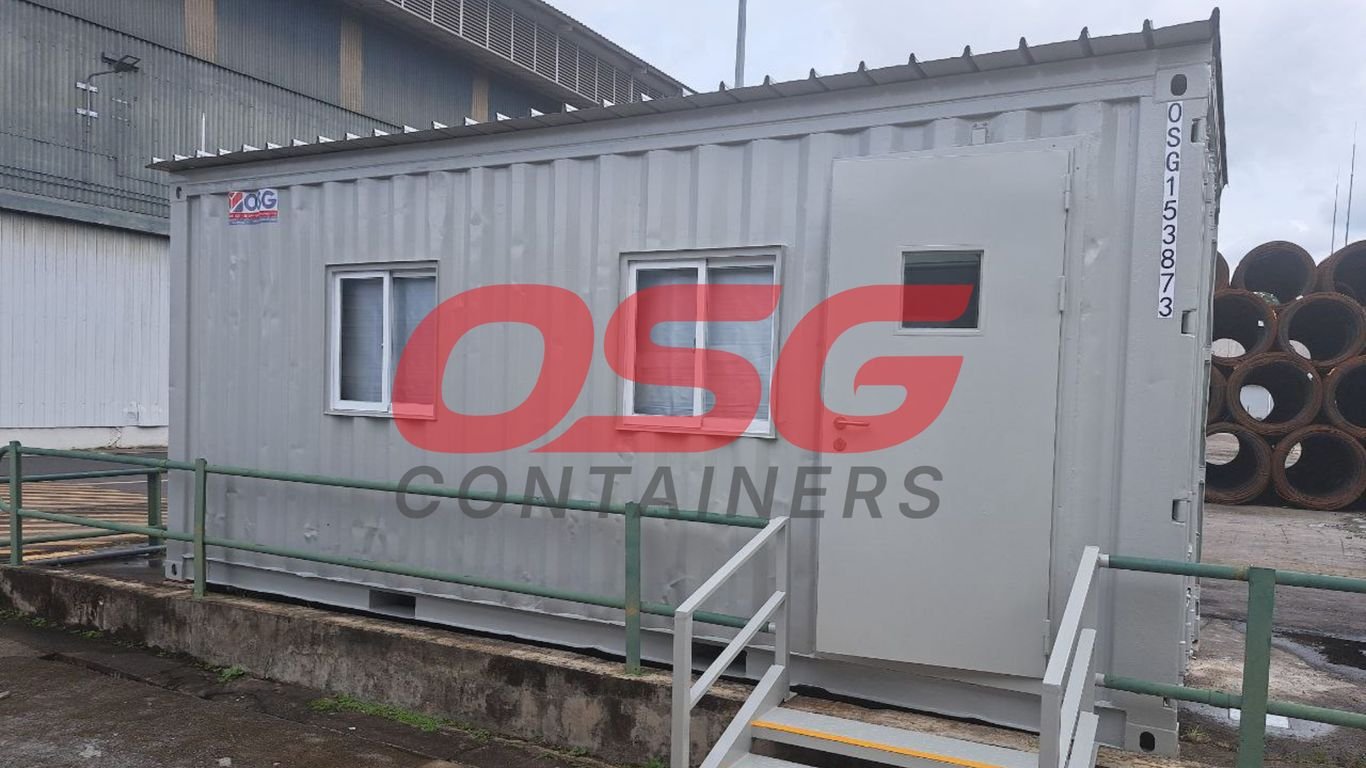
Need a place to stash stuff for a bit? Maybe for a project or just a temporary thing? Hiring a container might be just the ticket. It’s a pretty common need, whether you’re running a business, working on a construction site, or even just moving house. Instead of buying something you’ll only use for a short while, renting a container can save you cash and a whole lot of hassle. Let’s look at how getting the right container rental in Singapore can make your short-term project a whole lot smoother.
Key Takeaways
- When you need storage for a short time, look into different container rental options. Think about whether you need it for just a few weeks or a few months, and see if flexible plans or sale-and-lease-back deals make sense for your budget.
- Picking the right container size and type is important. Don’t get a giant one if you only have a few boxes, and check that the container is in good shape before you rent it. Sometimes, special containers are needed for specific items.
- Putting your container in the right spot makes a big difference. Think about where you’ll be working most and make sure there’s enough room to get things in and out easily. Stacking them can save a lot of ground space.
- Containers offer a secure spot for your tools and materials. They’re built tough and can keep your stuff safe from the weather and potential thieves, giving you peace of mind on your project site.
- Using container rental can be a good choice for the environment. It means reusing existing containers instead of making new ones, which is a more sustainable way to handle your temporary storage needs.
Understanding Container Rental Options In Singapore
When you’ve got a short-term project in Singapore, figuring out the best way to get storage sorted is key. You don’t want to get stuck with something that doesn’t fit or costs way too much. Luckily, there are a few ways to go about it, and it’s not just about buying a container outright. Thinking about renting is often the smarter move for temporary needs.
Evaluating Short-Term Versus Long-Term Rental Needs
First off, you need to be honest about how long you’ll actually need the storage. Is this a quick setup for a few weeks, or could it stretch into a few months? Renting is usually the way to go for anything under a year. It gives you flexibility. You can get a container, like a standard 20gp container, for exactly the time you need it, and then hand it back. No long-term commitment, no hassle of selling it later. This is way different from needing storage for, say, five years, where buying might start to make more sense, or at least a longer lease.
Exploring Flexible Leasing and Sale-and-Lease-Back Models
Beyond simple rentals, there are other options that can be really useful. Leasing is like renting but often for a longer period, and sometimes with more options for customisation. Then there’s the sale-and-lease-back model. This is pretty neat: if you already own containers but need cash for your project, you can sell them to a container supplier and then lease them right back. It frees up your money without you having to move your stuff. It’s a smart way to get capital for your project.
Identifying Cost-Effective Container Hire Solutions
Finding a good deal is always important. When you’re looking for container hire, don’t just go with the first container supplier you find. Shop around. Ask about what’s included in the price – delivery, pickup, maybe even basic security features. Sometimes, a slightly higher price might get you a better quality container or a more reliable service, which can save you headaches down the line. Always ask for a clear breakdown of costs, especially if you’re looking at something specific like a 20gp container. You want to know exactly what you’re paying for.
Picking the right rental plan means you’re not overpaying for storage you don’t need, and you avoid the headaches of ownership for temporary situations.
Optimising Container Selection For Project Demands
Picking the right container for your short-term project isn’t just about grabbing the first one you see. It’s about making sure it actually fits what you need to store and that it works with your project’s flow. Getting this wrong can lead to wasted space, extra trips, or even damage to your stuff.
Choosing The Right Container Size And Type
This is where you really need to think about what’s going inside. Are you storing big machinery, stacks of lumber, or just hand tools and safety gear? The size and type of container you pick make a big difference.
- Standard Containers: These are your everyday 20-foot or 40-foot boxes. Good for general storage of equipment, materials, and supplies.
- High-Cube Containers: If you’ve got taller items or need to stack things higher, these offer extra vertical space. Think of storing large machinery or bulky materials.
- Open-Top Containers: These are great if you need to load or unload with a crane or forklift from the top. Useful for projects where overhead access is easier than side access.
Don’t just guess your needs; measure your biggest items and estimate the volume of everything else. It’s better to have a little extra space than not enough.
Assessing Container Quality And Condition
Even for short-term rentals, the condition of the container matters. A container that’s falling apart or has holes isn’t going to protect your stuff.
- Structural Integrity: Check for major dents, rust holes, or bent frames. The container needs to be solid.
- Door Seals: Make sure the doors close properly and the seals are intact. This keeps out rain, dust, and pests.
- Flooring: The floor should be level and free from rot or damage. You don’t want equipment sinking or shifting.
A quick inspection before you sign off on the rental can save you a lot of headaches down the line. Look for water damage inside, especially in the corners, and test the doors to make sure they open and close smoothly.
Considering Specialised Containers For Specific Needs
Sometimes, standard containers just won’t cut it. For projects with unique requirements, specialised containers are the way to go.
- Refrigerated Containers (Reefers): If your project involves storing temperature-sensitive materials like certain chemicals or food supplies, a reefer unit is a must.
- Flat Rack Containers: These are ideal for oversized cargo that won’t fit in a standard container, like large pipes, construction beams, or vehicles. They have no side or roof walls, making loading from the sides or top easy.
- Open Side Containers: These offer full side access, which can be a game-changer for projects where you need to get to items stored deep inside without moving everything else.
Choosing the right container type from the start means your project runs smoother, your items stay protected, and you avoid unexpected costs or delays.
Enhancing Project Efficiency With Strategic Container Use
When you’re working on a short-term project, every minute counts, right? That’s where getting smart about how you use your rented containers can really make a difference. It’s not just about having a place to stash your stuff; it’s about making that storage work for you.
Streamlining Logistics With On-Site Storage
Think about it: instead of hauling tools and materials back and forth from a separate storage unit or your main warehouse every single day, you can have them right there on the project site. This cuts down on travel time significantly. Workers spend less time on the road and more time actually doing the work. This simple shift can dramatically speed up your project timeline. It means fewer delays waiting for equipment or supplies to arrive, keeping the momentum going.
Improving Site Organisation And Accessibility
Having a designated container on-site means you can keep everything tidy. Tools go in their spot, materials are grouped together, and important documents are kept safe and dry. This organisation makes it way easier for your team to find what they need, when they need it. No more digging through piles of stuff or asking around to see who has the right wrench. Plus, placing the container where it makes sense for your workflow – maybe closer to where the main work is happening – means less walking around the site, saving energy and time.
Boosting Productivity Through Efficient Resource Allocation
When your site is organised and logistics are smooth, your team can focus on their tasks without distractions. They aren’t wasting time searching for things or dealing with unnecessary travel. This focused approach naturally leads to higher productivity. You can allocate your resources – both people and equipment – more effectively because you know exactly where everything is and can access it quickly. It’s about creating a work environment where things just flow.
Using rented containers isn’t just about storage; it’s a tool for better project management. It helps keep things moving, reduces wasted time, and makes your whole operation run more smoothly. Think of it as a mobile command center for your project’s materials and tools.
Here’s a quick look at how organisation helps:
- Faster Access: Less time searching means more time working.
- Reduced Downtime: Equipment and materials are ready when needed.
- Better Inventory Control: Know what you have and where it is.
- Improved Safety: A tidy site is a safer site, with fewer trip hazards and misplaced items.
Ensuring Security And Durability Of Stored Items
When you’re renting containers for a short-term project, keeping your stuff safe and sound is a big deal. Nobody wants their tools, materials, or equipment to go missing or get damaged. That’s where the container itself and how you use it really come into play.
Leveraging Robust Container Construction For Protection
These containers are built tough, usually from strong steel. That’s their first line of defense. They’re designed to handle a lot, from rough weather to just general wear and tear. Think of them as mini-fortresses for your project items. A good container will keep out rain, snow, and even pests, which is pretty important if you’ve got anything sensitive stored inside.
- Weather Resistance: Most containers are made to withstand harsh conditions, keeping your items dry and protected from the elements.
- Structural Integrity: The steel build means they can take a beating without falling apart.
- Pest Deterrence: A well-sealed container is a great barrier against rodents and insects.
Implementing Security Features For Theft Prevention
Just because a container is strong doesn’t mean it’s automatically theft-proof. You’ve got to add a few layers of security. This usually starts with a good lock. Don’t skimp here; get a heavy-duty padlock or a specialized container lock. Some people even use lock boxes over the original container doors for an extra step.
- High-Quality Locks: Invest in robust padlocks and consider lock boxes for added security.
- Tamper-Proof Seals: These can show if someone has tried to get into the container.
- Site Security: Think about where the container is placed. Is it visible? Is there lighting? Sometimes, just having it in a well-lit, visible spot is a deterrent.
Keeping an eye on your container is also key. If you can, position it where it’s visible from your site office or a main access point. This makes it less appealing for someone to try and break in.
Maintaining Contents Safely In All Weather Conditions
Even the toughest container can have issues if not maintained. Regular checks are a good idea. Look for any rust spots that might be getting worse or any seals around the doors that might be failing. If water gets in, you’ve got a whole new set of problems, like mold or damage to materials.
- Regular Inspections: Check for rust, damage, and leaks periodically.
- Seal Maintenance: Ensure door seals are intact to keep out moisture and pests.
- Interior Organisation: Keeping the inside tidy prevents items from shifting and potentially damaging themselves or the container walls.
Maximising Space And Accessibility With Container Placement
Alright, so you’ve got your containers, and they’re ready to go. But where you put them on your project site can make a surprisingly big difference. It’s not just about dumping them somewhere; it’s about thinking ahead.
Strategic Positioning For Optimal Workflow
Think about how your team actually works. Where are they grabbing tools most often? Where are materials being delivered? Placing your containers close to these high-traffic areas cuts down on wasted steps and time. Imagine a painter needing their brushes and paint – if the container is right there, they grab and go. If it’s across the site, that’s a lot of walking back and forth, especially over a few weeks. Good placement means less time spent searching and more time spent doing.
Ensuring Adequate Space For Loading And Unloading
This is a big one. You need enough room around the container to actually open the doors fully and get things in and out without a struggle. Trying to maneuver a pallet jack or a forklift in a tight spot is a recipe for scratched paint, damaged goods, or worse, an accident. Make sure there’s clear space, maybe a few meters, in front of where you’ll be accessing the container. This also helps if you need to stage materials temporarily before they go into the container or out to the work area.
Utilising Stackability For Space Efficiency
If you’ve got multiple containers, stacking them is a smart move, especially if ground space is tight. It’s like building a mini-storage unit. Just make sure it’s done safely and correctly. You don’t want a container toppling over. Most rental companies can advise on or even handle the stacking for you. This frees up valuable ground space for other things, like parking, material laydown, or even just a safe walkway.
Don’t just plop containers down wherever there’s an empty patch of dirt. Take a few minutes to walk the site, visualize the daily operations, and think about how the containers will fit into the flow of work. It might save you headaches later on.
Embracing Sustainability Through Container Hire
In today’s world, being mindful of our environmental footprint is more important than ever. When you’re looking at container rental for a short-term project, there are definitely ways to make it a greener choice. It’s not just about getting the job done; it’s about doing it responsibly.
Reducing Environmental Impact With Reusable Resources
Think about it: instead of building new storage structures that use up raw materials and energy, hiring shipping containers is a smart way to reuse existing resources. These containers have already traveled the globe, and giving them a second life for your project storage means less demand for new manufacturing. It’s a simple concept, but it makes a real difference in cutting down on waste and the energy needed to produce new materials.
Supporting Eco-Conscious Business Practices
Choosing to rent containers can actually help your business look good. When you show that you’re thinking about the environment and using resources wisely, it sends a positive message. People notice when a company tries to be more sustainable. It can make customers feel better about working with you and show that your business has good values.
Choosing Providers With Sustainable Operations
When you’re picking a company to rent from, do a little digging. Some companies are really focused on being green. They might refurbish old containers instead of just scrapping them, or use eco-friendly paints and coatings. Asking about their practices can help you find a partner that aligns with your own sustainability goals. It’s about making informed choices that benefit both your project and the planet.
- Look for providers who offer refurbished containers.
- Ask about their maintenance practices and the materials they use.
- Consider companies that have clear environmental policies.
Making sustainable choices doesn’t have to be complicated. Even small decisions, like opting for reusable container hire over temporary construction, contribute to a larger positive impact. It’s about being practical and responsible at the same time.
Wrapping It Up
So, when your next short-term project pops up and you’re scratching your head about where to put everything, remember container rentals. They’re not just boxes; they’re a smart way to keep things organised, secure, and out of your hair without breaking the bank. Think about the flexibility, the cost savings, and how much easier your project will run when storage is sorted. It’s a simple solution that really makes a difference, letting you focus on getting the job done instead of worrying about where to stash your stuff.
Frequently Asked Questions
Why should I rent a container for a short project instead of buying one?
Renting is usually way cheaper for short projects. You only pay for the time you need it, and you don’t have to worry about where to store it when you’re done. It’s like borrowing a tool for a specific job instead of buying it.
How do I pick the right size container for my project?
Think about everything you need to store. Do you have big machines or just small tools? It’s best to measure your stuff or make a list. If you’re not sure, it’s often better to get one size bigger just in case.
What makes a container ‘good quality’ for my project?
A good quality container is strong and won’t leak. Look for ones that don’t have big dents, rust spots, or holes. It should also close securely to keep your things safe and dry from rain or sun.
Where is the best place to put the container on my job site?
Put it somewhere that’s easy to get to for everyone working. If you need to load and unload often, don’t block the entrance. Also, make sure the ground is flat so it doesn’t tip over. Think about where you’ll be working the most.
How can containers help keep my project organized?
Containers act like a storage closet right on your site. You can put all your tools, materials, and equipment inside, keeping the rest of the site clear. This makes it easier to find what you need and helps prevent accidents.
Are there eco-friendly options for container rentals?
Yes! Many companies reuse old shipping containers, which is much better for the environment than making new ones. Some also use eco-friendly paints. Choosing to rent also means you’re using a resource that’s already made, which is a sustainable choice.