Singapore
 Australia
 Indonesia
 Japan
Japan Malaysia
 New Zealand
 Philippines
 South Korea
 Taiwan
 Thailand
 VIETNAM
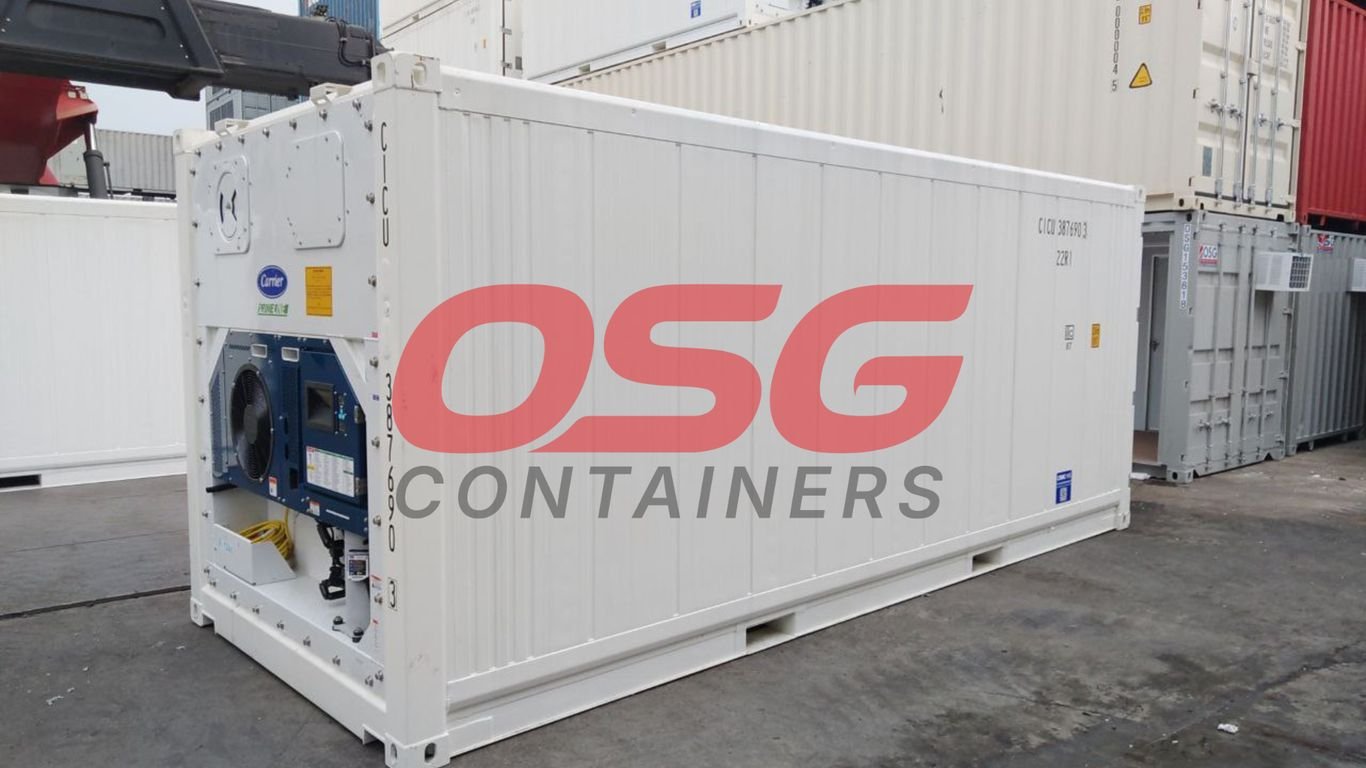
Shipping temperature-sensitive goods using reefer containers is pretty common these days. From your everyday fruits and veggies to important medicines, keeping things cool is the name of the game. But honestly, it’s not as simple as just plugging it in and forgetting about it. Lots of little things can go wrong, and when they do, it can mean spoiled product, wasted money, and a whole lot of headaches. We’re going to look at some of the most common slip-ups people make with reefer cargo and how you can steer clear of them.
Key Takeaways
- Always pre-cool your cargo and the reefer container before loading. Reefers are for keeping things cold, not for cooling them down from scratch.
- Make sure air can move freely inside the container. Don’t pack it too tight; use pallets and leave space so the cool air gets everywhere.
- Double-check that the reefer unit is set to the right temperature and mode for your specific cargo. A wrong setting can ruin a whole shipment.
- Regularly inspect door seals and keep drains clear. These simple checks prevent temperature leaks and ice buildup.
- Plan ahead for fuel, power, and potential delays. Know your documentation requirements and have a backup route in mind.
Critical Pre-Loading Steps for Reefer Cargo
Getting ready to move temperature-sensitive goods? It’s not just about setting the dial and hoping for the best. A lot can go wrong before the cargo even gets inside, and that’s where these pre-loading steps come in. They’re your first line of defense against spoiled product and unhappy customers.
Importance of Pre-Cooling Cargo and Containers
Think of a reefer unit like a thermostat for your house. It’s great at keeping a room at a steady temperature, but it’s not designed to cool down a room that’s already super hot. The same goes for reefer containers. They’re built to maintain a temperature, not to chill down warm products from scratch. Loading warm goods means the unit has to work overtime, which can take a long time and might not even get everything to the right temp. This can lead to uneven cooling and, you guessed it, spoiled product. So, the smart move is to pre-cool both the cargo and the container itself to the target temperature before you start loading. This way, the reefer unit can focus on keeping things stable from the get-go.
Verifying Reefer Unit Settings and Mode
This is a big one. Don’t just assume the reefer unit is set correctly. Always double-check the temperature set point against the shipper’s instructions. It sounds simple, but mistakes happen, and a wrong setting can ruin a whole load. Also, pay attention to the mode the unit is running in. You’ll usually see two options: Continuous or Start-Stop. Continuous mode keeps the refrigeration running constantly, which is best for really sensitive items like fresh produce or certain medicines because it keeps the temperature super steady. Start-Stop mode cycles the unit on and off to save fuel, but it can lead to more temperature ups and downs. The shipper or your dispatch will tell you which mode to use, so make sure you’re following those directions.
Ensuring Proper Fuel Levels Before Loading
Running out of fuel for the reefer unit is one of those avoidable problems that can cause a massive headache. Seriously, it’s a common reason for loads to be rejected or delayed. Most loading docks have rules about this. They often won’t even let you load if the reefer’s fuel tank isn’t at least three-quarters full. So, make it a habit: always fuel up the reefer unit before you get to the shipper. It saves time, prevents access issues, and stops you from having a potential disaster on your hands before the trip even begins.
It’s easy to get caught up in the rush of loading, but taking a few extra minutes to confirm settings, pre-cool, and check fuel can prevent costly mistakes down the line. These aren’t just suggestions; they’re part of the job when you’re handling temperature-sensitive goods.
Optimizing Airflow and Loading Practices for Reefer Cargo
So, you’ve got your reefer unit all set and pre-cooled, but now comes the actual loading. This part is super important, and honestly, it’s where a lot of people mess up. It’s not just about shoving boxes in there; you’ve got to think about how the cold air is going to move around. If you don’t get this right, you’ll end up with some parts of your cargo being too warm, and that’s a recipe for disaster, especially with sensitive stuff.
Avoiding Overpacking to Maintain Air Circulation
This is a big one. You might think filling every single inch of that container is the best way to get your money’s worth, but with reefers, it’s the opposite. You absolutely need space for the cold air to do its job. Think of it like trying to breathe in a really crowded room – it’s tough. The same goes for your cargo. When you pack too tightly, you block the vents and the pathways the cold air needs to travel. This creates warm spots, and those warm spots can ruin your product, even if the reefer unit itself is running perfectly.
- Don’t push cargo right up against the container walls. Air needs to circulate on the sides.
- Leave a gap between stacks of cargo. This allows air to flow up, down, and around.
- Make sure the T-bar floor (if your container has one) isn’t blocked. That’s a key path for air.
When loading, always aim to leave a clear channel down the center of the container. This is where the bulk of the cold air will be pushed, and it needs a free path to distribute effectively.
Strategic Loading Patterns for Different Cargo Types
Not all cargo is the same, and how you load it should reflect that. Frozen goods and chilled goods have different needs when it comes to airflow.
- Frozen Goods: These usually need air forced through them to keep them uniformly frozen. Packing them a bit tighter, with minimal gaps between boxes, helps direct the cold air where it needs to go. Think of it like a tunnel for the cold.
- Chilled Goods: For chilled items, you want the air to circulate around them. This means leaving more space and not packing them as tightly as frozen goods. The goal here is a gentle, even cooling, not blasting cold air directly through the product.
Utilizing Pallets and Dunnage for Airflow
This ties right back into airflow. Pallets are your best friend here. They lift the cargo off the floor, which is absolutely critical. Cold air sinks, and if your cargo is sitting directly on the floor, the bottom layers won’t get cooled properly. Dunnage, like wooden blocks or even sturdy cardboard, can be used to create those necessary gaps between stacks or between the cargo and the walls.
| Item | Purpose |
|---|---|
| Pallets | Lifts cargo off the floor for under-airflow |
| Dunnage | Creates space between stacks and walls |
| Air Channels | Guides cold air distribution |
Basically, think of creating a mini-road system inside the container for the cold air to travel. If you don’t use pallets or dunnage, you’re basically telling the cold air to stop working in half the container.
Maintaining Temperature Integrity in Reefer Cargo Operations
Keeping your reefer cargo at the right temperature isn’t just about setting a dial and forgetting it. It’s a constant balancing act, and a few slip-ups can really mess things up. Think of it like keeping a baby asleep – you don’t want to wake them up unnecessarily.
The Impact of Door Seals and Butcher Doors
Those rubber seals around the doors? They’re more important than they look. If they’re cracked or worn out, warm air can sneak in, and cold air can escape. This makes the reefer unit work harder, using more fuel and potentially not keeping the inside as cold as it should be. It’s like trying to keep your house warm with a drafty window. And those "butcher doors"? They’re those smaller doors inside the main ones. If you’re constantly opening and closing the big doors, using the smaller ones for quick access can make a big difference in stopping temperature loss. It’s all about minimizing how much the inside air gets disturbed.
Preventing Temperature Fluctuations During Operations
Temperature swings are the enemy of many types of cargo. Even a few degrees up or down can affect quality, especially for things like fresh produce or medicines. It’s not just about the initial setting; it’s about what happens during the trip. Things like:
- Frequent door openings: Every time the door opens, warm air rushes in. Minimizing this is key.
- Improper loading: If the cargo isn’t packed right, air can’t circulate, leading to hot spots.
- Unit malfunctions: Even a small hiccup in the reefer unit can cause problems.
The goal is to keep the temperature as steady as possible. Think of it like a smooth ride versus a bumpy one – the cargo prefers the smooth ride.
Understanding Continuous vs. Start-Stop Modes
Reefer units have different ways they can run. You’ve got:
- Continuous Mode: The unit runs pretty much all the time to keep the temperature exactly where you set it. This is usually best for really sensitive stuff that can’t handle any temperature changes at all.
- Start-Stop Mode: The unit kicks on and off as it needs to. It saves fuel, but the temperature can go up and down a bit more. This might be okay for some frozen goods, but not for everything.
Choosing the right mode depends entirely on what you’re hauling. Always check the requirements for your specific cargo. Getting this wrong is a pretty common mistake that can lead to spoiled goods.
Proactive Monitoring and Maintenance of Reefer Units
Keeping a close eye on your reefer unit and giving it regular check-ups is super important. It’s not just about setting the temperature and forgetting it. Think of it like taking care of your car; if you don’t do the basic maintenance, you’re asking for trouble down the road. For reefer cargo, that trouble can mean spoiled product, unhappy customers, and lost money.
The Necessity of Regular Reefer Inspections
Before you even think about loading, give that reefer unit a good once-over. You need to check a few key things to make sure it’s ready for the job. First off, look inside the trailer. Is it clean? Any weird smells or water sitting around? The rules say food transport needs to be clean, so this is a big one. Then, power up the reefer. Don’t just assume it’s set right from the last trip. Double-check that the temperature setting matches exactly what the shipper wants. Also, make sure it’s in the right mode – continuous or start-stop. These checks might seem small, but they stop big problems before they start.
Leveraging Monitoring Systems for Reefer Cargo
Modern reefer units come with fancy systems that can tell you a lot. You should be watching both the temperature you set and the actual temperature inside the trailer. They won’t always be the same, especially when you first start it up or if it’s really hot outside, but they should get close and stay there. Some loads even need you to check the product temperature with a separate thermometer, just to be extra sure. If your unit has alarms, pay attention! They pop up for a reason, like low fuel, sensor issues, or engine problems. When an alarm shows up, write down the code. Look it up in the manual to see what it means. If you’re not sure, or if the unit isn’t cooling right, call dispatch or your support team. Don’t just ignore it.
Addressing Drainage and Defrost Cycle Misunderstandings
Two things that can cause confusion are the drainage system and the defrost cycle. If the drains get blocked, water can build up inside the trailer, which is bad for most cargo. So, keep those floor drains clear. The defrost cycle is also something people sometimes worry about. The reefer unit will periodically warm up slightly to melt any ice that builds up on the cooling coils. This is normal! You might see the temperature tick up a bit during this time, but it’s supposed to do that. It prevents the coils from getting too much ice, which would stop the unit from cooling properly. Understanding these normal functions means you won’t panic unnecessarily.
Ignoring small issues with your reefer unit can quickly turn into major problems that damage your cargo and your reputation. Regular checks and paying attention to what the unit is telling you are key to successful refrigerated transport.
Selecting the Right Equipment for Reefer Cargo
Choosing Appropriate Reefer Container Models
Picking the right reefer container is more than just grabbing the first one you see. Different types of reefers are built for different jobs, and using the wrong one can cause all sorts of problems. Think about what you’re hauling. Are you shipping frozen fish or fresh lettuce? These have very different needs. Some containers are better at holding super-low temperatures, while others are designed for more moderate chilling. You’ll want to look at the container’s capacity and its temperature range. Make sure the container’s specifications match your cargo’s exact requirements. It’s not just about the temperature, either. Some reefers have better insulation or more robust refrigeration units that can handle tougher conditions or longer trips.
Considering Specialized Features Like Butcher Doors
When you’re dealing with cargo that needs frequent access, like during a multi-stop delivery or if you’re using the reefer as a temporary storage unit, a standard door just won’t cut it. That’s where specialized features come in. Butcher doors, for example, are a game-changer. They’re essentially smaller, insulated doors within the main container door. They help keep the cold air inside when you only need to grab a small portion of the load. This means less temperature fluctuation and less strain on the refrigeration unit. Other features to consider might include internal curtains, special shelving, or even data loggers that track temperature throughout the journey. It really depends on how you plan to use the container.
Ensuring Containers Meet Specific Operational Needs
Beyond the basic model and special doors, you’ve got to think about how the container will actually be used. Will it be sitting on a dock for days, or will it be constantly on the move? If it’s stationary, you might need a unit that’s really good at maintaining temperature with minimal power draw. If it’s moving, you’ll want a unit that can handle vibrations and temperature swings that come with transit. Also, consider the power source. Some reefers run on diesel, others on electricity. You need to make sure the power supply at your loading dock, during transit, and at the destination can support the unit you choose. It’s all about matching the equipment to the workflow.
Here’s a quick look at some common reefer types and their typical uses:
- Standard Reefer Container: Good for general chilled or frozen goods. Offers a wide temperature range.
- High-Cube Reefer: Offers extra vertical space, useful for bulky items or when maximizing load volume is key.
- Super Freezer Reefer: Designed for extremely low temperatures, often used for ice cream or specific pharmaceuticals.
- Dual-Temp Reefer: Can maintain two different temperature zones within a single container, ideal for mixed loads.
Choosing the right reefer equipment upfront can save a lot of headaches down the line. It’s about preventing spoilage, reducing energy costs, and making sure your cargo arrives in perfect condition. Don’t skimp on this step; it’s a big one.
Mitigating External Factors Affecting Reefer Cargo
Protecting Reefers from Direct Sunlight Exposure
Leaving a reefer container out in the hot sun for extended periods is like asking it to work overtime for free. The unit has to fight harder to keep the inside cool, using more fuel and putting extra strain on the machinery. Think of it as trying to cool your house while leaving all the windows open on a summer day. It’s just not efficient. When possible, try to position reefers in shaded areas during loading and unloading, or use temporary coverings if shade isn’t available. This small step can make a noticeable difference in how quickly the container reaches its target temperature and how stable it stays.
Managing Power Supply Stability for Reefers
Reefers need a steady stream of power to do their job. Whether it’s plugged into a shore power source at a terminal or running on its own generator, any interruption or fluctuation can be a problem. For units running on generator power, keeping them fueled is obviously key. But even with shore power, you want to make sure the connection is solid and the supply is reliable. A brownout or a brief power cut can cause the temperature to creep up, and then the unit has to work overtime to recover. This is especially true for longer transit times where consistent power is non-negotiable.
Accounting for Environmental Conditions During Transit
We all know the weather can be unpredictable, and that affects reefer cargo too. Extreme heat, high humidity, or even sudden cold snaps can challenge the reefer unit’s ability to maintain the set temperature. It’s not just about the outside temperature, but also how that external environment interacts with the container. For instance, heavy rain can sometimes affect the unit’s external components if they aren’t properly protected. Planning routes with weather forecasts in mind can help avoid the worst conditions. If you know a heatwave is coming, you might adjust loading times or confirm the unit’s performance checks are extra thorough.
Here’s a quick rundown of how external factors can impact your reefer:
- Sunlight: Increases the load on the refrigeration unit, leading to higher energy consumption and potential temperature instability.
- Power Fluctuations: Can cause temperature deviations, requiring the unit to work harder to recover and potentially impacting cargo quality.
- Ambient Temperature Extremes: Puts significant stress on the reefer system, demanding more power and potentially leading to temperature drift if the unit can’t keep up.
- Humidity: High humidity can lead to condensation issues inside and outside the container, affecting both the cargo and the equipment.
When planning reefer operations, always consider the environment the container will be in, both at the origin, during transit, and at the destination. Ignoring these external elements is like setting yourself up for problems down the line. A little foresight goes a long way in keeping your temperature-sensitive goods in good condition.
Navigating Documentation and Routing for Reefer Cargo
Okay, so you’ve got your reefer unit all set, the temperature is dialed in, and the cargo is loaded just right. But wait, there’s more! Before that precious cargo even thinks about hitting the road, you’ve got to get the paperwork sorted and plan the journey. Skipping this part is like trying to bake a cake without a recipe – you might end up with a mess.
The Role of Accurate Documentation in Cross-Border Shipments
When your reefer cargo is crossing borders, the paperwork becomes super important. Think of it as your cargo’s passport. You need all the right forms, permits, and declarations filled out perfectly. One tiny mistake, like a wrong customs code or a missing signature, can stop your whole shipment dead at the border. This isn’t just an inconvenience; for things like fresh produce or time-sensitive medicines, it can mean the difference between a good delivery and a total loss. It’s best to get a handle on what each country requires before you even book the load.
Here’s a quick rundown of what you might need:
- Bill of Lading (BOL): This is your contract of carriage. Make sure it has all the details – shipper, receiver, cargo description, temperature requirements.
- Customs Declarations: These forms tell the border agents exactly what’s coming into their country.
- Phytosanitary Certificates: For agricultural products, these prove the goods are free from pests and diseases.
- Certificates of Origin: Shows where the goods were made.
Always double-check that all required documents are present, accurate, and signed by the correct parties. A proactive approach to documentation can save you hours, or even days, of delay at the border.
Proactive Route Planning and Traffic Monitoring
So, you know where you’re going. But do you know the best way to get there? Planning your route isn’t just about picking the shortest path on a map. You’ve got to think about potential roadblocks. Are there construction zones? Major sporting events that will cause traffic jams? What’s the weather looking like along the way, especially if you’re going through mountains or areas prone to extreme heat?
Using real-time traffic apps and weather forecasts is a must. Sometimes, a slightly longer route that avoids known congestion or bad weather can save you a lot of time and stress. For reefer loads, every hour counts, and avoiding unexpected delays is key to keeping that cargo in perfect condition.
Understanding Customs Requirements for Reefer Cargo
Customs isn’t just about paperwork; it’s about understanding the specific rules for refrigerated goods. Some countries have very strict rules about what types of food or medicine can enter, and under what conditions. They might require specific inspections or certifications that you wouldn’t need for regular cargo. For example, importing certain dairy products might need special health certificates that aren’t required for electronics.
It’s also worth noting that customs processes can vary wildly between countries. What’s a standard procedure in Canada might be completely different in Mexico or Europe. If you’re unsure, it’s always better to consult with a customs broker who specializes in refrigerated goods. They can help you avoid costly mistakes and keep your shipment moving smoothly.
Wrapping Up Reefer Operations
So, we’ve gone over a bunch of things that can go wrong when you’re dealing with reefer cargo. It’s not rocket science, but you really do need to pay attention to the details. Loading warm stuff, blocking airflow, messing up the temperature settings – these are all easy mistakes to make if you’re not careful. And let’s not forget about keeping the equipment in good shape and making sure the power is steady. Doing things right from the start saves a lot of headaches, keeps your product good, and honestly, saves you money in the long run. Just remember to check, double-check, and then check again. It’s worth it.
Frequently Asked Questions
Why is it important to pre-cool my cargo before putting it in a reefer container?
Reefer containers are like refrigerators; they keep things cold, but they aren’t designed to make warm things cold quickly. If you load warm items, the container has to work extra hard, which can mess up the temperature and potentially spoil your goods. Always make sure your cargo is already at the right cool temperature before it goes in.
What happens if I pack my reefer container too full?
Reefers need air to move around to keep everything evenly cool. If you pack it too tightly, the cold air can’t get to all the spots. This creates warm areas where your product might get ruined, even if the rest of the container is cold. Think of it like trying to breathe in a crowded room – it’s tough!
How do I know if my reefer unit is set to the right temperature and mode?
Different items need different temperatures and settings. For example, ice cream needs to be frozen, while milk just needs to be chilled. Also, some reefers have special settings for things like fruits that need fresh air. Always double-check the instructions for your specific cargo and make sure the reefer is set correctly before you start loading.
Why should I care about the door seals on a reefer container?
The seals around the doors are super important! If they’re damaged or worn out, cold air can leak out, and warm air can sneak in. This makes the reefer work harder, uses more energy, and can cause the temperature inside to go up and down, which is bad for your cargo.
What’s the big deal about fuel for the reefer unit?
Reefer units run on diesel fuel, just like a truck. If the fuel runs out, the cooling stops! This is a common mistake that can ruin a whole shipment. Always make sure the reefer has enough fuel before you start your trip, and keep an eye on it during long journeys.
Can direct sunlight damage my reefer cargo?
Yes, it can! If a reefer container sits out in the hot sun, especially on the side with the doors, it heats up more. When you open the doors to load or unload, even more heat gets in, making the reefer work much harder to stay cool. Parking it in the shade or putting a cover over it helps a lot.