Singapore
 Australia
 Indonesia
 Japan
Japan Malaysia
 New Zealand
 Philippines
 South Korea
 Taiwan
 Thailand
 VIETNAM
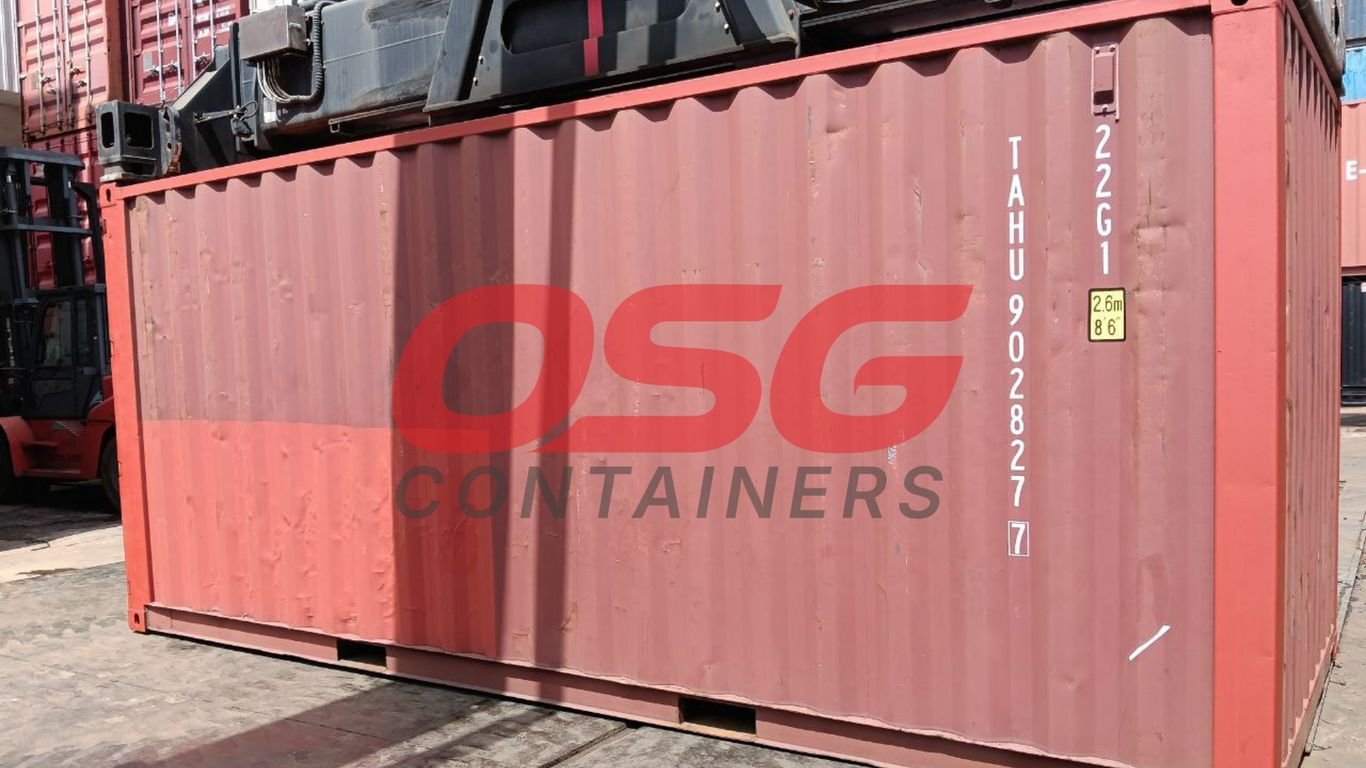
Looking to rent a container in Singapore? It’s a pretty common need for businesses here, whether you need extra storage, a temporary office, or something more specialized. The whole container rental Singapore scene can seem a bit much at first, with all the different types and options out there. But don’t worry, it’s not as complicated as it looks. We’ll break down what you should be thinking about to make sure you get the right container for whatever you need it for.
Key Takeaways
- When you’re looking into container rental in Singapore, think about how long you’ll need it – weekly, monthly, or yearly rentals are usually on the table. It’s also smart to consider if renting makes more sense than buying right away, especially if your needs might change.
- There are different kinds of containers for different jobs. General purpose ones are good for basic storage, but if you need to keep things cold, a refrigerated or freezer container is the way to go. Sometimes, you might even need a custom-built solution.
- Containers aren’t just for storage anymore. People are using them for all sorts of things in Singapore, like setting up cool retail spots, providing handy washrooms for events, keeping food fresh, and even for firefighter training.
- Before you sign on the dotted line for container rental in Singapore, check how it will be moved (land, sea, or air) and what security features it has. Always give the container a good look-over to make sure it’s in good shape.
- Deciding between renting and buying a container depends on your situation. Renting is often faster to get set up, while buying might be better if you plan to use it for a long time or want to customize it extensively.
Understanding Container Rental Options in Singapore
Renting a container in Singapore offers a flexible way to meet your storage and logistical needs without the commitment of a purchase. Whether you need temporary storage for a construction project, extra space for inventory, or a unique setup for an event, container rentals provide a practical solution. Many container suppliers in Singapore understand that different projects have different timelines. That’s why they offer a range of rental periods to suit your specific situation.
Rental Periods: Weekly, Monthly, or Yearly
When you’re looking into renting, the first thing to figure out is how long you’ll need the container. Most container suppliers will let you rent on a weekly, monthly, or even yearly basis. This flexibility is a big plus. For short-term needs, like a pop-up shop or a seasonal storage requirement, a weekly or monthly rental makes the most sense. If you’re planning a longer project, like a major renovation or a phased construction plan, a yearly rental might be more cost-effective. It’s always a good idea to estimate your needs as accurately as possible to choose the rental term that fits best.
Rental Before Purchase Considerations
Sometimes, you might be unsure if buying a container is the right move for you in the long run. Renting first can be a smart way to test the waters. It allows you to experience having a container on-site, see how it fits into your operations, and determine if it’s a viable long-term solution for your business. This approach lets you avoid a large upfront investment while you figure out your exact requirements. Many container suppliers also have programs where a portion of your rental fees can be applied towards a future container sale, making the transition easier if you decide to buy.
Selling Your Container Back After Purchase
If you’ve previously purchased a container and no longer need it, some companies offer buy-back options. This can be a good way to recoup some of your investment. When you’re done with a container you bought, you can often sell it back to the original container supplier or another company that deals in used containers. They’ll typically assess its condition and offer you a price. It’s a convenient way to clear out space and get some cash back, especially if the container is still in good shape.
Choosing the Right Container Type for Your Needs
So, you’ve decided a container is the way to go for your storage or project needs in Singapore. That’s great! But now comes the part where you have to pick the actual container. It’s not a one-size-fits-all situation, you know. Different jobs need different kinds of boxes, so let’s break down what’s out there.
General Purpose Containers
These are your standard, workhorse containers. Think of them as the shipping containers you see stacked up at the port. They’re built tough, usually from steel, and are great for a wide range of things. If you just need a solid, dry space to store general goods, equipment, or even materials that aren’t too fussy about temperature, these are probably your best bet. They come in standard sizes, typically 20-foot or 40-foot lengths, which makes planning and logistics a bit simpler.
- Durability: Made to withstand harsh weather and rough handling during transit.
- Versatility: Suitable for dry goods, furniture, machinery, and more.
- Cost-Effectiveness: Generally the most budget-friendly option for basic storage.
Refrigerated and Freezer Containers
Now, if you’re dealing with anything that needs to stay cold – like food, pharmaceuticals, or certain chemicals – you’ll need to look at refrigerated, or ‘reefer’, containers. These are basically big, mobile refrigerators. They have built-in cooling units that can maintain a specific temperature, whether that’s just cool or deep-frozen. This is absolutely critical if your goods are perishable or sensitive to heat.
- Temperature Control: Can maintain precise temperatures from chilled to frozen.
- Ideal For: Food and beverage, pharmaceuticals, sensitive chemicals.
- Power Requirement: Needs a reliable power source to operate the cooling unit.
Customised Container Solutions
Sometimes, a standard container just won’t cut it. Maybe you need a container with specific shelving, extra doors, windows, insulation for a makeshift office, or even a unique layout. That’s where customisation comes in. You can often work with suppliers to modify a container to fit your exact requirements. This could be anything from adding ventilation to turning it into a small workshop or a unique retail pop-up.
When you’re thinking about customisation, it’s good to have a clear picture of what you want the container to do. Sketching out a plan or making a list of features can really help the supplier understand your needs and give you a more accurate quote. Don’t be afraid to ask questions about what’s possible – you might be surprised!
Innovative Uses for Containers in Singapore
Containers aren’t just for shipping goods across the ocean anymore. In a place like Singapore, where space is at a premium, these sturdy metal boxes are finding all sorts of new lives. Think outside the box – or rather, inside the box!
Creating Urban Retail and Corporate Spaces
Forget building from scratch. A shipping container can be transformed into a really cool shop, cafe, or even an office. With a bit of design flair, some paint, and maybe some art, you can create a unique spot that stands out. It’s often a quicker and more budget-friendly way to get a new business space up and running compared to traditional construction. We’ve seen them pop up as pop-up shops, art galleries, and even small co-working hubs, adding a modern, industrial vibe to the urban landscape.
Providing Washrooms for Outdoor Events
Nobody likes a dodgy portable toilet at an event. Container-based restrooms offer a much more pleasant experience. These can be fitted out with proper lighting, ventilation, and even air conditioning. You can have multiple cubicles, sinks, and mirrors, making them feel more like a permanent facility than a temporary setup. This is a big step up for everything from music festivals to corporate outdoor functions, keeping guests comfortable and happy.
Temperature-Controlled Storage for Perishables
Need to keep things cool? Refrigerated and freezer containers are a game-changer for businesses dealing with food, drinks, or other temperature-sensitive items. They provide a reliable, large-scale cold storage solution that’s often more accessible than building a dedicated cold room. This is super helpful for caterers, food suppliers, and anyone who needs to maintain product freshness over longer periods. It’s a practical way to manage inventory without breaking the bank.
Facilitating Fire Training Sessions
This one might surprise you, but containers are also used for firefighter training. Because they’re made of steel, they’re fire-resistant. This means training exercises can be conducted safely within the container, simulating real-world scenarios without risking damage to other structures or wasting resources. It’s a smart way to practice vital skills in a controlled environment, which is particularly important in a dense urban setting like Singapore.
The adaptability of shipping containers means they can be repurposed for a wide range of applications beyond their original shipping purpose. This makes them a flexible and often cost-effective solution for various needs in Singapore’s dynamic environment. Whether for commercial ventures, event facilities, or specialized training, their robust nature and potential for modification are key advantages. This also ties into the broader market for container sales, where businesses can acquire these units for their own innovative projects.
Key Factors When Renting a Container
So, you’re looking to rent a container in Singapore. It sounds straightforward, right? Well, there are a few things to think about before you sign on the dotted line. It’s not just about picking the biggest one you see. You’ve got to consider how it’s going to get to you and how secure it needs to be.
Transportation Methods: Land, Sea, or Air
First off, how is this container going to end up where you need it? This is a big one because it can really change the type of container you should be looking at. If it’s going on a ship, you’ll want something built to handle the salty air and rocking waves. If it’s just moving across town on a truck, maybe that’s less of a worry. Think about the journey it’s going to take.
- Land Transport: Usually involves trucks. Simpler logistics, but consider road access to your site.
- Sea Transport: Requires containers built for marine environments, resistant to corrosion and weather.
- Air Transport: Less common for standard containers, but specialized units might be needed for extreme lightness or specific dimensions.
Security Features and Lock Options
What are you planning to put inside? If it’s valuable stuff, you’ll want to make sure it’s safe and sound. This means looking at the doors and locks. Some containers come with basic locks, while others have heavy-duty options. You might even want to add extra security yourself.
Don’t skimp on security. A little extra investment here can save you a lot of headaches and potential losses down the line. Think about what you’d do if someone managed to get into your container.
Thorough Inspection Before Finalizing Rental
This is super important. Before you agree to rent, you absolutely need to give the container a good once-over. Don’t just take someone’s word for it. Check for any dents, rust spots, or holes. Open and close the doors a few times. Make sure the latches work smoothly. If it’s supposed to be watertight, check that too. It’s better to find problems now than when you’re trying to use it.
Here’s a quick checklist:
- Inspect the exterior for major dents, rust, and holes.
- Test all doors, hinges, and locking mechanisms.
- Check the floor for rot or damage.
- Look for any signs of leaks or water damage inside.
- Verify any special features (like insulation or refrigeration) are functional.
Specialized Tank Containers for Liquid and Gas Transport
When you’re dealing with liquids or gases, a standard shipping container just won’t cut it. That’s where specialized tank containers come in. Think of them as super-tough, sealed tanks built for moving all sorts of stuff, from chemicals to food products. They’re a big deal in places like Singapore, a major hub for shipping.
Understanding Newport Tank Containers
Newport is a name you’ll hear a lot when talking about these specialized containers. They build tanks designed to handle a wide range of materials safely. These aren’t your average boxes; they’re engineered to meet strict international rules for shipping. The main goal is to keep your cargo secure and prevent any leaks or contamination. Whether you’re shipping something hazardous or something you’ll eat later, Newport aims to have a tank that fits the bill.
Materials Transported by Tank Containers
So, what exactly goes into these tanks? Pretty much anything that flows or is gaseous. This includes:
- Chemicals: Both hazardous and non-hazardous industrial chemicals.
- Food-Grade Products: Think oils, juices, dairy products, and other liquids meant for consumption.
- Gases: Liquefied gases that need to be kept under pressure or at specific temperatures.
- Specialty Liquids: This could be anything from paints to adhesives.
It’s important to match the container to the material. A tank used for chemicals might not be suitable for food products without thorough cleaning and specific certifications.
Benefits of Choosing Newport Tank Containers in Singapore
Why pick Newport specifically, especially in a busy place like Singapore? For starters, they’re known for reliability. Their containers are built tough to handle the rigors of shipping.
- Safety First: Newport containers are designed to meet international safety standards, which is super important when you’re moving potentially dangerous goods.
- Versatility: They offer different types of tanks, so you can find one that’s just right for what you need to ship.
- Support: Being in Singapore means you’ve got access to local support for maintenance, repairs, and advice. This can really smooth out your logistics.
Dealing with liquids and gases requires a higher level of care and specialized equipment. Standard containers, like a 20gp container, are great for dry goods, but they lack the sealing and structural integrity needed for bulk liquids or gases. Tank containers are built with specific materials and safety features to prevent spills and maintain the integrity of the cargo during transit.
Getting the right tank container is a big part of making sure your goods arrive safely and on time. It’s not just about the container itself, but also the service and support that comes with it.
Leveraging Singapore’s Port Facilities for Container Logistics
When you’re dealing with containers, especially in a place like Singapore, the port facilities are a massive part of the equation. It’s not just about where the ships dock; it’s about the whole system that makes moving goods in and out of the country actually work. Singapore’s port is one of the busiest in the world, and for good reason. It’s smack dab in the middle of major shipping lanes, connecting Asia to pretty much everywhere else. This means less time your stuff spends waiting around and potentially lower shipping bills.
Efficient Handling and Reduced Costs
The infrastructure here is top-notch. We’re talking about modern equipment and processes designed to get containers loaded and unloaded quickly. This speed directly translates into savings. Think about it: the less time a container sits idle, the less you’re paying for storage or waiting for it to move on to its next stop. It’s a domino effect that benefits your bottom line.
Strategic Location and Global Connectivity
Singapore’s location is a huge plus. It acts as a central hub, making it easier to ship goods between different continents. This global reach means you can tap into more markets and streamline your supply chain without having to deal with multiple, less connected ports. It simplifies international trade significantly.
Access to Support Services and Advanced Technology
Beyond just moving containers, the port offers a whole suite of services. Need customs clearance? Warehousing? Other logistics support? It’s all usually available right there. Plus, they’re constantly updating with new technology to make things faster and more accurate. This means fewer mistakes and smoother operations overall.
Using Singapore’s port facilities means your containers are handled with speed and precision. This advanced setup helps cut down on transit times and keeps your goods moving efficiently across the globe. It’s a system built for serious trade.
Here’s a quick look at what makes it so effective:
- Speedy Turnaround: Modern equipment means containers spend less time waiting.
- Global Network: Connects easily to shipping routes worldwide.
- Integrated Services: Access to customs, storage, and other logistics help.
- Technological Edge: Advanced systems improve accuracy and efficiency.
Making an Informed Decision: Rent or Buy?
So, you’ve figured out what kind of container you need and how you’ll use it. Now comes the big question: should you rent one or buy it outright? It’s not a simple yes or no answer, really. Both options have their own set of pros and cons, and what’s best for you depends a lot on your specific situation and how long you plan to use the container.
Benefits of Renting for Quick Deployment
If you need a container in a hurry, renting is often the way to go. You can usually get a rental container delivered pretty fast, sometimes within days. This is super handy if you have a project with a tight deadline or if you’re just testing the waters with a new business idea and don’t want to commit to a big purchase just yet. Plus, with rentals, you often don’t have to worry as much about long-term maintenance or what to do with the container when you’re done with it. It’s like borrowing a tool – you use it when you need it and then give it back.
- Speed: Get a container on-site quickly.
- Flexibility: Ideal for short-term projects or temporary needs.
- Lower Upfront Cost: Avoid a large capital outlay.
- Maintenance: Often included or less of a concern.
Renting can be a smart move when your needs are temporary or when you need a solution right away without the hassle of ownership.
Advantages of Purchasing for Long-Term Use
Buying a container makes more sense if you know you’ll need it for a long time. Think years, not months. Over the long haul, purchasing can actually be more cost-effective than renting, even with the initial investment. Once you own it, it’s yours to do with as you please. You can modify it, paint it, and use it for whatever you need without worrying about rental agreements or return conditions. It becomes a permanent asset for your business or project.
- Cost-Effectiveness: Cheaper over extended periods.
- Ownership: Full control over modifications and usage.
- Asset Building: The container becomes a company asset.
- Resale Potential: You can sell it later when you no longer need it.
Customization Possibilities for Purchased Containers
This is where buying really shines. When you own a container, you have the freedom to customize it to fit your exact needs. Need extra shelving? Want to add insulation and air conditioning for a workspace? Planning to turn it into a unique retail space or even a small office? You can do all of that and more with a purchased container. You’re not limited by what a rental company offers; you can truly make it your own. This level of personalization is usually not possible or very expensive with rentals.
| Feature | Renting | Buying |
|---|---|---|
| Initial Cost | Lower | Higher |
| Long-Term Cost | Potentially Higher | Lower |
| Flexibility | High (for short-term needs) | High (for permanent needs and modifications) |
| Customization | Limited to none | Extensive |
| Commitment | Low | High |
Wrapping It Up
So, you’ve looked at what to think about when you need to rent a container here in Singapore. It’s not just about grabbing the first one you see. You’ve got to consider the size, what you’ll use it for, and how long you’ll need it. Whether it’s for a quick storage job or a longer-term project, there are options out there. Don’t forget to check the condition and ask about delivery. Taking a little time to figure this stuff out now will save you headaches later. Good luck finding the right fit for your needs!
Frequently Asked Questions
What are the different rental periods for containers in Singapore?
You can rent containers for short or long periods, like weekly, monthly, or even yearly. This flexibility helps you get the container you need for exactly how long you need it, without being stuck with it forever.
Can I try renting a container before deciding to buy one?
Yes, absolutely! Many companies let you rent a container first. This is a smart way to see if a container works for your needs before you make a big purchase. It’s like a test drive for your storage solution.
What kinds of containers are available besides the standard ones?
Besides the usual general-purpose containers, you can find special ones like refrigerated containers to keep things cold, or even custom-built ones made just for your unique needs. Think of them as specialized boxes for specific jobs.
How can containers be used in creative ways in Singapore?
Containers are super versatile! They can be turned into cool shops, offices, event restrooms, or even special storage for food that needs to stay cold. They’re also used for firefighter training because they’re safe to burn inside.
What should I check before I rent or buy a container?
Before you commit, always check the container closely. Look for any dents, rust, or holes. Make sure the doors and locks work smoothly. Also, think about how it will be moved – by land, sea, or air – as this might affect the type of container you need.
What are tank containers used for?
Tank containers are special containers built to safely move liquids and gases. They’re really important for shipping all sorts of stuff, from chemicals to food products, and they’re designed to keep everything secure during the journey.