Singapore
 Australia
 Indonesia
 Japan
Japan Malaysia
 New Zealand
 Philippines
 South Korea
 Taiwan
 Thailand
 VIETNAM
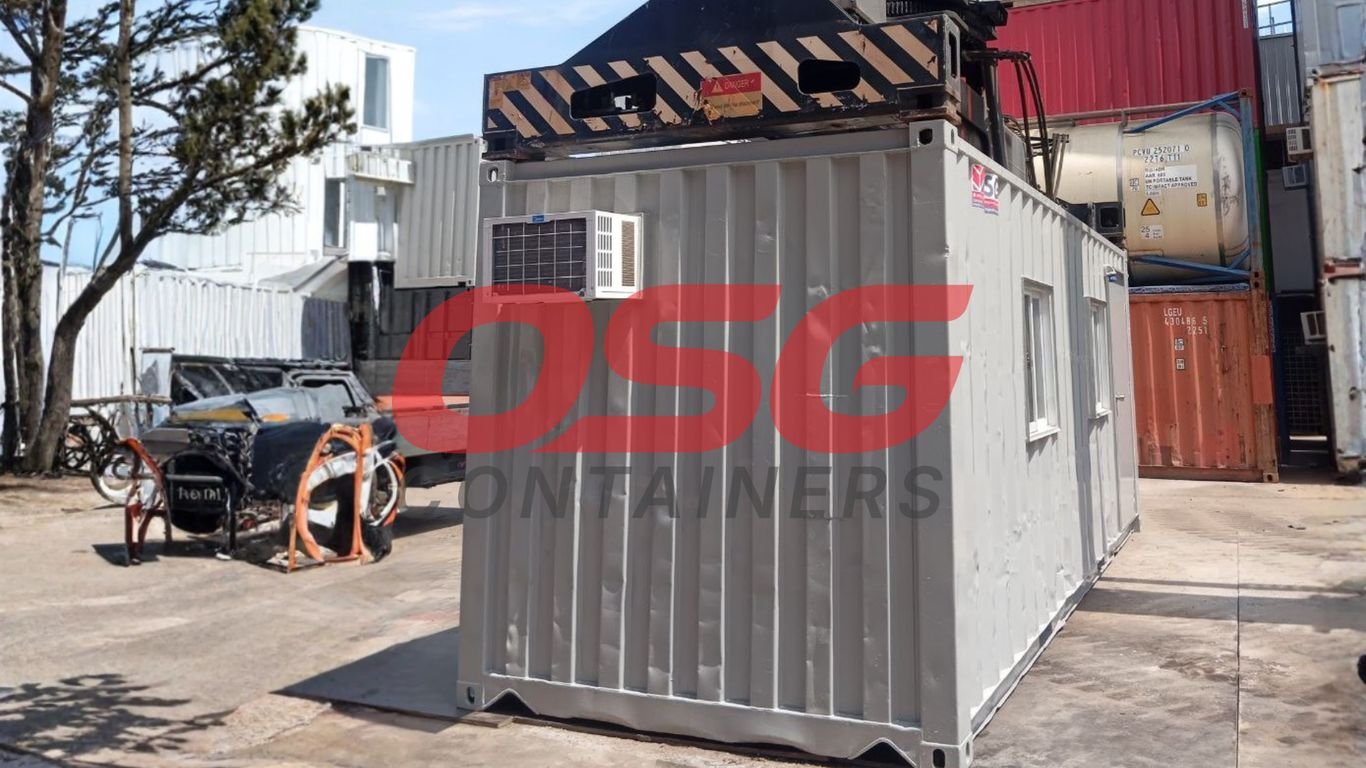
So, you’re looking into getting some construction storage containers, huh? Maybe for your job site, or perhaps a personal project. It’s not always straightforward figuring out the price, though. You see them listed, and the numbers can jump around a lot. It’s not just about picking the biggest one; there’s a whole bunch of stuff that goes into what you end up paying. Let’s break down what makes those prices tick.
Key Takeaways
- The size of the construction storage container you choose directly impacts the price, with larger units like 40ft high cubes costing more than standard 20ft containers.
- The condition of the container is a big factor; new or ‘one-trip’ containers are pricier but often last longer than used ones, which are graded based on wear and tear.
- Delivery costs can add up significantly, depending on how far the container needs to travel and what type of equipment is needed to unload it.
- Global market forces, like the price of steel, demand for shipping, and port issues, can cause prices for construction storage containers to fluctuate.
- Any extra features you add to a container, from extra doors and windows to insulation or climate control, will increase the overall cost.
Container Size And Its Impact On Cost
When you’re looking at construction storage containers, the first thing that usually jumps out is the size. It makes sense, right? A bigger box needs more metal, more space to move around, and generally costs more. It’s not just about having more room; it’s about the materials and the logistics involved.
Understanding Standard Container Dimensions
Containers come in a few standard sizes, and knowing these helps you figure out what you need. The most common ones are 20-foot and 40-foot lengths. They usually have the same width and height, but there are variations like "High Cube" containers that offer extra vertical space.
Here’s a quick look at the common sizes:
- 20ft Standard Container: Good for smaller job sites or storing tools and materials for shorter projects. It’s the most budget-friendly option.
- 40ft Standard Container: Offers double the space of a 20ft, making it suitable for larger sites or storing more equipment and supplies.
- 40ft High Cube Container: This one is taller than the standard 40ft. If you need to stack items or store taller equipment, this extra foot of height can be a game-changer.
The Price Difference Between 20ft and 40ft Containers
Naturally, a 40ft container is going to cost more than a 20ft one. You’re getting more than double the storage space, but the price jump isn’t always double. It depends on supply and demand, but generally, you’re looking at a higher upfront cost for the larger unit. Think of it like buying a bigger car – more metal, more features, more money.
Why High Cube Containers Cost More
High Cube containers, with their extra height, also come with a higher price tag. This isn’t just about adding a bit more metal; it’s about the specialized manufacturing and the added utility they provide. If that extra vertical space means you can avoid renting a second container or fit something specific, the added cost might be well worth it for your project.
The size you choose directly impacts not only the storage capacity but also the initial purchase price and the costs associated with moving it to your site. Always measure your needs against the available space and budget before making a decision.
Condition Of Construction Storage Containers
When you’re looking for a construction storage container, the condition it’s in plays a pretty big role in how much you’ll end up paying. It’s not just about getting a box to put stuff in; it’s about making sure that box can actually do the job you need it to do, whether that’s holding tools on a busy construction site or protecting materials from the weather.
New vs. One-Trip Container Pricing
New containers, often called "one-trip" containers, are the most expensive option. These have only made one journey from the factory to their current location, usually carrying goods. Because they’ve seen minimal use, they’re in near-perfect condition – no dents, no rust, just clean and solid. If you need something that looks great and has zero wear and tear, this is the way to go, but be ready to spend more. They’re a good choice if you’re planning on using your construction container for something other than just basic storage, like a temporary office or a display space.
Assessing Used Container Grades
Used containers are where you can really save some money, but you need to know what you’re looking at. They’re typically older, maybe 8 to 15 years old, and they’ve seen more action. The price difference between grades can be significant, so understanding them is key.
Here’s a quick rundown of common grades:
- Cargo-Worthy (CW): These are certified to be seaworthy, meaning they’re structurally sound and can handle being shipped internationally. They might have some cosmetic issues like minor dents or surface rust, but they’re built tough and are great for secure storage on a construction site.
- Wind and Water Tight (WWT): This is a popular choice for many looking for 10 storage containers for sale. WWT containers are guaranteed to be free from holes, so they’ll keep the wind and rain out. They’ll definitely show more signs of wear than cargo-worthy ones, maybe more dents and rust, but they offer a good balance of cost and protection for general storage.
- As-Is: These are sold with all their flaws. They’re the cheapest option, but you’re taking on all the risk. You might need to do repairs to make them usable, so they’re best for people who are handy or have very specific, low-demand needs.
When Cargo-Worthy Is The Right Choice
So, when is a cargo-worthy construction container the best bet? If you need a container that’s not just for storage but might also be used for transport, or if you just want that extra peace of mind knowing it meets shipping standards, then cargo-worthy is a solid pick. They’re built to last and can handle a lot. While they might cost a bit more than a basic WWT unit, the added structural integrity and certification can be worth it, especially for important equipment or materials on a job site. It’s about finding that sweet spot between cost and reliability for your specific project needs.
Delivery Logistics And Associated Expenses
So, you’ve picked out the perfect container, but hold on – getting it to your site is a whole other ballgame that adds to the final bill. It’s not just about the sticker price of the container itself. Think of it like buying furniture; the item might be one price, but delivery can add a chunk.
How Distance Affects Transportation Fees
The further away you are from where the container is stored, the more you’re going to pay to get it to you. It’s pretty straightforward: more miles mean more fuel, more driver time, and more wear and tear on the truck. Containers are usually stored at depots, often near ports or major distribution centers. If your job site is way out in the sticks, expect those delivery fees to climb. It’s not uncommon for delivery costs to add several hundred, or even over a thousand, dollars to your total, depending on how far they have to haul it.
Unloading Equipment And Its Cost Implications
Getting the container off the truck is another piece of the puzzle. How they unload it can change the price. Some trucks, like tilt-bed or roll-off trucks, can gently slide the container off, and you usually don’t need extra equipment for that. This is often the case for shorter distances.
However, if the truck can’t get close enough or if it’s a flatbed truck, you’ll need something to lift it off. This could be a forklift or a crane. Renting this kind of equipment adds to your expenses. You’ll need to figure out what kind of unloading setup your site can handle and what’s available locally. Sometimes, the delivery company can arrange for the right equipment, but they’ll charge for it.
Here’s a quick look at common delivery methods:
- Tilt-Bed Truck: Slides the container off. Often requires less additional equipment on your end.
- Flatbed Truck: Requires a separate lifting mechanism (like a crane or forklift) for unloading.
- Side Loader: A truck with a crane attached that can lift and place the container.
Regional Availability And Delivery Charges
Where you are geographically really matters. If you’re in a major metropolitan area or a place with a lot of shipping activity, you’ll likely find more containers readily available. This means quicker delivery times and potentially lower transport costs because the depots are closer. On the flip side, if you’re in a more remote location, there might be fewer containers in stock nearby. This scarcity can drive up prices, and you’ll definitely face higher delivery charges because the trucking company has to travel much farther.
Always get a full quote that includes delivery and any necessary unloading equipment before you commit to buying. Hidden fees can really mess up your budget.
Market Forces Influencing Container Prices
Ever wondered why the price of a storage container seems to jump around more than a kangaroo on a trampoline? A big part of that is what’s happening in the wider world – the big market forces. Think of it like the weather; it affects everything, and container prices are no different.
Global Steel Prices and Manufacturing Costs
Steel is the main ingredient in these big metal boxes, right? So, when the price of steel goes up globally, guess what? The cost to make new containers goes up too. It’s pretty straightforward economics. If the raw materials get pricier, the finished product will cost more. This can make buying a brand-new container a much bigger investment.
Impact Of Shipping Demand On Container Availability
This is a big one. When there’s a lot of stuff being shipped around the world – maybe because it’s the holiday season or a big sale event – the demand for containers goes way up. If there aren’t enough containers to go around, prices naturally climb. It’s like trying to buy concert tickets when everyone else wants them too. When demand is high and supply is low, you’ll pay more.
Port Congestion and Its Effect On Pricing
Sometimes, ships carrying containers get stuck waiting to unload at busy ports. This is called port congestion. When this happens, containers can get tied up and aren’t available for use or sale as quickly. This bottleneck can create shortages in certain areas, pushing prices up. It’s a ripple effect; a problem at one port can make containers more expensive miles away.
Here’s a quick look at how these forces can play out:
- High Demand: More goods being shipped means more containers needed.
- Low Supply: Fewer containers available due to manufacturing delays or being stuck at ports.
- Increased Costs: Higher steel prices or fuel costs get passed on.
The global shipping industry is a complex web. Events like trade disputes, natural disasters, or even a sudden surge in online shopping can all send ripples through the market, affecting how much you’ll pay for a storage container. Keeping an eye on these big picture trends can help you time your purchase better.
Customizations And Added Features
So, you’ve got your container, but it’s just a big metal box, right? Well, not exactly. You can actually make it do more than just sit there. Adding things to a container can really change the price, sometimes by a lot. It’s like buying a basic car versus one with all the bells and whistles.
Cost Of Essential Accessories
Even simple additions can add up. Think about things like extra security for your stuff. A good lockbox is a must-have for most construction sites, and that’s going to cost you extra. Then there are basic organizational items. Maybe you need some shelving to keep things tidy, or a simple ramp for easier access. These might seem small, but they contribute to the final bill.
- Lockboxes: These are welded onto the container doors to protect your standard padlock from bolt cutters. Prices can range from $100 to $300 depending on the design and material.
- Shelving Units: Basic metal shelving can cost anywhere from $50 to $200 per unit, depending on size and sturdiness.
- Ramps: For easier access with equipment, a heavy-duty ramp might be needed. Expect to pay between $300 and $1,000 or more for a good one.
Upgrades For Climate Control And Insulation
If you’re storing anything sensitive to temperature or humidity, you’ll want to look into climate control. This usually means insulation and some kind of ventilation or even a full HVAC system. Insulation is key to keeping things from getting too hot or too cold inside. This is especially important if you’re storing electronics, chemicals, or anything that could be damaged by extreme weather.
| Feature | Estimated Cost Range | Notes |
|---|---|---|
| Basic Insulation (Walls) | $500 – $1,500 | Foam or fiberglass panels for moderate temperature control. |
| Ventilation Fans | $200 – $600 | Helps circulate air and reduce moisture buildup. |
| HVAC Unit (Small) | $1,500 – $4,000 | For active heating and cooling, suitable for smaller spaces. |
| Dehumidifier/Humidifier | $300 – $1,000 | For precise moisture control. |
Adding Doors, Windows, And Shelving
Sometimes, the standard container just doesn’t have enough access points. You might want an extra door on the side for easier entry, or a window for light and ventilation. Adding these means cutting into the container’s structure, which requires skilled labor and reinforcement. More complex additions, like full office setups with built-in desks and lighting, will naturally cost more. It really depends on how much you want the container to do beyond just storage.
Think about how you’ll actually use the space. If it’s just for tools, maybe a lockbox and some shelves are enough. But if it’s going to be a site office or a workshop, you’ll probably need more light, better ventilation, and maybe even power outlets. These features aren’t cheap, but they can make the container much more functional for your specific needs.
Economic Factors Affecting Container Value
So, you’re looking at buying a construction storage container, and you’re wondering why the prices seem to jump around. It’s not just about the size or how beat up it is. A lot of bigger economic stuff is at play, kind of like how the price of gas affects your road trip budget.
Inflation And Its Influence On Raw Materials
Think about what these containers are made of: mostly steel. When inflation kicks in, the cost of pretty much everything goes up, and that includes the raw materials needed to build new containers. So, if steel prices are climbing, you can bet the price of a brand-new container will follow suit. It’s a direct link – more expensive to make means more expensive to buy.
Fuel Costs And Transportation Expenses
Getting that container from the port or the depot to your job site isn’t free. Fuel is a big part of that cost. When gas prices surge, the companies that haul these massive metal boxes have to charge more to cover their expenses. This means longer distances or tricky delivery spots can get really pricey, especially when fuel is high.
Global Trade Policies And Tariffs
This is where things can get a little complicated. International agreements, trade wars, or new tariffs can shake up the whole market. If a country slaps a tariff on imported steel, for example, it can make manufacturing containers more expensive. Or, if trade routes get disrupted, it might create a shortage in one area and a surplus in another, messing with prices.
It’s a good idea to keep an eye on the general economic news. Understanding if inflation is rising, if fuel prices are expected to drop, or if there are any big trade deals being discussed can give you a heads-up on potential price changes for containers. It’s like checking the weather before you plan an outdoor event.
Here’s a quick look at how these factors can add up:
- Inflation: Higher raw material costs = higher container prices.
- Fuel Prices: Increased transportation costs = higher delivery fees.
- Trade Policies: Tariffs or trade disruptions can impact manufacturing costs and availability.
- Global Demand: When everyone needs containers for shipping or storage, prices tend to go up.
Wrapping It Up: What to Remember About Container Costs
So, when you’re looking at buying a storage container, remember it’s not just about the sticker price. Things like how big it is, if it’s new or used, and how far it has to travel all add up. Plus, the whole global market stuff, like steel prices and shipping demand, can really shake things up. If you’re planning on adding doors, windows, or insulation, that’s going to bump the cost too. It’s a lot to think about, but knowing these details helps you figure out the real cost and avoid surprises. Just make sure to ask about delivery and any extras before you commit.
Frequently Asked Questions
Why do shipping containers have different prices?
The cost of shipping containers can change a lot for many reasons. Think about how big the container is, if it’s brand new or used, how far it needs to be shipped, and even what’s happening with the global economy. All these things add up to the final price you see.
Does the size of a container really change the price?
Yes, absolutely! Bigger containers use more metal and take up more space to move, so they naturally cost more than smaller ones. A 40-foot container will usually be more expensive than a 20-foot container, and a ‘high cube’ one, which is taller, will cost even more.
Is a new container always better than a used one?
Not necessarily better, but definitely more expensive. New containers, often called ‘one-trip’ containers because they’ve only been used once, are in perfect shape and cost the most. Used containers can be a great, cheaper option if they’re still strong and safe to use, especially for storage.
How does where I live affect the delivery cost?
Delivery costs depend a lot on how far the container has to travel from the nearest depot to your location. If you live closer to a major port city where there are lots of containers, delivery might be cheaper. Remote areas often mean higher shipping fees and sometimes extra costs for special unloading equipment.
What are ‘market forces’ and how do they impact prices?
Market forces are things like how much steel costs to make the containers, how many people want to ship things (demand), and if ports are busy or not. When steel is expensive or shipping is in high demand, container prices tend to go up. It’s like the supply and demand you learn about in economics class!
If I want to add doors or windows, will that cost extra?
Yes, any changes you make to a container will add to the total cost. Things like adding extra doors, windows, insulation to keep the temperature steady, or even shelves will increase the price. These customizations make the container work better for your specific needs, but they do cost more.