Singapore
 Australia
 Indonesia
 Japan
Japan Malaysia
 New Zealand
 Philippines
 South Korea
 Taiwan
 Thailand
 VIETNAM
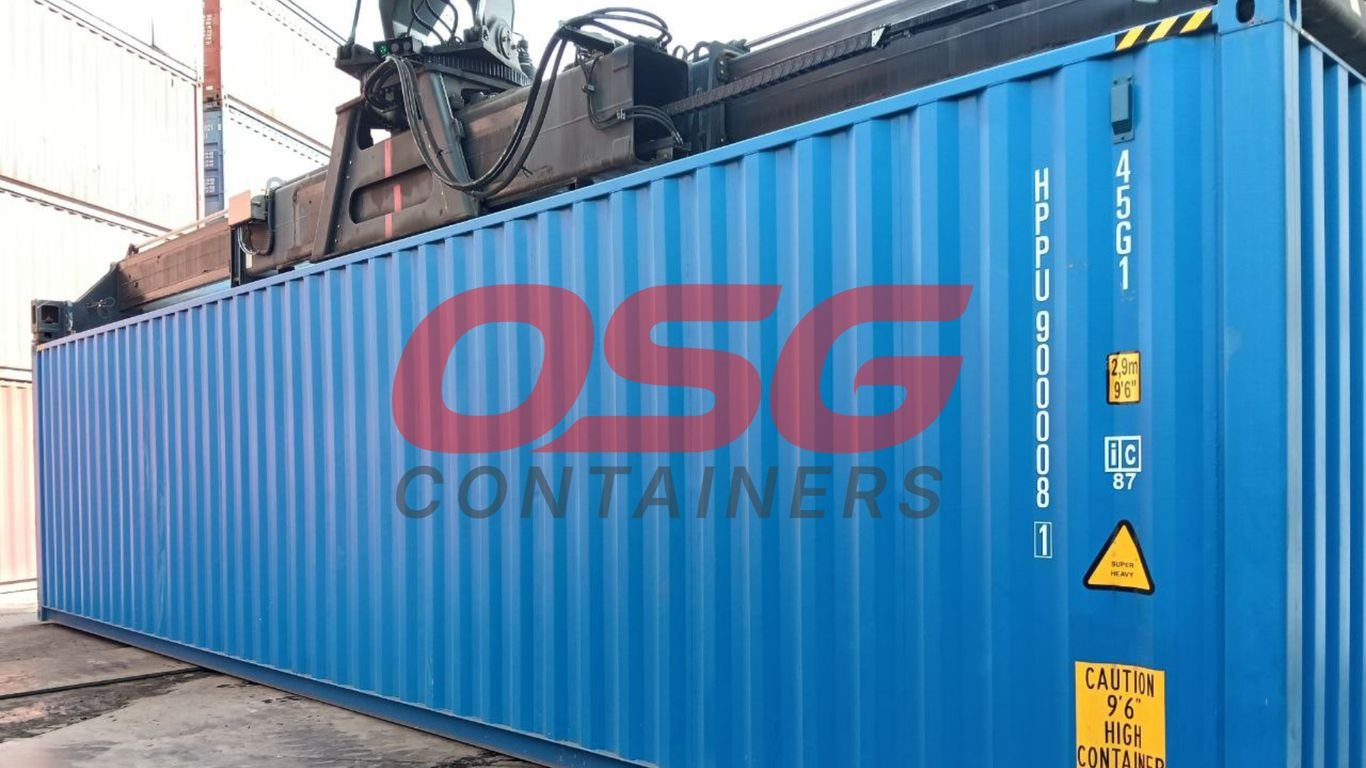
Thinking about where to put all your stuff, or maybe starting a small business? You’ve probably seen those big metal boxes around, right? Well, turns out, a cont 40 feet isn’t just for shipping goods. It’s actually a pretty smart option for a lot of things, from extra storage to even building a place to live or work. Let’s break down why these containers are becoming a go-to choice for people looking for something affordable, tough, and adaptable.
Key Takeaways
- A cont 40 feet offers a budget-friendly alternative to traditional construction, with a single upfront investment and low maintenance needs.
- These containers are highly customizable, allowing them to be transformed into living spaces, offices, or commercial spots tailored to specific requirements.
- Repurposing a cont 40 feet is an eco-friendly choice, reducing waste and contributing to greener building practices compared to new construction.
- Built from high-strength steel, a cont 40 feet provides excellent durability and security, capable of withstanding harsh weather and protecting valuables.
- The versatility and mobility of a cont 40 feet make it adaptable for various uses, from homes and offices to pop-up shops and remote workspaces, offering long-term value and potential returns.
The Cost-Effectiveness Of A 40 Feet Container
When you start looking into options for a new structure, whether it’s for your home, a business, or just extra storage, the price tag can be pretty daunting. Traditional building methods often come with a hefty cost that can make even the simplest project feel out of reach. This is where a 40-foot shipping container really shines. It offers a way to get a solid, adaptable space without breaking the bank.
A Budget-Friendly Alternative To Traditional Structures
Think about it: building a new room onto your house or constructing a small commercial space from scratch involves a lot of materials, labor, and time. You’re talking about foundations, framing, walls, roofing, and all the bits in between. A 40-foot container, on the other hand, is already a robust, pre-built structure. You’re essentially buying a strong shell that significantly cuts down on the initial construction phase. This means fewer materials needed and often less specialized labor, making it a much more accessible option for many people. It’s a smart way to get more space for less money, especially when compared to the rising costs of conventional building.
Long-Term Savings Through Minimal Maintenance
Beyond the initial purchase price, the ongoing costs of a structure are a big deal. Traditional buildings can require constant upkeep – think roof repairs, painting, pest control, and general wear and tear. Shipping containers are built tough, designed to withstand harsh weather and the rigors of international shipping. This means they generally need very little maintenance. A bit of rust treatment now and then, maybe a fresh coat of paint to keep it looking sharp, and ensuring seals are good around doors and windows is often all that’s needed. This drastically reduces those annoying, recurring expenses that eat into your budget year after year. For those looking at rental containers or even buying their own, the low maintenance is a huge plus.
Understanding The One-Time Investment
Buying a 40-foot container is primarily a one-time investment. Unlike renting a storage unit every month, which adds up significantly over time, purchasing a container gives you ownership. You can use it for storage, convert it into a living space, or even set up a small business. While there might be costs associated with delivery, modifications, and site preparation, these are often one-off expenses. When you consider the potential for resale value or the income you could generate from renting out a container space, the initial outlay becomes a strategic financial move rather than just an expense. It’s about getting a durable asset that serves your needs for years to come, with predictable costs rather than escalating monthly bills. This makes it a much more appealing prospect for both individuals and businesses looking for financial stability.
Unlocking Potential With 40 Feet Container Customization
So, you’ve got this big, sturdy metal box – a 40-foot container. What do you do with it? Well, the cool part is you can pretty much turn it into whatever you need. It’s not just a box anymore; it’s a blank canvas.
Tailoring Spaces For Unique Needs
Think of a container like a really strong Lego brick. You can cut openings for doors and windows, run electricity and plumbing, and even add insulation for comfort. Need a home office that’s separate from the main house? Done. Want a workshop with good ventilation? Easy. The possibilities for making it fit your life are pretty much endless. You can add different types of windows, from simple panes to large sliding glass doors, and choose where you want your entrances to be. It’s about making the space work for you, not the other way around.
Transforming Containers Into Functional Living Areas
People are getting really creative with these containers. We’re seeing them turned into everything from cozy tiny homes to more elaborate dwellings. You can add a kitchen, a bathroom, bedrooms – the whole nine yards. It’s not just about basic shelter; it’s about creating a comfortable and stylish living environment. Imagine a modern kitchen with sleek countertops or a bathroom with a walk-in shower, all inside a container. It’s totally doable.
Commercial Applications For Diverse Businesses
Businesses are catching on too. A 40-foot container can become a pop-up shop, a mobile cafe, a small retail store, or even a temporary office on a construction site. They’re quick to set up and can be moved if your business needs to relocate. For companies that need a flexible presence without the commitment of a long-term lease on a traditional building, a container offers a practical solution. You can outfit them with shelving, display areas, and all the necessary hookups for your business operations.
The Environmental Advantages Of Repurposing A 40 Feet Container
Thinking about a 40-foot container as an investment? One of the really cool things is how good it is for the planet. Instead of letting these massive metal boxes just sit around and rust away after their shipping days are done, we can give them a whole new life. It’s a pretty smart way to cut down on waste and build things in a more responsible way.
Reducing Waste By Giving Containers A Second Life
There are millions of these containers out there, and a lot of them end up unused. When we repurpose them, we’re basically taking something that would become scrap metal and turning it into something useful. This means less raw material needs to be mined and processed, which is a big win for the environment. It’s like recycling on a grand scale.
- Diverts steel from landfills.
- Reduces the need for new manufacturing.
- Gives a functional purpose to discarded industrial items.
Repurposing a container means you’re actively participating in a circular economy. You’re not just buying a structure; you’re making a choice that lessens the burden on our planet’s resources.
Contributing To Green Building Initiatives
Using containers fits right into the growing movement towards sustainable construction. People are getting more creative, too. You can easily add things like solar panels, rainwater harvesting systems, or even green roofs to a container structure. It makes it easier to build something that’s not just functional but also kind to the environment.
Minimizing Carbon Footprint Compared To New Construction
When you build something from scratch using traditional methods, the amount of energy and resources used is pretty significant. Think about all the concrete, lumber, and other materials. Manufacturing those things creates a lot of emissions. A container, on the other hand, has already been manufactured. By reusing it, you skip a huge chunk of that production process. This makes the overall carbon footprint of your project much smaller than if you were to build a similar space from the ground up.
| Construction Type | Estimated Carbon Footprint (Relative) |
|---|---|
| New Traditional Build | High |
| Repurposed Container Build | Low |
Durability And Security Features Of A 40 Feet Container
Built To Withstand Harsh Elements
These containers weren’t just made to sit around; they were built for the rough and tumble life of international shipping. Think about it – they spend months out at sea, getting tossed around by waves, blasted by salt spray, and enduring all sorts of weather. This means they’re incredibly tough. They’re typically made from Corten steel, which is a type of steel that’s designed to resist rust and corrosion. So, even if you park one out in the elements, it’s going to hold up way better than you might expect. It’s not just about surviving the journey; it’s about being a solid structure for whatever you plan to do with it.
High-Strength Steel For Maximum Protection
The steel used in these containers is no joke. It’s high-strength steel, engineered to handle heavy loads and impacts. This isn’t flimsy metal; it’s built to protect the cargo inside, which translates directly to protecting your stuff or your business assets. When you’re looking at a 40-foot container, you’re looking at a structure that’s inherently secure because of its robust construction. It’s designed to be a fortress, really, keeping things safe from external forces.
Secure Storage For Valuables
Because they’re built so tough, these containers offer a really secure place to store things. Whether you’re stashing away personal belongings, business inventory, or equipment, you can have a good level of confidence that it’s protected. The steel walls are thick, and the doors usually come with heavy-duty locking mechanisms. It’s a practical solution for anyone needing a reliable storage space that’s hard to break into. You don’t have to worry as much about theft or damage from the weather when your items are inside a properly secured container.
Versatility In Applications For A 40 Feet Container
When you think about a 40-foot container, you might just picture it sitting in a shipping yard. But these things are way more adaptable than you might think. They’re not just for hauling goods across the ocean; they can become almost anything you need them to be. Seriously, the possibilities are pretty wild.
From Tiny Homes To Mobile Offices
Lots of folks are turning these containers into homes. Imagine a cozy, compact living space that you can actually move if you need to. They’re great for people who want a simpler lifestyle or need a guest house. And for businesses? A 40-foot container can easily be set up as a functional office space, especially for remote work sites or temporary projects. You can add windows, insulation, and even plumbing to make it comfortable and practical. It’s a solid alternative to renting expensive office space.
Commercial Ventures And Pop-Up Shops
Thinking about starting a small business or a seasonal shop? Containers are perfect for this. You can create a unique retail space, a cafe, or even a small workshop. Because they’re relatively easy to move, they’re ideal for pop-up events or markets where you need a temporary setup. Plus, their industrial look can be a real draw for customers looking for something different. You can even look into containers rentals for short-term business needs.
Industrial Uses For Remote Workspaces
In industries like construction or resource extraction, you often need facilities in places that don’t have much infrastructure. A 40-foot container can be quickly transformed into a secure storage unit for tools and equipment, a basic workshop, or even a temporary command center. Their rugged build means they can handle tough conditions, and their portability means you can take your workspace with you as the project moves. It cuts down on the hassle of setting up and tearing down traditional buildings.
The adaptability of these containers means you’re not locked into one use forever. If your needs change, the container can change with them, offering a flexibility that traditional structures just can’t match.
Mobility And Adaptability Of A 40 Feet Container
Ease Of Relocation For Shifting Needs
One of the standout features of a 40-foot container is its inherent mobility. Unlike permanent structures that are fixed in place, these containers are designed to be moved. This means if your business needs to shift locations, or if you decide to relocate your home, your container structure can come with you. It’s not a small undertaking, of course, but it’s significantly more feasible than demolishing and rebuilding a traditional structure. Think about it: you can literally pick up your office, workshop, or even your home and transport it to a new site.
Adapting To New Environments With Minimal Fuss
Containers are built tough, which makes them adaptable to a wide range of environments. Whether you’re placing it on a remote construction site, a bustling urban lot, or even a rural property, the container provides a stable and secure base. They can be outfitted with various systems to suit different climates, from robust insulation for colder regions to ventilation for warmer ones. This adaptability means you’re not limited by the location; you can bring your space to where you need it.
Flexibility For Future Business Moves
For businesses, flexibility is key to survival and growth. A 40-foot container offers just that. If your business expands and you need more space, you can simply add another container. If you need to pivot your business model and relocate to a different market, your existing infrastructure can move with you. This kind of adaptability is a huge advantage, especially for startups or businesses that operate in dynamic industries. It reduces the risk associated with long-term leases or permanent construction that might become obsolete.
Here’s a quick look at how mobility adds value:
- Reduced Relocation Costs: Significantly cheaper than building new when moving.
- Faster Deployment: Get your new location up and running quickly.
- Scalability: Easily add or remove units as your needs change.
- Resale Potential: A mobile structure can be more attractive to a wider range of buyers.
The ability to relocate a 40-foot container means your investment isn’t tied down to a single plot of land. This offers a level of freedom and future-proofing that traditional buildings simply can’t match. It’s a practical solution for those who value adaptability in their personal or professional lives.
Long-Term Value And Investment Returns
Achieving Significant ROI
When you look at the numbers, investing in a 40-foot container really starts to make sense over time. These aren’t just metal boxes; they’re tangible assets that hold their value. Think about it – they’re built tough, designed to handle rough seas and tough weather, which means they last a long time. This durability translates directly into a solid return on your investment. You’re not just buying something that depreciates quickly like a car. Instead, you’re acquiring an asset that can be used, leased, or even resold for a good portion of its original cost, sometimes even more if the market is right. The initial outlay for a container is often much lower than for traditional structures, making the potential profit margin quite attractive.
Potential For Rental Income
One of the most straightforward ways to see a return is through renting out your container. Businesses always need storage, whether it’s for temporary overflow, seasonal inventory, or even as a base for operations in remote locations. Individuals might need them for personal storage. Because 40-foot containers are a standard size and widely recognized, finding renters isn’t usually too difficult. You can set up rental agreements for various periods, from a few months to several years. This creates a steady stream of income, almost like collecting rent from a property, but with less hassle and lower overhead. It’s a way to make your container work for you even when you’re not actively using it.
Longevity Compared To Traditional Buildings
Let’s be honest, building something from scratch, like a shed or a small workshop, can be a real headache. Permits, materials, labor – it all adds up, and things can go wrong. Plus, traditional structures might not last as long or can require constant upkeep. A 40-foot container, on the other hand, is designed for a lifespan of 20-25 years or even more with proper care. They’re made of strong steel, resistant to pests and rot, and can withstand pretty harsh conditions. This means fewer repairs and less worry about structural integrity over the years. You get a reliable, durable space that keeps on giving, year after year, without the constant need for expensive maintenance that you’d find with many other building options.
- Durability: Built with Corten steel, they resist rust and corrosion.
- Low Maintenance: Minimal upkeep needed compared to wood or brick structures.
- Adaptability: Can be easily modified for various uses, increasing their long-term appeal.
The real beauty of a container as an investment lies in its inherent resilience and adaptability. It’s a practical solution that doesn’t demand constant attention, allowing your investment to generate returns with relative ease over an extended period.
So, Is a 40-Foot Container a Good Buy?
Look, when you get down to it, buying a 40-foot shipping container just makes sense for a lot of people these days. Whether you need extra room for your stuff, a place to work, or even a spot to live, these metal boxes are surprisingly useful. They don’t cost a fortune to start with, and you can change them up however you like. Plus, they’re built tough and are better for the planet than building something new from scratch. If you’re thinking about it, it’s definitely worth looking into. It’s a solid choice that can save you cash and give you exactly what you need.
Frequently Asked Questions
How long can a shipping container last?
With good care, a shipping container can be useful for about 25 to 50 years. Things like the weather, how you use it, and how well you maintain it all play a part in how long it lasts. Simple things like fixing rust and touching up paint can help it last much longer.
Can I get insurance for a shipping container home or business?
Yes, you can! You can get insurance for homes and businesses made from shipping containers. It usually covers things like theft, bad weather, fires, and damage, much like regular home or business insurance.
Are there different sizes of shipping containers available?
Absolutely! The most common sizes you’ll find are 20-foot and 40-foot containers. There are also smaller 10-foot ones and taller 45-foot ones if you need extra height.
Is it cheaper to build with a shipping container than with regular building materials?
In most cases, yes, it’s cheaper. Building with containers is usually faster and costs less, especially for smaller projects. You save money on building time, labor, and often the materials themselves.
What kind of customizations can I do with a shipping container?
You can do a lot! You can add doors, windows, plumbing, electricity, heating and cooling systems, and even extra floors or rooftop decks. You can make it look like a simple storage space or a fancy home.
Are shipping containers good for the environment?
Yes, they are a great eco-friendly choice. By using old shipping containers, we reduce waste and the need to make new building materials, which helps lower pollution and saves energy compared to building from scratch.