Singapore
 Australia
 Indonesia
 Japan
Japan Malaysia
 New Zealand
 Philippines
 South Korea
 Taiwan
 Thailand
 VIETNAM
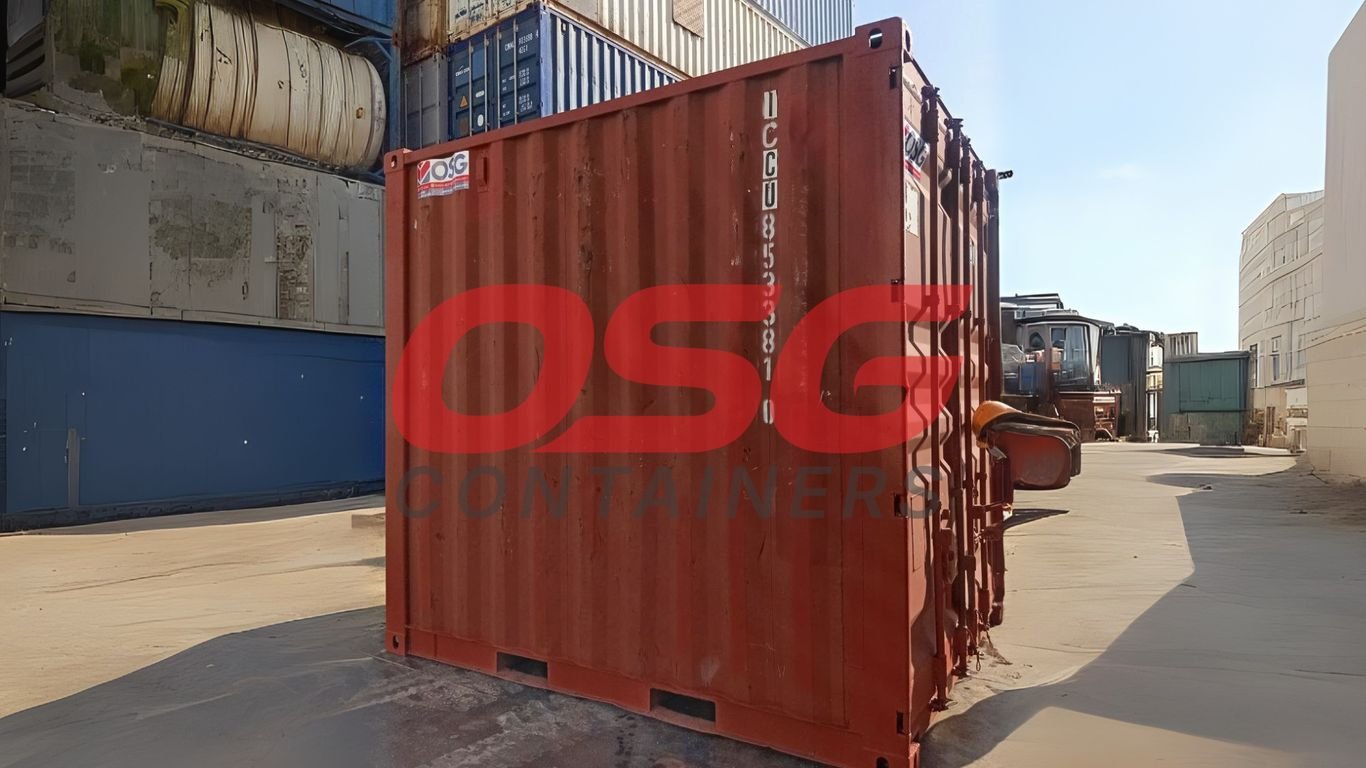
So, why are 20-foot containers still such a big deal in shipping? You see them everywhere, right? They’re like the workhorses of getting stuff from point A to point B. It’s not just a random choice; there are some solid reasons why this particular size has stuck around and is used by so many different kinds of businesses. Let’s break down why the 20 footer container is such a common sight.
Key Takeaways
- The 20 footer container offers a great mix of holding a good amount of stuff without being too hard to handle.
- It’s a really cost-effective option, especially for smaller shipments, saving money on transport and storage.
- You can find 20 footer containers pretty much anywhere in the world, and they fit into all the standard shipping gear.
- These containers are built tough, made to last through long trips and rough weather.
- Beyond shipping, 20 footer containers can be used again for other things, helping the environment.
The Enduring Appeal Of The 20 Footer Container
You see them everywhere, right? Stacked high on ships, rolling down highways, sitting in yards. The 20-foot container, often called a ‘dry van’, is a real workhorse in how we move goods around the world. It’s not just a simple metal box; it’s a standardized piece of equipment that makes shipping predictable and manageable. Think of it as the building block of international trade. Its consistent size means it fits easily onto ships, trains, and trucks, which simplifies logistics a ton and cuts down on potential headaches.
A Perfect Balance Of Capacity And Manageability
The 20ft container really hits a sweet spot. It’s big enough to hold a decent amount of stuff – around 33 cubic meters, which is quite a bit – but it’s not so massive that it becomes a pain to handle. This makes it super useful for all sorts of cargo, whether you’re shipping heavy machinery or a mix of smaller items. It’s just practical.
Adaptable For Diverse Shipping Needs
Need to send a few pallets of electronics? Or maybe you’re moving household goods? The 20ft container can handle it. Its size is flexible enough for different types of shipments without immediately running into weight limits. This adaptability is a big reason why it’s so popular for businesses that don’t always have full truckloads to send. It’s a smart choice when you need a reliable shipping solution that can adjust to your needs. You can even find containers for rent if you don’t want to buy one outright.
Ideal For Heavy Cargo And Mixed Loads
When you’ve got dense, heavy items, the 20ft container is often the go-to. Its sturdy construction means it can take a beating, and its dimensions are well-suited for concentrating weight efficiently. This makes it a great option for industries that deal with manufacturing parts, raw materials, or specialized equipment. Plus, if you have a variety of goods, you can often consolidate them into one container 20 ft, saving time and money on separate shipments.
The standardization of the 20-foot container means that ports, ships, and handling equipment worldwide are designed to work with them. This widespread compatibility is a huge advantage, reducing delays and extra costs associated with non-standard equipment. It’s this combination of a practical size, durable build, and broad acceptance that keeps the 20ft container relevant, even as shipping technology evolves.
Cost-Effectiveness For Shippers And Businesses
When you’re looking at the bottom line, the 20-footer really makes a lot of sense. It’s not just about the initial price, though that’s a factor. It’s about how much you spend from start to finish, and for a lot of businesses, especially smaller ones, this size just hits the sweet spot.
Lower Cost Per Unit Of Cargo
Think about it like this: if you’re not shipping enough to fill a giant 40-foot container, why pay for all that empty space? The 20-footer lets you pay for what you actually use. This means your cost for each item, or each pound, that you ship can be significantly lower. It’s a practical way to manage your budget, especially if your shipping needs aren’t massive or if you’re sending out goods in smaller batches.
Reduced Handling And Storage Fees
Because 20-foot containers are smaller and lighter, they’re generally cheaper to move around. Ports and warehouses often charge less for handling them. This can add up to real savings over time. Plus, finding space to store them, whether at a port or on your own property, is usually easier and less expensive than finding room for a larger container.
Benefits For Small And Medium Enterprises
This is where the 20-footer really shines. Small and medium-sized businesses (SMEs) often don’t have the volume to justify a full 40-foot container. Using a 20-footer allows them to ship their goods efficiently without overspending on logistics. It gives them a competitive edge by keeping their shipping costs manageable, letting them focus their resources elsewhere. It’s a flexible option that grows with their business.
- Right-sizing your shipment: Avoid paying for unused space.
- Lower fees: Reduced costs for handling and storage.
- Competitive edge: Keeps logistics expenses down for SMEs.
- Flexibility: Adaptable to changing shipping volumes.
The economic advantages of the 20-foot container are clear. Its size makes it more affordable to ship and store, and these savings are particularly impactful for smaller businesses that need to be mindful of every dollar spent on operations. This cost efficiency is a major reason why it remains a go-to choice.
Global Availability And Standardization
Widespread Use Across The Global Supply Chain
It’s pretty wild how many of these 20-foot containers you see everywhere, right? They’re basically the workhorses of international shipping. Because they’re such a standard size, pretty much every port, every train yard, and every trucking company on the planet is set up to handle them. This means your stuff can move from a giant ship to a train, and then onto a truck without a whole lot of fuss or delay. It’s like they’re designed to fit into every piece of the logistics puzzle.
Seamless Integration Into Port And Warehouse Infrastructure
Think about a busy port. Cranes are lifting containers, trucks are backing up to load them, and forklifts are zipping around. All of this equipment is built with the standard dimensions of a 20-footer in mind. This isn’t by accident; it makes loading and unloading way faster. Ports and warehouses don’t need special gear for these containers; they just work. This efficiency is a big reason why they keep things moving smoothly, cutting down on wait times and getting goods where they need to go.
Importance In Intermodal Transportation
This is where the 20-footer really shines. Intermodal transport is just a fancy way of saying moving goods using different types of transport – like ships, trains, and trucks. Because the 20-foot container is built to fit on all of these, switching between them is pretty straightforward. You don’t have to unpack and repack your cargo every time it changes modes. This makes the whole journey from origin to destination much quicker and less complicated. It’s a huge part of why global trade flows as well as it does.
The universal acceptance and compatibility of the 20-foot container mean that infrastructure worldwide is already in place to handle them efficiently. This standardization is a quiet hero of global commerce, reducing friction and speeding up the movement of goods across borders and continents.
Here’s a quick look at why this standardization matters:
- Universal Fit: They are designed to fit standard ship cells, rail cars, and truck chassis.
- Equipment Compatibility: Most cranes, forklifts, and handling gear are made to work with these dimensions.
- Reduced Delays: Less time is spent figuring out how to load or unload, leading to faster turnaround times.
- Cost Savings: Standardized handling means fewer specialized labor needs and less equipment rental.
Durability And Longevity In Shipping
Built to Withstand Rigors of Transport
These containers are seriously tough. They’re made from strong stuff, usually a type of steel called Corten, which is built to handle pretty much anything the shipping world throws at it. Think about it – these boxes travel across oceans, get stacked high, and are moved around constantly. They’re designed to take a beating without falling apart. This means your stuff stays protected, no matter how rough the journey gets. It’s not just about surviving the trip; it’s about doing it reliably, trip after trip.
Resilience in Extreme Weather and Long Distances
Whether it’s the scorching sun in the desert or freezing temperatures up north, a 20-footer can handle it. They’re built to resist rust from salty sea air and stand up to heavy rain and wind. This kind of resilience is super important when you’re sending goods halfway around the world. You don’t want your cargo getting damaged just because of the weather. Plus, if you’re looking into container rental for a long-term project, knowing it can last for years in tough conditions is a big plus.
Lower Maintenance Requirements Over Time
Because they’re built so robustly, these containers don’t need a ton of upkeep. Sure, they might get a few dents or scratches over time – that’s just part of the job. But major repairs are pretty rare. This means less downtime and fewer unexpected costs for businesses. When you compare the maintenance needed for a 20-footer versus other types of transport equipment, they really come out ahead. It’s one less thing to worry about when you’re managing a supply chain.
The strength and design of these containers mean they can be used over and over again for many years. This long lifespan is a key reason why they are so popular for moving goods globally and even for repurposing later on.
Here’s a quick look at what makes them so durable:
- Material: High-strength Corten steel resists corrosion and wear.
- Construction: Welded seams and reinforced corners provide structural integrity.
- Testing: Built to meet strict international standards (like ISO) for strength and safety.
- Weather Resistance: Designed to protect cargo from rain, wind, and extreme temperatures.
Sustainability And Repurposing Potential
Repurposing 20 Footer Containers For New Uses
It’s pretty cool how much life these 20-foot containers can have beyond just hauling stuff across the ocean. We’re seeing them turned into all sorts of things these days. Think about pop-up shops, small offices, even backyard sheds. People are getting really creative with them. It’s not just about making something new; it’s about giving an existing structure a second act. This trend is growing because it just makes sense, both for the planet and for folks looking for affordable building solutions.
Reducing Environmental Impact Through Reuse
When a container gets retired from shipping duty, it doesn’t have to become scrap metal. Giving it a new purpose means we don’t have to manufacture as many new items, which in turn uses fewer resources and less energy. It’s a simple idea: reuse what’s already there. This approach helps cut down on the waste that piles up and also lessens the pollution that comes from making brand new things from scratch. It’s a win-win for keeping our planet a bit cleaner.
Contribution To Carbon Footprint Reduction
Every time a 20-footer is repurposed, it’s a small win against climate change. Manufacturing new containers, especially from steel, takes a lot of energy and releases greenhouse gases. By using containers that have already been made, we skip that energy-intensive production step. This directly lowers the carbon emissions associated with the logistics industry. It’s a practical way businesses can show they care about the environment without completely overhauling their operations. Plus, it often saves them money in the long run.
The circular economy is gaining traction, and 20-foot containers are a perfect example of how durable goods can be given extended life cycles. This reduces the demand for virgin materials and minimizes the energy required for new manufacturing.
Here’s a look at how repurposing helps:
- Less Manufacturing Demand: Fewer new containers need to be produced.
- Reduced Waste: Old containers are kept out of landfills.
- Lower Energy Use: Avoids the energy-intensive process of creating new steel.
- Resource Conservation: Preserves raw materials for other uses.
Facilitating Global Trade And Supply Chains
Simplifying Cross-Border Commerce
The 20-foot container has fundamentally changed how goods move between countries. Because so many ports, ships, and handling systems worldwide are built to accommodate this specific size, sending products across borders becomes much less complicated. You don’t have to spend as much time figuring out special arrangements or dealing with tricky logistics when your shipment is in a standard 20-footer. It just slots right into the existing global transport network.
Contributing To Supply Chain Stability
Having a common container size like the 20-footer really helps make the global supply chain more predictable. When everyone uses the same basic box, it’s easier to plan shipping routes, manage inventory levels, and have a better idea of when things will actually arrive. This reliability is a big deal for businesses that need their supplies on time or have to get finished products out to customers without delays. It cuts down on unexpected problems and makes the whole process run more smoothly.
The widespread use of the 20ft shipping container has created a predictable and efficient global logistics network. This standardization simplifies planning and reduces uncertainty for businesses involved in international trade, making it a cornerstone of modern commerce.
Supporting Diverse Cargo Types
What’s really neat about the 20-foot container is that it’s not limited to just one type of product. You can pack all sorts of different items inside. Think about electronics, clothing, machine parts, or even food if you’re using a specialized refrigerated unit. Plus, they’re built tough from strong steel, so they can handle the bumps and weather that come with long journeys. This means a small business can ship its handmade goods just as easily as a large factory can send out heavy industrial equipment.
Here’s a look at some common cargo types that fit well:
- Electronics: Delicate gadgets are kept safe from the elements and impacts.
- Textiles: Clothing and fabrics can be shipped without getting damaged.
- Machinery: Smaller industrial parts and equipment can be secured inside.
- Foodstuffs: Special refrigerated versions keep perishable items fresh.
- Personal Goods: When people move homes, their furniture and belongings are protected.
So, What’s the Big Deal with 20 Footers?
Look, it’s pretty clear why these 20-foot containers are everywhere. They just hit that sweet spot, you know? Not too big to be a pain, but big enough to actually move a decent amount of stuff. Plus, they’re tough, they don’t cost an arm and a leg to ship, and pretty much every port and truck driver knows exactly what to do with them. For a lot of businesses, especially the smaller ones, it’s just the smart, practical choice. They work, they’re reliable, and they get the job done without a lot of fuss. It’s no wonder they’re still the go-to for so many industries, and honestly, it doesn’t look like that’s changing anytime soon.
Frequently Asked Questions
What makes the 20-foot container so popular?
The 20-foot container is super popular because it’s a great size for many different kinds of shipments. It’s not too big and not too small, making it easy to move around on ships, trains, and trucks. Plus, it’s built tough to keep stuff safe during long trips.
How much stuff can fit inside a 20-foot container?
A 20-foot container can hold about 33 cubic meters of stuff. That’s enough space for a good amount of goods, like furniture, electronics, or parts for factories. It’s a good balance between having enough room and not being too huge to handle.
Are 20-foot containers cheaper to use than bigger ones?
Yes, usually! Because they’re smaller, they cost less to ship and store. If you don’t have enough stuff to fill a giant container, using a 20-footer means you only pay for the space you need, which saves money.
Can 20-foot containers be used for different kinds of things?
Absolutely! They’re used for shipping all sorts of items, from clothes and food to heavy machinery and building materials. They’re also being turned into cool things like small homes, offices, or shops, which is great for the environment.
Are 20-foot containers strong enough for shipping anywhere in the world?
Yes, they are! They’re made from strong steel that can handle rough weather, bumpy rides, and salty sea air. This means your belongings or products are well-protected, no matter how far they travel.
Why are 20-foot containers easy to use all over the world?
These containers are built to a worldwide standard size. This means that ports, cranes, trucks, and trains everywhere are designed to handle them easily. It makes moving goods from one type of transport to another, like from a ship to a train, much quicker and simpler.