Singapore
 Australia
 Indonesia
 Japan
Japan Malaysia
 New Zealand
 Philippines
 South Korea
 Taiwan
 Thailand
 VIETNAM
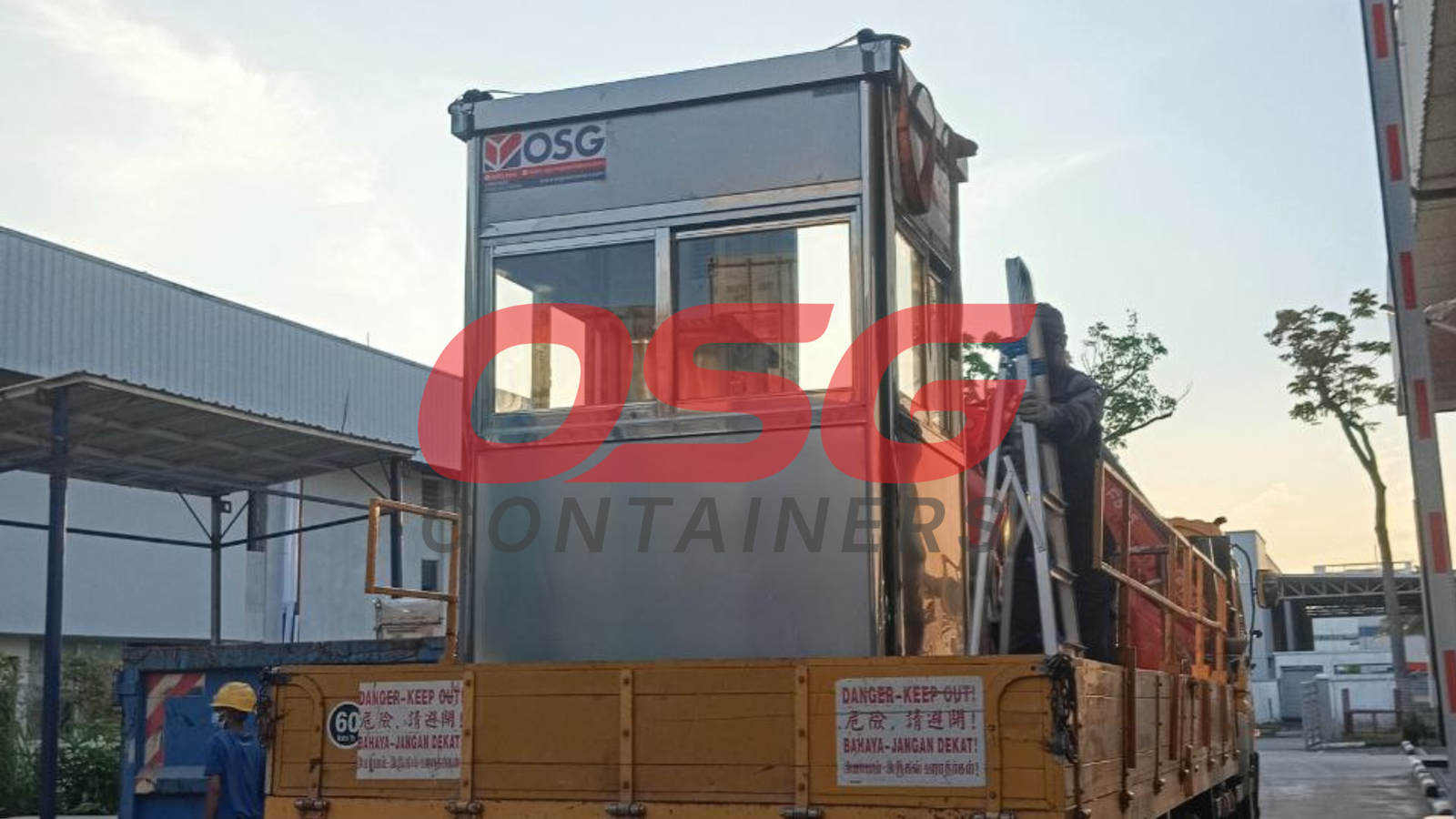
You might think a guard house is just a little box for a security guard to sit in, right? Well, turns out, they’re way more than that. These structures pop up everywhere, from construction sites to big events, and they do a lot more than just keep the rain off. Let’s look at why these buildings are actually pretty important for a bunch of different reasons.
Key Takeaways
- A guard house is a versatile structure that goes beyond just being a place for security personnel to sit. It acts as a vital checkpoint for managing who comes and goes.
- Placing a guard house strategically helps deter unwanted visitors and makes it easier for security teams to watch over an area.
- These buildings aren’t just shelters; they often include communication tools and technology to help security staff do their jobs better.
- Guard houses can be adapted for many uses, like managing events, controlling access on construction sites, or serving as hubs for law enforcement.
- Prefabricated guard houses offer a practical and cost-effective way to add security and functionality to a site, providing a professional entry point.
Enhancing Site Security With Strategic Guard House Placement
Putting a guard house in the right spot is a big deal for keeping a place secure. It’s not just about having a structure; it’s about how that structure affects who comes and goes and how well your security team can do their job. A guard house that’s placed thoughtfully can stop problems before they even start and help keep everything running smoothly.
Deterring Unauthorized Access and Trespassing
A guard house positioned near the main entrances sends a clear message: this property is being watched. People tend to think twice before trying anything suspicious when they see a guard house. With the right setup, guards can easily spot and question anyone trying to get in without permission. Entry points just become less appealing to trespassers if they’re consistently monitored.
- Visible presence discourages unwanted visitors.
- Guards can perform immediate ID checks for vehicles and pedestrians.
- It helps control access at less obvious points, like side gates or loading docks.
The physical presence of a guard house acts as a constant reminder that the property is monitored, significantly reducing the likelihood of unauthorized entry attempts.
Creating a Visible Security Presence
Just seeing a guard house, especially with a guard visible inside, makes most people act more appropriately. This “watchful eye” effect is pretty powerful. Regular employees and visitors tend to feel safer and more at ease. Anyone with bad intentions will likely move on or at least reconsider their options. Plus, if something does happen, emergency responses can be quicker because the security team is already positioned at the entrance.
Facilitating Surveillance and Monitoring Capabilities
Guard houses that are placed smartly give security staff a better view and better tools. Simple changes, like raising the booth or adding more cameras, can make a real difference. This smart placement helps security teams keep an eye on multiple areas at once using cameras from inside the guard house. They can react quickly if they spot someone in trouble, whether it’s a theft or an accident. Well-placed windows in the structure make it easy for guards to do quick visual checks, especially in busy spots.
The Guard House As A Command Center For Operations
A guard house isn’t just a simple shelter; it’s often the central point for managing a site’s daily flow and security. Think of it as the nerve center where important decisions are made and actions are coordinated. It’s where the first line of defense really kicks into gear, making sure everything runs smoothly and safely.
Essential Checkpoints For Access Control
This is where the guard house really shines. It acts as the main gatekeeper, controlling who and what enters the property. Guards stationed here are responsible for a lot more than just waving people through. They’re checking IDs, logging entries, and making sure only authorized personnel or vehicles get past. This structured approach helps prevent unauthorized access and keeps a clear record of everyone coming and going.
Here’s a look at typical daily traffic a guard house might manage:
| Entry Type | Average Daily Traffic |
|---|---|
| Employees | 220 |
| Visitors | 35 |
| Deliveries | 12 |
Coordinating Security Responses and Incident Management
When something unexpected happens, the guard house becomes the hub for managing the situation. It’s the place where alarms are received, and security teams can quickly gather to assess the problem. Guards can use the technology within the guard house, like cameras and communication systems, to direct responses and keep track of what’s going on. Incident reports are often filed here too, making follow-up much quicker.
The guard house serves as a critical communication point, allowing security personnel to relay information rapidly and coordinate actions effectively during any type of incident.
Streamlining Vehicle and Visitor Management
Beyond just security, the guard house plays a role in the overall efficiency of a site. By managing vehicle flow, checking delivery schedules, and issuing visitor passes, it helps keep traffic moving without unnecessary delays. This organized system means fewer bottlenecks and a more predictable environment for everyone on the property. It’s about making sure that legitimate traffic gets through quickly while keeping a close eye on everything else.
Improving Personnel Effectiveness Through Guard House Design
Providing Shelter and Comfort for Security Staff
Let’s be real, security guards often pull long shifts, and sometimes the weather is just plain awful. A guard house isn’t just a box with a window; it’s a place that offers real protection from the elements. We’re talking about keeping them dry when it’s pouring, out of the scorching sun, or shielded from a biting wind. Most modern guard houses come with heating and air conditioning, which makes a huge difference. It’s not about making them feel like they’re at a spa, it’s about making sure they can stay alert and focused on their job without being miserable. A comfortable guard is a more effective guard.
Integrating Communication and Technology Systems
These structures have evolved way beyond just a simple booth. Think of them more like mini command centers now. You’ll find phones, radios, and often direct lines to emergency services. Many are set up with internet access, letting guards check security camera feeds or send digital messages. Some even have screens showing live views from cameras around the property. This tech integration means guards can react much faster and work together better if something unexpected happens. It’s all about having the right tools right there when they’re needed.
Customization for Specific Site Needs
Not every site is the same, so why should guard houses be? Customization is key. Maybe a site needs a larger structure to house more equipment, or perhaps it needs reinforced walls for added security. Some might require special ventilation if they’re located near industrial processes. Others might need specific window placements for the best possible view of the surrounding area. It’s about tailoring the guard house to fit the unique demands of the location and the security team working there. For example, a guard house at a busy loading dock might need extra space for paperwork and communication with multiple drivers, while one at a residential gate might prioritize a clear view of approaching vehicles and a friendly, yet secure, point of interaction.
The design of a guard house directly impacts the well-being and performance of the security personnel stationed within it. Prioritizing comfort, functionality, and appropriate technology creates a more professional and effective security presence.
Versatile Applications of the Modern Guard House
You might think a guard house is just a little box for a security guard to sit in, right? Well, turns out, they’re way more than that. These structures pop up everywhere, from construction sites to big events, and they do a lot more than just keep the rain off. Let’s look at why these buildings are actually pretty important for a bunch of different reasons.
Beyond Basic Security Shelters
Guard houses used to just be little shacks that offered security folks a place to keep an eye out. But now, they fill a bunch of needs, way beyond keeping unwanted visitors out. They act as the front line for both safety and smooth business at sites like factories, schools, and events. Not only are they a place for checking who comes and goes, but they also work as communication hubs, information desks, and even the nerve center for daily operations. They offer shelter and protection for staff through all weather, provide backup during emergencies, and stand as the first point of contact for visitors and workers alike.
Event Management and Information Stations
For big events like concerts or festivals, guard houses become super useful. They aren’t just for security, though that’s a big part of it. They can be set up as information booths where people can ask questions, get maps, or find out schedules. They also serve as ticket booths, making sure only paying customers get in. Plus, they can control access to VIP areas, keeping things organized and secure for special guests. This adaptability makes them a go-to solution for managing crowds and information flow at temporary gatherings.
Serving as Ticket Booths and Gatehouses
Beyond events, guard houses are commonly used as permanent ticket booths or gatehouses. Think about amusement parks, sports stadiums, or even toll roads. These structures are positioned at entry points to manage the flow of people or vehicles, collect payments, and verify credentials. They streamline the process, making it efficient for both the organization and the customer. Some companies even upgrade standard guard booths using modified shipping containers or a reefer refrigerated container, letting you switch between security and temporary cold storage roles as projects change. This approach, often involving creative container modifications, offers a flexible and robust solution.
Here’s a look at how they function in these roles:
- Access Control: Verifying tickets, passes, or payments.
- Information Dissemination: Providing directions or event details.
- Traffic Management: Guiding vehicles or pedestrians.
- Revenue Collection: Handling ticket sales or tolls.
The use of prefabricated units, especially those utilizing container modifications, allows for rapid deployment and easy relocation. This is particularly beneficial for temporary setups or sites with changing needs, such as construction projects or seasonal operations. They provide a sturdy, weather-resistant base that can be outfitted with necessary technology and amenities, making them far more than just a simple shelter.
The Guard House As A Professional First Impression
Communicating a Secure and Attentive Environment
When someone pulls up to your property, the guard booth is often the very first thing they see. It’s not just a structure; it’s a statement. A clean, well-maintained guard booth with a visible, alert attendant immediately tells visitors that they’ve arrived at a place that takes security seriously. It signals that this isn’t a place where just anyone can wander in. This initial visual cue sets a tone of order and professionalism right from the start, making people feel both secure and aware that they are entering a managed environment.
Ensuring an Orderly System for Access
A guard booth acts as a central point for managing who enters and exits. This is where procedures are followed, and records are kept. Think about it:
- Visitor Check-in: A designated spot for visitors to register, get temporary passes, and receive directions.
- Delivery Coordination: A place for drivers to verify manifests and get clearance, preventing traffic jams at loading docks.
- Employee Verification: A quick way to confirm identity for regular staff, speeding up entry.
This structured approach prevents confusion and bottlenecks, making the flow of people and vehicles much smoother. It shows that your site operates with a clear system.
Creating Approachable Points of Contact
While the primary role is security, the guard booth also serves as a friendly face and a source of information. It’s the first human interaction many people will have with your organization.
A well-staffed guard booth can be a beacon of helpfulness. Staff can answer basic questions, provide directions, or alert relevant personnel to a visitor’s arrival. This human element, combined with the security aspect, creates a balanced and welcoming, yet controlled, entry experience.
This dual function—providing security while also being a point of contact—is key to making a positive first impression. It shows that your site is both protected and accessible.
Wrapping It Up
So, when you look at it all, guard houses are pretty important. They’re not just some little shack at the front gate anymore. They’re really the hub for keeping things safe and running smoothly. From making sure only the right people get in, to giving security staff a decent place to work, and even just making the whole place look more professional – these structures do a lot. Investing in a good guard house, placed right and equipped well, just makes sense for any property that cares about security and how things operate day-to-day. It’s a simple way to get a lot more control and peace of mind.
Frequently Asked Questions
What is a guard house?
A guard house is like a small, secure room or building. It’s a special place where security guards can watch over a property, check who is coming and going, and help keep things safe and orderly. You often see them at the entrances of businesses, construction sites, or special events.
Are guard houses only used for security?
No, they do much more than just security! While keeping people and property safe is a main job, guard houses can also be used as places to give out information at events, collect tickets, or manage traffic and deliveries. They are very adaptable.
Why are guard houses important for keeping places safe?
Guard houses give security guards a safe and comfortable place to work, even when the weather is bad. They also make it easier for guards to see what’s happening around them. Just seeing a guard house can make people think twice about doing something they shouldn’t, which helps prevent trouble before it starts.
Can guard houses be moved if needed?
Yes, many guard houses are designed to be moved. This is really handy for places that need security in different spots over time, like for temporary events or building projects. You can pick them up and put them somewhere else.
What makes a guard house a good place for a guard to work?
Good guard houses offer protection from the weather, like rain or strong sun. They often have heating and cooling to keep the guard comfortable. This helps the guard stay alert and focused on their job, making them more effective and ensuring they can do their best work.
How do guard houses help with managing visitors and deliveries?
Guard houses act as a central spot for checking IDs, logging who enters, and looking at delivery schedules. This helps keep traffic flowing smoothly, avoids long lines, and makes sure only authorized people and deliveries get through. It’s like a control center for who comes and goes.