Singapore
 Australia
 Indonesia
 Japan
Japan Malaysia
 New Zealand
 Philippines
 South Korea
 Taiwan
 Thailand
 VIETNAM
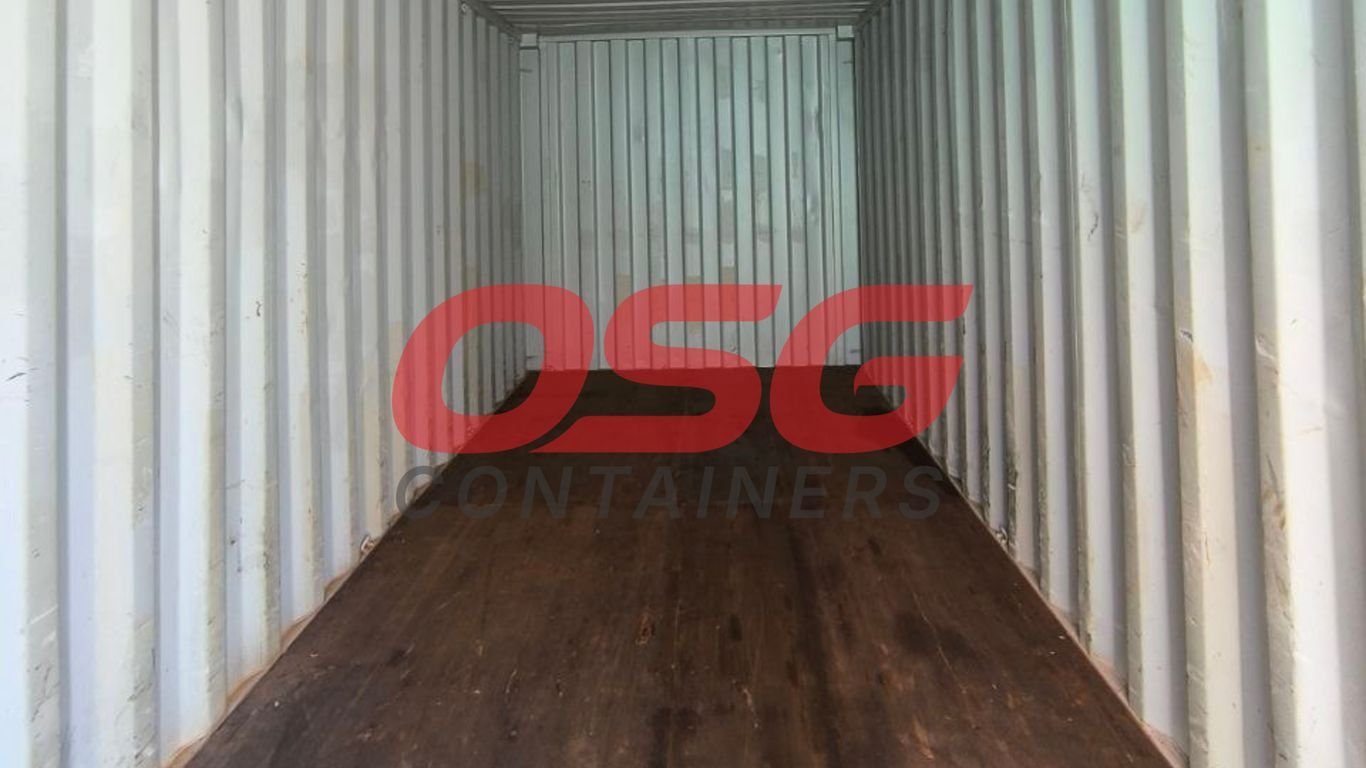
When you think about shipping containers, you probably picture them on a big boat or a train. And yeah, that’s a lot of what they do. But these big metal boxes, especially the 40 feet ones, are way more useful than just hauling stuff from point A to point B. People overlook how versatile a container 40 feet can really be. They’re not just for shipping; they can be storage, workshops, even homes. Let’s talk about what most folks miss about these giants.
Key Takeaways
- A 40 feet container is a large, sturdy metal box primarily used for transporting goods globally, but its utility extends far beyond that.
- These containers offer substantial storage space and robust security, making them ideal for both shipping and on-site storage needs.
- Beyond simple storage, 40 ft containers can be modified for various uses, including workshops, offices, and even living spaces.
- When choosing a 40 feet container, consider options like High Cube for extra height, and decide between buying new or used based on budget and needs.
- The cost of a container 40 feet is influenced by factors such as whether you buy or rent, its condition (new vs. used), and delivery location.
Understanding the 40 Feet Container
What is a 40 ft Shipping Container?
So, what exactly is a 40 foot container? Think of it as a big, sturdy metal box, usually made of steel, designed to haul all sorts of stuff across the globe. These aren’t just any old boxes; they’re built to be stacked high on ships, loaded onto trains, and trucked around without much fuss. They’re a pretty standard sight in the shipping world, and for good reason. A typical 40 footer container measures about 40 feet long, 8 feet wide, and stands 8.5 feet tall. It’s this size that makes the 40 foot container so popular for moving large quantities of goods.
Key Dimensions of a 40 ft Container
When you’re looking at 40 foot containers, the dimensions are pretty important, especially if you’re planning to use one for storage or a custom project. There are two main types you’ll run into: the standard and the high cube. The width stays the same at 8 feet for both.
- Standard 40 ft Container: This one is about 8 feet 6 inches tall on the outside. Inside, you’re looking at roughly 7 feet 10 inches of headroom.
- 40 ft High Cube Container: This is where things get interesting. The high cube version adds an extra foot of height, making it 9 feet 6 inches tall externally. This translates to about 8 feet 10 inches of interior headroom. That extra foot can make a surprising difference, especially if you’re converting it into a living space or workshop.
Here’s a quick look:
| Type | Exterior Height | Interior Height |
|---|---|---|
| Standard | 8′ 6" | 7′ 10" |
| High Cube | 9′ 6" | 8′ 10" |
While the height varies, the maximum weight capacity for both types of 40 foot containers is generally the same, around 67,200 lbs. So, you can pack a lot in, but keep an eye on the weight limits.
Choosing between a standard and a high cube 40 footer container often comes down to what you plan to do with it. For simple storage, a standard might be fine. But if you need that extra bit of vertical space, the high cube is usually the way to go.
Maximizing Space and Security with a 40 ft Container
Abundant Storage Capacity
When you’re looking at a 40-foot container, the first thing that hits you is just how much room there is. Seriously, it’s a lot. This isn’t just about fitting more stuff; it’s about making your shipping or storage costs go down. Think about it: instead of using two 20-foot containers, you can often get the same job done with just one 40-footer. That means less handling, less paperwork, and usually, a better price per cubic foot. It’s a smart move if you’ve got a big inventory or a lot of personal belongings to move.
Robust Protection for Your Goods
These containers aren’t just big metal boxes; they’re built tough. Made from strong steel, they’re designed to withstand pretty much anything the elements can throw at them – rain, wind, sun, you name it. Plus, they’re pretty secure. The doors lock down tight, making it really hard for anyone to get in and mess with your stuff. This is super important whether you’re shipping valuable goods across the ocean or just storing equipment on a job site. You can rest a bit easier knowing your items are protected from both weather damage and theft.
Efficient Packing Strategies
Just because you have a lot of space doesn’t mean you should just toss things in haphazardly. To really get the most out of your 40-foot container, you need a plan. Think about how you can stack items safely, use the full height (especially if you have a High Cube model), and fill in those awkward gaps.
Here are a few ideas to get you started:
- Weight Distribution: Put heavier items on the bottom and towards the center of the container. This keeps it stable during transport.
- Vertical Space: Don’t be afraid to stack, but make sure things are secured. Use shelving or straps if needed.
- Filling Gaps: Use packing materials like blankets, bubble wrap, or even smaller boxes to fill any empty spaces. This stops things from shifting around.
- Organization: Label boxes clearly and keep a list of what’s inside. It’ll save you a headache later when you need to find something specific.
Packing smart means you can fit more in, reduce the risk of damage, and make unloading way easier. It’s all about being a bit strategic before you start loading.
It might seem like a lot of work upfront, but taking the time to pack efficiently can save you a ton of hassle and potential costs down the road. It’s the difference between a smooth move and a chaotic mess.
Versatile Applications of 40 ft Shipping Containers
Beyond Shipping: Storage Solutions
Sure, these big metal boxes are built for the long haul across oceans, but their usefulness doesn’t stop when they reach the dock. A 40-foot container is a fantastic, secure place to stash your stuff right where you need it. Think about construction sites needing a place for tools and materials, or businesses that need extra inventory space without building a whole new warehouse. They’re weather-resistant and tough, offering solid protection against the elements and, let’s be honest, sticky fingers. Plus, they’re surprisingly easy to move around with the right equipment, making them a flexible option for temporary or long-term storage needs.
Transforming into Usable Spaces
This is where things get really interesting. People are taking these containers and turning them into all sorts of functional spaces. We’re talking about pop-up shops that can be set up and taken down pretty quickly, mobile offices for remote work sites, or even extra classrooms for schools. Some folks even get creative and build homes or studios out of them. The basic structure is strong and modular, which means you can connect multiple containers to create larger layouts. It’s a pretty neat way to get a custom space without the usual construction headaches.
Custom Projects and Mobile Units
Beyond the common uses, 40-foot containers are the starting point for some truly unique projects. Need a mobile workshop that can travel with your crew? A 40-footer can be outfitted with workbenches, power, and lighting. How about a temporary medical clinic or a disaster relief station? Their durability and transportability make them ideal. You can also see them used as event stages, art installations, or even specialized agricultural setups. The possibilities really are limited only by imagination and a bit of engineering know-how.
Here are a few ideas that show just how adaptable they are:
- Temporary Offices: Set up a professional workspace on any job site.
- Retail Kiosks: Create unique pop-up shops for events or seasonal sales.
- Workshops: Outfit them with tools and equipment for on-site repairs or fabrication.
- Storage Hubs: Use them for overflow inventory, equipment storage, or personal belongings.
- Event Facilities: Think bars, ticket booths, or information centers at festivals.
When you look at a 40-foot container, don’t just see a box for shipping. See a blank canvas for storage, a building block for a new space, or the foundation for a mobile solution. Their robust nature and standard dimensions make them incredibly adaptable for a wide range of practical applications that go far beyond their original purpose.
Choosing the Right 40 ft Container Type
So, you’re looking at a 40 ft container, which is a solid choice for a lot of reasons. But did you know there’s more than just one kind? It’s not a one-size-fits-all situation, and picking the wrong one could mean you’re not getting the most out of your space or your money. Let’s break down the main differences so you can make a smart decision.
Standard vs. High Cube: The Height Difference
The biggest difference you’ll find between a standard 40 ft container and a "High Cube" version is the height. Both are the same length and width, but the High Cube gives you an extra foot of vertical space. Think of it like this: a standard 40 ft container is about 8.5 feet tall on the outside, while a High Cube is 9.5 feet tall. This might not sound like much, but it adds up.
Impact of Height on Usable Space
That extra foot of height in a High Cube 40 ft container translates to a significant amount of extra storage. We’re talking over 300 cubic feet more space. This can be a game-changer if you’re storing bulky items or if you plan to convert the container into something like an office or workshop. That extra headroom makes a big difference in how spacious it feels.
Here’s a quick look at the dimensions:
| Type | Exterior Height | Interior Height |
|---|---|---|
| 40 ft Standard | 8′ 6" | 7′ 10" |
| 40 ft High Cube | 9′ 6" | 8′ 10" |
Specialty Container Options
Beyond the standard and High Cube, there are other types of 40 ft containers designed for specific needs. These might include:
- Open Top Containers: These have a removable roof, making it easier to load tall items from above.
- Flat Rack Containers: These are basically a platform with collapsible sides, perfect for oversized cargo that won’t fit in a standard box.
- Refrigerated (Reefer) Containers: If you’re shipping temperature-sensitive goods, these come with built-in refrigeration units.
When you’re choosing a 40 ft container, think about what you’ll actually be putting inside and how you plan to use it. The extra height of a High Cube can be really useful, but it might also cost a bit more. For most general storage and shipping, a standard 40 ft container does the job just fine. But if you’re getting creative with conversions or have oddly shaped items, that extra foot could be worth it.
Factors Influencing 40 ft Container Costs
So, you’re looking into getting a 40-foot container, huh? It’s a big decision, and the price tag can swing quite a bit. It’s not just about the sticker price you see online; there are a few things that really tweak the final number. Let’s break down what goes into it.
Buying Versus Renting Considerations
This is probably the first big fork in the road. Buying a container outright means a larger upfront cost, but over time, if you plan to use it for a long while, it can be more economical. Renting, on the other hand, has a lower initial cost and offers flexibility if your needs change. You’ll pay a monthly fee, and it’s great for short-term projects or if you’re not sure how long you’ll need it. The long-term commitment is the key difference here.
New Versus Used Container Value
Just like cars, containers come in new (one-trip) and used conditions. A new container will cost more, but you know its history – which is none! It’ll be in pristine condition, ready for anything. Used containers are cheaper, but you need to be a bit more careful. They might have dents, rust spots, or previous cargo smells. However, a good quality used container can be a fantastic deal, especially if you’re just using it for basic storage.
Here’s a rough idea of what you might see:
| Condition | Typical Price Range (USD) |
|---|---|
| New (One-Trip) | $3,500 – $5,000+ |
| Used (WWT – Wind and Watertight) | $2,000 – $3,500+ |
| Used (Cargo Worthy) | $1,800 – $3,000+ |
Note: Prices are estimates and can vary widely.
Geographic Location and Delivery Expenses
Where you are matters. Containers are often cheaper closer to major shipping ports because that’s where the supply is highest. Think coastal cities. If you’re inland, you’ll likely pay more for the container itself and definitely more for delivery. Delivery costs are usually calculated by mileage from the depot. So, the further away you are, the more you’ll shell out for transport. It’s always a good idea to factor in delivery costs before you fall in love with a container’s price.
Don’t just look at the container’s price tag. The total cost includes getting it to your doorstep. Sometimes, a slightly more expensive container closer to you can end up being cheaper overall once delivery is factored in.
Enhancing Your 40 ft Container Investment
So, you’ve got your 40-foot container, maybe for storage, maybe for a project. That’s great! But just having the container is only half the story. There are ways to make it work better for you, whether that’s adding stuff to it or just making sure you got a good one in the first place. It’s not just about the big metal box; it’s about what you do with it and how you got it.
Customization and Added Accessories
Think of your container like a blank canvas. You can add things to make it more useful. Need better lighting inside? Easy. Want to add shelves for better organization? Totally doable. Maybe you need a more secure lock or a ramp for easier loading. These additions can really change how you use the container.
- Shelving Units: Great for organizing smaller items and making the most of vertical space.
- Ventilation Systems: Important if you’re storing sensitive materials or using it as a workspace.
- Ramps and Door Modifications: Makes access much simpler, especially for rolling equipment.
- Security Upgrades: Extra locks, reinforced doors, or alarm systems for peace of mind.
Prioritizing Container Quality
When you’re looking at containers, especially used ones, quality matters. You don’t want something that’s falling apart or has hidden rust issues. Checking the container’s condition thoroughly before you buy or rent is super important. Look for dents, rust spots, and check the doors and seals. A little wear is fine, but major damage can be a headache later.
Here’s a quick rundown of what to look for:
- Structural Integrity: Check the frame and corners for any signs of damage or weakness.
- Floor Condition: Make sure the flooring (usually plywood) is solid and not rotten.
- Door Operation: Test the doors to see if they open and close smoothly.
- Water Tightness: Look for any leaks or signs of water damage inside.
Understanding Container Classifications
Not all containers are created equal, even if they look similar. They often get classified based on their condition. Knowing these classifications helps you understand what you’re getting and what price is fair.
- New (One-Trip): These have only made one trip from the factory. They’re in excellent condition, almost like new.
- Cargo Worthy (CW): These are used containers that have been inspected and are deemed fit for shipping. They’ll have more wear and tear than new ones.
- Wind and Watertight (WWT): These are older containers that are still sealed against the elements, but might have more cosmetic issues or dents.
- As-Is: These are sold for the lowest price and might have significant damage. Best for projects where appearance isn’t a big deal and you’re prepared for repairs.
Choosing the right classification means you’re setting realistic expectations for the container’s appearance and durability. It’s about matching the container’s state to your specific needs and budget, avoiding surprises down the road.
Wrapping It Up
So, we’ve gone over a lot about these big metal boxes. They’re not just for shipping stuff across the ocean, you know. Whether you need to move a ton of goods, find a solid place to store things long-term, or even get creative with a custom project like a backyard office or a pop-up shop, the 40-foot container is a pretty solid choice. They offer a lot of space, keep your belongings safe, and can be way more affordable than you might think, especially when you compare them to using multiple smaller containers. Thinking about a 40-footer is a smart move if you’re looking to make your storage or transport needs simpler and more cost-effective. It’s a versatile tool that really gets the job done.
Frequently Asked Questions
What exactly is a 40-foot shipping container?
Think of a 40-foot shipping container as a giant, super-strong metal box. It’s designed to be moved easily by ships, trains, and trucks, making it perfect for sending lots of stuff all over the world. They’re a common sight in shipping because they can carry so much at once.
How much stuff can actually fit inside a 40-foot container?
These containers offer a huge amount of space! They are much bigger than the smaller 20-foot ones, so you can pack a lot more items inside. This is great for businesses that need to ship large quantities of goods without having to use many smaller containers.
Are 40-foot containers only used for shipping things overseas?
Not at all! While they are famous for shipping, people use them for all sorts of things. They make excellent storage units for businesses or even for personal use. Some people even turn them into cool, custom spaces like offices, workshops, or small homes.
What’s the difference between a ‘Standard’ and a ‘High Cube’ 40-foot container?
The main difference is just one foot in height. A ‘High Cube’ container is about a foot taller than a ‘Standard’ one. This extra height gives you more room inside, which can make a big difference if you’re using it as a living space or a workshop where you need more headroom.
Is it better to buy a new container or a used one?
It really depends on what you need and your budget. New containers are in perfect shape and will last a long time, but they cost more. Used containers are cheaper and still very strong and safe, even if they have a few dents or scratches. They’re a great option if you just need a solid place to store things.
Does it cost more to get a container delivered to my location?
Yes, delivery costs can definitely add up. The price often depends on how far away you are from where the container is stored. It’s important to ask about delivery fees when you’re comparing prices, as it’s part of the total cost of getting your container.