Singapore
 Australia
 Indonesia
 Japan
Japan Malaysia
 New Zealand
 Philippines
 South Korea
 Taiwan
 Thailand
 VIETNAM
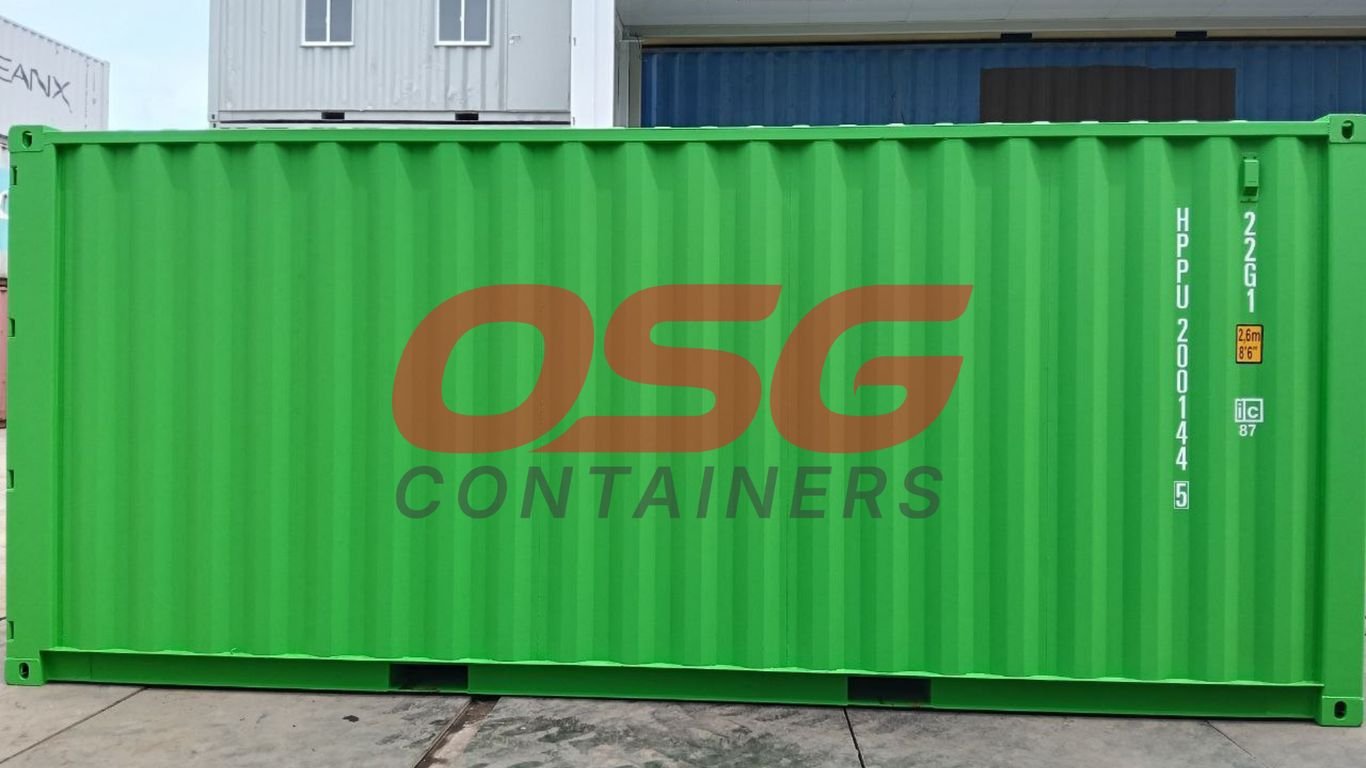
So, you’re thinking about a 20 feet container and wondering if it’s really worth the investment over the long haul. It’s easy to see them just as big metal boxes for stuff, but honestly, they’re way more than that. These things are built tough, can be used for all sorts of projects, and actually hold their value. Let’s break down why a container 20 feet is a solid choice for the long run.
Key Takeaways
- The tough Corten steel used in a 20 feet container means it can handle bad weather and resist rust, lasting for ages with hardly any upkeep.
- You can use a container 20 feet for pretty much anything – from simple storage to building unique shops or even homes. They’re super adaptable.
- These containers are built like tanks. They come with strong locks, and you can even add more security if you need to keep your stuff extra safe.
- Buying a container 20 feet is often cheaper over time than renting storage. Plus, they keep their value, so you can sell it later.
- A container 20 feet is a standard size worldwide, making it easy to move around and recognized everywhere, which is great for transport and resale.
The Enduring Strength of Corten Steel
When you’re looking at a 20-foot container, one of the first things that stands out is just how tough it is. That’s largely thanks to the material it’s made from: Corten steel. You might have heard of it, or maybe you’ve seen structures made from it that have that cool, rusty-looking patina. But that ‘rust’ is actually a protective layer that forms over time.
Weather Resistance for Longevity
Corten steel, also known as weathering steel, is designed to handle the elements. Unlike regular steel that would just keep rusting away, Corten steel forms a stable, rust-like appearance after exposure to weather. This outer layer acts like a shield, preventing deeper corrosion. This means your container can sit outside through rain, snow, and sun for years without falling apart. It’s built to last, which is a big deal if you need storage that won’t give you headaches down the road.
Corrosion Protection for Durability
That protective layer we talked about? It’s pretty amazing. It seals the steel and stops it from degrading further. Think of it like a natural armor. This makes containers incredibly durable, able to withstand harsh conditions like salty air near the coast or humid environments without significant damage. This resistance to corrosion is key to why these containers have such a long lifespan, often lasting decades with basic care.
Minimal Maintenance Requirements
Because Corten steel is so good at protecting itself, you don’t have to do a whole lot to keep these containers in shape. You won’t be spending weekends painting or treating them to prevent rust. A quick wash now and then might be all that’s needed. This low-maintenance aspect is a huge plus, saving you time and money over the years. It just sits there, doing its job, looking after your stuff without demanding much attention.
The inherent strength and self-protecting nature of Corten steel mean these containers are a set-it-and-forget-it kind of asset for many users. They are engineered for the long haul, reducing the need for constant upkeep and worry.
Unmatched Versatility in Application
Adaptable Storage Solutions
Forget just hauling cargo. These 20-foot containers are like blank canvases for storage needs. Need a place to stash seasonal gear at home? Done. Running a small business and need extra inventory space that isn’t costing an arm and a leg in rent? Easy. Construction sites often use them to keep tools and materials safe from the elements and sticky fingers. They’re pretty much the go-to for anyone needing a secure, no-fuss storage spot that can be placed just about anywhere.
- Homeowners: Storing lawn equipment, holiday decorations, or even classic cars.
- Small Businesses: Keeping excess inventory, supplies, or equipment.
- Construction Sites: Protecting tools, materials, and machinery.
- Event Organizers: Setting up temporary booths, storage for equipment, or even first-aid stations.
Repurposing for Commercial Use
This is where things get really interesting. People are taking these containers and turning them into all sorts of commercial spaces. Think pop-up shops at festivals, mobile cafes, or even small, efficient office spaces for remote teams. They’re surprisingly easy to modify – you can add windows, doors, insulation, and even plumbing. The modular nature means you can even link them together to create larger structures. It’s a cost-effective way to get a physical presence without the huge overhead of traditional buildings.
| Original Use | Repurposed Use |
|---|---|
| Cargo | Retail Shop |
| Cargo | Coffee Stand |
| Cargo | Office Space |
| Cargo | Workshop |
Creative Personal Projects
Beyond storage and business, people are getting super creative with these containers for personal use. I’ve seen them turned into backyard studios for artists, home gyms, or even extra living space for guests. Some folks even use them as a base for off-grid living setups. It’s a way to add functional space to your property without a massive construction project. Plus, they have a certain industrial-chic look that appeals to a lot of people.
The beauty of a 20-foot container lies in its simplicity and strength, allowing for a wide range of modifications that cater to individual needs and creative visions. It’s a sturdy foundation for almost any idea you can dream up.
- Art Studio
- Home Office
- Guest House
- Workshop
- Home Gym
Security Features for Peace of Mind
When you’re thinking about storing your stuff, whether it’s business inventory or personal belongings, keeping it safe is probably high on your list. That’s where the 20-foot container really shines. These things are built tough, and that toughness translates directly into security.
Robust Steel Construction
The basic structure of a shipping container is its first line of defense. Made from thick, corrugated steel, they’re designed to withstand pretty harsh conditions during shipping. This means they’re not exactly easy to break into. Forget flimsy sheds or flimsy storage units; a container is a solid metal box that takes serious effort to breach. This inherent strength is a major deterrent to casual theft.
Advanced Locking Mechanisms
It’s not just the steel walls. Most 20-foot containers come equipped with pretty serious locking systems. You’ll typically find heavy-duty locking bars that slide into place, securing the doors. Often, there’s also a reinforced lock box welded onto the doors, which makes it much harder for someone to tamper with your padlock. Think of it like a built-in security system before you even add anything extra.
Here’s a quick look at what you might find:
- Multiple Locking Bars: Usually 3 or 4, spread across the doors for better security.
- Lock Box: A metal enclosure protecting the padlock from bolt cutters.
- Heavy-Duty Padlock: Often included or recommended, designed to resist tampering.
Options for Enhanced Security
While the standard features are good, you can always add more if you need it. For really valuable items or sensitive materials, there are ways to beef up security even further. You could look into specialized high-security locks, or even integrate alarm systems that can alert you if someone tries to get in. Some people even install basic surveillance cameras around their container. It really depends on what you’re storing and how much protection you feel you need.
The solid construction and multiple layers of security mean you can store items with a lot more confidence. It’s not just about keeping the rain out; it’s about keeping unwanted visitors out too.
Economic Advantages Over Time
When you look at the long game, a 20-foot container really starts to shine. It’s not just about having a place to put stuff; it’s about making a smart financial move that pays off down the road. Think of it less like a one-time purchase and more like acquiring an asset that holds its value.
Predictable Ownership Costs
Buying a container means you know what you’re getting into cost-wise. You’ve got the initial price, sure, and delivery. Maybe a bit extra for some shelving or insulation if you need it. But after that? The ongoing costs are pretty much zero. No monthly rental fees eating away at your budget. It’s a one-time investment that provides a stable, predictable expense line, unlike renting which can keep going up.
Long-Term Value Retention
This is where containers really win. Unlike a shed that might rot or a rented unit that just disappears when you stop paying, a shipping container keeps its worth. Even after a decade of use, a well-cared-for container can still fetch a decent price on the resale market. This means your initial outlay isn’t just gone; it’s an investment that depreciates much slower than many alternatives.
Here’s a rough idea of how things stack up over the years:
| Option | Upfront Cost | Maintenance | Lifespan (Years) | Resale Value | Long-Term Benefit |
|---|---|---|---|---|---|
| Renting | Low | N/A | Limited | None | Low |
| Used Container | Moderate | Higher | 10-15 | Moderate | Moderate |
| New Container (Basic) | Moderate-High | Low | 25-30 | High | High |
Resale Potential
So, what happens when you’re done with your container, or your needs change? You don’t just have to get rid of it. Because they’re built tough and are universally recognized, there’s a solid market for used shipping containers. People are always looking for affordable storage or building materials. Selling it means you recoup a good chunk of your original investment, making the total cost of ownership significantly lower than if you had rented or bought something that depreciates quickly.
Renting might seem easy at first, but those monthly payments add up fast. Over five years, you could easily spend thousands without owning anything. Plus, you have to factor in the time and gas spent driving to an off-site storage unit. When you buy a container, you build equity and keep your belongings secure and accessible right on your property. It’s a much more financially sound approach for the long haul.
The 20 Feet Container as a Smart Investment
Building Equity Through Ownership
Buying a 20 footer container isn’t just about getting a place to store stuff; it’s about building something tangible. Unlike renting storage space where your money just disappears, owning a container means you’re putting cash into an asset. Over time, this asset can hold its value, and in some cases, even increase. Think of it like buying a piece of property – it’s yours. This is a big difference compared to the endless payments of a rental agreement, which never adds up to ownership.
Cost-Effectiveness Compared to Renting
Let’s talk numbers for a second. Renting storage can seem easy at first, but those monthly fees add up fast. Over several years, you could easily spend more than the cost of buying a container outright. A container 20 ft offers a fixed cost. You buy it once, and then it’s yours. This predictability is a huge plus, especially when you’re trying to budget. While a 40ft container might offer more space, the 20-foot option is often more budget-friendly for smaller needs, making it a smart entry point.
A Foundation for Future Needs
What’s great about owning a container is its flexibility. Today, you might need it for extra inventory for your business. Tomorrow, it could become a workshop, a garden shed, or even part of a larger structure. The initial investment in a container 20 ft opens up a lot of possibilities down the road. It’s a sturdy, reliable base that you can adapt as your requirements change, unlike a rental that locks you into a specific space and terms. This adaptability means your investment continues to serve you, year after year.
Here’s a quick look at why owning makes sense:
- Predictable Costs: One-time purchase versus ongoing rental fees.
- Asset Building: You own a physical asset that retains value.
- Flexibility: Adaptable for various uses as your needs evolve.
- Control: You decide how and when to use your space.
When you compare the long-term financial picture, buying a container often comes out ahead. It’s a practical way to secure storage space while also making a sound financial decision that benefits you for years to come. It’s a stark contrast to the temporary nature of renting, which offers no equity.
Global Standard for Storage and Transport
Industry-Standard Dimensions
The 20-foot container is the workhorse of global logistics, and a big reason for that is its standardized size. We’re talking about a box that measures 20 feet long, 8 feet wide, and 8.5 feet tall. This consistent sizing means it fits pretty much anywhere it needs to go, from the deck of a massive cargo ship to the back of a standard truck or train car. It’s like the "one size fits all" of the shipping world, making it incredibly easy to move goods around the planet without a lot of fuss.
Worldwide Recognition and Use
Because everyone uses the same dimensions, these containers are recognized and accepted everywhere. You see them stacked up in ports all over the world, and they’re used by countless industries for all sorts of things. This widespread adoption means you can easily find them, buy them, sell them, or rent them pretty much anywhere you need them. It’s this global network that makes them so reliable for both moving stuff and storing it.
Ease of Relocation
Need to move your storage? No problem. Since the 20-foot container is a standard size, relocating it is usually straightforward. Most standard heavy-duty trucks, cranes, and forklifts are designed to handle them. This makes them super flexible whether you’re moving a business, setting up a temporary site, or just need to shift your stored items to a new location. You’re not tied down to one spot.
The beauty of the 20-foot container lies in its universal acceptance. Its dimensions are a globally understood language for logistics, simplifying everything from shipping schedules to on-site placement. This standardization cuts down on confusion and speeds up operations, making it a truly practical choice for anyone dealing with goods.
Here’s a quick look at the typical interior space:
| Feature | Measurement |
|---|---|
| Internal Volume | Approx. 1,172 cu ft |
| Max Payload | Around 28,000 lbs |
| Tare Weight | Approx. 5,000 lbs |
The Bottom Line: A Smart Investment
So, when you look at it all, the 20-foot container really does stack up as a solid choice. It’s not just a metal box; it’s a tough, adaptable piece of equipment that can serve so many different purposes. Whether you need to store stuff, build something new, or just have a secure spot for your tools, these containers hold their own. Plus, the fact that they last ages and don’t lose a ton of value means you’re not just spending money, you’re investing it. It’s a practical solution that makes sense for the long haul, plain and simple.
Frequently Asked Questions
What makes a 20-foot container last so long?
These containers are built tough using a special kind of steel called Corten steel. This steel is great at fighting off rust and can handle all sorts of weather, like rain, wind, and sun, without falling apart easily. Because they don’t rust much and don’t need a lot of fixing up, they can be used for many, many years.
Can I use a 20-foot container for more than just storage?
Absolutely! People use these containers for all sorts of things. You can turn them into cool backyard offices, extra rooms, small shops, or even art studios. They’re like a blank canvas that you can change to fit whatever you need, whether it’s for your home or a business.
Are 20-foot containers safe for my stuff?
Yes, they are very secure. They’re made of strong steel, which makes them hard to break into. Most of them also come with strong locks and bars to keep thieves out. If you need even more protection, you can add extra security features.
Is buying a container cheaper than renting storage space over time?
In the long run, buying a container is usually a smarter financial move. Renting storage means you pay money every month that you never get back. When you buy a container, you own it. After a few years, it often ends up costing less than renting, and you can even sell it later.
What does it mean for a container to be a ‘long-term asset’?
A long-term asset is something you own that keeps its value or even increases over time. A 20-foot container is like that because it’s built to last for decades, doesn’t need much upkeep, and you can often sell it for a good price when you’re done with it. It’s an investment, not just a temporary fix.
Are these containers easy to move around?
Yes! They are designed to be moved easily by special trucks, trains, and ships. This means you can put one on your property, and if you ever need to move it to a new location, it’s not a huge problem. They are a standard size all over the world, so moving them is pretty straightforward.