Singapore
 Australia
 Indonesia
 Japan
Japan Malaysia
 New Zealand
 Philippines
 South Korea
 Taiwan
 Thailand
 VIETNAM
Thinking about getting a custom container built? It’s a smart move if you need something specific for your business or project. But before you jump in and start talking to builders, there are a few things you really need to sort out. Getting these details clear upfront can save you a lot of headaches, time, and money down the road. It’s all about making sure the custom container you end up with actually does what you need it to do, without any surprises.
Key Takeaways
- Figure out exactly what the custom container will be used for. Is it for storing things, moving them, or something else entirely? Knowing the main job it needs to do is step one.
- Think about the shape, size, and any special features you might need. Does it need shelves, specific flooring, or maybe to fit into a tight spot? Plan out the design details.
- Where will this custom container live? Consider the location, how easy it will be to get it there, and if the ground can handle its weight. Site prep is important.
- What’s your budget? Be upfront about how much you can spend. Also, think about if you need insulation, refrigeration, or stronger walls, and how that fits into your budget.
- Check local rules and get any necessary permits. You don’t want to start building only to find out you needed official permission first.
Define The Purpose Of Your Custom Container
Before you even start looking at different types of steel or door hinges, you really need to get clear on why you need a custom container in the first place. What job is this customised container going to do for you? Is it for storing large equipment, setting up a temporary workspace on a job site, or maybe creating a unique pop-up shop? Pinpointing the main function is the very first step. Think about what a standard container just can’t handle for your current needs. Maybe you’re tired of items shifting around during transport, or you need a specific environment inside. Getting this part sorted will guide every other choice you make. It’s about making sure your customised container is actually useful, not just another metal box.
Clarify The Primary Function
This is the core question. What problem are you trying to solve with a custom container? Knowing this will dictate everything from the materials used to the internal layout. For example, if you need to store sensitive electronics, you’ll need to think about climate control and vibration dampening. If it’s for housing tools and machinery on a remote site, durability and security will be top priorities. Don’t just think about what it will hold, but also how it will be used day-to-day.
Determine If Usage Is Temporary Or Permanent
This might seem straightforward, but it significantly impacts the build. If you need a temporary setup, perhaps for a construction project lasting only a few months, you might choose simpler modifications. However, if this customised container is intended to be a long-term solution – maybe a permanent office space, a secure storage facility, or even a small dwelling – you’ll want to invest in more robust features. Longevity, weather resistance, and ease of maintenance become much bigger factors for permanent installations. It’s a balance between initial cost and long-term value.
Identify Specific Material Handling Needs
How will items get into and out of your container? This is a big detail that often gets overlooked. Consider the size and weight of what you’ll be moving. Do you need reinforced flooring to support heavy machinery? Perhaps special ramps or even a built-in lifting system? Maybe you’re dealing with delicate items that require specific loading procedures to prevent damage. Thinking about forklifts, pallet jacks, or even manual labor will help you specify the right features for your creative container. It’s all about making the workflow as smooth as possible.
| Item Type | Weight (lbs) | Size (LxWxH) | Handling Method |
|---|---|---|---|
| Heavy Machinery | 10,000+ | Varies | Forklift, Crane |
| Palletized Goods | 2,000 | 40"x48"x60" | Pallet Jack, Forklift |
| Smaller Parts | <50 | Varies | Manual, Conveyor |
Understanding how you’ll interact with the container’s contents is key. This includes not just loading and unloading, but also how you’ll access items once they are inside. Think about workflow efficiency and safety.
Plan The Structural And Functional Design
Once you’ve got a clear idea of what your custom container needs to do, it’s time to think about how it’s actually going to be built and work. This is where we get into the nitty-gritty of making sure the structure is sound and the features are practical for your specific use.
Consider Unique Shape Requirements
Standard shipping containers are, well, standard rectangles. But maybe your project needs something a little different. Do you need a container that’s longer, shorter, or perhaps has specific cutouts for equipment or access points? Sometimes, combining multiple containers can create more complex shapes, like L-shapes or U-shapes, which might be perfect for a unique workspace or living area. It’s important to visualize how the container’s form will support its function. Think about how people or things will move around inside and if the basic box shape is truly the best fit, or if some modifications to the overall dimensions or configuration are needed.
Incorporate Necessary Features Like Shelving Or Flooring
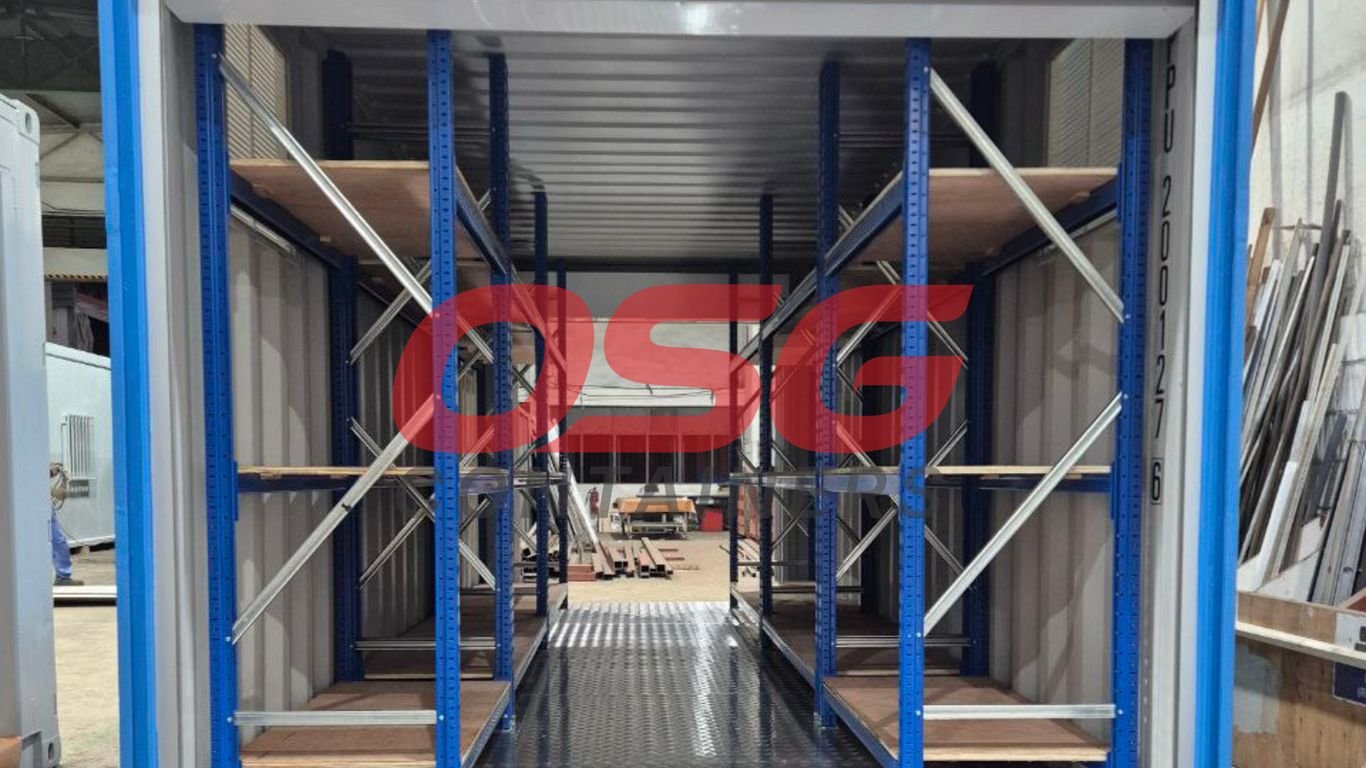
This is where you really customize the interior. What kind of shelving do you need? Are we talking heavy-duty racks for industrial parts, or lighter shelves for office supplies? What about the floor? A standard container floor might be okay for some things, but if you’re moving heavy machinery, you’ll want reinforced flooring. Maybe you need a specific type of material, like non-slip or easy-to-clean surfaces. Don’t forget about things like ventilation, lighting, or even plumbing if your container will house equipment that needs it. It’s all about making the inside work as hard as you need it to.
Here are some common features to consider:
- Shelving: Adjustable, fixed, heavy-duty, light-duty.
- Flooring: Plywood, epoxy coating, rubber matting, steel plating.
- Access: Standard doors, roll-up doors, personnel doors, windows.
- Utilities: Electrical outlets, lighting fixtures, HVAC vents, plumbing hookups.
Evaluate Needs For Environmental Stabilization
Will your container be sitting out in the blazing sun or freezing cold? If the contents are sensitive to temperature or humidity, you’ll need to think about insulation and climate control. This could range from simple spray foam insulation to more complex refrigerated or heated systems. Even if it’s just for comfort, like a temporary office, proper insulation makes a huge difference. We need to figure out if the environment inside the container needs to be kept stable, and if so, to what degree. This will directly impact the materials and systems we choose.
The structural integrity of your custom container is paramount. It’s not just about making it look good; it’s about making sure it can withstand the elements and the intended use over time. Thinking through these design elements now will save a lot of headaches and potential costs down the road.
Understand Modification And Material Options
So, you’ve got a container, and now you’re thinking about changing it up a bit. This is where things get interesting, and honestly, a little tricky if you don’t know what you’re doing. We’re talking about container modifications here, and there are a lot of choices to make.
Discuss Insulation And Refrigeration Needs
If your stuff needs to stay a certain temperature, this is a big one. Standard steel containers aren’t built for keeping things cool or warm. You’ll need to think about adding insulation. This isn’t just slapping some foam in there; it involves proper framing and sealing so you don’t lose all your temperature control the moment you close the door. Refrigerated containers (reefers) already have this built-in, but if you’re modifying a regular dry van, it’s a whole different ballgame. Getting insulation right is key to preventing condensation and protecting whatever you’re storing.
Explore Options For Thicker Sidewalls Or Reinforced Structures
Sometimes, a standard container just won’t cut it. Maybe you’re planning on mounting heavy equipment, or you need a structure that can handle a lot of wear and tear. In these cases, you might look into containers with thicker steel or ask about reinforcing the existing walls. This adds strength and durability, which can be important for security or if the container will be used in a demanding environment. It’s not always necessary, but it’s good to know the option exists.
Specify Desired Flooring Materials
The floor is another area where you can customize. Most containers come with a standard wooden floor, which is tough but can wear down over time, especially with heavy traffic or moisture. You might consider options like:
- Sealed Plywood: A good middle ground, offering better protection than untreated wood.
- Rubber Flooring: Great for impact absorption and slip resistance, often used in gyms or workshops.
- Epoxy Coating: Creates a durable, easy-to-clean surface that can withstand chemicals and heavy loads.
- Steel Flooring: For extreme durability, though it can be heavier and more expensive.
Choosing the right flooring depends a lot on what you’ll be doing inside the container. Think about spills, heavy machinery, or just how much foot traffic it will get. A little planning here can save you a lot of headaches later on.
Remember, shipping containers have a monocoque body where the panels, floor, and frame form an integrated structural skin. When you cut into them or remove paneling, their structural integrity can be compromised. Always discuss significant modifications with your builder or a structural engineer to ensure the container remains sound.
Establish Project Scope And Budget
Alright, let’s talk about the nitty-gritty: money and what you actually want to get done. Before you get too far down the road with fancy designs, you really need to get a handle on your budget and what’s most important for your custom container project. It’s easy to get carried away with all the possibilities, but a clear scope and budget are your anchors.
Communicate Your Budgetary Constraints Early
This is probably the most important thing you can do right off the bat. Don’t wait until the design is almost finished to mention how much you can spend. Your builder or designer needs to know your financial limits from the start. This helps them steer you towards realistic options and avoid wasting time on ideas that are way out of reach. Think of it like planning a road trip – you wouldn’t start driving without knowing how much gas money you have, right?
Discuss What’s Most Important
Once you’ve got a budget in mind, figure out your priorities. What are the absolute must-haves for your container project? Is it a specific look, a certain level of insulation, or maybe a particular layout? Knowing your top priorities helps the design team focus their efforts and find the best solutions within your budget. It’s about making smart trade-offs.
Here’s a quick way to think about it:
- Must-Haves: These are the non-negotiables. The things your project absolutely cannot function without.
- Nice-to-Haves: These would be great if the budget allows, but the project can still succeed without them.
- Dream Features: These are the ‘wouldn’t it be cool if…’ items that are likely outside the current budget but good to keep in mind for the future.
Ask About Different Tiers Of Options
Most custom projects have different levels of quality or complexity, and these come with different price tags. Don’t be afraid to ask your builder or designer about these tiers. They might have a "good, better, best" kind of setup for things like materials, finishes, or structural reinforcements. Understanding these options helps you make informed decisions about where to spend your money to get the most bang for your buck.
For example, consider these common areas where tiers can apply:
| Feature | Basic Tier | Mid-Tier | Premium Tier |
|---|---|---|---|
| Insulation | Standard Fiberglass | Spray Foam | High-R Value Panels |
| Flooring | Vinyl Composite | LVT | Polished Concrete |
| Exterior Cladding | Painted Steel | Wood Siding | Composite Panels |
| Window Quality | Single Pane | Double Pane | Triple Pane, Low-E |
Being upfront about your budget and priorities from the very beginning is the best way to ensure your custom container project stays on track and meets your expectations without any nasty financial surprises down the line. It sets a realistic tone for the entire process.
Prepare For The Manufacturing Process
So, you’ve got your ideas all lined up and you’re ready to see them become a real thing. This is where the rubber meets the road, so to speak. Getting the manufacturing part right means making sure the people building your custom container have a crystal-clear picture of what you want. It’s not just about saying "build me a box"; it’s about the specifics that make it your box.
Provide Detailed Sketches Or Blueprints
Think of this as your container’s DNA. Even if you’re not an artist, a simple sketch can save a ton of headaches. Grab a piece of paper, a napkin, whatever works, and draw out what you’re imagining. Mark down the dimensions – length, width, height. If you need specific things like dividers, special openings, or mounting points, sketch those too. The more visual information you can give, the better. It helps the design team understand your needs without you having to use a bunch of technical terms.
- Basic Layout: Show the overall shape and size.
- Key Features: Indicate where doors, windows, shelves, or special attachments should go.
- Dimensions: Label all critical measurements clearly.
If you have access to more formal blueprints, even better. But don’t let not having them stop you from getting started. A good manufacturer can work with a range of detail levels.
Confirm Key Dimensions And Features
Once you get a quote, it usually comes with a technical drawing or a detailed description of what they plan to build. This is your last chance to catch any misunderstandings before they start cutting metal. Read through everything. Does the drawing match your sketch? Are the materials listed what you discussed? Are the dimensions correct? It’s easy to skim this stuff, especially when you’re excited to get going, but taking the time now prevents costly mistakes later. Imagine ordering a container with a specific opening size, only to find out the drawing shows it a few inches smaller. That’s the kind of thing you want to spot here.
Paperwork might not be the most exciting part, but it’s super important. The drawings, the specifications, the quote – this is the official record of your agreement. The folks on the shop floor build based on these documents. If there’s a typo, a missing detail, or a misinterpretation, it can lead to the wrong thing being built. Make sure you understand what you’re signing off on. Ask questions if anything is unclear. Getting this right upfront means your custom container will be built exactly to your specifications, saving you time, money, and frustration down the line. It’s the blueprint for success, literally.
Understand Material Specifications
This is all about making the inside of your container work for you. What kind of stuff will be going in and out? If you’re storing smaller items, you’ll probably want shelves. How many? What height? What kind of weight do they need to hold? Maybe you need a specific type of flooring – something heavy-duty that can handle forklifts, or perhaps a non-slip surface for safety. Some projects might even need specialized partitions or dividers to keep different materials separate. It’s worth thinking about how you’ll access everything too; do you need extra doors, or maybe a ramp?
| Feature | Specification |
|---|---|
| Flooring Material | Heavy-duty, non-slip, forklift-resistant |
| Shelving | Adjustable, 3 tiers, 500 lb capacity per shelf |
| Partitions | Removable, reinforced steel |
Ensure Compliance Before Construction Begins
So, you’ve got your design all figured out, your materials picked, and you’re ready to start building. Hold on just a second! Before anyone starts cutting steel or welding, we absolutely need to talk about rules and paperwork. It might not be the most exciting part of the project, but trust me, skipping this can lead to a whole heap of trouble down the road.
Research Local Building Codes
Every town, city, and county has its own set of rules about what you can and can’t build, and how you have to build it. These are your local building codes. They’re there to make sure whatever you’re putting up is safe for you, for anyone who might use it, and for the folks living nearby. Think about things like fire safety, structural integrity, and even how things are supposed to drain. You’ll want to get a copy of these codes from your local building department. Sometimes they have them online, other times you might need to go in person. It’s a bit of a scavenger hunt, but knowing these rules upfront means you won’t design something that’s a big no-no.
Secure Necessary Permits
Once you know the rules, you need to get permission to build. This usually means getting one or more permits from your local government. The process typically involves submitting your plans – those detailed sketches or blueprints we talked about earlier – to the building department. They’ll review them to make sure everything follows the codes. This can take time, and there’s usually a fee involved. Don’t even think about starting construction until you have these permits in hand. It’s like trying to drive a car without a license; you’ll get caught, and it’ll cost you way more than just the permit fee.
Understand Permit Conditions
Getting a permit isn’t always a simple ‘yes’ or ‘no’. Sometimes, the permit comes with specific conditions or requirements. Maybe they want you to have certain inspections done at particular stages of the build, or perhaps there are restrictions on when you can do noisy work. It’s really important to read the fine print on your permit. Understanding these conditions means you can plan your construction schedule accordingly and avoid any surprises or hold-ups. It’s all about making sure the project moves forward smoothly and legally.
The paperwork might seem like a drag, but it’s your best friend when it comes to avoiding costly mistakes and legal headaches. Think of it as the instruction manual for getting your project approved and built right. A little bit of effort now saves a ton of hassle later.
Wrapping It Up
So, you’ve got a good handle on what you need and how it’s going to be built. Thinking through all these details before you start talking to builders is a smart move. It really helps make sure you get exactly what you’re looking for, without any nasty surprises later on. A custom container is a big investment, and getting it right from the start means it’ll be a useful tool for your project for a long time. Don’t hesitate to ask questions – the people making it want to build something great for you, too. Good luck with your custom container project!
Frequently Asked Questions
What’s the main reason I need a custom container?
Think about what you’ll be putting inside and how you’ll use the container. Is it for storing regular items, or will it hold special equipment? Knowing the main job of your container helps decide its size, shape, and any extra features it might need. It’s like picking the right tool for a specific task – a custom container is built to do exactly what you need it to do, making your work easier and more efficient.
Do I need to know the exact size and shape before I talk to someone?
It’s super helpful if you have an idea, but don’t worry if it’s not perfect! You can start by sketching what you imagine on paper, even a napkin works. Mentioning the rough size and shape helps the experts understand your vision. They can then help you figure out the best dimensions and design to make sure it fits your needs and works well.
What if I need the container to keep things cool or warm?
No problem! You can ask for special insulation or even refrigeration systems to be built in. This is really important if you’re storing things that need a specific temperature, like certain foods or sensitive materials. Just be sure to tell them about this need early on so they can plan it into the design.
How do I figure out the cost?
It’s best to tell the company your budget right from the start. This way, they can suggest options that fit your wallet. Remember to also think about extra costs that might pop up, like delivery fees or unexpected changes. Sometimes, renting a container is an option if you only need it for a short time, which can be cheaper than buying.
What if I need to move the container around?
You’ll need to think about how you plan to move it. Will it stay in one spot, or do you need it to be moved often? You can ask for features like wheels, special hooks for trucks, or even a design that makes it easy to lift. Telling them about your moving plans helps them build it to be sturdy and easy to handle.
Do I need special permission to put a container on my property?
Yes, in most cases, you’ll need to check local rules and get the right permits before you start. This is to make sure your container follows safety and building rules. The people who build your container might be able to help you figure out what you need.