Singapore
 Australia
 Indonesia
 Japan
Japan Malaysia
 New Zealand
 Philippines
 South Korea
 Taiwan
 Thailand
 VIETNAM
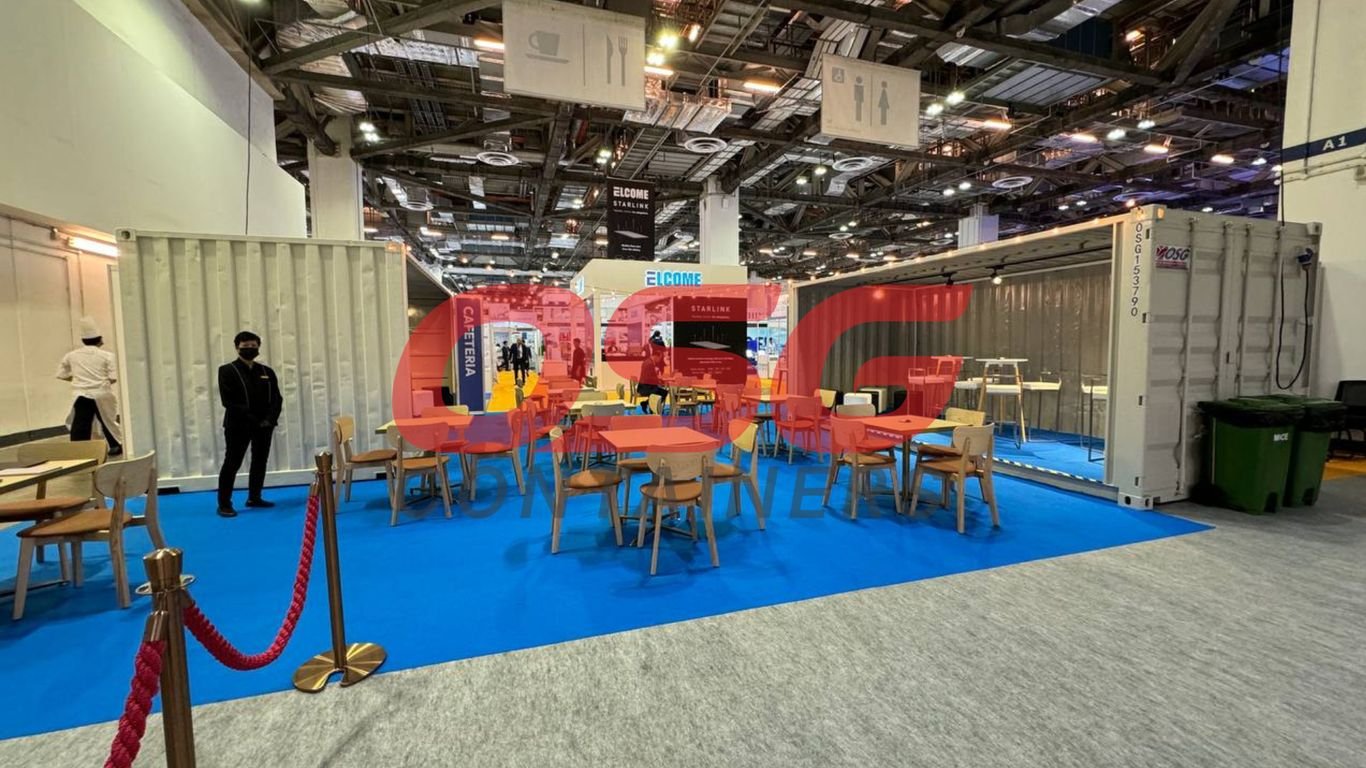
You know, it’s pretty wild how these big metal boxes, the ones that haul stuff all over the world, are now becoming actual buildings. People are taking these sturdy shells and turning them into all sorts of cool spaces – homes, offices, shops, you name it. It’s a whole new way of building that’s both practical and pretty neat. This whole custom container thing is really changing how we think about using space, especially in cities.
Key Takeaways
- Custom containers are transforming basic shipping boxes into stylish and functional spaces like homes, offices, and shops.
- Their adaptable nature allows for a wide range of uses, fitting almost any project need.
- Using custom containers is a green choice, recycling old materials and cutting down on waste.
- The process focuses on client needs, turning initial ideas into reality through tailored modifications.
- Compared to traditional building, custom containers often mean faster projects and more predictable costs.
Transforming Commercial Spaces With Custom Containers
From Basic Boxes to Architectural Marvels
It’s pretty wild when you think about it. These big metal boxes, just sitting around after hauling goods across the ocean, are now becoming actual buildings. We’re talking about turning something that’s basically just a sturdy shell into something really cool and useful. Architects and designers are getting super creative with them, making everything from tiny homes to full-on cafes. It’s amazing how these simple structures can be completely changed. They’re strong, they’re modular, and honestly, they just look pretty neat when they’re done right. It’s a whole new way of thinking about construction.
The Versatility of Custom Containers in Modern Design
These containers aren’t just for storage anymore, not by a long shot. Their real strength is how adaptable they are. You can stack them, connect them, cut windows and doors wherever you need them. This makes them perfect for all sorts of projects:
- Pop-up shops: Need a temporary retail space? A container can be set up pretty quickly.
- Office spaces: Companies are using them for on-site offices or even cool, modern headquarters.
- Cafes and restaurants: That industrial look is really popular, and containers fit right in.
- Homes: People are building full-time residences, adding insulation and all the comforts of home.
It’s this flexibility that’s making them a go-to option for architects looking for something different and practical.
A Spectrum of Uses Beyond Traditional Storage
Think about it – these containers are built tough. They’ve got to handle rough seas and being moved around a lot. That means they’re already a solid foundation for whatever you want to build. We’ve seen them used as:
- Art galleries: Providing a unique backdrop for exhibitions.
- Community centers: Offering flexible spaces for local events.
- Emergency shelters: Deployed quickly when disaster strikes.
- Classrooms: Creating adaptable learning environments.
The beauty of container design lies in its adaptability. What might seem like a limitation at first glance – the standardized size and shape – actually becomes a creative prompt. Designers and clients work together to overcome these constraints, often resulting in solutions that are both practical and surprisingly elegant. It’s a process of problem-solving that leads to unexpected and delightful outcomes.
It’s not just about building something; it’s about building something smart and interesting. The more you look into it, the more you realize how much you can do with these repurposed steel boxes.
Why Custom Containers Are Revolutionizing Functional Spaces
It’s pretty wild when you think about it. These big metal boxes, just sitting around after hauling goods across the ocean, are now becoming actual buildings. We’re talking about turning something that’s basically just a sturdy shell into something really cool and useful. Architects and designers are getting super creative with them, making everything from tiny homes to full-on cafes. It’s amazing how these simple structures can be completely changed. They’re strong, they’re modular, and honestly, they just look pretty neat when they’re done right. It’s a whole new way of thinking about construction.
Combining Industrial Strength With Stylish Design
These containers aren’t just for storage anymore, not by a long shot. Their real strength is how adaptable they are. You can stack them, connect them, cut windows and doors wherever you need them. This makes them perfect for all sorts of projects:
- Pop-up shops: Need a temporary retail space? A container can be set up pretty quickly.
- Office spaces: Companies are using them for on-site offices or even cool, modern headquarters.
- Cafes and restaurants: That industrial look is really popular, and containers fit right in.
- Homes: People are building full-time residences, adding insulation and all the comforts of home.
It’s this flexibility that’s making them a go-to option for architects looking for something different and practical. The rugged construction means they’re built to last, handling tough conditions with ease. When you combine that inherent durability with thoughtful design, you get spaces that are both stylish and incredibly robust.
Addressing Diverse Needs With Container Modification
What might seem like a limitation at first glance – the standardized size and shape – actually becomes a creative prompt. Designers and clients work together to overcome these constraints, often resulting in solutions that are both practical and surprisingly elegant. It’s a process of problem-solving that leads to unexpected and delightful outcomes. The ability to modify these units means they can be fitted out with plumbing, electricity, and climate control, making them suitable for a vast range of applications that go far beyond their original shipping purpose. It’s all about seeing the potential in what’s already there.
Here’s a look at how container modification addresses different needs:
| Application | Key Modifications |
|---|---|
| Artist Studio | Natural light windows, ventilation, soundproofing |
| Backyard Office | Climate control (HVAC), insulation, power outlets |
| Retail Kiosk | Large display windows, secure entry, branding space |
| Event Bar | Serving counter, refrigeration, weatherproofing |
The Rise of Custom Containers in Urban Projects
Urban landscapes are seeing a big shift. Property owners, developers, and entrepreneurs are increasingly favoring modified shipping containers for everything from simple storage solutions to dynamic office spaces and even entire homes. This trend isn’t just about saving money; it’s about getting a tailor-made solution quickly and easily, with features exactly where you want them. Custom shipping containers are changing how we think about space—combining industrial strength with versatile, stylish design. We’ve seen them used as art galleries, community centers, emergency shelters, and classrooms, showing just how adaptable these structures can be for city living and development.
It really shows you that with a bit of imagination, these containers can be anything you need them to be. It’s not just about building something; it’s about building something smart and interesting. The more you look into it, the more you realize how much you can do with these repurposed steel boxes.
The Ingenuity Behind Custom Container Designs
It’s pretty wild what people are doing with old shipping containers these days. They’re not just basic metal boxes anymore; they’re becoming actual buildings, homes, and businesses. Think about it – taking something designed to just hold cargo and turning it into a place where people live or work. It really shows how creative we can get when we look at things differently. We’re seeing container homes that look nothing like a box, with cool windows and unique shapes. Then there are cafes and shops that pop up, looking super modern and drawing people in just because they’re so different. It’s all about seeing the potential in something that’s already there.
Showcasing Ingenious and Unique Projects
We’re seeing some truly out-of-the-box ideas come to life. From pop-up shops that can be set up almost anywhere to artist studios needing a dedicated, affordable space, the applications are vast. Even backyard offices are becoming a thing, offering a quiet escape from the main house. These aren’t just simple modifications; they’re complete transformations that often surprise people with their functionality and style.
The Role of Customization in Tailored Spaces
This is where the real magic happens. You can’t just slap a few containers together and call it a day if you want something special. Customization is key. It means making sure the space fits exactly what you need. Maybe you need a home office with lots of natural light, or a small shop that can be easily moved. The ability to tweak every detail, from where the windows go to how the inside is laid out, is what makes a container project truly yours. It’s not just about fitting into a container; it’s about making the container fit your life. This means thinking about things like insulation, plumbing, electricity, and how you’ll actually use the space day-to-day. It’s a lot more involved than just stacking boxes.
Creative Applications for Repurposed Steel Boxes
When you start looking at these steel boxes, you realize they’re more than just storage. They can be transformed into:
- Compact living spaces: Think small homes or guest houses.
- Functional workspaces: Offices, studios, or workshops.
- Unique retail environments: Pop-up shops, cafes, or galleries.
- Community hubs: Information kiosks or small event spaces.
The beauty of container design lies in its adaptability. What might seem like a limitation at first glance – the standardized size and shape – actually becomes a creative prompt. Designers and clients work together to overcome these constraints, often resulting in solutions that are both practical and surprisingly elegant. It’s a process of problem-solving that leads to unexpected and delightful outcomes.
It’s not just about building something; it’s about building something smart and interesting. The more you look into it, the more you realize how much you can do with these repurposed steel boxes.
Sustainable and Eco-Friendly Custom Container Solutions
Embracing Green Building Principles
When we think about building things these days, it’s hard to ignore the environmental side of it all. And that’s where custom containers really shine. Instead of using brand new materials that take a lot of energy to make, we’re taking these big steel boxes that have already done their job shipping goods around the world and giving them a second life. This repurposing is a huge win for the planet. It means less demand for new raw materials and a lot less waste piling up in landfills. It’s a smart way to build, plain and simple.
The Impact on Reducing Waste and Carbon Footprint
Think about all those shipping containers that are no longer in active service. They’re built tough, but they can end up just sitting around. By converting them, we’re essentially recycling on a massive scale. We’re taking something that might otherwise become scrap and turning it into something useful and good-looking, like an office, a studio, or even a small home. It’s a direct way to cut down on the amount of stuff we throw away.
Making new building materials, especially steel and concrete, uses a ton of energy and releases a lot of greenhouse gases. When you use a pre-made container, you skip a big chunk of that manufacturing process. The energy saved by recycling steel alone is significant. Plus, the transportation footprint for a container is often less than for traditional building components, especially if you’re sourcing locally. It all adds up to a much lighter impact on the environment compared to building from scratch.
Here’s a quick look at how container conversions help:
- Reduced Material Consumption: Reusing containers means fewer new resources are extracted and processed.
- Lower Energy Use: Manufacturing new steel and concrete is very energy-intensive; container reuse bypasses much of this.
- Waste Diversion: Keeps large metal structures out of landfills.
Building with repurposed containers means you’re actively participating in a more sustainable future. It’s a choice that benefits both your project and the planet, showing that practical solutions can also be environmentally responsible.
Giving Shipping Containers a Second Life
It’s not just about saving money, though. Custom containers are also surprisingly stylish and good for the planet. Architects and designers have really gotten creative with these structures, turning basic sea containers into sleek, contemporary spaces. You can get them insulated, fitted with proper windows and doors, and even add custom interiors to match your brand or personal taste. Plus, by repurposing old shipping containers, you’re directly contributing to waste reduction. It’s a win-win: you get a cool, modern space, and you’re making an environmentally conscious choice. It’s a far cry from the image of just a plain metal box; these can be transformed into really attractive buildings.
Tailoring Custom Containers to Client Needs
Custom Container Solutions for Unique Requirements
Sometimes, a standard box just won’t cut it. That’s where the real magic of customised containers comes in. We get that every project, every person, has their own set of needs that are a bit out of the ordinary. Whether you’re dreaming up a quirky home office that needs to be super quiet for calls, a pop-up shop that needs to grab attention, or even a special studio space for your art, we can make it happen. It’s all about taking that basic steel shell and shaping it into exactly what you need it to be. We look at your specific situation and figure out how to make the container work perfectly for you. The beauty of container design lies in its adaptability.
The Process of Transformation: From Concept to Reality
So, how does a plain container become your dream space? It’s a pretty straightforward process, really. First, we chat. We want to hear all about your ideas, what you need the space for, and what you want it to look like. This is the concept stage. Then, we move to design, where we map out the specifics of your container modifications. Finally, we build it. It’s a collaborative journey, turning your vision into a tangible, functional space.
Here’s a general look at the steps involved:
- Consultation: We discuss your project goals, budget, and specific requirements.
- Design & Planning: Our team creates detailed plans, including layout, features, and material choices.
- Modification: We perform the necessary container modifications, such as adding doors, windows, insulation, and interior finishes.
- Delivery & Installation: Your customised container is transported to your site and set up.
Personalized Service for Your Project
We understand that each project is unique. That’s why we focus on providing a personalized experience. From the initial idea to the final walkthrough, we work closely with you. This means clear communication and a focus on your specific needs throughout the entire process. We’re not just selling containers; we’re building solutions tailored to you. It’s about seeing the potential in what’s already there and making it work for your life or business.
The Future is Stacked
So, what does all this mean for the future of commercial spaces? It’s pretty clear that these modified containers are here to stay. They’re not just a trend; they’re a practical, often cheaper, and faster way to get the space you need. Whether it’s a pop-up shop that needs to be up and running next week or a more permanent office with a unique look, these boxes are proving their worth. We’re seeing them pop up everywhere, and honestly, it’s exciting to think about what new ideas will come next. It’s a smart way to build, and it’s definitely changing the game for businesses looking for something different.
Frequently Asked Questions
What exactly is a custom container?
A custom container is basically a big metal shipping box that’s been changed to be used for something other than just moving stuff. People cut doors and windows into them, add insulation, and make them look nice inside and out so they can be used as homes, offices, shops, or studios.
Are custom containers strong and safe?
Yes! These containers are built super tough to handle rough ocean trips and bad weather. They’re made of strong steel. When they’re modified by experts, they become very safe and sturdy buildings.
Can I really use a container for anything?
Pretty much! People use them for all sorts of things. You can have a cool coffee shop, a small house, a backyard office, an art studio, or even a temporary store. Their strength and how easy they are to change make them useful for many different ideas.
Is building with containers better for the environment?
It can be! Instead of using new materials that take a lot of energy to make, we’re reusing old shipping containers. This means less waste in landfills and less need to create new building stuff, which helps the planet.
How long does it take to build with a container compared to a normal building?
Usually, building with custom containers is much faster. Since a lot of the work can be done beforehand, and the main structure is already there, projects can be finished in weeks or a few months, instead of many months or even years for traditional buildings.
Is it cheaper to build with a custom container?
Often, yes! Because the basic structure is already made and building can be quicker, custom containers can be a more affordable option than building from scratch with traditional methods. Plus, the costs are usually more predictable.