Singapore
 Australia
 Indonesia
 Japan
Japan Malaysia
 New Zealand
 Philippines
 South Korea
 Taiwan
 Thailand
 VIETNAM

So, you’re thinking about getting a 20 foot sea container, huh? They’re those standard metal boxes you see everywhere, used for shipping stuff all over the world. Turns out, they’re not just for boats and trains. People use them for all sorts of things, from storing tools on a job site to even making tiny homes. They’re pretty tough and can handle pretty much anything the weather throws at them. Let’s break down what makes these 20 foot sea containers so useful and why they’re a good deal.
Key Takeaways
- A 20 foot sea container is a standard metal box, about 20 feet long, used for shipping and storage.
- These containers are built tough from steel, making them durable and able to withstand bad weather.
- They are a cost-effective option for moving or storing goods, whether you rent or buy.
- You can customize them for different uses, like adding shelves or windows.
- They are easy to move around and secure, making them good for protecting your items.
The Unyielding Strength of the 20 Foot Sea Container
Corrugated Steel Construction
These containers rely on heavy-duty corrugated steel to provide their signature toughness. The unique ridged design gives each container extra strength, letting them handle hard knocks on ships, loading docks, and highways. The steel won’t buckle at the first sign of trouble; it’s meant to outlast rust, dents, and random impacts. Some everyday facts about their construction:
- Walls, roof, and doors use thick, corrugated steel panels.
- The floor is set on sturdy steel cross-members, then topped with heavy plywood or bamboo.
- Weather-sealed seams and fitting to keep water, dust, and pests out.
This structure is what lets people stack the containers high on cargo ships and why they last for decades—even if you’re just using one for backyard storage.
Even if you leave a 20-foot container outside year-round, the corrugated steel frame barely flinches through snow, rain, or wild temperature swings.
Designed for Intermodal Transport
A 20-foot sea container isn’t just a heavy metal box—it’s shaped for worldwide travel. Because they follow strict international guidelines, they fit perfectly on ships, trains, and trucks. There’s no shuffling or re-packing cargo while switching between modes of transport. Key reasons this matters:
- Standard corner castings for cranes and forklifts to grab
- Stackable nine units high while fully loaded
- Compatible with twist-locks and chassis for quick movement
Here’s a snapshot, formatted in a table:
| Feature | Detail |
|---|---|
| Length | 20 feet |
| Standard Stack Height | Up to 9 units |
| Corner Fittings | ISO-compliant for global use |
All this means a single container can travel across continents, regardless of what ship or truck carries it.
Built-in Factor of Safety
Safety isn’t ignored when building these containers—it’s built in from the start. Out on the ocean, containers need to be much stronger than the average storage shed or office. Some fast facts:
- They’re pressure-tested to survive the extreme bumps and jolts of shipping.
- Each can handle up to 30,000 kg (66,000 lbs) of cargo, and still be stacked under heavy loads.
- Floors are rated for 250 pounds per square foot, way beyond most building codes for regular floors.
A few strengths that stand out:
- Supports massive vertical weight when stacked as high as a nine-story building.
- Withstands intense wind and waves at sea.
- Handles repeated loading and unloading, year after year.
The result? You get a box that’s safer and stronger than most people will ever put to the test.
Security Features of the 20 Foot Sea Container
When you’re thinking about keeping your stuff safe, whether it’s for shipping or just storing it somewhere, the 20-foot sea container really steps up. These aren’t just big metal boxes; they’re designed with security in mind from the ground up. It’s not just about having a lock on the door, though that’s part of it. The whole structure is built to make it really hard for anyone to get in where they shouldn’t be.
Robust Design for Tamper-Proofing
The main body of a 20-foot container is made from thick, corrugated steel. This material is tough. It’s designed to resist impacts and general wear and tear that happens during transit. Trying to cut through or pry open one of these containers without the right tools and a lot of time is a serious challenge. The corrugated sides aren’t just for looks; they add a lot of rigidity to the structure, making it much harder to bend or deform.
Secure Locking Mechanisms
On the outside, you’ll find heavy-duty steel doors. These doors swing open wide, making loading and unloading easier. But when they’re closed, they’re secured by thick steel locking bars. These bars slide into brackets on the container frame, and they’re usually operated by large, easy-to-grip handles. Most people add their own padlock to the designated spot, but the underlying mechanism itself is built to be strong and difficult to force. It’s this combination of a solid door and a robust locking system that keeps unauthorized access at bay.
Protection Against Harsh Conditions
Security isn’t just about people trying to break in; it’s also about protecting your goods from the environment. The doors on a 20-foot container have thick rubber seals all around them. When the doors are shut tight, these seals create a barrier against rain, dust, and even saltwater spray. This means whatever you’ve got stored inside stays dry and clean, no matter if it’s sitting on a dock in a storm or traveling across the ocean. The steel construction itself also holds up well against extreme temperatures and UV exposure, so the container itself doesn’t degrade quickly.
The inherent strength of the steel construction, combined with well-designed locking systems and weather-resistant seals, makes the 20-foot sea container a reliable choice for safeguarding cargo against both human interference and environmental elements. It’s a practical solution for peace of mind.
Here’s a quick look at what makes them secure:
- Steel Construction: Thick, corrugated steel walls and doors are hard to breach.
- Locking Bars: Heavy-duty steel bars slide into frame brackets for a secure closure.
- Tamper-Evident Seals: Often used in conjunction with locks to show if the container has been opened.
- Weather Seals: Rubber gaskets around doors keep out moisture and dust.
Adaptability and Customization of the 20 Foot Sea Container
Versatile Storage Applications
These containers are way more than just boxes for shipping stuff overseas. Think of them as a blank canvas for all sorts of storage needs. Whether you’re a business needing to stash extra inventory, a contractor with tools and equipment to keep safe on-site, or even just someone decluttering your life, a 20-foot container offers a solid, secure space. You can easily fit a lot of items inside, and with a bit of planning, you can organize it efficiently. They’re great for temporary storage during renovations or for long-term keeping of seasonal gear.
Modifications for Specific Needs
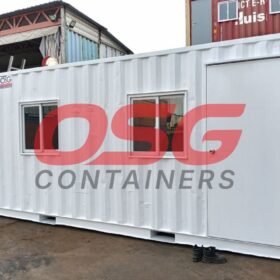
What’s really cool is how you can change these containers to fit exactly what you need. It’s not just about putting things inside; you can actually alter the container itself. Need to keep things cool? Insulation can be added. Want better airflow? Ventilation systems are an option. Some people even add windows or extra doors to make them more accessible or functional. For businesses, this means you can create a custom workspace, a secure tool shed, or even a small retail pop-up.
Here are some common modifications:
- Shelving and Racking: To maximize vertical space and organize items.
- Ventilation: Adding vents or fans to control air quality and temperature.
- Insulation: For temperature-sensitive goods or creating a more comfortable interior.
- Additional Doors/Windows: Improving access or natural light.
- Custom Paint: For branding or aesthetic purposes.
Beyond Shipping: Creative Uses
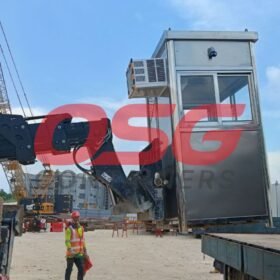
The adaptability of a 20-foot container really shines when you look at its non-traditional uses. People have turned these sturdy metal boxes into all sorts of things. We’re talking about small homes, backyard offices, art studios, cafes, and even workshops. The corrugated steel structure provides a strong base that can be modified with basic construction techniques. It’s a cost-effective way to get a functional space without the hassle of building from scratch.
The beauty of a 20-foot container lies in its inherent strength combined with its potential for transformation. It’s a standardized product that can be personalized to serve a vast array of purposes, making it a practical choice for both commercial and personal projects.
Logistical Advantages of the 20 Foot Sea Container
Standardized Dimensions for Global Handling
The 20 foot sea container is a marvel of standardization. Its consistent dimensions mean it fits into a global system designed for easy handling. Think about it: ships, trains, and trucks are all built with these containers in mind. This means less fuss when moving goods from one mode of transport to another. This universal compatibility is a huge reason why they’re so popular for international trade. It simplifies the entire process, cutting down on delays and extra costs that can pop up when dealing with non-standard equipment.
Ease of Portability and Stacking
Moving a 20 ft container is surprisingly straightforward. They’re designed to be lifted and moved by cranes and specialized equipment found in ports and depots worldwide. Plus, they’re built to be stacked. You’ll often see them piled high on ships or in storage yards. This stacking ability is key for maximizing space, both at sea and on land. It makes them incredibly efficient for storage and transport, especially when space is at a premium.
- Designed for cranes: Equipped with corner castings for easy lifting.
- Stackable: Built to safely support the weight of other containers.
- Intermodal: Easily transferred between ships, trains, and trucks.
Simplified Supply Chain Integration
Integrating 20 ft containers into your supply chain makes things much simpler. Because they’re standardized, you don’t have to worry as much about custom handling or special arrangements. This predictability helps businesses manage their inventory and shipping schedules more effectively. It means your products can move from the factory to the customer with fewer hiccups.
The consistent size and robust construction of the 20 ft container mean it can be treated as a reliable unit throughout its journey. This predictability is a major benefit for planning and execution in logistics.
Here’s a quick look at why their size is so beneficial:
| Feature | Detail |
|---|---|
| Length | Approximately 20 feet |
| Width | Approximately 8 feet |
| Height | Approximately 8.5 feet (standard) |
| Cubic Capacity | Around 1,170 cubic feet |
| TEU Equivalent | 1 (Twenty-Foot Equivalent Unit) |
Cost-Effectiveness of the 20 Foot Sea Container
When it comes to cost savings and practical value, the 20-foot sea container outshines a lot of traditional storage and transportation methods. It’s not just that initial low price tag—it’s the ongoing savings and flexibility that really make these containers a solid investment for businesses and individuals alike.
Budget-Friendly Storage Solution
Choosing a 20-foot container instead of building a permanent storage structure can slash your upfront and long-term costs. You save on construction materials, labor, permits, and upkeep. Plus, if your storage needs change, you aren’t stuck with something you can’t move or easily repurpose.
- Easy to relocate if you switch job sites or need space elsewhere.
- Low maintenance—no re-roofing or repainting like with sheds or garages.
- Fast setup: just place it where you need it, and it’s ready to use.
| Solution Type | Approximate Initial Cost | Maintenance Needed | Mobility |
|---|---|---|---|
| 20 ft Sea Container | $2,500 – $5,000 | Minimal | Portable |
| Conventional Shed | $3,000 – $10,000+ | Moderate | Fixed |
| Warehouse Rental | $150-500/month | Landlord’s Duty | Fixed |
For many small businesses and contractors, a 20-foot container can be the difference between staying organized and being swamped by clutter—without breaking the bank.
Economical Transport Option
Shipping goods with these containers is cheaper than custom crates or oversized units. The standardized size means they’re easily moved by trucks, trains, or ships, saving money on logistics and reducing handling fees.
- Compatible with global shipping systems, no need for special carriers.
- Stackable design saves space and reduces dock fees.
- Less risk of costly damage thanks to sturdy, weatherproof walls.
Value Compared to Permanent Structures
Permanent storage buildings come with ongoing headaches—taxes, repairs, utilities. With a container, you simply place it, fill it, and forget about most of those added expenses. If your needs change, you can sell or modify the container as needed, without worrying about sunk costs.
- No lengthy construction delays—containers are delivered ready to go.
- Control over placement: if your parking lot or property layout changes, just move the container.
- Flexible use: storage today, mobile office or workshop tomorrow.
Overall, 20-foot sea containers are a cost-effective solution that delivers real value across storage, shipping, and flexibility—making them a clever choice for anyone looking to save money while getting the job done.
Understanding 20 Foot Sea Container Conditions
New vs. Used Container Grades
When you’re looking to get a container 20 ft, you’ll find they aren’t all created equal. They come in different conditions, and this really matters for what you’ll use it for. It’s not just a simple ‘new’ or ‘used’ label; there are specific grades that give you a better idea of what you’re getting. New containers, often called ‘one-trip’ containers, have only made one journey from the factory. They’re in top shape, with minimal wear and tear. Used containers, on the other hand, have seen more action. They can range from ‘cargo worthy’ (CW), meaning they’re still good for shipping and storage, to ‘wind and watertight’ (WWT), which might have some dents or rust but are still sealed against the elements. The condition directly impacts the price and how suitable the container 20 feet is for your specific needs.
Assessing Structural Integrity
Before you commit to a 20 feet container, you’ve got to give it a good once-over. It’s not just about how it looks on the outside. You need to check for structural soundness. Look for any major dents, bends, or weak spots in the steel walls. Surface rust is pretty common, especially on older units, but you want to avoid containers with deep rust or actual holes. Give the floor a good inspection too; if it’s wooden, check for rot or damage. A solid structure is key, whether you’re using it for storage or as a workspace.
Importance of Door and Seal Condition
Don’t forget about the doors and seals! These are super important for keeping your stuff safe and dry. Make sure the doors open and close smoothly without sticking. Check the rubber seals around the door frames. If they’re cracked, torn, or missing, water can get in, which is a big problem. A container that’s supposed to be watertight can quickly become a leaky mess if the seals aren’t in good shape. For a container 20 feet, ensuring these parts are functional is a big part of its reliability.
Key Dimensions and Types of 20 Foot Sea Containers
Standard Exterior and Interior Measurements
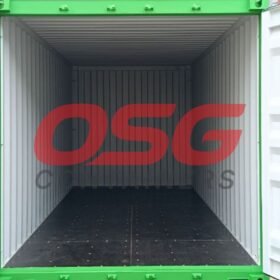
When you’re looking at a 20-foot sea container, the first thing that comes to mind is its size. It’s a pretty standard box, right? Well, mostly. The outside dimensions are pretty consistent across the board, making them easy to handle globally. We’re talking about 20 feet long, 8 feet wide, and about 8.5 feet tall. That’s the shell. But what really matters for what you can fit inside is the interior space. The walls take up a bit of room, so the usable space is a little less than the outside measurements suggest. It’s important to know these numbers so you don’t end up with a container that’s just a bit too small for your needs.
Here’s a breakdown of what you can generally expect:
| Dimension | Standard 20ft Container (Approx.) |
|---|---|
| Exterior Length | 20 ft (6.1 m) |
| Exterior Width | 8 ft (2.44 m) |
| Exterior Height | 8.5 ft (2.59 m) |
| Internal Length | 19.4 ft (5.9 m) |
| Internal Width | 7.8 ft (2.35 m) |
| Internal Height | 7.9 ft (2.39 m) |
| Cubic Capacity | 1,170 cu ft (33.2 m³) |
| Tare Weight | 4,850 – 5,500 lbs (2,200-2,500 kg) |
| Max Payload | 48,060 lbs (21,800 kg) |
Always double-check the internal dimensions before you plan your packing. It’s easy to miscalculate and find out later that your items won’t quite fit.
The Advantage of High Cube Containers
Now, not all 20-footers are created equal. If you need a bit more vertical room, you’ll want to look at the High Cube (HC) version. These containers give you an extra foot of height compared to the standard model. That might not sound like much, but it can make a big difference, especially if you’re storing tall items or need more clearance for loading and unloading. Think of it as getting a bit more bang for your buck in terms of space.
- Standard 20ft: Exterior height of 8′ 6", interior height around 7′ 10".
- 20ft High Cube: Exterior height of 9′ 6", interior height around 8′ 10".
- This extra foot of height adds about 146 cubic feet of storage space.
Understanding Cubic Capacity and Payload
So, we’ve talked about the length, width, and height, but what does that all add up to? That’s where cubic capacity comes in. It’s basically the total volume of space inside the container. For a standard 20-foot container, you’re looking at around 1,170 cubic feet. The High Cube version bumps that up to about 1,316 cubic feet. This tells you how much stuff you can theoretically fit inside based on volume alone.
Then there’s the payload. This is the maximum weight your container can carry. It’s super important because you don’t want to overload the container, which can be dangerous and damage the container itself. The tare weight is the weight of the empty container, and the payload is what you can add on top of that. For a 20-footer, the maximum payload is usually around 48,000 pounds. So, when you’re figuring out what to put in your container, you need to consider both how much space it takes up and how much it weighs.
So, What’s the Big Deal?
Alright, so we’ve gone over why these 20-foot containers are such a big deal. They’re basically built like tanks, made from tough steel that can handle pretty much anything the weather throws at it. Plus, they’re designed to keep your stuff locked up tight, which is a huge plus. And the best part? They’re not just for shipping goods across the ocean. People use them for all sorts of things, from extra storage on a job site to even building cool projects. They’re a solid, reliable choice for a lot of different needs, and honestly, they just get the job done without a lot of fuss.
Frequently Asked Questions
What is a 20-foot sea container used for?
A 20-foot sea container is mainly used for shipping goods around the world. People also use them for storage, building small offices, or even making tiny homes because they are strong, secure, and easy to move.
How strong are 20-foot sea containers?
These containers are made from tough, corrugated steel. They are built to handle rough weather, heavy loads, and lots of moving around. Their design lets them be stacked and moved by trucks, trains, or ships without breaking or bending.
Can I change or customize a 20-foot container?
Yes, you can! Many people add shelves, windows, insulation, or special doors. Some even turn them into workshops or living spaces. The steel walls are easy to cut and add things to, making them very flexible for different needs.
What should I check before buying a used 20-foot container?
Look for dents, rust, and holes. Check that the doors open and close well and that the rubber seals keep water out. Make sure the floor isn’t rotten and that the locks work. If possible, ask about its history and if it has been repaired.
What are the exact dimensions of a 20-foot container?
A standard 20-foot container is about 20 feet long, 8 feet wide, and 8.5 feet tall on the outside. Inside, it’s around 19.4 feet long, 7.8 feet wide, and 7.9 feet high. This gives you a space of about 1,170 cubic feet.
Why are 20-foot containers a popular choice?
They are the perfect size for many jobs—not too big, not too small. They are easy to move, cost less than bigger containers, and you can stack them to save space. Their strong build and easy-to-use design make them a favorite for shipping and storage.