Singapore
 Australia
 Indonesia
 Japan
Japan Malaysia
 New Zealand
 Philippines
 South Korea
 Taiwan
 Thailand
 VIETNAM
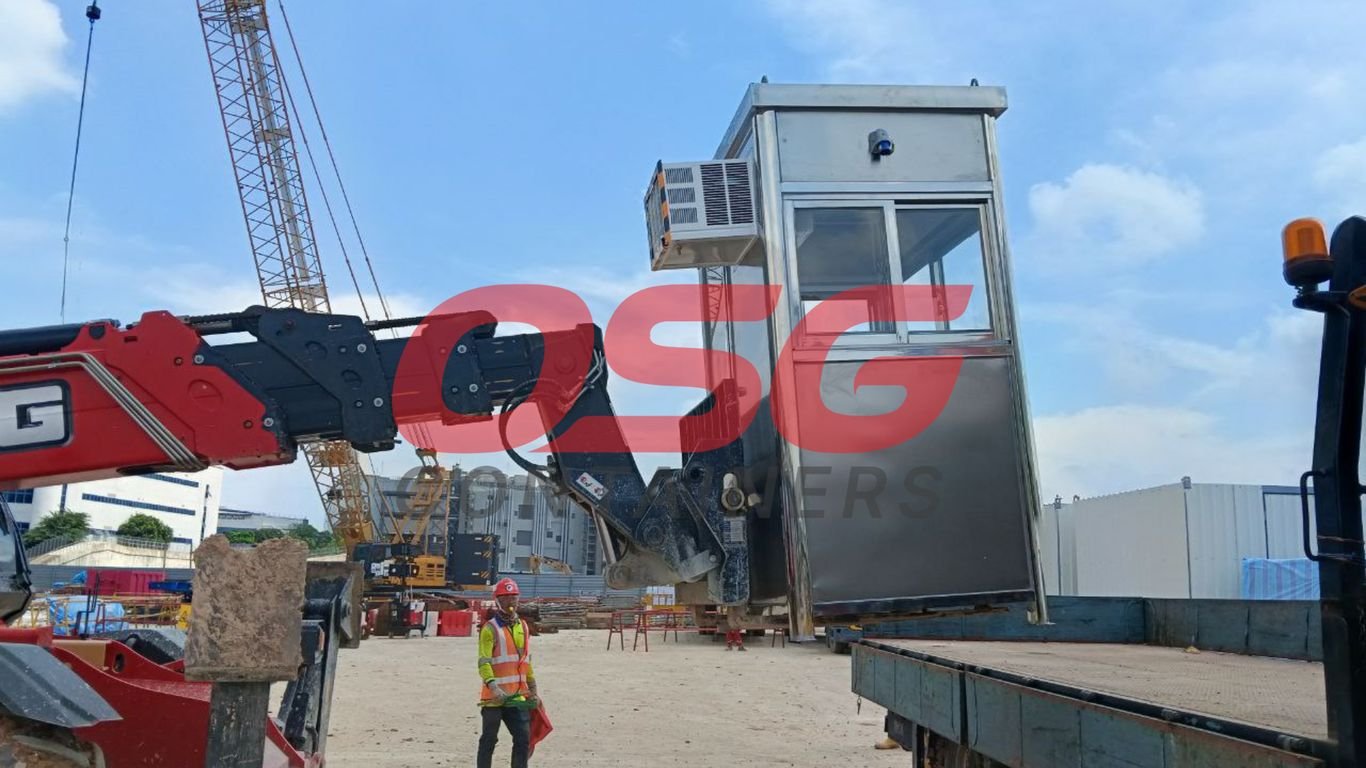
Thinking about putting up a guardhouse? It sounds simple enough, but there’s actually a lot to consider before you just pick one and stick it in the ground. You want to make sure it does the job right, keeps your people safe, and doesn’t end up being a money pit. This article breaks down the main things you should look at, from what kind of protection you need to how to pick the company that builds it. Getting it right the first time saves a lot of headaches later.
Key Takeaways
- Figure out what level of protection your guardhouse needs. Are you worried about break-ins, or just need a basic shelter? This affects the materials and design.
- Location, location, location. Where you put the guardhouse matters for visibility and controlling who comes and goes. Also, make sure it’s big enough for the guards and their gear.
- Build it tough. Pick materials that can handle the weather and last a long time. Think about upkeep too, so it doesn’t fall apart.
- Don’t forget the extras. Things like heating and cooling, lights, and communication hookups make the guardhouse useful. Decide if you need it to be moved later.
- Shop around for a good builder. Check their track record, what kind of quality they use, and if they back their work with a warranty. This guardhouse is an investment.
Assessing Your Guardhouse Security Needs
Before you even think about paint colors or window tint, you really need to nail down what this guardhouse is supposed to do. It’s not just a little box for someone to sit in; it’s a key part of your whole security setup. Getting this part wrong means you might end up with something that doesn’t actually protect your property or your people, or worse, it costs a fortune and still doesn’t do the job. So, let’s break down what you need to consider.
Determining Required Ballistic Protection
This is where you figure out how tough your guardhouse needs to be. Are you worried about someone just trying to sneak in, or are you dealing with more serious threats? The level of protection needed directly impacts the materials and construction. For most places, standard protection is fine, but if you’re in a high-risk area or dealing with sensitive materials, you’ll need to step it up.
- Standard Protection: Good for deterring casual trespassers and providing basic shelter.
- Enhanced Protection: Offers resistance against low-level projectiles, suitable for many commercial sites.
- High-Level Ballistic Protection: Designed to stop bullets and even resist forced entry, often required for government facilities or high-value targets.
The level of ballistic protection you choose will significantly influence the cost and complexity of your guardhouse.
Evaluating Current and Future Threats
Think about what’s happening around your property right now, and what might happen down the road. Is crime increasing in the area? Are there specific vulnerabilities you’ve noticed? It’s also smart to consider how your business might grow or change, as this could introduce new security challenges. A guardhouse that works today might not be enough in five years.
Planning for the future means looking beyond immediate concerns. What seems like a low-risk environment now could change, and your security infrastructure should be adaptable.
Defining Primary Guardhouse Functions
What exactly will the guard be doing from this structure? It’s more than just watching. They might be controlling access, monitoring cameras, communicating with other staff, or even handling deliveries. Each function requires different features and space.
- Access Control: Directing traffic, checking IDs, operating gates.
- Surveillance Monitoring: Watching CCTV feeds, logging activity.
- Communication Hub: Using radios, phones, or intercoms to coordinate with others.
- Temporary Storage: Holding packages, equipment, or even cash securely.
Knowing these functions helps determine the size, layout, and necessary equipment for the guardhouse.
Strategic Guardhouse Location and Size
Picking the right spot and making sure it’s the right size for your guardhouse is a big deal. It’s not just about where it looks good; it’s about making sure your security team can actually do their job effectively and that the structure fits your site without causing problems.
Optimizing Visibility and Access Control
Think about where people and vehicles will be coming and going. You want your guardhouse to have a clear line of sight to the main entry points. This helps guards spot trouble before it happens and makes it easier to manage who comes and goes. A guardhouse placed poorly, maybe hidden behind a building or a big tree, isn’t going to do much good for security. It needs to be visible enough to act as a deterrent and allow guards to see approaching individuals or vehicles from a distance. Consider the flow of traffic – you don’t want your guardhouse to create a bottleneck or be in a spot where it’s hard to get to.
Accommodating Personnel and Equipment
How many people will be working in the guardhouse at any given time? Will they need space for desks, computers, radios, or other gear? You don’t want your guards crammed into a tiny space where they can’t move or work comfortably. This can lead to fatigue and mistakes. Think about:
- The number of guards on duty.
- Any equipment like monitors, computers, or communication devices.
- Storage needs for supplies or personal items.
- Space for things like coffee makers or small refrigerators if allowed.
The size of the guardhouse should directly reflect the operational needs of the security personnel. Overcrowding can negatively impact performance and morale, while excessive space might be an inefficient use of resources.
Considering Physical Land Space Availability
This one’s pretty straightforward. How much room do you actually have to work with on your property? You might have a grand idea for a large, multi-person guardhouse, but if you only have a small patch of land available, it’s just not going to happen. Measure the area carefully and consider not just the footprint of the guardhouse itself, but also any surrounding space needed for access, parking (if applicable), or future expansion. Sometimes, a smaller, well-designed unit is a better fit than trying to force a large one into a tight spot.
| Guardhouse Size | Typical Occupancy | Primary Use Cases |
|---|---|---|
| Small | 1 Guard | Basic entry point monitoring, limited equipment |
| Medium | 1-2 Guards | Moderate equipment, central point for a small team |
| Large | 2+ Guards | Multiple personnel, extensive equipment, command center |
| Extra Large | 3+ Guards | Multiple shifts, significant equipment, specialized functions |
Guardhouse Construction and Material Durability
When you’re looking at guardhouses, the materials and how they’re put together really matter. It’s not just about making something that looks good; it’s about building a structure that can handle whatever the weather throws at it and lasts for a long time. Think about it like building a house – you wouldn’t use cheap wood that rots in the first rain, right? The same goes for a guardhouse that needs to stand up to sun, wind, and maybe even snow, year after year.
Selecting Corrosion-Resistant Materials
This is a big one, especially if your guardhouse is going to be outside all the time. You want materials that won’t rust or break down easily. Steel is common, but you need to make sure it’s treated properly, like galvanized steel, to fight off rust. Aluminum is another good choice because it doesn’t rust at all. Some companies even use composite panels, which are strong and don’t corrode. The goal is to pick something that won’t start looking bad or falling apart after just a few years.
Choosing Weatherproof Finishes
Beyond the main materials, the finishes are important too. This includes things like paint, sealants, and coatings. A good weatherproof finish will protect the underlying material from moisture and UV rays. This means no peeling paint or cracking seals that let water seep in. You want a finish that keeps its color and integrity, even when exposed to harsh sunlight or heavy rain. It’s like putting a good coat of wax on your car to protect the paint.
Evaluating Longevity and Maintenance Requirements
So, how long is this thing actually going to last, and what kind of work will it need? Some guardhouses are built to last 15 to 25 years, or even longer, with the right care. Others might need more attention. You should ask about the expected lifespan and what kind of regular upkeep is needed. Is it just a quick wipe-down, or will you need to do more involved checks on things like seals or coatings? Sometimes, a slightly more expensive option upfront can save you a lot of hassle and money down the road because it requires less maintenance.
A well-built guardhouse isn’t just a box; it’s an investment in security and operational continuity. Choosing materials that resist the elements and require minimal upkeep means your security team stays protected and comfortable without constant repair worries. It’s about getting a reliable structure that does its job day in and day out.
Think about a creative container for your security needs. It needs to be tough, reliable, and ready for anything. The materials and construction are the foundation of that reliability. You don’t want your security post to become a weak point because it couldn’t handle the environment.
Essential Guardhouse Features and Customization
When you’re looking at guard booths, it’s not just about having a box for someone to sit in. You want it to work well for your security team and your site. Think about what your guards will actually be doing in there. Will they just be watching people come and go, or will they be managing complex systems? This really changes what you need.
Integrating Climate Control Systems
Nobody works well when they’re freezing or sweating buckets. A good guard booth needs to keep your personnel comfortable. This means looking at insulation and whether you need heating, air conditioning, or both. Some units come with basic ventilation, but for year-round use, especially in places with rough weather, a proper HVAC system is a must. It makes a big difference in how alert and effective your guards can be.
Incorporating Electrical Outlets and Lighting
Your guard booth is going to power more than just a desk lamp. You’ll likely need outlets for computers, monitors, radios, charging stations for devices, and maybe even coffee makers. Good lighting inside is important for reading logs and paperwork, and external lighting can help with visibility at night. Make sure the electrical setup can handle the load you’ll put on it.
Adding Security Systems and Communication Tools
This is where the guard booth really becomes a command center. Think about what communication tools your guards need. Radios? A direct phone line? An intercom system for visitors? You might also want to integrate security cameras, either inside or outside the booth, or connect it to a larger surveillance network. Some advanced setups even include access control readers or badge scanners.
Exploring Mobility Options for Relocation
Sometimes, you might need to move your guard booth. Maybe your site layout changes, or you have a temporary project. If that’s a possibility, look for features that make relocation easier. Many prefabricated units, sometimes referred to as container modifications, are built with forklift pockets or a sturdy base frame that allows them to be picked up and moved. This can save a lot of hassle and expense down the line if you ever need to change its location.
Choosing the right features isn’t just about convenience; it’s about operational efficiency and the well-being of your security staff. A well-equipped guard booth can significantly improve the effectiveness of your security operations.
Here’s a quick rundown of common features to consider:
- HVAC System: Heating and air conditioning for year-round comfort.
- Lighting: Interior task lighting and exterior security lighting.
- Power: Sufficient electrical outlets for equipment and charging.
- Communication: Intercom, phone, or radio hookups.
- Windows: Large, clear windows for maximum visibility.
- Mobility: Forklift pockets or skid base for easy relocation.
Budgeting for Your Guardhouse Investment
Okay, so you’ve figured out what kind of guardhouse you need, where it’s going, and what it should look like. Now comes the part where we talk about money. It’s easy to get excited about all the cool features, but you’ve got to keep your budget in mind. Think of it like planning a big home renovation; you need to know what you can realistically spend before you start picking out fancy tiles.
Calculating Initial Purchase and Installation Costs
The sticker price of the guardhouse itself is just the beginning. You’ll want to get quotes from a few different places to compare. Remember, a cheaper option might not always be the best value if it means lower quality materials or fewer features you actually need. Installation is another big chunk. Some companies include this, others charge extra. Make sure you know exactly what’s covered. This often involves site prep, like leveling the ground or pouring a small concrete pad, which can add up.
Factoring in Transportation and Permit Expenses
Don’t forget about getting the guardhouse to your site. If it’s a prefabricated unit, shipping costs can be surprisingly high, especially if it’s a long distance or a large structure. You’ll also need to check if you need any local permits to place the guardhouse on your property. These can vary a lot by town or city, and ignoring them can lead to fines or having to move the whole thing later. It’s always better to ask first.
Allocating Funds for Ongoing Maintenance
This is something people often overlook. A guardhouse isn’t a ‘set it and forget it’ kind of thing. You’ll need to budget for regular upkeep. Think about:
- Cleaning windows and the interior to keep it looking professional.
- Checking and maintaining any HVAC systems to keep your guards comfortable.
- Inspecting electrical components, lights, and any security equipment.
- Addressing minor repairs before they become big problems.
The total cost of ownership goes way beyond the initial purchase. Planning for these recurring expenses will help you avoid unexpected bills down the road and keep your guardhouse in good working order for years to come. It’s about making sure your investment continues to serve its purpose effectively.
Here’s a quick look at what might factor into your budget:
| Cost Category | Estimated Range (Example) |
|---|---|
| Guardhouse Unit Price | $5,000 – $50,000+ |
| Site Preparation (Concrete) | $500 – $3,000 |
| Delivery/Transportation | $500 – $5,000+ |
| Installation Labor | $500 – $2,500 |
| Permits and Fees | $100 – $1,000 |
| Annual Maintenance (Estimate) | $200 – $1,000+ |
Remember, these are just example numbers. Your actual costs will depend heavily on the size, features, location, and vendor you choose.
Selecting a Reputable Guardhouse Vendor
Researching Vendor Expertise and Experience
When you’re looking for someone to build your guardhouse, you don’t want just anyone. You need a company that really knows their stuff. Think about it: they’re building a structure that’s supposed to keep your people safe and your property secure. That means they should have a solid track record of designing and putting together these kinds of buildings. Ask them about their past projects, especially ones that might be similar to what you need. A vendor with years of experience will likely have a better handle on potential problems and how to solve them before they even pop up. They’ll also be more up-to-date on the best materials and construction methods.
Ensuring Quality Construction and Materials
This is where you really need to pay attention. The guardhouse needs to hold up, right? You’ll want to look for vendors who use tough, long-lasting materials. Things like corrosion-resistant metals and sturdy framing are a good sign. Also, think about the climate where the guardhouse will be. Does the vendor use weatherproof finishes and good insulation? You don’t want your guards freezing in the winter or sweating buckets in the summer. A good vendor will be upfront about the materials they use and why they’re a good choice for your specific situation. Don’t be afraid to ask for details about their construction process and what makes their buildings durable.
Verifying Warranty and After-Sales Support
Even the best-built guardhouse might run into an issue down the road. That’s why a solid warranty is super important. It’s like an insurance policy for your investment. Find out exactly what the warranty covers, how long it lasts, and what the process is if you need to make a claim. Beyond the warranty, think about the vendor’s customer service. Are they easy to get a hold of? Do they seem like they’ll be there to help if you have questions or need repairs after the sale? A company that stands behind its products and offers good support makes a big difference in the long run. It gives you peace of mind knowing you’re not on your own if something comes up.
Choosing the right vendor isn’t just about getting a structure; it’s about partnering with a company that understands your security needs and can provide a reliable, long-lasting solution. Take your time, do your homework, and ask plenty of questions. It’s worth it to get it right the first time.
Understanding Guardhouse Regulatory Compliance
So, you’re looking at getting a guard house, which is a smart move for site security. But before you get too far into picking out the perfect model, you’ve got to think about the rules and regulations. It’s not just about buying a box and sticking it somewhere; there are local laws and building codes that apply to these structures, just like any other building on your property. Ignoring these can lead to headaches, fines, or even having to move your brand-new guard house. Making sure your guard house meets all the necessary legal requirements from the start saves a lot of trouble down the road.
Adhering to Local Zoning Regulations
Every town or city has its own set of rules about what you can build and where. Zoning laws dictate things like how close a structure can be to property lines, what kind of structures are allowed in certain areas (like industrial versus residential), and sometimes even the maximum height or size of accessory buildings. You’ll need to check with your local planning or zoning department to understand these specifics for your location. They’ll tell you if a guard house is permitted in the spot you have in mind and if there are any size or placement restrictions.
Meeting Building Code Standards
Beyond zoning, there are building codes that ensure structures are safe for people to occupy and use. These codes cover things like electrical wiring, plumbing (if applicable), structural integrity, fire safety, and accessibility. Even a small guard house needs to comply. For instance, the electrical work needs to be done by a licensed electrician and meet safety standards. If your guard house has any kind of heating or cooling, those systems also need to meet code. It’s all about making sure the structure is safe for the guard working inside and doesn’t pose a risk to the property.
Obtaining Necessary Permits and Approvals
Once you’ve figured out the zoning and building code requirements, you’ll likely need to get permits before you install your guard house. This usually involves submitting plans or applications to your local building department. They’ll review your plans to make sure they comply with all the regulations. Getting the right permits can take time, so it’s best to start this process early. Sometimes, depending on the size and complexity of the guard house, you might need different types of permits. It’s always better to ask your local authorities exactly what’s needed for your specific situation. They might have a checklist or a specific application process for prefabricated or temporary structures like a guard house.
Don’t assume that because it’s a small structure, it doesn’t need permits. Many jurisdictions treat guard houses like any other building, requiring inspections and approvals before and after installation. It’s a good idea to have a conversation with your local building official early in the planning phase to understand their specific requirements.
Wrapping It Up
So, putting up a guardhouse isn’t just about sticking up a little building. It’s a pretty big decision that needs some real thought. You’ve got to figure out what you actually need it for, where it’s going to go, and what kind of features will make it work best for your situation. Thinking through all these points beforehand means you’ll end up with a guardhouse that actually helps keep things safe and runs smoothly, instead of just being another thing to deal with. It’s an investment, sure, but getting it right means a more secure and professional setup for the long haul.
Frequently Asked Questions
What’s the main reason to get a guardhouse?
Guardhouses are like a security checkpoint for your property. They help keep unwanted people out, stop theft, and make sure only authorized folks come in. Plus, they give your security guards a safe and comfy place to work from.
What should I think about when picking a guardhouse?
You should consider how much security you need, like if you need protection from bullets. Also, think about where you’ll put it so guards can see everything, how big it needs to be for people and equipment, and what materials will last the longest in your area.
Can guardhouses be moved?
Yes, many guardhouses are designed to be moved! Some have special pockets for forklifts, and others are built on trailers. This is great if you might need to change its location later on.
How long do guardhouses usually last?
If you get a good quality one and take care of it, a guardhouse can last a really long time, often 15 to 25 years or even more. Regular cleaning and checking the lights and locks helps a lot.
Do guardhouses come with heating and cooling?
Most modern guardhouses can be set up with heating and air conditioning. This is super important so the guards inside stay comfortable no matter what the weather is like outside, helping them do their job better.
How do I know which company to buy a guardhouse from?
Look for companies that have a lot of experience building guardhouses. Make sure they use strong, good-quality materials and offer a warranty in case something goes wrong. Good customer service and help with installation are also important.