Singapore
 Australia
 Indonesia
 Japan
Japan Malaysia
 New Zealand
 Philippines
 South Korea
 Taiwan
 Thailand
 VIETNAM
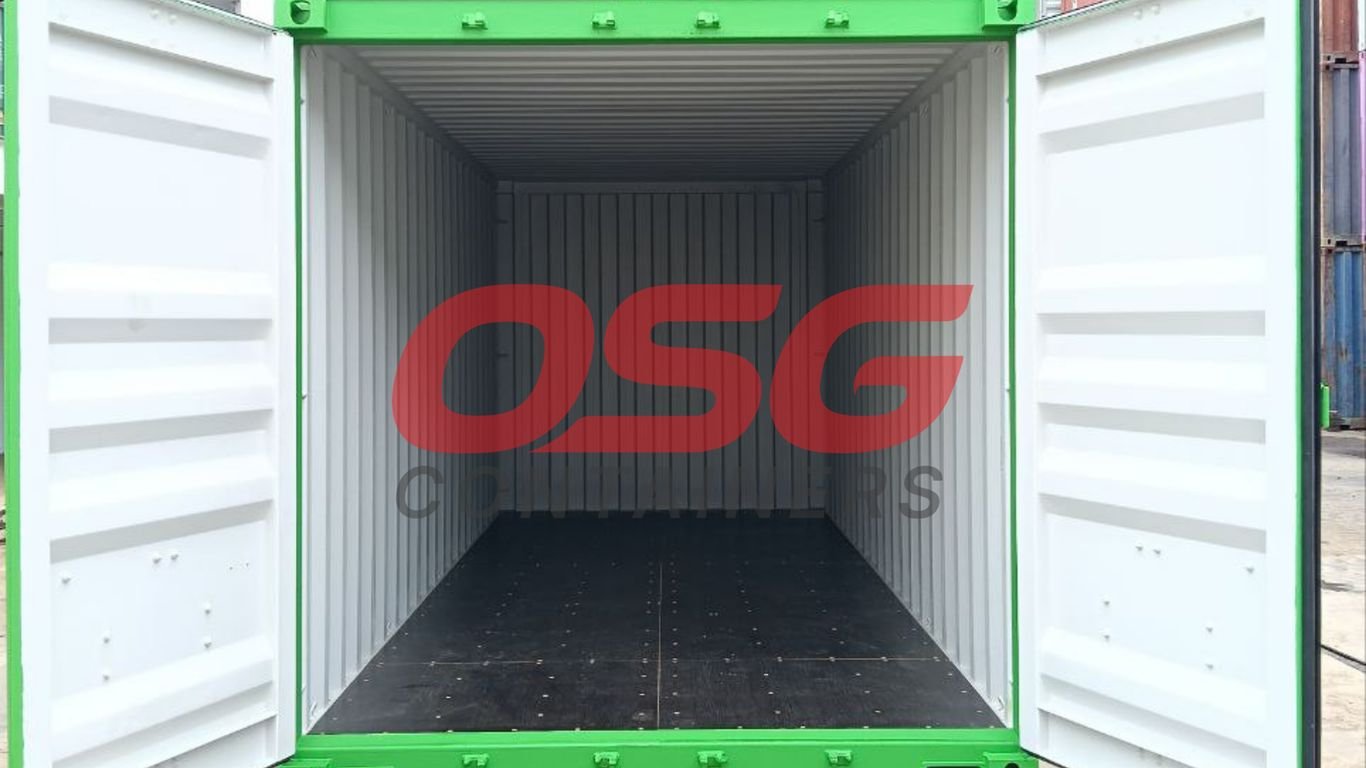
So, you’re thinking about using a 20ft open top container for your project or event. They’re pretty handy, right? You can just load stuff in from the top. But, like anything, there are a few common slip-ups people make. I’ve seen it happen, and it can really mess things up. Let’s talk about some of the big mistakes to avoid so your 20ft open top container experience goes smoothly.
Key Takeaways
- Picking the right 20ft open top container means looking at what you’re hauling, its size, and weight. Don’t just grab the first one you see; make sure it fits your cargo needs.
- Site prep is a big deal. You need solid ground that can hold the weight, clear access for delivery, and a plan for rain or bad weather. Don’t just plop it down anywhere.
- Think about what you’ll actually do inside the container. Does it need power for lights or equipment? What about keeping it cool or warm? Safety stuff like locks is important too.
- Check local rules before you even think about placing a 20ft open top container. You might need permits, and there are often fire safety rules to follow.
- Loading and securing your stuff properly is super important. Spread the weight evenly and use good materials to keep everything from shifting around during transport.
Selecting the Appropriate 20ft Open Top Container
Choosing the right container is the first step, and for a 20ft open top, it means thinking about what you’re actually going to put inside and how you’ll get it there. It’s not just about picking any old box; the container size and type really matter.
Understanding Cargo Requirements
Before you even look at a cntr open top, you need to know what you’re storing or moving. Is it tall? Is it awkward to load from the side? An open top container is great for things that just won’t fit through standard doors, like machinery or large construction materials. Think about the height and shape of your cargo. The open top design makes loading from above with a crane or forklift much easier, but it also means your cargo is exposed to the elements unless you cover it properly.
Here are some things to consider about your cargo:
- Height: Will it exceed the standard height of a regular container?
- Shape: Is it bulky or irregularly shaped, making side loading difficult?
- Loading Method: Do you plan to use a crane, forklift, or other equipment from above?
- Protection Needs: How sensitive is your cargo to weather? You’ll need a tarp.
Choosing Between New, Used, or Refurbished Options
When you’re looking at container dimensions, you’ll find options ranging from brand new to well-loved used ones. New containers are pristine, but they come with a higher price tag. Used containers can be a budget-friendly choice, but you’ve got to be careful. Look for ones that are "Wind and Water Tight" (WWT) at a minimum. This means they’re structurally sound and won’t leak, even if they have some dents or rust spots. Refurbished containers have had some work done to them, like patching up dents or repainting, offering a middle ground.
Considering Specialized Container Types
While we’re focusing on the 20ft open top, it’s good to know there are other specialized containers out there. For instance, if you needed temperature control, you’d look at a reefer. If your cargo was oversized but didn’t need overhead access, a flat rack might be better. But for items that need that easy top-down loading and are too tall for a standard container, the open top is your go-to. Just remember, the standard container dimensions for a 20ft are roughly 20 feet long, 8 feet wide, and 8.5 feet high, but the open top gives you that extra vertical flexibility when the roof is off.
Picking the right container type and size upfront saves a lot of headaches later. It affects everything from how easily you can load and unload to how well your cargo is protected during transit and storage.
Overlooking Site Preparation for 20ft Open Top Containers
So, you’ve got your 20ft open top containers sorted, but wait – where are they actually going to sit? This is where a lot of people drop the ball. It’s not just about having a patch of ground; it’s about making sure that ground can handle the weight and won’t cause problems later on. Think of it like building a house; you wouldn’t start without a solid foundation, right? The same applies here.
Ensuring Ground Stability and Load Bearing Capacity
These containers, especially when loaded, are seriously heavy. We’re talking thousands of pounds. If you just plop one down on soft dirt or uneven ground, you’re asking for trouble. The container could sink, tilt, or even shift, which is bad news for whatever’s inside and for the container itself. A stable, level surface is non-negotiable.
Here’s a quick rundown of what to look for:
- Ground Type: Is it solid, compacted earth, gravel, or concrete? Sandy or muddy soil is a big no-no without some serious prep.
- Weight Distribution: The ground needs to support the container’s weight evenly. Uneven support means uneven stress on the container’s frame.
- Drainage: Water pooling around the base can weaken the ground over time and lead to rust. Make sure the area drains well.
If your site isn’t naturally up to par, you might need to bring in gravel, compact the soil, or even pour a concrete pad. It sounds like a hassle, but it’s way cheaper than dealing with a damaged container or cargo.
Clearing Obstacles for Delivery and Access
Getting the container to the site is just as important as where it ends up. Delivery trucks, especially those carrying heavy containers, need a clear path. This means looking up and around.
- Overhead Clearance: Watch out for tree branches, power lines, or low-hanging structures. A 20ft container on a truck needs a good amount of vertical space, and that increases when it’s being lifted off.
- Path Width: Can the truck actually maneuver into the spot? Tight corners, narrow gates, or parked cars can make delivery impossible or very expensive (think extra time for the driver).
- Ground Obstacles: Remove anything that could get in the way – tools, equipment, debris, even garden furniture. Clearing the path beforehand saves a lot of stress and potential fees.
Don’t assume the delivery driver can just ‘figure it out’. They have schedules, and waiting around because the site wasn’t prepped costs money. A quick walk-through of the entire access route, from the street to the final resting spot, is a smart move.
Planning for Drainage and Weather Conditions
We touched on drainage for ground stability, but it’s worth repeating, especially when thinking about open top containers. Rain, snow, or even just dew can create issues.
- Water Runoff: Where does water go when it rains? If it collects around your container, it can lead to rust and damage, particularly on the underside and door seals.
- Seasonal Changes: If the container will be there through different seasons, consider how frost heave or extreme heat might affect the ground and the container itself.
- Protection: For sensitive cargo, you might need to think about temporary covers or elevated supports to keep water away from the container’s base and prevent moisture buildup inside.
Neglecting Essential Utilities and Safety Features
So, you’ve got your 20ft open-top container sorted, but wait – is it actually ready to go? A common oversight is forgetting about the nitty-gritty stuff like power, ventilation, and general safety. It’s easy to get caught up in the big picture, but these details can really make or break how well your container functions, and more importantly, if it’s safe to use.
Addressing Power, Ventilation, and Lighting Needs
Think about what you’ll be doing inside or around the container. If you’re running equipment, need to keep things cool, or even just want to see what you’re doing, you’ll need power. Many containers don’t come with built-in electrical systems, so you’ll have to arrange for that. This could mean bringing in a generator or hooking up to an existing power source. Don’t forget about ventilation either. If people are going to be inside for any length of time, or if you’re storing sensitive equipment, good airflow is a must. Overheating can damage electronics or make a space unbearable. And lighting? Unless you plan on working in the dark, you’ll need to sort out some lights, probably LED ones since they’re efficient.
- Power: Determine the amperage needed for any tools, lights, or appliances.
- Ventilation: Consider fans or exhaust systems if the space will be occupied or house heat-generating equipment.
- Lighting: Plan for adequate illumination, especially if the container will be used after dark or for detailed work.
Incorporating Security Measures
An open-top container, by its nature, is more exposed than a standard one. This means you need to think about security. What are you storing in there? If it’s valuable equipment or sensitive materials, you can’t just leave it open to the elements or opportunistic passersby. You might need to add extra locks, perhaps even a tarp system that can be secured when the container isn’t actively being loaded or unloaded. For longer-term storage or high-value items, you might even consider more robust security solutions.
Security isn’t just about locks; it’s about creating a deterrent and making sure your contents are protected from both theft and the weather.
Verifying Reefer Power Compatibility
If your open-top container is actually a reefer (refrigerated) unit, this is a whole different ballgame. Reefers need a specific type of power – usually a robust 380-440V three-phase connection. Most standard power outlets won’t cut it. If the site where you’re placing the container doesn’t have this kind of power readily available, you’re looking at needing a generator. It’s a pretty big deal because if the power isn’t right, your refrigeration system won’t work, and your perishable goods will be in trouble. Always check the power requirements and compare them to what your site can provide before you get the container delivered.
Ignoring Regulatory Compliance for Container Placement
So, you’ve got your 20ft open-top container all picked out and ready to go. But hold on a second, before you just plop it down anywhere, we need to talk about the rules. It’s easy to think of these containers as just big metal boxes, but where you put them and how you use them often falls under local laws and regulations. Ignoring these can lead to some serious headaches, like fines or even having your container removed right when you need it most. It’s not just about making sure it fits; it’s about making sure it’s allowed to be there.
Researching Local Permits and Ordinances
Every town, city, or county has its own set of rules about temporary structures, and shipping containers definitely count. You can’t just assume it’s okay to set one up in your backyard or on a vacant lot without checking. These rules are there for a reason – think public safety, traffic flow, and general neighborhood aesthetics. You’ll likely need to look into permits for temporary structures, and sometimes even specific zoning laws might apply depending on where you plan to place it. It’s a bit of a scavenger hunt, but finding out what your local government requires upfront saves a ton of trouble later.
- Check with your local planning or building department: This is your first stop. They can tell you what permits are needed for temporary structures.
- Understand zoning laws: Some areas might restrict where you can place a container, especially if it’s for commercial use in a residential zone.
- Ask about size and placement restrictions: There might be rules about how close a container can be to property lines or public roads.
Don’t just wing it. A quick call or visit to your local municipal office can prevent a costly mistake down the line. They’ve seen it all, and they can guide you on what’s permissible.
Understanding Fire Safety Regulations
When you’re using an open-top container, especially for storage or as part of an event setup, fire safety is a big deal. You need to make sure that the container itself and its placement don’t create a fire hazard. This often involves keeping a certain distance from other structures, ensuring clear access for emergency vehicles, and sometimes even using fire-retardant materials if the container is being modified or used in a specific way. Fire marshals have the final say on safety, and you don’t want to be caught unprepared.
- Maintain clear access: Emergency services need to be able to get to and from the container quickly. Make sure there are no obstructions.
- Consider materials: If you’re adding any internal fittings or coverings, check if they meet fire safety standards.
- Proximity rules: Be aware of any regulations regarding how close containers can be placed to buildings or other flammable materials.
Preparing Necessary Documentation
Getting the right paperwork in order is just as important as the physical placement. This often ties into the permits and safety checks. You might need to provide site plans showing exactly where the container will go, proof of any required inspections, or even a safety plan for the area around the container. Think of it as showing the authorities that you’ve done your homework and are taking all the necessary precautions. Having this documentation ready can speed up the approval process and avoid delays.
| Document Type | Purpose |
|---|---|
| Temporary Structure Permit | Official permission to place the container. |
| Site Plan | Shows exact placement and surrounding area. |
| Fire Safety Certificate | Confirms compliance with fire regulations. |
| Electrical Compliance | If power is connected, proof of safety. |
Mismanaging Delivery, Setup, and Pickup Logistics
Getting a 20ft open-top container to your site and then getting it picked up can feel like a complicated dance, especially when you’ve got an event or project with a strict timeline. It’s easy to mess this up, and when you do, it can really throw a wrench in your plans. Think about it: if the container isn’t there when you need it, or if it’s still sitting there after you’re done, that’s a big problem.
Coordinating with Event Timelines
Events, big or small, usually have schedules that are tighter than a drum. You’ve got build-up crews, performers, vendors, and attendees all needing to be in the right place at the right time. When you bring a container into this mix, it has to arrive and leave without causing a traffic jam or delaying other critical setup tasks. A container showing up late can mean your stage can’t be built, or worse, it might arrive when everyone’s trying to leave, blocking access roads.
- Pinpoint exact delivery windows: Don’t just say "sometime Tuesday." Work with the delivery company to set specific hours, ideally during less busy periods for your site.
- Avoid clashes: Make sure the container delivery doesn’t overlap with other major setup activities like stage construction, tent erection, or sound system installation.
- Communicate with all parties: Everyone involved – from the site manager to the delivery driver and the crane operator – needs to be on the same page about when things are happening.
Developing a Detailed Site and Access Plan
Just telling the delivery company "bring it to the back lot" isn’t enough. You need a clear map and a solid plan for how the truck and crane will get in, where the container will go, and how it will be unloaded. This involves looking at the whole journey, not just the final spot.
- Map out access routes: Show the truck driver the best way in and out. Are there narrow gates, tight turns, or low bridges they need to watch out for? Sometimes, you might need to suggest an alternate route.
- Identify obstacles: Look for anything that could block the truck’s path – parked cars, equipment, trash, low-hanging branches, or power lines. Clear these well in advance. You don’t want to be scrambling on delivery day.
- Consider the unloading zone: The truck needs space to maneuver and the crane needs a stable spot to operate. Make sure the ground can handle the weight and that there’s enough clearance.
Maintaining Open Communication Channels
This is where things often go sideways. If the delivery driver can’t reach you, or if the site manager doesn’t know the container is coming, you’re asking for trouble. Good communication is like the oil that keeps the whole operation running smoothly.
Keeping everyone in the loop is key. This means sharing contact numbers, providing real-time updates if there are delays, and even sending photos of the site or the container’s progress. It prevents those awkward "where are you?" calls and last-minute panics.
- Share contact details: Make sure the delivery company has the direct number for the person on-site who can guide them.
- Provide status updates: If the truck is running late or early, let the site team know immediately.
- Confirm pickup: Just as important as delivery, schedule and confirm the pickup well in advance. Don’t assume they’ll know when you’re done.
Improper Loading and Securing of Cargo
Alright, let’s talk about getting your stuff into that 20ft open-top container. This is where things can go sideways fast if you’re not careful. Think of it like packing for a really long, bumpy road trip – everything needs to be snug and accounted for.
Distributing Weight Uniformly
First off, you can’t just pile everything in one corner. You’ve got to spread the weight out evenly across the container floor. This isn’t just about making it easier to lift later; it’s about safety and preventing damage to the container itself. If one side is way heavier, it can put a serious strain on the container’s structure, especially when it’s being moved.
- Front-to-Back Balance: Make sure the weight is balanced from the door end to the far end.
- Side-to-Side Balance: Keep the load centered between the left and right walls.
- Avoid High Stacking: Don’t stack heavy items on top of lighter ones unless they’re properly supported.
Utilizing Appropriate Dunnage and Securing Materials
This is where you stop your cargo from becoming a disorganized mess. Dunnage is basically the stuff you use to fill gaps and keep things from shifting. It’s super important.
- Dunnage: This can be anything from wooden braces and pallets to inflatable bags. The goal is to fill empty spaces so items can’t slide around.
- Straps and Tie-Downs: Use heavy-duty straps, chains, or ropes to secure items directly to the container’s lashing points. Make sure they’re rated for the weight you’re moving.
- Padding: Use blankets, foam, or cardboard to protect surfaces from scratches and dents, especially for delicate items.
Adhering to Weight Restrictions
Every container has a maximum weight limit, and you absolutely cannot go over it. It’s usually printed on the container itself, but it’s always good to double-check with your shipping provider. Exceeding the weight limit can lead to:
- Fines from port authorities or transport companies.
- Damage to the container and its contents.
- Safety hazards during loading, unloading, and transit.
It’s a bit like trying to stuff too many clothes into a suitcase – eventually, something’s got to give, and usually, it’s not pretty.
Loading an open-top container requires a thoughtful approach. It’s not just about getting things inside; it’s about making sure they stay put and don’t cause problems during their journey. Proper weight distribution, using the right materials to brace and secure your cargo, and always respecting the container’s weight limits are key steps to a successful shipment.
Wrapping It Up
So, we’ve gone over a few common slip-ups when using those 20ft open-top containers. It’s easy to get caught up in the excitement of getting a container, but taking a moment to think things through really makes a difference. Whether it’s picking the right container for the job, figuring out exactly where it’s going to sit, or making sure you’ve got the power and permits sorted, a little planning goes a long way. Don’t let a simple mistake turn into a big headache or an unexpected cost. By keeping these points in mind, you’ll be well on your way to using your open-top container smoothly and effectively. Happy container-ing!
Frequently Asked Questions
What makes an open-top container different from a regular one?
An open-top container is like a regular container but without a fixed roof. It has a removable tarp that covers the top, which is super handy for loading tall items or using a crane to lift things in and out from above. Think of it as a big box with an open ceiling that you can cover up when needed.
How do I know if I’m picking the right size container?
It’s all about what you’re putting inside! First, figure out how much stuff you have and how big it is. Then, think about how you’ll load it. If you have really tall items, an open-top might be best. For most standard items, a regular container works. Always check the measurements to make sure everything will fit comfortably.
What’s the most important thing to check before the container arrives?
The most crucial step is making sure the spot where the container will go is ready. The ground needs to be strong and level so the container doesn’t tip over. Also, make sure there’s enough space for the delivery truck to get in and out without hitting anything like trees or power lines.
Do I need special permission to put a container on my property?
Often, yes. Depending on where you live and how you plan to use the container, you might need to get permits or check local rules. It’s smart to call your city or town hall to ask about any requirements for temporary structures like containers, especially if it’s for a business or public event.
How should I load my stuff into the container?
Loading is key to keeping your items safe! Try to spread the weight evenly so one side isn’t too heavy. Use things like blankets, padding, or wooden blocks (called dunnage) to stop items from sliding around during transport. Make sure you don’t pack more weight than the container is allowed to hold.
What if I need power or lights inside the container?
If you plan to use the container as a workspace, a storage area for sensitive equipment, or anything that needs electricity, you’ll need to arrange for power. You might need to rent a generator or connect to an existing power source. It’s also a good idea to think about ventilation to keep the air fresh and prevent things from getting too hot or humid.