Singapore
 Australia
 Indonesia
 Japan
Japan Malaysia
 New Zealand
 Philippines
 South Korea
 Taiwan
 Thailand
 VIETNAM
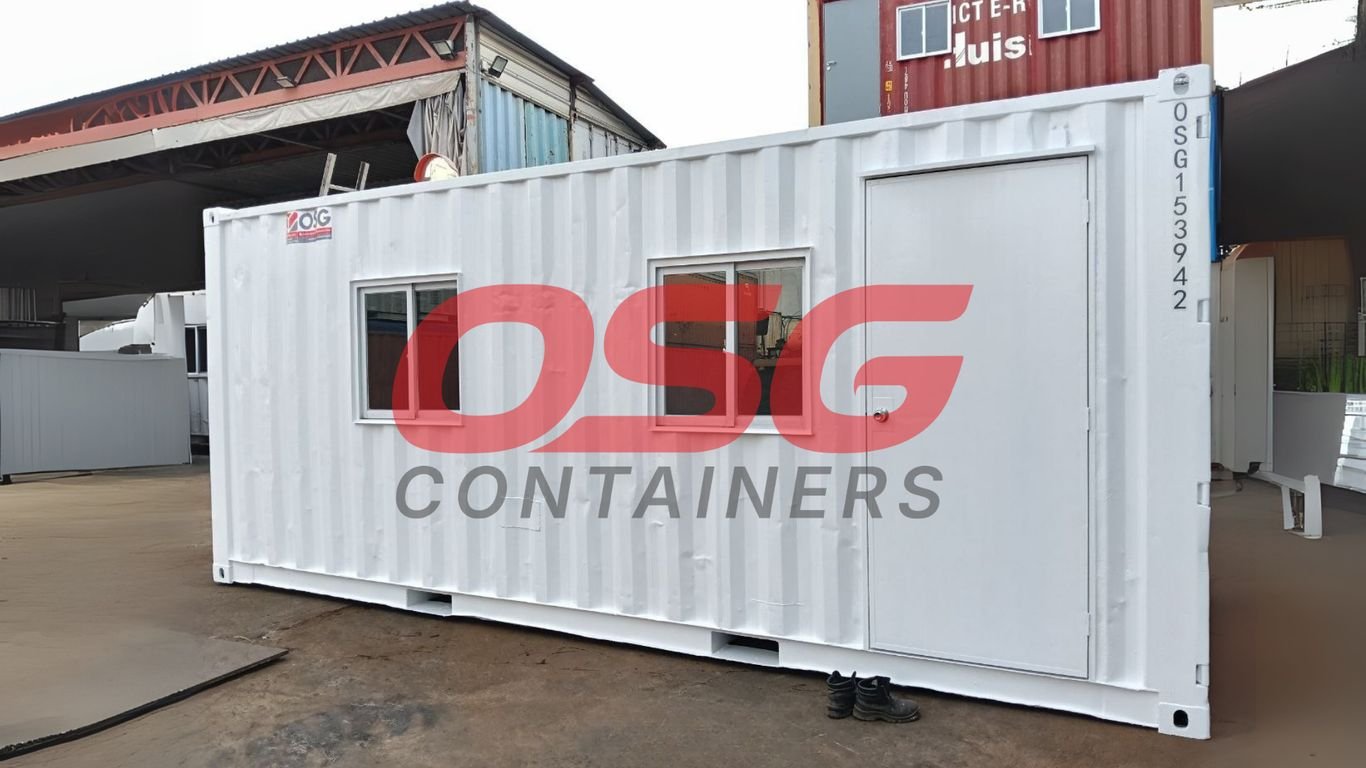
So, you’re thinking about getting a container office? That’s pretty cool. They’re becoming super popular because they’re tough, can be moved, and don’t cost a fortune like building something from scratch. But, and this is a big ‘but,’ there are definitely things people forget to think about when they’re planning one. It’s not just about dropping a box in your yard and calling it an office. There’s more to it than you might think, and getting these details right makes all the difference.
Key Takeaways
- Make sure the ground where your container office will sit is flat and solid. Delivery trucks need a clear path, and an uneven surface can cause problems later.
- Always check local rules and get any needed permits before you start. Your container office might be seen as a building, and you don’t want any trouble.
- Insulation is a must for a comfortable workspace. Think about heating, cooling, and fresh air so you can actually work there all year.
- Figure out how you’ll get power and internet to your container office. Running wires or setting up solar panels needs planning before it’s delivered.
- When picking a supplier for your container office, look at the size and condition of the containers they have, and make sure they’re upfront about everything.
Foundation And Site Preparation For Your Container Office
So, you’re thinking about getting a container office. That’s pretty cool. They’re becoming super popular because they’re tough, can be moved, and don’t cost a fortune like building something from scratch. But, and this is a big ‘but,’ there are definitely things people forget to think about when they’re planning one. It’s not just about dropping a box in your yard and calling it an office. There’s more to it than you might think, and getting these details right makes all the difference.
Ensuring A Level And Stable Surface
Getting your container office set up right starts with the ground it sits on. You can’t just plop a container down anywhere and expect it to be stable. The foundation is everything for a long-lasting container office. Think about it: if the ground isn’t level, your doors might not close right, and water could pool up, leading to rust. You need a solid base. This usually means compacting the soil and then adding a layer of gravel or crushed stone. Some folks go with concrete pads, which are super stable but cost more. Others use concrete blocks or even treated lumber, but you’ve got to make sure they’re perfectly level and won’t shift.
Here’s a quick look at common foundation materials:
| Material | Pros |
|---|---|
| Concrete Pad | Very stable, durable, level surface |
| Gravel/Crushed Stone | Good drainage, less expensive |
| Concrete Blocks | Relatively inexpensive, adjustable |
| Treated Lumber | Affordable, easy to work with |
A simple gravel base might work for a temporary setup, but if you plan to use your container office for years, you’ll want to invest in a more robust foundation. Concrete piers or a full concrete slab offer the best long-term stability and protection against shifting ground and water damage.
Clearing Access For Delivery Trucks
So, you’ve got the perfect spot picked out for your container office, but can the delivery truck actually get there? This is a big one that people often forget. Delivery trucks, especially the ones carrying heavy containers, need a clear path. We’re talking about enough space to turn, maneuver, and back up without hitting anything. Check for low-hanging branches, power lines, narrow driveways, or tight corners. If your site is tricky to access, you might need to arrange for a crane to lift the container into place, which adds to the cost. It’s way better to figure this out before the truck shows up and gets stuck.
- Plan for ample turning radius: Trucks need more space than you might think to navigate corners.
- Inspect overhead clearance: Watch out for trees, wires, and other obstructions.
- Assess ground stability: The path needs to support the weight of a heavy truck.
Considering Foundation Options For Durability
When you’re thinking about how to support your container office, durability is key. You want something that will last and keep your office safe from the elements. A simple gravel base might work for a temporary setup, but if you plan to use your container office for years, you’ll want to invest in a more robust foundation. Concrete piers or a full concrete slab offer the best long-term stability and protection against shifting ground and water damage. These options also help keep the container elevated, which is important for preventing rust at the bottom. Think about your local climate too – areas with heavy rain or frost might need a more substantial foundation to prevent issues down the line.
Navigating Regulations And Permits For Container Offices
So, you’re thinking about getting a container office. That’s pretty cool. They’re becoming super popular because they’re tough, can be moved, and don’t cost a fortune like building something from scratch. But, and this is a big ‘but,’ there are definitely things people forget to think about when they’re planning one. It’s not just about dropping a box in your yard and calling it an office. There’s more to it than you might think, and getting these details right makes all the difference.
Understanding Local Zoning Laws
Before you even start looking at containers, you absolutely need to check your local zoning ordinances. Most towns have these online, or you can call the planning department. See if there are restrictions on accessory dwelling units (ADUs) or temporary structures. Sometimes container offices fall into these categories. You’ll want to check for any size or height limitations too. You don’t want to buy a container only to find out it’s too big for the rules.
Securing Necessary Building Permits
Once you know zoning isn’t a dead end, you’ll likely need a permit. Think of it as official permission from your local government to proceed. The exact type of permit can vary a lot depending on where you live and how you plan to use your container office. You might need a building permit if you’re doing significant modifications like adding plumbing or electrical. A land use permit confirms your intended use aligns with local plans. Be prepared for inspections, especially if it involves structural changes or utilities.
Compliance With Municipal Requirements
How your container office is classified can really affect the permit process. Is it a permanent fixture? Is it temporary? Is it considered a commercial building or an accessory structure? If you plan to move it later, it might be classified as temporary, which often has simpler rules. If it’s bolted down and hooked up to utilities permanently, it’s likely seen as permanent. If you’re running a business out of it, even a small one, there might be different rules than if it’s just a personal hobby space. Often, a container office in a backyard is considered an accessory structure, like a shed or garage, and will have its own set of regulations.
It might seem like a hassle, but getting the right permits means your container office is compliant and avoids potential fines or orders to remove it later. It’s always better to get permission upfront than to deal with problems after the fact.
Here’s a quick look at what you might need:
- Zoning Check: Confirm your container office fits local land use rules.
- Permit Application: Apply for building, land use, or other required permits.
- Inspections: Schedule and pass any necessary site or construction inspections.
- Classification: Understand if your office is temporary, permanent, or commercial.
Climate Control And Comfort In Your Container Office
So, you’ve got your container office all set up, but now comes the part that really makes it livable: making sure it’s comfortable year-round. Nobody wants to be sweating buckets in July or shivering in January while trying to get work done. This is where insulation and climate control really shine. Shipping containers are basically big metal boxes, which means they’re going to absorb heat like crazy in the summer and lose it just as fast in the winter. Insulation is your best friend here; it acts like a barrier, keeping the outside temperatures from messing with your inside vibe.
Importance Of Proper Insulation
When planning your climate control, remember to factor in the power requirements for any heating or cooling systems you choose. You don’t want to get everything installed only to find out your electrical setup can’t handle the load. The R-value is what you’ll want to look at when comparing insulation types; a higher R-value means better insulation.
Here are a few common insulation methods:
- Spray Foam Insulation: This is a really popular choice for container offices. It expands to fill every nook and cranny, creating a super tight seal. It’s great for both temperature control and blocking out sound. Plus, it adds a bit of structural rigidity.
- Rigid Foam Boards: These come in panels and are easier to install yourself if you’re feeling handy. You’ll want to make sure you seal up all the gaps really well between the boards and the container walls.
- Fiberglass Batts: This is the classic pink stuff you see in houses. It’s a budget-friendly option, but you need to be careful about moisture. If it gets wet, it loses its effectiveness and can lead to mold issues.
Keeping your container office at a comfortable temperature and ensuring good air quality isn’t just about luxury; it directly impacts your productivity and well-being. A space that’s too hot, too cold, or stuffy will make it hard to focus and can even lead to headaches or fatigue. Think of it as an investment in your work performance.
Selecting Heating And Cooling Systems
Once your container is insulated, you need a way to actively manage the temperature. Trying to heat or cool a metal box without insulation is like trying to fill a leaky bucket – a lot of wasted energy.
- Mini-Split Systems: These are fantastic for container offices. They’re super energy-efficient, quiet, and provide both heating and cooling. You just need a place to mount the indoor unit and a small outdoor unit, plus a way to get power to them.
- Window Units: A more budget-friendly option, but they can be less efficient and might not look as sleek. They also take up valuable window space.
- Portable Heaters/AC Units: These are okay for temporary use or if you only need to adjust the temperature slightly, but they’re generally not the best for consistent, year-round comfort.
Ensuring Adequate Ventilation
This is something people often forget, but it’s super important. When you’ve got a well-sealed, insulated container, you can end up with stale air. Good ventilation means fresh air circulating, which is better for your health and helps prevent moisture buildup.
- Exhaust Fans: Installing a small exhaust fan, especially in a kitchenette or bathroom area if you have one, can make a big difference.
- Opening Windows: If you have windows, opening them up regularly, even for a few minutes, can help clear out stale air.
- Heat Recovery Ventilators (HRVs) or Energy Recovery Ventilators (ERVs): For a more advanced setup, these systems bring in fresh air while exhausting stale air, and they help recover some of the heat or coolness from the outgoing air, making them very efficient.
Essential Utilities And Connectivity For A Functional Container Office
Okay, so you’ve got your container office sorted, maybe it’s insulated and looking sharp. But how do you actually make it work? We’re talking lights, computers, that all-important coffee maker, and, of course, internet. It’s easy to get caught up in the cool factor of a container office and forget these basics, but without them, it’s just a metal box.
Planning For Electrical Power Needs
Most people hook up their container office to their home’s electrical system. This usually means hiring an electrician to run a new line and install a small electrical panel inside the container. They’ll make sure it’s all up to code and safe, which is definitely not a DIY job. You need to think about what you’ll be plugging in. A simple setup for a laptop and lights is one thing, but if you’re running heavy machinery or multiple monitors, your power needs go up.
Here’s a rough idea of what uses power:
- Lighting: Even efficient LEDs use some power.
- Electronics: Laptops, monitors, printers, chargers.
- Climate Control: Heating and cooling systems can be big power hogs.
- Small Appliances: Coffee maker, mini-fridge, microwave.
Exploring Solar Power Options
If you’re aiming for a more off-grid setup or just want to save on electricity bills, solar panels are a solid option, especially if your container is parked in a sunny spot. It’s a bit more of an upfront cost, involving panels, batteries for storage, and an inverter to convert the power. But the long-term savings and the environmental pluses can be pretty appealing. You’ll need to figure out how much power you actually use to size the system correctly.
Establishing Reliable Internet Access
Let’s be real, in today’s world, you need good internet. If your home Wi-Fi signal is weak or doesn’t reach your container office, you’ve got a few ways to fix it. You could try a Wi-Fi extender or a mesh network system to boost the signal. Running an Ethernet cable directly from your router to the container is usually the most stable option. For really demanding needs or if the container is far from your house, you might even look into getting a separate internet service line, though that’s typically the most expensive route.
Getting your power and internet sorted early on makes a huge difference. It’s easy to overlook these things when you’re excited about the container itself, but without them, your "office" is just a metal box.
Choosing The Right Supplier For Your Container Office
Finding the right place to get your container office is a pretty big deal. It’s not just about grabbing the first one you see or the cheapest one available. You want a supplier who really gets what you’re trying to do and can help you get there without a ton of hassle. Think of them as a partner in this whole project. A good supplier makes the whole process smoother, from picking the right container to getting it ready for you.
Evaluating Container Condition And Selection
When you’re looking at office containers, the first things to check are size and condition. You don’t want to end up with a container that’s too small to work in comfortably, or one that’s full of rust and holes. Suppliers should be upfront about the dimensions and the state of their containers. It’s good to have options, so look for a supplier with a decent selection.
Here’s a quick rundown of what to look for:
- Size: Does it fit your needs? Consider desk space, storage, and maybe even a small meeting area. Standard sizes are 20ft and 40ft, but custom sizes might be available.
- Condition: Are you buying new or used? Used containers can be cheaper, but inspect them carefully. Look for dents, rust spots, and check the doors and seals. A "one-trip" container is often a good middle ground – used but in great shape.
- Structural Integrity: The container needs to be solid. Suppliers should be able to tell you about its history and any repairs it might have had.
Understanding Pricing And Hidden Fees
Always ask for clear pricing upfront. You should know exactly what you’re paying for, including delivery and any modifications. Some suppliers might seem cheaper at first glance, but then tack on extra fees for things like transport, permits, or even basic site prep. Don’t be afraid to ask questions and get everything in writing. A transparent supplier is usually a trustworthy one.
Assessing Supplier Responsiveness And Support
Beyond the physical container, how the supplier operates matters a lot. Are they open about their pricing? Do they answer your questions clearly and quickly? Good support means they’re there to help you figure out the best options for your specific situation, and they’ll likely be there if any issues pop up after delivery. It’s helpful if they can also assist with customization ideas.
It’s easy to get caught up in the novelty of containers as offices, but remember these are still industrial products. A supplier’s honesty about a container’s past life and its current state is a strong indicator of their reliability. Picking the right supplier sets the stage for a successful and stress-free container office project.
Enhancing Your Container Office Aesthetics And Functionality
Customizing Interior Layouts For Productivity
So, you’ve got your container, and it’s sturdy and ready. Now, let’s talk about making the inside actually work for you. It’s not just about shoving a desk in there; it’s about creating a space where you can actually get stuff done without feeling cramped or distracted. Think about how you work best. Do you need a quiet corner for calls? Maybe a big open area for spreading out plans? You can really tailor the inside of your office containers.
- Define Zones: Even in a small space, you can create different areas. A "work zone" with your desk and computer, a "meeting zone" with a couple of chairs, and maybe a "break zone" with a small coffee station. This helps mentally separate tasks.
- Smart Storage: Forget clutter. Built-in shelves, wall-mounted organizers, and even under-desk drawers can make a huge difference. Think vertically to save floor space.
- Flexibility is Key: Consider furniture that can be moved or folded away. A fold-down desk or a modular seating arrangement can give you more room when you need it.
Designing An Appealing Exterior
Don’t let your container office look like, well, a shipping container. A little effort on the outside can make a big difference, not just for curb appeal but for your own enjoyment of the space. It’s your workspace, after all! Making containers as offices look good is totally doable.
- Paint Power: A fresh coat of paint in a color that suits your style or brand can transform the look. Consider durable exterior paints designed for metal.
- Add Windows and Doors: Upgrading from the standard container door to a glass-paneled door or adding extra windows can let in natural light and make the space feel more inviting.
- Cladding Options: For a more permanent or polished look, you could add wood siding, metal panels, or even a decorative screen. This also adds an extra layer of insulation.
Remember, the exterior is the first impression. Whether it’s for clients visiting or just for your own daily view, making it look good matters.
Integrating Smart Technology Features
We live in a connected world, and your container office can be too. Smart tech isn’t just for fancy homes; it can make your workspace more efficient and comfortable. Think about smart lighting you control with your phone or a smart thermostat to keep the temperature just right without you having to get up.
Protecting Your Container Office From The Elements
So, you’ve got your container office all set up, looking sharp and ready for business. But wait, what about Mother Nature? These steel boxes are tough, sure, but they aren’t invincible. Rain, sun, wind – they can all take a toll if you’re not careful. Thinking ahead about weather protection is key to making sure your office lasts.
Anchoring Against Wind and Shifting Ground
Depending on where you live, wind can be a serious issue. A strong gust could potentially shift or even tip over a container, especially if it’s empty or not properly secured. You’ll want to look into anchoring options. This might involve bolting the container to a concrete foundation or using tie-down straps connected to ground anchors. It might seem like overkill, but better safe than sorry, right?
- Bolt to a concrete foundation: This is the most secure method, creating a permanent, stable base.
- Use ground anchors and tie-down straps: Suitable for less extreme conditions or where a permanent foundation isn’t feasible.
- Consider weight distribution: Keeping heavier items towards the center can improve stability.
Adding Protective Roof Structures
Also, consider adding a simple sloped roof structure over the top if you get heavy snow or a lot of rain. It adds an extra layer of protection and helps direct water away from the container walls and doors. This can prevent water from pooling on the roof, which can lead to leaks or rust over time. A simple pitched roof, made from metal or even durable wood, can make a big difference.
Preventing Rust and Water Damage
Shipping containers are made of steel, and steel, as we all know, can rust. This is especially true if your container is older or has seen a lot of salty sea air. The best way to fight this is with a good coat of rust-inhibiting paint. You can get these at most hardware stores. It’s not just about slapping on any old paint; you want something specifically designed to stop rust in its tracks. Make sure the surface is clean and dry before you start painting. A little prep work here goes a long way. Also, it’s a good idea to put your container on some kind of foundation or blocks. This lifts it off the ground, allowing air to circulate and water to drain away freely. Think concrete piers, sturdy blocks, or even a gravel pad. This simple step can save you a lot of headaches down the road.
Don’t underestimate the power of the elements. A little bit of foresight in protecting your container office can prevent costly repairs and keep your workspace functional for years to come. It’s about being proactive, not reactive.
Wrapping It Up
So, you’ve seen that turning a shipping container into an office is totally doable and can be pretty awesome. It’s easy to get excited about the cool design ideas and making it look sharp. But don’t forget those less glamorous, yet super important, details we talked about. Checking local rules, making sure the ground is solid, and figuring out how the delivery truck will even get to your spot are big deals. Taking care of these practical things upfront means your new workspace will be ready to go without any major headaches, letting you get back to what you do best.
Frequently Asked Questions
What’s the very first thing I should do before getting a container office?
Before you even buy anything, you absolutely need to check your local rules, like zoning laws. Some towns have strict rules about building new things, even on your own property. You might need a special paper called a permit, or maybe an inspection. It’s much easier to ask first than to get into trouble later!
Why is it so important for the ground to be flat for my container office?
Imagine putting a wobbly table on a bumpy floor – it’s not stable, right? The same goes for a container office. If the ground isn’t flat and solid, the container can lean, making doors hard to open and everything inside unstable. Using concrete, gravel, or strong blocks can create a safe and steady spot.
How can I make sure my container office stays comfortable all year round?
To stay comfy no matter the weather, good insulation is key. Think of it like a cozy blanket for your office. Spray foam insulation works great. You’ll also need a way to heat and cool it, like a mini-split system, which is small and efficient. And don’t forget to let fresh air in – good ventilation keeps the air clean.
What about electricity and internet for my container office?
You’ll need power for lights and your computer. You can connect it to your home’s electricity, usually with an electrician’s help. Solar panels are another cool option if you want to use the sun’s energy! For internet, if your home Wi-Fi doesn’t reach, you can try a mesh network, run a cable, or get a separate internet plan. Just figure out what you need for your work.
How do I choose the right company to buy my container office from?
When picking a seller, look for one that has lots of containers to choose from, so you can find the perfect size and condition. Make sure they’re honest about the container’s details and price. It’s also helpful if they offer good support and can help you customize the container to make it exactly how you want it.
Can I make my container office look nice and add cool features?
Absolutely! Containers are like blank canvases. You can design the inside to be super organized with desks and shelves. For the outside, you can add things like big glass doors or cool paint colors to make it look amazing. You can even add smart tech, like lights you control with your phone, to make it modern and convenient.