Singapore
 Australia
 Indonesia
 Japan
Japan Malaysia
 New Zealand
 Philippines
 South Korea
 Taiwan
 Thailand
 VIETNAM
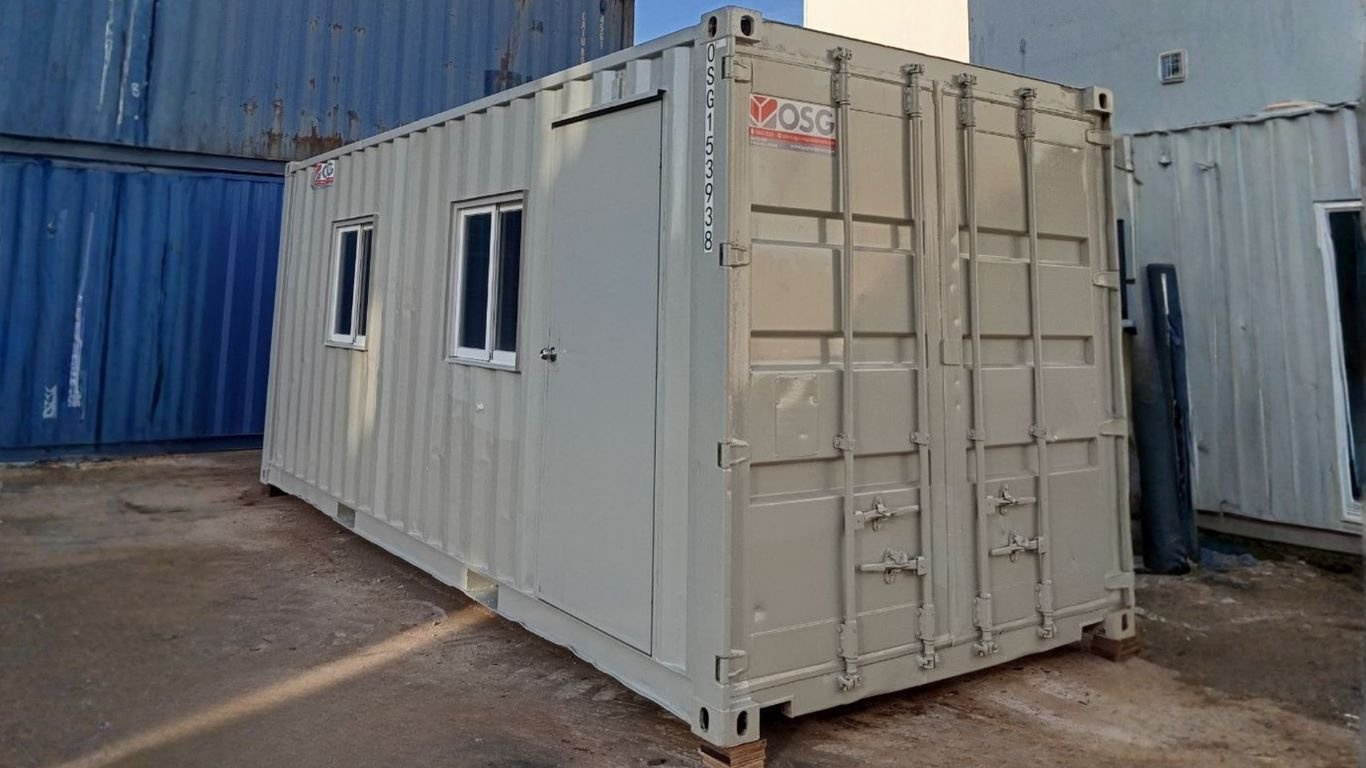
Thinking about a container office for your business? They’ve become pretty popular, and for good reason. It’s not just about being trendy; these steel boxes offer some real practical benefits over traditional buildings. But like any big decision, you need to know what you’re getting into. This guide will walk you through the important stuff to consider before you invest in a container office, covering everything from cost and durability to environmental impact and setup.
Key Takeaways
- Container offices are often cheaper and faster to set up than traditional buildings, making them a practical choice for many businesses.
- Built from strong steel, these units are durable and can handle tough weather, offering a long lifespan with relatively low maintenance.
- Getting permits for container offices can sometimes be tricky, and modifications need careful planning to keep the structure sound.
- Repurposing shipping containers is environmentally friendly, reducing waste and the need for new building materials.
- While the initial cost is comparable to mobile trailers, container offices often provide better long-term value due to their durability and lower upkeep.
Understanding The Appeal Of Container Offices
So, you’re thinking about container offices? It’s a pretty smart move, honestly. These aren’t just old shipping boxes; they’re becoming a really popular way to get office space quickly and without breaking the bank. Let’s break down why people are so into these office containers.
Cost-Effectiveness Compared To Traditional Buildings
When you look at building something from scratch, like a traditional office, the costs can pile up fast. Think about materials, labor, and all the permits. Container offices, on the other hand, often come in at a much lower price point. You’re essentially buying a pre-made, sturdy structure that just needs to be set up and customized. This means you can get your business up and running with a functional office space for significantly less money than you’d spend on a brick-and-mortar building. It’s a big win for businesses watching their budget.
Speed Of Deployment
Time is money, right? And with container offices, you get that space fast. Instead of waiting months for a traditional building to be constructed, a container office can often be delivered and set up in a matter of days or weeks. This speed is a game-changer, especially for businesses that need to expand quickly or set up temporary sites for projects. You can go from needing an office to having one ready to use much quicker than you might imagine.
Adaptability And Customization Options
Don’t think these are just plain boxes. The beauty of containers as offices is how adaptable they are. You can get them outfitted with insulation, electricity, plumbing, and even HVAC systems. Need a few small offices, a conference room, and a break area? No problem. You can connect multiple containers to create larger, more complex layouts. Plus, you can customize the exterior and interior to match your company’s branding or specific needs. It’s about getting a space that works exactly how you need it to.
The flexibility of these structures means you’re not locked into a rigid design. You can reconfigure them, add to them, or even move them if your business needs change. It’s a practical solution for a dynamic business world.
Here’s a quick look at what makes them so appealing:
- Lower Upfront Costs: Generally cheaper than new construction.
- Rapid Setup: Get operational much faster.
- Flexible Design: Adaptable to various layouts and needs.
- Durable Structure: Built to withstand tough conditions.
Assessing The Durability And Longevity
Structural Integrity Of Steel Containers
When you’re looking at a container office, the first thing to notice is what it’s made of: steel. These aren’t just any old metal boxes; they’re built from high-grade steel, designed to be stacked dozens high on cargo ships and tossed around by cranes. This means they’re incredibly strong. Their inherent structural integrity is a major selling point for anyone worried about their office space holding up over time. They can handle a lot of weight and pressure without bending or breaking. Unlike lighter materials, steel offers a solid, dependable foundation that’s hard to damage.
Resistance To Harsh Weather Conditions
Think about where shipping containers usually end up: out at sea, exposed to salt spray, wind, and all sorts of weather. They’re built to survive that. This translates directly to their performance as an office. Rain, snow, intense sun, and strong winds are generally not a problem for a well-maintained container office. They don’t warp like wood or get easily battered by hail like some trailer materials. Of course, proper sealing around doors and windows is important, but the core structure is tough.
Here’s a quick look at how they stack up against mobile trailers:
| Feature | Office Container | Mobile Office Trailer |
|---|---|---|
| Primary Material | High-grade steel | Lighter composites |
| Wind Resistance | Excellent | Good |
| Impact Resistance | Excellent | Fair |
| Resistance to Rust/Corrosion | Good (with treatment) | Fair (depends on material) |
Lifespan And Maintenance Requirements
So, how long can you expect one of these to last? A standard shipping container, if it’s in decent shape to begin with and you take care of it, can easily last 25 years or more. Some folks even say they can last much longer, especially if they’re not moved around too often. Maintenance is usually pretty straightforward. You’ll want to keep an eye on the paint or protective coating to prevent rust, especially around any cutouts you make for doors or windows. Resealing those areas periodically is a good idea. The doors and hinges might need a bit of lubrication now and then. It’s generally much less involved than maintaining a mobile trailer.
Mobile trailers, on the other hand, have more moving parts. They have tires, brakes, and suspension systems that are essentially like those on a car or truck. These components wear out over time, especially if the trailer is moved frequently. You’ll need regular checks on tires, brakes, and suspension. Rust can also be a bigger issue on the chassis and undercarriage. While a trailer might last 20 years if it sits in one spot and is well-cared for, frequent moves can significantly shorten that lifespan and increase upkeep costs.
When you’re weighing the long-term value, it’s not just about the initial price. Think about how much upkeep each option will need over the years. A container’s robust steel body means less worry about wear and tear from the elements or minor bumps, potentially saving you money and hassle down the road compared to a trailer with more delicate components.
Here’s a general idea of what maintenance might look like:
- Container Offices: Periodic checks of exterior paint/coatings, occasional resealing of doors/windows, minimal structural upkeep needed.
- Mobile Office Trailers: Regular tire checks, brake inspections, potential suspension repairs, rust treatment on the chassis, and more frequent exterior panel checks for dents or damage.
Navigating The Permitting And Modification Process
So, you’ve decided a container office is the way to go. That’s great! But before you start picturing your new workspace, there are a couple of hurdles to jump over, mainly around getting the right paperwork and making sure any changes you want to make are safe.
Challenges In Obtaining Permits
Getting the green light from your local authorities can sometimes be a bit of a puzzle. Since container offices aren’t as common as traditional buildings in some areas, zoning boards and building departments might not have a clear process for them yet. This can lead to delays or confusion. It’s really helpful to connect with local container suppliers who know the drill in your specific area. They often have experience dealing with these permit applications and can guide you through what’s needed.
Structural Considerations During Modifications
These steel boxes are tough, no doubt. But when you start cutting holes for doors, windows, or running utilities, you’re altering the original structure. This is where things can get tricky if not done right. For instance, taking out a big chunk of a wall might weaken the container’s ability to hold up its roof, especially if you get a lot of snow. You might need to add extra support, like reinforcing walls or adding a stronger roof structure, depending on your climate and what you plan to do.
Here’s a quick look at common modifications and what to think about:
- Windows and Doors: Cutting openings requires careful planning to maintain structural integrity. Reinforcement around the frame is often necessary.
- Interior Walls: Adding internal partitions is usually straightforward, but ensure they don’t interfere with the container’s load-bearing points.
- Plumbing and Electrical: These require precise cuts and proper sealing to prevent leaks and ensure safety.
- Roof Additions: If you plan to add a heavier roof or HVAC units, the container’s frame must be able to support the extra weight.
When you’re planning modifications, always think about the container’s original design. It’s built to be stacked and moved, so its strength comes from its frame and corner posts. Messing with these without proper reinforcement can cause problems down the line.
Importance Of Expert Guidance
Because of the unique nature of modifying shipping containers, getting advice from people who know these structures inside and out is a smart move. This includes:
- Container Modification Specialists: Companies that regularly convert containers understand the engineering involved.
- Local Contractors: Find builders familiar with both construction codes and container structures.
- Architects or Engineers: For complex designs or if required by your local building department, professional design input is key.
Working with these experts can help you avoid costly mistakes, ensure your modified container meets all safety standards, and get your permits approved without a hitch.
Exploring The Environmental Advantages
When you’re thinking about setting up an office space, it’s easy to focus just on the immediate needs and costs. But what about the impact on our planet? Container offices actually have a pretty good story to tell when it comes to being kind to the environment.
Repurposing Shipping Containers For New Use
This is where container offices really stand out. Imagine those big steel boxes that have already traveled the world on ships. Instead of letting them sit around and eventually become scrap, we’re giving them a second chance at life as functional workspaces. It’s a form of upcycling, really. By using a container that already exists, we cut down on the need to manufacture brand-new building materials. This means less energy used in production, fewer raw resources taken from the earth, and a lot less waste ending up in landfills. It’s a straightforward way to make your project more eco-friendly.
Reduced Need For New Building Materials
Because container offices start with a pre-existing structure, they significantly cut down on the demand for new steel, wood, and concrete that traditional buildings require. This conserves natural resources and reduces the energy-intensive processes involved in manufacturing these materials from scratch. It’s a smart way to build with what’s already available.
Lower Overall Carbon Footprint
When you compare the entire lifecycle, a container office generally has a smaller carbon footprint than a newly constructed building or even a standard mobile office trailer. The energy required to modify an existing container is typically much less than the energy needed to produce all the components for a new trailer or build a conventional structure. This means less greenhouse gas emissions associated with your office space.
Here’s a quick look at why they’re a greener choice:
- Upcycling: Gives retired shipping containers a useful new purpose.
- Resource Conservation: Lessens the demand for virgin raw materials.
- Energy Savings: Reduces the energy needed for manufacturing compared to new builds.
- Waste Diversion: Keeps large steel structures out of scrap yards.
Choosing a container office is a practical step towards more sustainable business operations. It aligns with a growing awareness of environmental responsibility, showing that functional workspaces can also be mindful of their impact on the planet.
Comparing Initial Investment And Setup Costs
When you’re looking at getting a new office space for your site, the money you spend upfront is a big deal. It’s not just about the price tag on the unit itself; there are other costs that can sneak up on you if you’re not careful. Let’s break down what you can expect to pay when comparing container offices to other options, like mobile trailers.
Upfront Purchase Price Comparison
It’s a common thought that container offices are always cheaper, but the initial price can actually be pretty close to that of a mobile office trailer. The cost really depends on whether you’re buying new or used, and what features you need. For a basic used container office, you might be looking at spending anywhere from $2,000 to $6,000. Mobile office trailers, on the other hand, often start a bit higher, maybe $4,000 to $10,000, and that can go up quickly if you add extras.
| Unit Type | Estimated Price Range (USD) | Notes |
|---|---|---|
| Used Container Office | $2,000 – $6,000+ | Can be more affordable for ownership |
| Mobile Office Trailer | $4,000 – $10,000+ | May include basic setup, but extras add up |
The sticker price is only part of the story; consider the long-term value and your specific needs.
Installation And Site Preparation Expenses
Getting your new office onto your site is where more costs can come into play. Mobile trailers usually need to be leveled and secured, which might cost a few hundred dollars for blocking and jacking. Container offices, since they’re not on wheels, need to be moved into place with heavy equipment like a crane or forklift. This delivery and placement can sometimes run up to $1,000. Plus, you might need to budget for things like stairs, ramps, or even speed bumps to make sure everything is safe and accessible.
- Delivery & Placement: Factor in costs for cranes, forklifts, or specialized trucks.
- Site Prep: This could include leveling the ground, pouring a foundation, or ensuring proper drainage.
- Accessory Installation: Budget for stairs, ramps, skirting, or utility hookups.
Depreciation And Tax Considerations
When it comes to taxes, both container offices and mobile trailers are often treated similarly. They typically fall under a seven-year depreciation schedule. This means you can write off the cost of the unit over a seven-year period for tax purposes. It doesn’t necessarily mean the unit will only last seven years, but it’s how the taxman looks at its value over time. Understanding these tax implications can help you plan your budget more effectively for the long haul.
Planning for these upfront and setup costs is key. It’s easy to get caught up in the base price, but don’t forget the expenses that come after the purchase. A little bit of research upfront can save you a lot of headaches and unexpected bills down the road.
Evaluating Security And Site Suitability
When you’re setting up an office, especially if it’s going to house valuable equipment or sensitive documents, security and how well it’s built are pretty big deals. You want to know your stuff is safe from the elements and from people who shouldn’t be there. Let’s break down how office containers and mobile trailers stack up.
Superior Security Features Of Steel
Office containers, which are basically repurposed shipping containers, are built tough. They’re made from thick, high-grade steel. This makes them incredibly strong and resistant to damage. Think about it – these things are designed to be stacked high on ships and travel across oceans, facing all sorts of weather. They usually come with solid, lockable doors that are hard to force open. This inherent strength means they offer a really good level of protection against break-ins and vandalism. Plus, their solid walls are a great barrier against wind and rain, keeping everything inside dry and secure.
Protection Against Vandalism And Theft
Compared to typical mobile office trailers, which are often constructed with lighter materials, steel containers present a more formidable defense. Trailers can sometimes have thinner walls and windows that might be easier to compromise. If your site is prone to theft or vandalism, a container office provides a much higher level of peace of mind. Their robust construction acts as a significant deterrent.
Suitability For Various Site Conditions
Container offices are surprisingly adaptable to different locations. Because they’re built to withstand the rigors of shipping, they’re naturally resistant to harsh weather. This means they hold up well in areas with strong winds, heavy rain, or even significant temperature fluctuations. Their solid steel structure also means they can be placed on a variety of surfaces, though proper site preparation is always recommended to ensure stability. Unlike trailers that might require specific ground conditions or extensive leveling, containers are generally more forgiving.
Here’s a quick comparison:
| Feature | Office Container | Mobile Office Trailer |
|---|---|---|
| Primary Material | High-grade steel | Lighter composites |
| Theft Resistance | Very High | Moderate |
| Vandalism Resistance | Very High | Moderate |
| Wind Resistance | Excellent | Good |
| Impact Resistance | Excellent | Fair |
When choosing between a container office and a mobile trailer, think about the specific risks of your location. If your site is prone to theft, vandalism, or extreme weather, the superior structural integrity and security of a steel container office are significant advantages. It’s about investing in a space that not only functions as an office but also reliably protects your assets and personnel.
Considering Long-Term Value And Mobility
Long-Term Cost-Effectiveness Of Ownership
When you’re looking at the big picture, container offices really start to shine. Unlike mobile trailers that can feel like a temporary fix, these steel boxes are built to last. Think about it: they’re designed to handle rough seas and being stacked high. This means they’re incredibly tough. While a mobile trailer might start showing its age after a decade, especially if it gets moved around a lot, a well-maintained container office can easily serve you for 25 years or more. This extended lifespan means you get more use out of your initial investment, making it a smarter choice if you plan to keep your office space for a while. Plus, if you decide to sell it down the line, a container office often holds its resale value better than a trailer, which can have a lot of wear and tear from its travels.
Mobility Options For Relocation
Moving your office space doesn’t have to be a headache, but it’s definitely something to think about. Mobile office trailers are built with transport in mind, complete with wheels and axles. However, frequent moves can really wear them down, shortening their lifespan and potentially leading to more repairs. Shipping container offices, while not designed for daily commutes, are surprisingly easy to move when needed. They fit neatly onto standard trucks, and because they’re already built to withstand tough journeys, they handle relocation without much fuss. This means fewer special permits are usually needed compared to trailers, saving you time and money. It’s a big plus if your business moves between sites regularly.
Durability In Demanding Environments
Container offices are practically built for tough spots. Their steel construction means they can take a beating, whether it’s from harsh weather or just the general wear and tear of a busy worksite. They resist rust and corrosion when treated properly, and they’re less likely to get dented or damaged compared to the thinner walls of some mobile trailers. This makes them a solid choice for locations that might not be the most pristine or for businesses that operate in challenging conditions. You’re not constantly worrying about minor impacts or the elements degrading your workspace.
Here’s a quick look at how they stack up over time:
| Feature | Mobile Office Trailer | Shipping Container Office |
|---|---|---|
| Estimated Lifespan | 15-20 years (less if moved often) | 25+ years |
| Resale Value | Decreases faster | Holds value better |
| Ease of Relocation | Built for it, but wears down | Simpler transport, less wear |
| Weather Resistance | Good | Excellent |
When you’re weighing the options, don’t just look at the sticker price. Think about how long you need the space, how often you might move it, and what kind of conditions it will face. The upfront cost is only part of the story; the real value comes from how well it performs and lasts over the years.
So, What’s the Verdict?
Alright, so we’ve talked a lot about container offices. They’re tough, they can be really cost-effective, and honestly, they’re a pretty good choice for the planet since you’re reusing something that’s already been made. They can handle rough weather and last a long time, which is a big plus if you’re not planning on moving your office every few months. While getting permits might take a little extra effort in some places, and you need to make sure they’re set up right so they stay strong, the benefits often outweigh the hassle. Think about what you really need – how long you’ll be there, what the weather’s like, and how much space you need. For many situations, especially if you’re looking for a durable, long-term workspace that won’t break the bank or the environment, a container office is definitely worth a serious look.
Frequently Asked Questions
What’s the main difference between a container office and a regular office trailer?
Think of a regular office trailer like a temporary setup, easy to move for short jobs. A container office, though, is made from strong shipping containers, making it super tough and built to last a really long time, perfect for longer projects or when you need something really solid.
Are container offices expensive to buy at first?
Actually, the starting price for both container offices and regular trailers is often pretty close. The real savings with container offices come later because they need fewer repairs and last much longer.
How difficult is it to set up a container office?
Setting up depends on the tools you have. If you have equipment like cranes or forklifts, it’s usually straightforward for both. Without those, a trailer might be a bit easier and cheaper to level. A container typically needs a crane to place it, which can cost more upfront.
Which type of office lasts longer and needs less fixing?
Container offices are built from strong steel and don’t have parts like wheels or brakes that wear out. They can easily last over 25 years with minimal upkeep. Trailers, with their moving parts, need more maintenance and might not last as long, especially if moved often.
Are container offices safer than trailers?
Yes, container offices are generally much more secure. Their thick steel walls make them very strong against break-ins, harsh weather, and vandalism. Trailers are lighter and can be easier targets for damage or theft.
Which office option is better for the environment?
Container offices are the greener choice! They give old shipping containers a new purpose, which is great for recycling. Trailers are often built brand new and, since they don’t last as long, they can create more waste over time. So, a container office is a more eco-friendly option.