Singapore
 Australia
 Indonesia
 Japan
Japan Malaysia
 New Zealand
 Philippines
 South Korea
 Taiwan
 Thailand
 VIETNAM
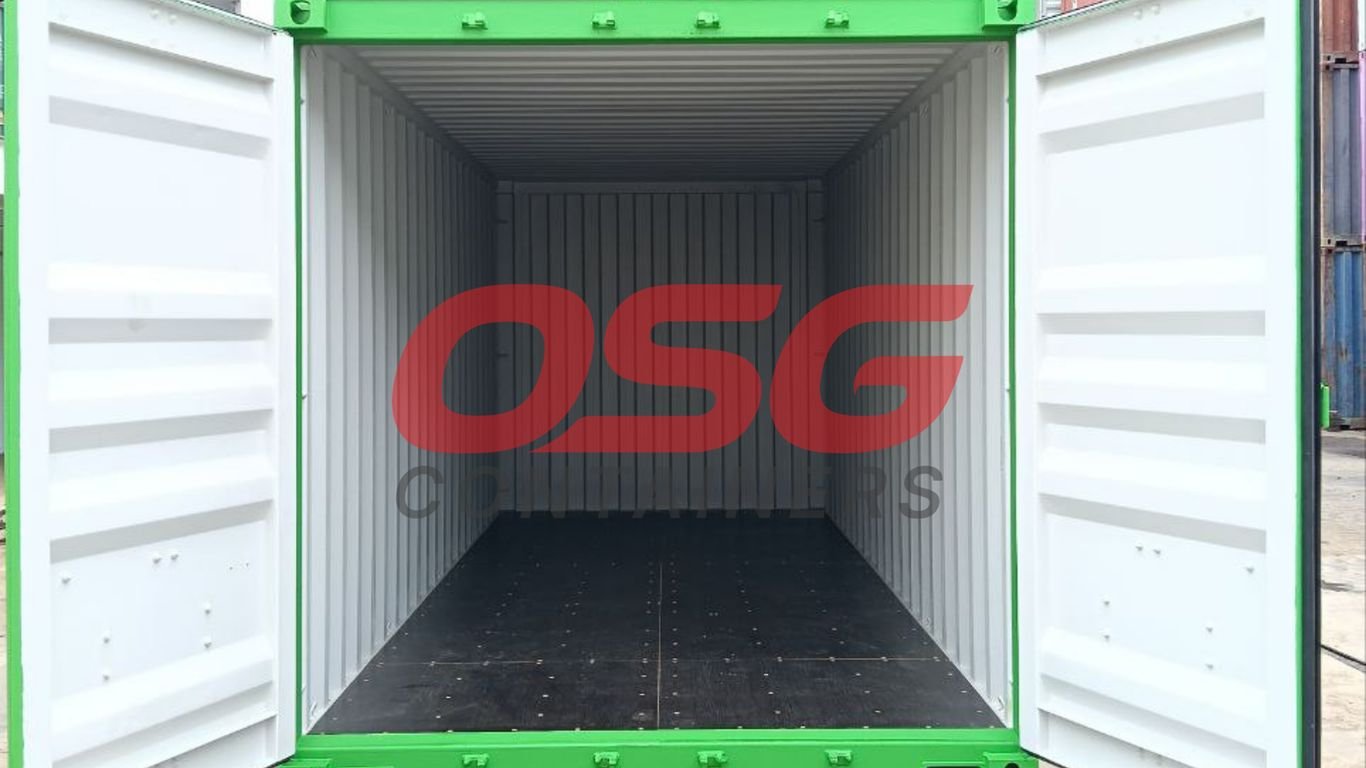
So, you need a shipping container. Maybe for storage, maybe for something more creative. It seems simple enough, right? Just grab a big metal box. But wait, there are actually a lot of different kinds of shipping containers out there, and picking the wrong one can lead to headaches. It’s like buying a car – you wouldn’t just grab the first one you see without thinking about what you need it for. Let’s talk about the common mistakes people make so you can get it right.
Key Takeaways
- Don’t assume all shipping containers are the same; there are various types designed for different needs, like standard dry vans, high cubes for extra height, or specialized ones for liquids or heavy items.
- Buying a used container can save you a lot of money, and they’re built tough, often lasting for decades with proper care. New isn’t always the best option.
- Always check the container’s condition thoroughly. Look beyond just the paint; check for dents, rust, and ensure it’s wind and water-tight if that’s what you need.
- Inspect any container before you buy, and consider getting a third-party report. This is especially true for used containers or if you’re modifying it.
- Plan your delivery carefully. Make sure the path is clear, the ground is prepped, and you understand any weight limits for foundations or delivery routes.
Understanding Different Types Of Shipping Containers
Choosing The Right Container For Your Cargo
When you’re looking to buy a shipping container, whether for retail purposes, potential container homes, or just general storage, it’s easy to get overwhelmed by the options. These big metal boxes aren’t all the same, and picking the wrong one can lead to a whole lot of headaches later on. Think of it like buying a car – you wouldn’t get a sports car if you needed to haul lumber, right? The same logic applies here. The most important thing is to know exactly what you plan to do with the container before you even start looking. What kind of stuff will you be putting in it? How much of it? Does it need to be kept at a certain temperature? Answering these questions first will point you in the right direction.
Beyond Standard Dry Vans: Exploring Specialized Options
Most people picture a standard dry van when they think of a shipping container. These are your workhorses, great for general cargo that doesn’t need special treatment. They’re typically 8 feet wide, 8.5 feet tall, and come in 20 or 40-foot lengths. But what if your cargo is a bit more… unique? That’s where specialized containers come in.
- Refrigerated Containers (Reefers): Need to ship frozen foods or temperature-sensitive pharmaceuticals? Reefers have built-in refrigeration units to maintain a consistent temperature, from freezing to just cool.
- Open-Top Containers: Got something tall that won’t fit through a standard door, like machinery or large pipes? An open-top has a removable roof, allowing you to load cargo from above, often with a crane.
- Flat Rack Containers: These are ideal for oversized items like boats, large vehicles, or construction equipment that might not fit even in an open-top. They have collapsible sides and no roof, making loading from the sides or top easy.
- Tank Containers: For liquids or gases, these specialized containers are built to safely transport bulk fluids.
High Cube Containers For Extra Height Needs
Sometimes, a standard container just doesn’t cut it. If you’re stacking items, using the container for a workspace, or planning on building container homes, that extra vertical space can make a huge difference. This is where High Cube (HC) containers shine. They’re the same width and length as standard containers but offer an extra foot of height, bringing them to 9.5 feet tall. This extra space can be a game-changer, especially if you’re trying to maximize storage or create more comfortable living or working areas. For many projects, especially those involving custom builds or a lot of gear, the added volume of a High Cube makes it the preferred choice over a standard model, even if the price is a bit higher. It’s a small difference in dimensions that can lead to a big difference in usability.
Avoiding Common Pitfalls When Selecting Containers
When you’re looking to buy a shipping container, it’s easy to get caught up in the excitement and overlook some pretty important details. People often make mistakes that end up costing them time and money down the road. Let’s talk about a couple of the big ones so you can steer clear.
The Mistake Of Overlooking Used Container Value
One of the most common slip-ups is assuming you have to buy a brand-new container. New containers come with a hefty price tag, and honestly, they’re often more than you need. Shipping containers are built tough; they’re designed to handle rough seas and all sorts of weather. This means a used container, even one that’s seen a bit of the world, can still be in fantastic shape and serve your purpose for years. The real trick is knowing how to spot a good used one. Don’t just dismiss them because they aren’t fresh off the factory line. A little bit of careful inspection can save you a significant amount of cash.
Why New Isn’t Always Better: Considering Used Options
Think about it: a container might spend 10-15 years on a ship, enduring salt spray and heavy loads. After that, it’s retired from active shipping duty. These retired containers are often still incredibly sturdy and perfectly suitable for storage, workshops, or even as the base for a unique structure. You can find great deals on these units. The key is to look beyond the cosmetic stuff. A few dents or a bit of rust might not matter if the container’s structure is sound and it’s watertight.
Assessing Container Condition: Beyond The Surface
When you’re looking at a used container, don’t just glance at it. You need to get in there and check things out. Here’s a quick rundown of what to look for:
- Structural Integrity: Check the corners, the roof, and the floor. Are there any major dents, rust holes, or signs of buckling?
- Doors and Seals: Open and close the doors. Do they seal properly? Check the rubber gaskets for cracks or missing pieces. This is vital for keeping your cargo dry.
- Floor Condition: Look at the flooring, usually made of marine-grade plywood. Is it rotten, warped, or heavily damaged? Some minor wear is okay, but significant damage means replacement.
- W&T (Wind and Watertight): This is a big one. Shine a flashlight inside with the doors closed and look for any light peeking through. If you see light, water can get in too. A container sg might be advertised as W&T, but you need to verify it yourself.
Buying a shipping container is an investment. Rushing the process or making assumptions can lead to buying a unit that doesn’t meet your needs or has hidden problems. Take your time, do your homework, and inspect thoroughly.
Key Considerations For Container Condition And Grade
When you’re looking at shipping containers, especially if you’re going for a used one, the condition and grade are super important. It’s not just about how it looks on the outside; it’s about whether it can actually do the job you need it to do. Think of it like buying a used car – you wouldn’t just look at the paint job, right? You’d want to know if the engine runs well and if it’s safe to drive.
Understanding Container Grades: From As-Is To IICL
Containers get graded based on their condition and how well they meet certain standards. It’s a way to sort them out so you know what you’re getting. Here’s a quick rundown of the common grades you’ll see:
- IICL (International Institute of Container Lessors): These are top-notch. They’ve been inspected by experts and meet strict guidelines. You’ll usually find these are newer or have been really well-maintained. They’re great if you need something reliable for shipping goods internationally.
- Cargo-Worthy: This means the container is structurally sound and good enough to carry cargo. It might have some cosmetic issues, like dents or scratches from its travels, but it won’t let you down when it comes to holding your stuff.
- Wind and Water Tight (WWT): This is a pretty common grade for used containers. It basically means there are no big holes letting the wind or rain in. It’s a good baseline for storage or if you’re planning some modifications, but it might not be suitable for all types of international shipping.
- As-Is: This is the "buyer beware" category. These containers might have rust, dents, or other problems. They’re sold for cheap, but you really need to know what you’re getting into. They might be okay for certain projects, but you’ll likely need to do some work on them.
What Wind and Water Tight Really Means
So, "Wind and Water Tight" sounds pretty straightforward, but it’s worth digging into a bit. It means the container’s main structure is solid enough that you won’t have weather elements getting inside. This is checked by looking for major structural damage, significant rust holes, or broken seals on the doors. A WWT container is generally considered suitable for storage purposes or for modifications where extreme weather protection isn’t the absolute top priority. However, it’s not a guarantee that it’s perfect for every single shipping need, especially if your cargo is super sensitive to temperature or humidity changes.
Cargo-Worthy Containers: Functionality Over Aesthetics
When a container is labeled "Cargo-Worthy," the main focus is on its ability to safely transport goods. This means it has passed checks for structural integrity. You can expect it to handle the stresses of being loaded, stacked, and moved. However, don’t expect it to look brand new. These containers have likely seen a fair bit of use, so minor cosmetic flaws like paint chips, small dents, or scuffs are common. They’re built for the job, not for show. If your priority is a container that will reliably hold your cargo without falling apart, a cargo-worthy grade is a solid choice, often at a better price point than a "one-trip" or IICL container.
The Importance Of Container Inspection And Certification
Why Thorough Inspection Is Non-Negotiable
So, you’ve found a shipping container that looks pretty good on paper, maybe even a great deal. But hold on a second. Before you hand over any cash or sign on the dotted line, you absolutely have to give it a good once-over. Think of it like buying a used car – you wouldn’t just take the seller’s word for it, right? You’d pop the hood, check the tires, maybe even take it for a spin. Containers are no different, and honestly, they’re a much bigger investment. Skipping a proper inspection is one of the fastest ways to end up with a container that’s not fit for purpose, costing you time, money, and a whole lot of headaches down the road. Whether it’s for storage, a backyard office, or actual shipping, you need to know what you’re getting.
The Value Of Third-Party Surveyor Reports
While you can certainly do your own inspection, sometimes you need a professional opinion. That’s where third-party surveyors come in. These are folks who do this for a living. They know exactly what to look for – rust spots you might miss, structural weaknesses hidden from view, or even subtle signs of past damage that could become big problems later. Getting a report from a certified surveyor gives you a clear, unbiased picture of the container’s condition. It’s like having an expert witness for your purchase. It might cost a little extra upfront, but it can save you from buying a lemon.
Here’s a quick look at what a surveyor might check:
- Structural Integrity: Checking the frame, corner posts, and cross members for bends, cracks, or excessive rust.
- Door Operation: Making sure doors open, close, and seal properly without sticking or sagging.
- Floor Condition: Inspecting the flooring for rot, delamination, or damage that could affect weight capacity.
- Roof and Walls: Looking for dents, holes, or significant corrosion that compromises weatherproofing.
- Seals and Gaskets: Examining the rubber seals around doors for wear and tear that could lead to leaks.
Ensuring Containers Are Ready For Shipping
If your plan involves actually shipping goods with the container, then inspection and certification aren’t just a good idea – they’re a requirement. Containers used for international transport have to meet specific standards set by organizations like the International Maritime Organization (IMO). They need to be certified as ‘cargo-worthy’. This means they’ve passed rigorous checks to prove they can handle the stresses of being loaded, stacked, and moved across oceans. Buying a container that isn’t certified for shipping means you won’t be able to use it for its intended purpose, and you’ll likely face delays and fines. Always ask for proof of certification if shipping is your goal.
When a container is intended for transport, it needs more than just a visual check. It requires official documentation proving it meets international shipping regulations. Without this, it’s just a metal box, not a vessel ready for global transit.
Evaluating Modifications And Seller Reliability
So, you’ve narrowed down the type of container you need, but now comes another big decision: do you go with a container that’s pretty much as-is, or one that’s already been tweaked? And who are you even buying it from? These questions can trip people up.
Modified Versus Unmodified Containers: Which Is Best?
Think about what you actually want to do with the container. If you’re just using it for basic storage, a standard, unmodified container might be perfectly fine and probably cheaper. But if you’re planning to turn it into an office, a workshop, or even a tiny home, a container that already has some modifications done can save you a ton of hassle and potentially money down the line. Companies often offer add-ons like windows, extra doors, or even basic insulation. It’s worth checking what’s available pre-modification.
- Unmodified: Generally cheaper upfront, gives you complete control over customization.
- Modified: Can save time and labor costs if the modifications fit your needs.
- Consider: What specific features do you need? Are they readily available as add-ons?
Risks Of Purchasing Modified Containers From Private Sellers
Buying directly from someone who isn’t a professional container dealer can seem like a good way to snag a deal, especially on modified units. But here’s the thing: private sellers might not have the same level of knowledge about container integrity or modification quality as a dedicated company. That "custom" window they added? It might have been done with less-than-ideal materials, potentially weakening the container’s structure or creating weak spots for rust. It’s easy to get a lemon if you’re not careful.
When buying a modified container, especially from a private seller, always ask for detailed photos of the modifications and, if possible, see it in person. Look for signs of shoddy workmanship, like uneven welds, improper sealing around windows or doors, or excessive rust near cut areas.
When To Trust Wholesalers For Modifications
Reputable container wholesalers are often your best bet when you need modifications. They usually have in-house fabrication teams or established relationships with skilled metalworkers. This means the modifications are more likely to be done correctly, meeting industry standards for structural integrity and weatherproofing. They can also provide documentation or warranties on their work, which you definitely won’t get from a random person on the internet. While they might cost a bit more than a private seller, the peace of mind and quality assurance are usually well worth the investment, especially for complex projects.
Planning For Delivery And Site Preparation
So, you’ve picked out the perfect shipping container. Awesome! But hold on a sec, before you get too excited, we need to talk about getting it to your place and where it’s going to sit. This part is super important, and honestly, a lot of people mess it up. It’s not just about the spot where the container will rest; it’s the whole journey there.
Preparing Your Site For Container Placement
First things first, where is this big metal box going to live? Shipping containers are heavy – we’re talking thousands of pounds. You can’t just plop it down anywhere. The ground needs to be solid, dry, and able to handle that weight. If you’ve got soft dirt or sandy soil, you’ll likely need a reinforced concrete slab. This stops the container from sinking or shifting, especially when the weather gets rough. For less intense situations, sometimes sturdy blocks or railroad ties can work, but make sure they’re level and stable. The goal is a flat, firm foundation that won’t let water pool underneath, which can lead to rust and other problems down the road.
Clearing Delivery Routes Of Obstructions
Now, think about how the truck carrying your container is going to get to your site. This is where things can get tricky. You need to check the entire route. Are there low-hanging branches? Wires? Overhanging roofs on buildings? A loaded container truck needs a good amount of clearance, usually around 14 feet, and even more if they have to lift the container off the truck. Don’t forget about the actual delivery spot itself. Clear away any junk, old equipment, vehicles, or even toys that might be in the way. Getting charged extra because the driver had to wait while you cleared stuff is a real bummer.
Understanding Weight Requirements For Foundations
Let’s get a bit more specific about that foundation. The weight a container puts on the ground depends on its size and whether it’s empty or loaded. An empty 20-foot container weighs around 4,500 lbs, while a loaded one can easily hit 30,000 lbs or more. A 40-foot container is even heavier. Your foundation needs to support this load without buckling or settling. Here’s a rough idea:
| Container Size | Empty Weight (approx.) | Max Load Weight (approx.) | Total Weight (approx.) |
|---|---|---|---|
| 20-foot | 4,500 lbs | 25,500 lbs | 30,000 lbs |
| 40-foot | 8,500 lbs | 57,500 lbs | 66,000 lbs |
This means a simple gravel base might not cut it for larger or heavier containers. A concrete slab, typically 4-6 inches thick, is often recommended, especially if you plan to store heavy items inside or if your soil isn’t very stable. Always check with your container supplier or a local contractor if you’re unsure about your site’s load-bearing capacity.
Don’t underestimate the delivery day. It’s easy to think, ‘Oh, it’ll be fine,’ but a blocked path or a soft spot in the ground can turn a smooth delivery into a headache. A little planning goes a long way to avoid delays and extra costs.
Wrapping It Up
So, picking the right shipping container might seem like a big deal, and honestly, it can be if you don’t pay attention. We’ve gone over a few common slip-ups, like not thinking about what you’ll actually use the container for or assuming new is always better. Remember, used containers can be a great deal if you check them over. It’s all about doing a little homework beforehand. By avoiding these common mistakes, you’ll be much more likely to find a container that fits your needs and your budget, saving you headaches down the road.
Frequently Asked Questions
What’s the main difference between a new and a used shipping container?
New containers are fresh from the factory and have only made one trip. They cost more but are in perfect condition. Used containers have traveled a lot, so they might have dents or rust, but they are much cheaper and can still be really strong and useful for many years if they’re in good shape.
Are all shipping containers just empty boxes?
Not at all! While many are standard ‘dry vans,’ there are special types. Some are made to keep things cold (refrigerated), others have open tops for really tall stuff, and some are designed for specific items like liquids or heavy machinery. It’s important to know what you’re shipping to pick the right kind.
What does ‘Wind and Water Tight’ (WWT) mean for a container?
It means the container is sealed up pretty well. No major leaks should let wind or rain get inside, which is important for protecting your stuff. It’s a good basic standard for used containers, but it doesn’t always mean it’s perfect for shipping overseas.
Why is checking the container’s condition so important?
Containers can look okay on the outside but have hidden problems. Checking for rust, dents, and especially leaks is key. A container that’s not in good shape might not protect your cargo, could fail during shipping, or might not last as long as you expect. It’s worth taking a close look or getting an expert to check it.
Do I need to prepare my site before the container arrives?
Yes, definitely! The ground needs to be flat, solid, and dry to support the container’s huge weight. You also need to make sure the delivery truck has a clear path to get to your spot. Check for low branches, wires, or anything blocking the way. This avoids extra fees and delivery problems.
Is it better to buy a modified container or get it modified myself?
Buying a modified container can save you time, but be careful where you buy it from. Wholesalers who specialize in modifications usually do a better, more professional job. If you buy a modified container from a private seller, the work might not be top-notch. Sometimes, it’s best to buy a standard container and have a trusted company do the modifications for you.