Singapore
 Australia
 Indonesia
 Japan
Japan Malaysia
 New Zealand
 Philippines
 South Korea
 Taiwan
 Thailand
 VIETNAM

You see them everywhere, right? Those big metal boxes on job sites. Most people just think of them as glorified sheds for tools and materials. But honestly, there’s a lot more to using an on site storage container than just locking it up and walking away. What you might overlook can actually cost you time, money, and a whole lot of headaches. Let’s break down what really matters when you’re setting one up.
Key Takeaways
- An on site storage container is more than just a box; it can help organize your work and make accessing items easier.
- Choosing the right container involves checking its size, build quality, and security features based on what you’re storing.
- Basic locks aren’t enough. Real security needs stronger doors, lock protection, and sometimes even lighting.
- Where you put your on site storage container matters. High-risk areas might need extra security measures.
- Think about how you’ll use the container. Door placement, interior space, and adding ramps can make a big difference in daily work.
Understanding The True Cost Of Insecurity On Any Jobsite
Beyond Basic Locks: Addressing Real-World Vulnerabilities
Lots of folks think that just slapping a heavy-duty padlock on a storage container is enough to keep their gear safe. It’s a common mistake, and honestly, it can lead to some serious headaches down the road. Organized thieves aren’t amateurs; they know where to look for the easy targets. A standard lock might look tough, but it can often be defeated pretty quickly with the right tools. This false sense of security is where the real problems start. It’s not just about the lock itself, but the whole setup. Think about reinforced doors, tamper-proof vents, and even things like motion-activated lights. These aren’t just fancy add-ons; they’re critical layers that make a real difference when someone’s trying to get in.
The High Cost Of Downtime And Project Delays
When your tools or materials get swiped from an on-site container, it’s not just the immediate replacement cost that hits your wallet. The real killer is the downtime. Imagine your crew standing around with nothing to do because their essential equipment is gone. That’s lost work hours, missed deadlines, and potentially unhappy clients who might start looking elsewhere. A minor break-in can easily cost you a day or two of work, and for smaller projects, that kind of setback can throw the whole budget and schedule out of whack. It’s a ripple effect that’s hard to recover from.
Factors That Increase The Risk Of Container Break-Ins
Not all job sites are created equal when it comes to security risks. Locations that are easily accessible, especially those near major roads or in busy urban areas, tend to attract more attention from thieves. Construction sites, in particular, are often seen as easy targets. They can have open layouts, minimal overnight security, and expensive materials just sitting there. Without proper lighting and some form of surveillance, it’s like leaving an open invitation. Even the type of container and its setup plays a role. A container with weak doors or easily accessible vents is just asking for trouble. It’s about being smart and anticipating what a potential thief might see as an opportunity.
The total cost of insecurity goes way beyond the price of stolen goods. It includes project delays, increased insurance premiums, potential legal liabilities if negligence is proven, and the stress it puts on your team. It’s a hidden expense that can significantly impact your bottom line.
Selecting The Ideal On Site Storage Container For Your Needs
Determining The Right Container Size
When you’re looking for a construction site container, the first thing to figure out is just how much space you actually need. It’s easy to think bigger is always better, but a container that’s too large can be more expensive to rent and harder to place on a busy job site. On the flip side, a container that’s too small means you’ll be struggling to fit everything, leading to disorganization and maybe even leaving some items exposed. Think about everything you plan to store – tools, materials, equipment, maybe even sensitive documents. Make a list. Then, try to estimate the volume. It’s better to have a little extra room than not enough. Remember, the goal is to keep your gear safe and accessible, not to play Tetris every time you need something.
Ensuring Quality And Durability In Your Storage Container Choice
Not all construction container rental options are created equal. You’ll want a container that’s built tough. Look for sturdy steel construction and good seals around the doors to keep out rain and dust. A container that’s seen better days might have dents or rust, which could mean it’s not as secure or weather-resistant as it should be. A quality container protects your investment and prevents costly damage or theft. When comparing storage container rental rates, don’t just focus on the price. Ask about the condition of the container and what kind of warranty or guarantee comes with it. A slightly higher price for a well-maintained, durable unit is usually a smarter choice in the long run.
Budget-Friendly Options With Pre-Owned Containers
If you’re working with a tight budget, a brand-new container might seem out of reach. That’s where pre-owned containers come in handy. Many companies offer used storage containers that are still in great shape but come at a lower cost. These can be a fantastic way to get the space you need without breaking the bank. Just like with new ones, inspect them carefully. Check for any structural damage, rust, or issues with the doors and locks. A good used container can be just as reliable as a new one, offering a smart balance between cost and security for your construction container rental needs.
When considering container rental, think beyond the monthly fee. Factor in delivery costs, potential setup fees, and the overall condition of the unit. A cheap rental might end up costing you more if it’s not secure or weather-proof.
Streamlining Operations With Accessible Design
Considering Door Placement and Width
When you’re looking at storage containers, don’t just think about the space inside. How you get stuff in and out is a big deal, and it can really affect how fast your day goes. Standard containers usually have double doors on one end. That’s fine for some things, but if you’ve got big equipment or a lot of materials to move, those doors might feel a bit cramped. You might want to look for containers with wider doors, or even ones that have roll-up doors. Roll-up doors are awesome because they open up a whole end of the container, making it way easier to load and unload with forklifts or other machinery. It means less struggling and more getting the job done.
Evaluating Interior Maneuverability
Okay, so you’ve got the doors sorted. Now, what about inside? If you’re just tossing in a few boxes, you probably don’t need much room to move around. But if your job involves organizing inventory, sorting through supplies, or accessing specific tools regularly, you’ll want to think about how much space you have to actually walk and work inside. Some containers are pretty tight, and trying to find something in the back can turn into a real hassle. A bit more width or length inside can make a huge difference in your daily workflow. It stops you from having to constantly move things around just to get to what you need.
Adding Ramps For Easier Loading
This is one of those things people often forget until they’re struggling. If you’re moving heavy items, equipment, or anything on wheels, a ramp is a lifesaver. Trying to push or pull heavy loads up a steep threshold without one is tough, time-consuming, and frankly, a bit dangerous. Many containers can be fitted with ramps, either built-in or as an add-on. This makes a massive difference for anything from wheelbarrows and pallet jacks to riding mowers or generators. It really smooths out the loading and unloading process, saving your back and your time.
The design of your storage container isn’t just about keeping things safe; it’s about making your work life easier. Features like well-placed, wide doors and the option for ramps can drastically cut down on the time and effort spent on loading and unloading. This efficiency adds up, letting your team focus on the actual project instead of wrestling with storage logistics.
Here’s a quick look at how different door types can impact your operations:
| Feature | Double Doors | Roll-Up Doors |
|---|---|---|
| Loading Speed | Moderate | Fast |
| Equipment Access | Limited by opening width | Excellent, opens entire end |
| Ease of Use | Standard, can be cumbersome | Very easy, minimal obstruction |
| Best For | General storage, smaller items | Heavy equipment, bulk materials |
Prioritizing Security And Protection Against Theft
Why Standard Locks Aren’t Enough
Look, we all think a padlock on a big metal box means it’s safe. It’s like putting a little fence around your valuables. But honestly, for anyone who really wants to get in, a standard padlock is barely a speed bump. Thieves know this. They can cut through those basic locks with bolt cutters in seconds, or worse, they might just pry the whole door open if it’s not reinforced. It’s a common mistake to assume your stuff is protected just because it’s locked up. This false sense of security can lead to a lot of headaches, like missing tools, project delays, and even bigger problems if you’re responsible for what’s inside.
Features That Provide Absolute Security
So, what actually works? It’s about building a container that’s tough to get into from the start. Think about reinforced doors – these are built with stronger metal and better hinges, making them way harder to pry open. Then there are lockboxes. These are metal cages that go over your padlock, shielding it from bolt cutters. It’s a simple idea, but it makes a big difference. Multi-point locking systems are also a game-changer. Instead of just one lock, these systems engage several bolts along the door, spreading out the force if someone tries to break it down. Don’t forget about the vents; they need to be secure too, so no one can stick tools through them. And for nighttime, motion-activated lights can really scare off potential intruders.
Here are some key features to look for:
- Reinforced Doors and Frames: Built to resist prying and forced entry.
- High-Security Lockboxes: Protects your padlock from cutting tools.
- Multi-Point Locking Systems: Engages multiple bolts for added strength.
- Tamper-Proof Vents: Prevents access through ventilation openings.
- Motion-Activated Lighting: Deters activity in the dark.
Matching Security Features To Environmental Factors
Where you put your container matters a lot. Is it out in the open on a busy street, or tucked away in a quiet corner of a construction site? If it’s in a dark, isolated spot with no one around, it’s a much bigger target. Thieves like cover. They also like easy getaways. So, think about the layout of your site. Placing the container where it’s visible from a main road or a security office can be a good deterrent. Adding some motion-activated lights can help a lot, especially if the area is usually dark after hours. If you’re storing really high-value items, you might even consider things like door alarms that send an alert if the container is opened, or even a GPS tracker if you’re worried about the whole container being taken.
The biggest mistake people make is assuming their container is secure just because it’s locked. The truth is, a standard container with a basic padlock is often just a temporary deterrent, not a real security solution. Thieves are smart, and they know where to look for the easy targets. It’s about being proactive before something valuable goes missing.
Consider these location-based security tips:
- Visibility: Position the container so the doors are visible from a main road, your office, or a security camera. Thieves prefer to work unseen.
- Lighting: Install motion-activated lights. Darkness is an accomplice to theft.
- Access Control: Avoid placing the container in isolated corners or behind structures where thieves can work without being observed.
- Surroundings: Be mindful of nearby fences or structures that could aid in a quick escape or provide cover.
Innovative Customizations For Modern Storage Needs
Tailor-Made Modifications For Unique Spaces
So, you’ve got your storage container, and it’s doing its job. But what if you need it to do more? These aren’t just static metal boxes anymore. People are getting really creative, turning them into all sorts of useful spaces that go way beyond just holding tools. Think about it: you can actually make these containers work for your specific needs, not just sit there.
Adding Shelving And Tool Racks
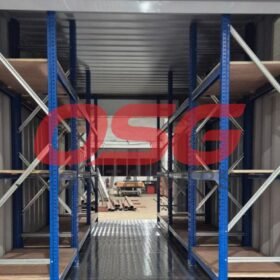
Keeping things tidy inside is a big deal, especially when you’re trying to find something in a hurry. Standard containers can feel like a black hole if you just toss everything in. That’s where adding some basic shelving or dedicated tool racks makes a world of difference. It helps you organize everything, keeps items off the floor, and means you can actually see what you have without digging through a pile.
Here are a few ideas for making the inside more useful:
- Simple Shelving Units: Easy to install, great for boxes, smaller equipment, or supplies.
- Pegboards: Perfect for hanging tools like hammers, wrenches, and screwdrivers so they’re always visible and within reach.
- Custom Racks: If you have specific items, like pipes or lumber, you can build or buy racks designed just for them.
Improving Airflow With Extra Vents
Ever opened a container on a hot day and felt like you walked into an oven? Or maybe you’ve noticed a musty smell because things got damp? That’s usually a sign that air isn’t moving around much inside. Adding extra vents can really help with this. It lets fresh air in and stale air out, which is good for keeping things from getting too hot, too humid, or just plain stuffy. This is especially important if you’re storing anything that could be affected by moisture or extreme temperatures.
Sometimes, the simplest upgrades have the biggest impact. Don’t underestimate how much better a space feels and functions with just a little bit of ventilation. It’s a small change that prevents bigger problems down the line, like mold or damaged goods.
Here’s a quick look at why ventilation matters:
- Prevents Moisture Buildup: Stops condensation that can lead to rust or damage to stored items.
- Reduces Odors: Keeps the air fresh, especially if you’re storing anything with a smell.
- Regulates Temperature: Helps keep the interior from getting excessively hot or cold, protecting sensitive materials.
Storage Solutions For Diverse Organizations
Beyond Construction: Uses For Schools And Hospitals
When you think of storage containers, construction sites probably pop into your head first. But honestly, these things are useful for a whole lot more. Take schools, for instance. They often need extra space for things like sports equipment, band instruments, or even just seasonal decorations. A container can keep all that stuff out of the way and protected. Hospitals can use them too, especially during renovations or when they need to store extra medical supplies or equipment temporarily. It’s about having a secure spot for items that aren’t needed every single day but are still important.
Municipalities And Government Applications
City governments and other public services find these containers pretty handy. Think about winter. Municipalities often need to store large amounts of road salt, and a container is perfect for keeping it dry and accessible. After a storm, they might need to store cleanup equipment. Even things like voting machines or park maintenance tools can be safely stowed away. Having these secure, on-site storage options means public services can respond more effectively when needed. It keeps important assets protected from the weather and potential theft, which is a big deal when you’re dealing with public funds and resources.
Protecting Sensitive Documents And Electronics
Some organizations have items that need extra care. We’re talking about sensitive documents, important records, or delicate electronics. Standard storage might not cut it. You need a place that can offer protection from moisture, extreme temperatures, and even pests. Many container providers can add features like climate control or extra insulation to make sure these valuable items stay in good condition. It’s not just about keeping things safe from people, but also from the environment itself. This kind of specialized storage can prevent costly damage and data loss, which is a huge relief for any organization handling such items.
So, What’s the Takeaway?
Look, it’s easy to think of those big metal boxes on job sites as just glorified sheds. But as we’ve seen, they’re way more than that. Whether you’re a contractor, a school district, or even a hospital, these containers are serious business when it comes to keeping stuff safe and organized. They’re not just about locking things up; they’re about making sure projects don’t get derailed by theft or bad weather, and that important supplies are right where you need them. So next time you see one, remember it’s probably doing a lot more work than you think, keeping things running smoothly behind the scenes.
Frequently Asked Questions
Why is a storage container more than just a metal box?
It’s like a secure vault for your job site! These containers keep your tools, materials, and important stuff safe from weather and thieves. Plus, having them organized means your team can find what they need fast, saving you time and hassle.
What’s the biggest mistake people make with job site storage?
Many people think a simple padlock is enough to keep things safe. But thieves can often break these locks easily. It’s super important to think about stronger locks and other security features to truly protect your valuables.
How do I pick the right size container?
Think about everything you need to store. Will you be putting in large machines, stacks of lumber, or just smaller tools? It’s better to have a little extra space than not enough. Measure your biggest items and imagine how you’ll arrange things inside.
Are used containers a good option?
Definitely! Buying a used container can save you a lot of money. They are still really strong and durable, just like new ones. It’s a smart way to get the storage you need without spending too much cash, especially if you’re on a tight budget.
How can I make it easier to load and unload the container?
Consider where the doors are placed and how wide they open. Some containers have roll-up doors that are great for big equipment. Also, think about adding a ramp! This makes it much simpler to roll heavy items in and out, saving your back and your time.
Can I use these containers for things other than construction?
Absolutely! Schools use them for sports gear, hospitals for extra supplies, and even cities for things like road salt. If you have a lot of stuff that needs to be kept safe and organized, a storage container can be a great solution, no matter your field.