Singapore
 Australia
 Indonesia
 Japan
Japan Malaysia
 New Zealand
 Philippines
 South Korea
 Taiwan
 Thailand
 VIETNAM

Picking the right shipping container can feel like a puzzle, right? There are so many options out there, and if you grab the wrong one, it can lead to a whole lot of headaches. Whether you’re shipping goods across the ocean or just need some extra storage space, knowing the different types of shipping containers and what to look out for is key. Let’s talk about some common mistakes people make so you can avoid them and get it right the first time.
Key Takeaways
- Match the container type to what you’re shipping. Not all cargo fits in a standard box; consider size, weight, and if it needs special conditions like temperature control.
- Don’t forget about how the cargo will be loaded and unloaded. Some containers have doors on both ends or open tops, which makes a big difference.
- Used containers can be a good deal, but always check their condition. Buying from a wholesaler with inspection services is usually safer than a private seller.
- Think about where the container is going. Some routes or destinations might be easier for smaller containers, and cost-effectiveness can depend on how you pack it.
- Modifications can be useful, but make sure they’re done right. Understand the different grades of containers (like ‘Cargo-Worthy’ or ‘Wind and Water Tight’) before you buy.
Understanding Different Types of Shipping Containers
So, you’re looking into shipping containers, maybe for business or even for a cool project like turning one into a tiny home or a retail space. It’s easy to think "a big metal box is a big metal box," but that’s really not the case. The world of shipping containers is actually pretty diverse, and picking the right one from the start can save you a lot of headaches down the road. Whether you’re shipping goods across the ocean or looking for a sturdy structure for a container sale, knowing the options is key.
Matching Container Types to Cargo Needs
When you’re moving stuff, the container needs to be a good fit for what’s inside. Think about it: you wouldn’t put a pile of delicate electronics in a container that’s going to be tossed around, right? The most common type you’ll see is the standard dry van. These are your workhorses, great for general cargo that doesn’t need special temperature control. They come in standard sizes, usually 20 or 40 feet long, and are built to keep your goods protected from the elements.
But what if your cargo is a bit more… particular? For temperature-sensitive items like food or medicine, you’ll need a refrigerated container, often called a reefer. These have built-in cooling units to maintain a specific temperature. If you’re shipping really large, bulky items that don’t fit neatly inside, like machinery or construction materials, a flat rack container might be your best bet. These have no roof or sides, just a base and end walls, making loading from the top or sides much easier.
Considering Specialized Container Options
Beyond the standard dry vans and reefers, there are other specialized containers designed for specific jobs. For items that are too tall to fit through a standard container door, an open-top container is a good choice. As the name suggests, the roof is removable, allowing you to load cargo from above. High cube containers are another variation, offering extra height (about a foot more than standard) for when you need to maximize vertical space. These are great for lighter, bulkier items.
There are also containers designed for liquids, like flexitanks for non-hazardous liquids or tank containers for bulk liquids and gases. For extremely heavy items, you might look into specialized heavy-duty containers. It’s all about matching the container’s features to the unique requirements of your cargo.
Recognizing Regional Variations in Container Usage
It’s also worth noting that how containers are used can sometimes vary a bit depending on where you are. While the ISO standards keep things pretty consistent globally, local demand and common shipping practices can influence what types of containers are most readily available or popular in a particular region. For instance, in areas where there’s a lot of construction or oversized equipment being moved, you might find more flat racks or open-tops in circulation. Similarly, if a region is a major hub for agricultural exports, you might see a higher prevalence of refrigerated containers. When you’re looking into container sale options, especially for used units, understanding these regional tendencies can sometimes give you an edge in finding the right type or even a better deal. It’s a small detail, but it can matter when you’re trying to source the perfect container for your needs, whether for shipping or for repurposing into containers houses.
Avoiding Common Pitfalls in Container Selection
So, you’re looking to get a shipping container. Maybe for storage, maybe for a project, or maybe you’re just starting out in the shipping game. It seems pretty straightforward, right? Just grab a box and go. But hold on a second, because there are a few common mistakes people make that can really mess things up down the line. It’s not just about picking the biggest or the cheapest one you see. You’ve got to think a bit more about what you’re actually going to do with it.
Overlooking Cargo Weight and Handling Requirements
This is a big one. People get so focused on how much stuff they can fit into a container that they forget about how much it’s all going to weigh. Every container has a maximum payload, and if you overload it, you’re asking for trouble. Think about it: a container packed with dense materials like metal or machinery can hit its weight limit way before it’s visually full. Plus, how are you going to get that stuff in and out? If you’re planning to use a forklift, you need to make sure the container’s doors and internal space can accommodate it. Some containers are designed for crane loading, others for side access. Not checking this can lead to a whole lot of frustration and extra costs when you realize your loading equipment just won’t cut it.
Here’s a quick look at some typical weight capacities. Remember, these are general figures and can vary:
| Container Type | Tare Weight (approx.) | Max Payload (approx.) | Gross Weight (approx.) |
|---|---|---|---|
| 20ft Standard | 5,000 lbs | 62,000 lbs | 67,000 lbs |
| 40ft Standard | 8,000 lbs | 59,000 lbs | 67,000 lbs |
| 40ft High Cube | 8,500 lbs | 58,500 lbs | 67,000 lbs |
Ignoring Loading and Unloading Constraints
This ties into the weight issue, but it’s also about space and access. Imagine you’ve got a container, and you need to load it with long pipes. If it only has standard doors at one end, getting those pipes in might be a real challenge. You might need a container with double doors, or maybe even an open-top or flat-rack container if the cargo is particularly awkward. Think about the site where you’ll be loading or unloading. Is there enough space for a crane? Can a forklift get close enough? Some specialized containers, like open-side ones, can make loading much easier if you have the right setup. Failing to consider how your cargo will physically enter and exit the container is a recipe for delays and unexpected expenses.
Assuming Identical Specifications Across Container Types
It’s easy to think that all 20-foot containers are the same, or that a ‘high cube’ is just a slightly taller version of a standard. But that’s not always the case. While the length and width are usually pretty standard (8 feet wide, and 20 or 40 feet long), the height can vary, as mentioned with high cubes. More importantly, the internal dimensions, the exact door opening sizes, and even the floor strength can differ between manufacturers and even between different batches from the same manufacturer. If you’re buying used, wear and tear can also change things. Always double-check the specific dimensions and load ratings for the exact container you’re looking at, not just the general type. It might seem like a small detail, but it can make a big difference for your specific needs.
Don’t just look at the outside. The real story of a container is often in its internal measurements, its weight limits, and how easily you can get your goods in and out. These details matter more than you might think.
Evaluating Container Condition and Purchase Options
So, you’ve figured out the size and type of container you need. Great! Now comes the part where you actually buy one, and this is where things can get a little tricky if you’re not careful. It’s not just about finding the cheapest option; you really need to look at what you’re getting.
The Value of Used Shipping Containers
Buying new containers is an option, sure, but they cost a pretty penny. Most of the time, a "one-trip" container (meaning it’s only been used once to bring goods from the factory) is as close to new as you’ll get, and it’s still pricey. Used containers, on the other hand, have seen a lot of action. They’ve traveled the world, and they’ll definitely show it with some dents, maybe some rust spots, and faded paint. But here’s the thing: these containers are built tough. They can last for decades even after their shipping days are over, especially if they’re maintained well. For a lot of people, especially those using them for storage or as a base for a modification project, a used container is a smart way to save a good chunk of money without sacrificing too much in terms of durability.
Risks of Purchasing from Private Sellers
When you’re hunting for a container, you’ll see options from big companies and also from individuals selling their own. Buying from a private seller might seem like a good way to get a deal, but it comes with its own set of headaches. Private sellers aren’t usually experts in shipping containers. They might not know the full history of the container, or they might not be totally honest about its condition. Plus, if the container has been modified, the work might have been done on the cheap, leading to problems down the road. Reputable dealers, however, usually know their stuff. They can tell you about the container’s grade, its history, and what to expect. They often have inspection reports or can arrange for one.
Importance of Professional Inspections
No matter if you’re buying new, "one-trip," or used, getting a professional inspection is a really good idea, especially if you’re buying a used container. Think of it like getting a pre-purchase inspection on a used car. A qualified inspector will check for:
- Structural integrity: Are the walls, roof, and floor solid?
- Water and wind tightness: Does it seal up properly to protect your goods?
- Damage: Any signs of major rust, dents, or previous repairs that might be weak spots?
- Pest or mold issues: Especially important if it’s going to be used for storage.
Some sellers offer these inspections as part of the deal, or you can hire an independent surveyor. It might cost a little extra upfront, but it can save you a massive headache and a lot of money if it prevents you from buying a container that’s not up to par. Knowing the exact condition before you hand over your cash is key.
When you’re looking at used containers, pay close attention to the "grade." Different companies use slightly different terms, but generally, you’ll see grades like "Cargo-Worthy" (CW) or "Wind and Water Tight" (WWT). CW means it’s good enough to be used for shipping cargo, while WWT means it’s sealed against the elements but might have more cosmetic wear. Always ask for clarification on what each grade means from the seller.
Key Factors Influencing Container Choice
Picking the right shipping container isn’t just about picking a box; it’s about making sure your stuff gets where it needs to go without a hitch. Several things really matter here, and if you miss them, you could end up with headaches, extra costs, or even damaged goods. Let’s break down what you need to think about.
Cargo Size, Weight, and Shape
This is pretty straightforward, but it’s the first thing to nail down. How big is your shipment? How much does it weigh? Is it awkwardly shaped? These details directly point you toward the right container. For instance, heavy machinery might fit perfectly in a standard 20-foot container, filling its weight capacity before its volume. On the flip side, something bulky but light, like furniture or textiles, will make much better use of the extra space in a 40-foot or high cube container.
Here’s a quick look at how cargo type often matches container size:
- Machinery, metals, dense manufactured goods: Often best suited for 20-foot containers due to weight.
- Furniture, textiles, packaged consumer goods, retail inventory: Typically benefit from the extra volume of 40-foot or 45-foot high cube containers.
- Oversized items (too tall or wide for standard): May require specialized equipment like flat racks or open tops.
Sensitivity to Environmental Factors
Some goods are tough, others are delicate. If your cargo needs protection from the elements – think temperature fluctuations, humidity, or even light – you’ll need to look beyond the standard dry van. Refrigerated containers (reefers) are a must for perishables like food or pharmaceuticals. For goods sensitive to moisture but not necessarily temperature, containers with extra ventilation might be an option. Ignoring these needs can lead to spoilage, damage, or loss of product value.
Transport Route and Compliance
Where is your cargo going, and how will it get there? The journey itself plays a big role. Some ports or inland locations have limitations on the size of containers they can handle, or the equipment available for loading and unloading. A 20-foot container, for example, is often easier to maneuver in tight spots or areas with less developed infrastructure compared to a larger 40-foot unit. Also, if you’re shipping internationally, you’ll need to be aware of customs regulations and any specific requirements for certain types of goods or destinations. Some countries have strict rules about what can be imported or how it must be packaged and transported.
The path your cargo takes from start to finish is just as important as the cargo itself. Think about the entire journey, from the first mile to the last. Are there any tricky spots, like narrow roads, weight-restricted bridges, or ports with limited crane capacity? Planning for these logistical hurdles upfront can save you a lot of trouble down the line. It’s about making sure the container you choose can actually complete the trip without causing delays or requiring costly detours.
Choosing the right container is a balancing act. You’re weighing the cargo’s physical needs against the realities of its journey and any rules it has to follow. Get this right, and your shipment is much more likely to arrive on time and in perfect condition.
Strategic Considerations for Container Size
Picking the right size container is more than just picking the biggest one available. It’s about matching your cargo’s needs with the container’s capabilities, and honestly, it can save you a lot of headaches and cash down the line. Think of it like packing for a trip – you wouldn’t use a massive suitcase for a weekend getaway, right? Same idea here.
Balancing Volume and Weight Capacity
This is where things get interesting. You’ve got your standard 20-foot container and the larger 40-foot option. The 20-footer is great for dense, heavy stuff. We’re talking machinery, metal parts, or bulk materials. It can handle a lot of weight packed into a smaller space. On the flip side, the 40-footer is your go-to for lighter, bulkier items. Think furniture, textiles, or packaged consumer goods. You get way more cubic feet, which is awesome if your cargo doesn’t weigh a ton.
Here’s a quick look at how they stack up:
| Container Type | Internal Volume (approx.) | Max Payload (approx.) |
|---|---|---|
| 20-foot | 1,170 cubic feet | 28,000 kg |
| 40-foot | 2,390 cubic feet | 26,700 kg |
See how the 40-footer has more than double the space but a slightly lower weight limit? That’s the trade-off you’re working with. You don’t want to pay for empty space in a 40-footer if your cargo is heavy enough to fill a 20-footer. Likewise, trying to cram too much bulky stuff into a 20-footer just won’t work.
Cost-Effectiveness of Larger Containers
Sometimes, going bigger actually saves you money. If you’re shipping a lot of items that aren’t super heavy, consolidating them into one 40-foot container can be way cheaper than using multiple 20-footers. This reduces handling, paperwork, and often, the per-unit shipping cost. It’s all about maximizing efficiency. For example, shipping seasonal retail inventory from Asia to a place like container sg often makes more sense in a 40-footer if the goods are light and take up a lot of room.
The biggest mistake is often assuming the cheapest container size is always the most cost-effective. True savings come from matching the container’s capacity – both volume and weight – to your specific cargo, minimizing wasted space and unnecessary handling.
Maneuverability of Smaller Containers
Don’t underestimate the power of the 20-foot container, especially when your cargo needs to go to places with tricky logistics. These smaller units are easier to move around on docks, fit into tighter spots, and are generally simpler to transport inland. If your final destination has limited space or infrastructure, like a remote construction site or a port with tight access, a 20-footer might be your best bet. It’s less hassle to get it where it needs to go, which can save time and prevent delays.
The Role of Modifications and Container Grades
So, you’ve got a container, but is it the right container? Sometimes, a standard box just won’t cut it. That’s where modifications and understanding container grades come into play. It’s not just about picking a size; it’s about picking the right quality and features for your specific needs.
When to Consider Modified Containers
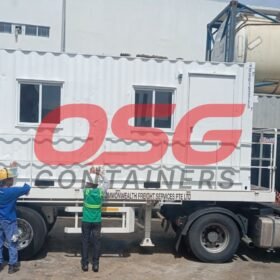
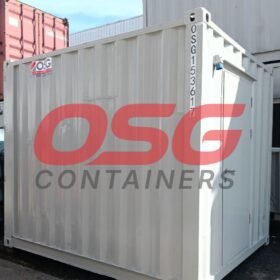
Think of modifications as tailoring a container to your exact job. Maybe you need a mobile office, a secure storage unit with extra ventilation, or a workshop. Standard containers are great, but they’re just steel boxes. Adding things like windows, extra doors (like roll-up ones), insulation, or even custom shelving can make a huge difference. It often saves you a lot of hassle and money down the line if you get these done before the container is delivered, rather than trying to hack it yourself later.
Here are a few reasons you might want a modified container:
- Specific Use Cases: Turning a container into a pop-up shop, a backyard shed, or even a small home requires more than just an open space.
- Enhanced Functionality: Adding ventilation for sensitive goods, extra lighting for a workspace, or security features for valuable storage.
- Time and Cost Savings: Professional modifications done by the supplier can be more efficient and sometimes cheaper than hiring separate contractors.
Understanding Different Container Grades
Not all containers are created equal, especially when you’re looking at used ones. They come in different ‘grades,’ which basically tell you about their condition. It’s super important to know what these mean so you don’t end up with something that’s falling apart.
Here’s a quick rundown of common grades:
- Wind and Water Tight (WWT): This is a pretty good standard. It means the container is sealed well enough to keep the wind and rain out. It’s checked for major leaks and structural issues, making it suitable for most storage and shipping needs.
- Cargo-Worthy (CW): These containers are fit to carry goods. They meet the requirements for shipping but might have some cosmetic wear and tear – think dents or scratches. The important thing is that their core structure and ability to protect cargo aren’t compromised.
- As-Is: This is the "buyer beware" grade. These containers might have significant damage, rust, or other issues. They’re usually the cheapest but require a lot of work or are only suitable for very specific, non-critical uses.
Assessing the Quality of Modifications
If you’re buying a modified container, especially from a private seller or for a lower price, you’ve got to be careful. Not all modifications are done well. Poor welding, cheap materials, or designs that compromise the container’s original strength can cause problems later.
When looking at modifications, always ask for details about who did the work and what materials were used. A professional job will look clean, use appropriate fasteners and sealants, and won’t create new weak points in the container’s structure. It’s worth paying a bit more for quality work that will last.
It’s a good idea to get pictures of the modifications before you buy, and if possible, have an independent inspector check them out. You want your modified container to be functional and safe, not a ticking time bomb of shoddy workmanship.
Wrapping It Up
So, picking the right shipping container might seem like a small detail, but as we’ve seen, it can really make or break your project or shipment. It’s not just about grabbing the first box you see. Thinking about what you’re actually putting inside, where it’s going, and even whether it’s brand new or has a bit of history, all play a part. Don’t forget to check the condition and make sure you’ve got a solid plan for where it’ll sit once it arrives. Getting this right from the start saves a lot of headaches and, honestly, a good chunk of change down the road. It’s all about being a bit more thoughtful upfront.
Frequently Asked Questions
What’s the main difference between a 20-foot and a 40-foot container?
Think of it like this: a 20-foot container is like a smaller moving truck, good for heavier stuff or when you don’t have a lot of space. A 40-foot container is like a bigger truck, perfect for lots of lighter items or when you need more room. The 40-foot is longer and can hold more, but the 20-foot is easier to move around in tight spots.
Do I really need a special container for my cargo?
Sometimes, yes! If you’re shipping things that need to stay cold, like food, you’ll need a special refrigerated container. If your items are super tall or oddly shaped, a regular container might not work, and you might need an open-top or flat-rack container instead. It all depends on what you’re shipping and how it needs to be protected.
Is it better to buy a new or used shipping container?
Buying a new container means it’s in perfect shape and will likely last a very long time. But, used containers are much cheaper and are still really strong. Many used containers have already traveled the world and still have plenty of life left. If you’re on a budget, a good used container can be a smart choice, as long as it’s checked out properly.
What does ‘Wind and Water Tight’ mean for a container?
When a container is described as ‘Wind and Water Tight’ (or WWT), it means it’s sealed up well enough that wind and rain shouldn’t get inside. This is important for keeping your stuff dry and safe from the weather. It’s a good standard for most storage and shipping needs.
Why should I care about where my container is going?
Where your container ends up matters because some places are harder to get to. For example, a smaller 20-foot container might be easier to deliver to a tight spot or a remote location than a big 40-foot one. Also, different countries might have different rules for what kind of containers they allow.
What’s the biggest mistake people make when choosing a container?
A really common mistake is picking a container based only on how much stuff it can hold (volume) and forgetting about how heavy it is or how it will be loaded and unloaded. Sometimes, a container might seem big enough, but if your cargo is really heavy, you could overload it. It’s important to think about the weight limits and how you’ll get things in and out, like using a forklift or a crane.