Singapore
 Australia
 Indonesia
 Japan
Japan Malaysia
 New Zealand
 Philippines
 South Korea
 Taiwan
 Thailand
 VIETNAM
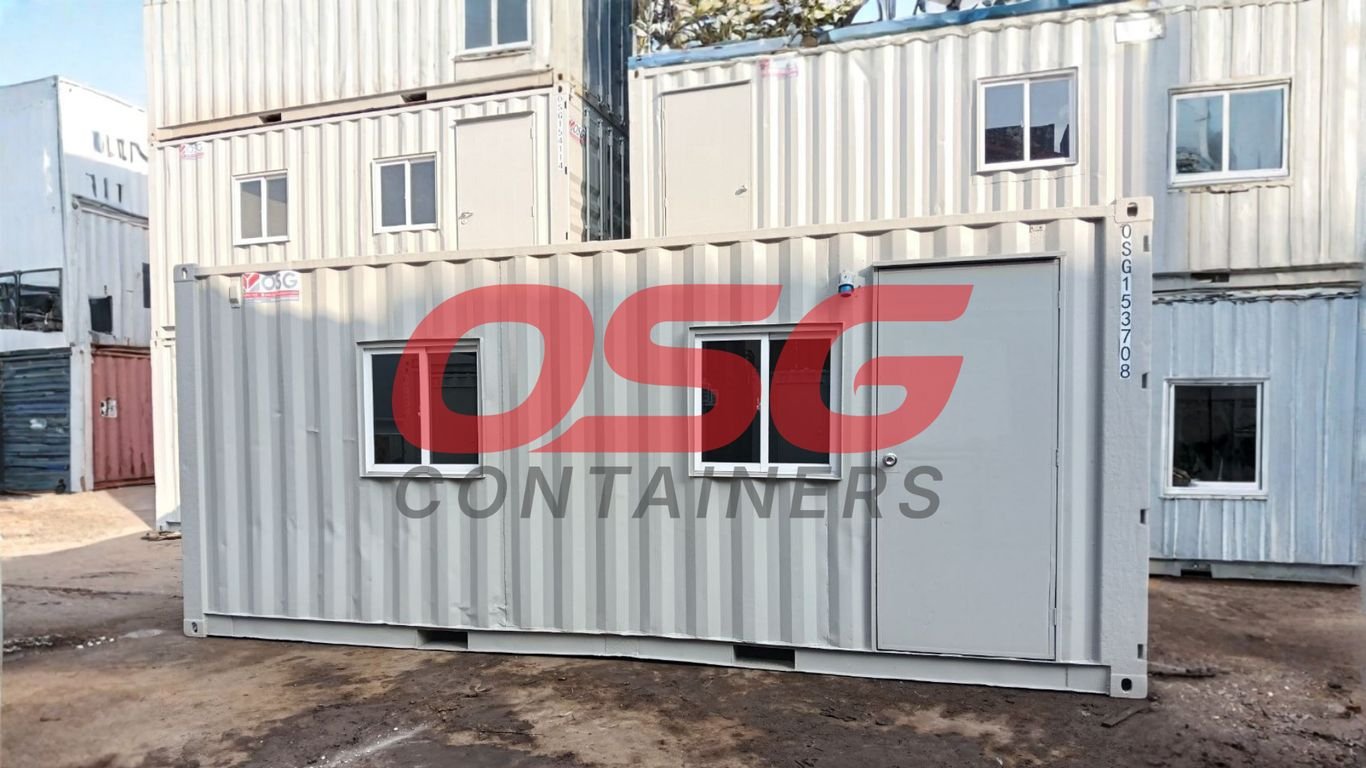
Thinking about getting a 20 footer container? That’s a good idea. These metal boxes are super handy for all sorts of things, not just shipping stuff overseas. Whether you need extra storage for your business, a place to stash your gardening tools, or even want to build a cool little workshop, a 20 footer container can totally work. But before you jump in, there are a few things you should know to make sure you pick the right one for what you need. It’s not just a simple box, you know?
Key Takeaways
- A standard 20 footer container is about 20 feet long, 8 feet wide, and 8.5 feet tall, giving you roughly 1,170 cubic feet of space. High-cube versions offer extra height.
- These containers are really versatile, used for shipping, on-site storage, home storage, pop-up shops, offices, and workshops.
- When buying, decide between new (one-trip) containers, which are in great shape but cost more, or used containers, which are cheaper but might have some wear and tear.
- Always check the container’s condition. Look for rust, dents, and make sure it’s structurally sound, especially if you’re buying used. Cargo Worthy (CW) and Wind and Watertight (WWT) are common grades to know.
- Consider if you need double-door access, check for security features, and think about delivery. Getting a warranty or support from the supplier can give you peace of mind.
Understanding The Versatile 20 Footer Container
When you start looking into storage or transport options, the 20-foot container really pops up everywhere. It’s like the go-to size for a lot of different jobs, whether you’re a business owner needing a secure place for your stock, someone planning a big home project, or just need to move some things around. Knowing the basics about these containers is a good first step.
What Is A 20 Footer Container?
A 20-foot container is basically a strong, metal box built to strict standards. Its main job is to keep items safe and sound while they’re being stored or moved from one place to another. They’re made to last and you see them used all over the place, from busy shipping ports to construction sites, and even for some pretty cool custom projects.
Standard Dimensions And Capacity
Let’s get down to the actual numbers. A standard 20-foot container has some pretty specific measurements that make it work with all sorts of loading equipment and transport vehicles. It’s a size that balances having a decent amount of space with being easy enough to handle.
| Measurement | Size |
|---|---|
| External Length | 20 feet |
| External Width | 8 feet |
| External Height | 8 feet 6 inches |
| Internal Length | Approx. 19 feet 4 inches |
| Internal Width | Approx. 7 feet 8 inches |
| Internal Height | Approx. 7 feet 10 inches |
| Cubic Capacity | Around 1,170 cubic feet |
| Max Payload | About 62,000 lbs (can vary) |
| Empty Weight | Around 5,000 lbs |
High-Cube Variations Explained
Sometimes, you might find that the standard height just isn’t quite enough. That’s where the ‘high-cube’ version comes into play. It’s the same length and width as the regular 20-footer, but it’s a whole foot taller. This extra height can make a big difference if you’re storing taller items or if you’re planning to convert the container into something like an office or a workshop where having more headroom is a plus. It gives you roughly 13% more space inside compared to the standard model.
These containers are built tough, designed to handle rough seas, bumpy roads, and whatever else the journey throws at them. Their corrugated steel walls provide strength, and the doors are made to be secure and keep the elements out.
Here’s a quick breakdown of the height difference:
- Standard 20 ft Container: 8 feet 6 inches tall
- 20 ft High-Cube Container: 9 feet 6 inches tall
Exploring Popular Applications For A 20 Footer Container
So, you’ve got your eye on a 20-foot container. That’s a smart move, these things are seriously versatile. They’re not just for hauling stuff across the ocean anymore, though that’s still a big one. Think of them as a blank canvas for all sorts of needs.
Shipping and Logistics Hub
This is what they were built for, right? Moving goods around the planet. A 20-footer is a standard size, making it easy to handle on ships, trains, and trucks. They’re tough, they keep your cargo safe from the weather and sticky fingers, and they stack up nicely. If you’re in the import/export game, these are your bread and butter. Their standardized dimensions mean they fit into existing global transport infrastructure without a hitch.
On-Site and Residential Storage Solutions
Forget renting a storage unit that you have to drive to. A 20-foot container can sit right on your property. Construction sites use them to keep tools and materials secure. Businesses might use them for extra inventory when things get busy. Even homeowners can use them for storing seasonal gear, furniture during a renovation, or just to clear out the garage. They offer a secure, weatherproof space that’s literally at your doorstep.
Here’s a quick look at what they can hold for residential use:
- Contents of a 2-3 bedroom home
- Large furniture like couches, mattresses, and dining sets
- Appliances, lawn equipment, and dozens of packed boxes
Creative Conversions: Offices, Shops, and Studios
This is where things get really interesting. People are turning these containers into all sorts of cool spaces. Need a small office on a remote job site? Done. Want a unique pop-up shop for your business? Easy. Artists and crafters are making workshops out of them. They’re surprisingly adaptable for these kinds of projects.
Converting a container requires planning, but the basic structure is solid. You’ll need to consider insulation, ventilation, and interior finishing, but the exterior shell provides a robust starting point for almost any small building project.
Some popular conversion ideas include:
- Compact home offices
- Unique retail kiosks or pop-up shops
- Art studios or workshops
- Additional living space or guest rooms
Key Factors When Purchasing A 20 Footer Container
So, you’re thinking about getting a 20-foot container. That’s a solid choice, they’re super handy for a lot of things. But before you hand over your cash, there are a few things you really should think about. It’s not just about picking one that looks okay; you want one that’s going to do the job you need it to do, for as long as you need it. Whether you’re looking for containers for rent or to buy outright, understanding these factors is key.
New Versus Used: Making The Right Choice
This is a big one. You can get a brand-new container, often called a ‘one-trip’ container because it’s only been used once to ship something. These are usually in tip-top shape, no dents, no rust, looking pretty sharp. They’re great if you want something that looks good and will last ages. The downside? They cost more. Then there are used containers. These are cheaper, which is a big plus, but they’ve seen some action. You might find some dings, maybe a bit of rust, or paint that’s seen better days. For basic storage, a used one is often perfectly fine, but you need to check it out.
Understanding Container Grades
Used containers aren’t all the same. They get graded based on their condition. You’ll hear terms like ‘Cargo Worthy’ (CW) and ‘Wind and Watertight’ (WWT). Cargo Worthy means it’s still good enough for shipping, so it’s structurally sound. Wind and Watertight means it’s sealed up tight against the weather, which is good for storage, but it might not be up to snuff for actual transport. There are also lower grades, like ‘As-Is’, which you should probably avoid unless you know exactly what you’re doing.
Here’s a quick rundown:
- Cargo Worthy (CW): Structurally sound and certified for shipping. Good for storage and transport.
- Wind and Watertight (WWT): Sealed against the elements, suitable for storage but may not meet shipping standards.
- As-Is: Lowest grade, often with significant damage. Best avoided unless you have specific repair plans.
When buying used, always ask for recent inspection reports or photos. Don’t just take someone’s word for it; see the condition for yourself.
Assessing Cargo Worthy and Wind/Watertight Grades
When you’re looking at used containers, the grade is super important. A ‘Cargo Worthy’ container has been inspected and is deemed fit for shipping. This means it’s structurally sound, with no major dents or rust holes that would compromise its integrity during transit. If you plan on using the container for actual shipping, or if you need the absolute best for storage, CW is the way to go. On the other hand, ‘Wind and Watertight’ containers are guaranteed to keep the weather out. They might have more cosmetic issues – dents, rust spots, faded paint – but they won’t leak. For most on-site storage needs, a WWT container is perfectly adequate and usually more affordable than a CW one. It’s all about matching the grade to your intended use. If you’re just looking for a place to store tools or equipment on your property, a WWT container is likely all you need. If you’re considering a container rental, the grade will also affect the price and availability.
When A 20 Footer Container Is The Right Choice
So, you’re leaning towards a 20-foot container. That’s often a really smart move, especially if you’re not trying to move the contents of a mansion or run a massive warehouse. These containers hit a sweet spot for a lot of people and businesses. Let’s break down why a 20-footer might just be your perfect match.
Limited Site Space Considerations
If you’ve got a tight spot, like a small backyard, a busy urban lot, or a cramped construction site, a 20-footer is usually the way to go. They’re much easier to maneuver into place compared to their bigger 40-foot cousins. You’ll need a bit of room for delivery trucks to get it there and set it down, usually around 25-30 feet of clear space, but it’s significantly less demanding than what a larger unit requires.
Moderate Storage Needs
Think about what you actually need to store. For many folks, a 20-footer is plenty. Homeowners might use one to stash furniture and boxes during a renovation. Small businesses often find it ideal for seasonal inventory or extra supplies. Contractors can keep tools, equipment, and materials secure right on the job site. It’s a good amount of space without being overwhelming.
Here’s a rough idea of what fits:
- Homeowner Storage: Furniture for a few rooms, appliances, boxes, seasonal items.
- Small Business Inventory: Stock for a retail shop, supplies for a service business, equipment.
- Contractor Needs: Hand tools, power tools, lumber, scaffolding, small machinery.
Budget-Conscious Decisions
Let’s face it, cost is a big factor for most of us. A 20-foot container is generally less expensive to buy or rent than a 40-foot unit. If your storage needs don’t stretch to fill a larger container, opting for a 20-footer means you’re not paying for space you won’t use. It’s a more economical choice for moderate storage requirements.
Desire For Double-Door Access
This is a feature that really makes a difference for some users. While most containers only have doors on one end, 20-footers are commonly available with doors on both ends. This ‘drive-through’ capability is fantastic for organizing your items. You can load from one side and unload from the other, or easily access things stored further back without having to move everything else out of the way. It makes using the container much more convenient, especially if you’re accessing it frequently.
Choosing the right container size is a common pitfall. Going too small means you’ll quickly need another one, while going too big means you’re spending money on empty space. A 20-footer often strikes that perfect balance for many common needs.
Evaluating Condition And Features
So, you’ve narrowed down your choices and you’re looking at a 20-footer. That’s great! But before you sign on the dotted line, it’s super important to really check out the container itself. We’re not just talking about how it looks, but how it’s built and what it can do for you. This is where you make sure you’re not getting a lemon.
Assessing Structural Integrity
First things first, give the container a good once-over. You want to make sure it’s solid. Look for any major dents or bends, especially along the roof and sides. Check the corners – they’re usually reinforced, and any damage there can be a big deal. Also, pay attention to the floor. Is it made of sturdy plywood? Are there any soft spots or holes that could be a problem down the line? A container that’s falling apart isn’t going to be much use, no matter how cheap it is.
Security Features For Your Container
If you’re storing anything valuable, or if this container is going to be your new office or workshop, security is a big deal. Most 20-footers come with pretty robust doors and locking mechanisms. Check that the original lock rods are intact and move smoothly. Are there any signs of tampering? You might want to consider adding extra security, like a heavy-duty padlock or even a lock box that covers the padlock, making it harder for someone to cut it off. Think about what you’re storing and how much protection it really needs.
Portability And Ease Of Transport
Even though it’s a 20-footer, it’s still a heavy piece of equipment. You need to think about how it’s going to get to your site. Does the seller offer delivery? If you’re arranging transport yourself, you’ll need a flatbed truck and a way to lift it off, like a crane or a forklift. Make sure your site can actually handle the truck and the unloading process. If you think you might need to move the container around your property or to a different location later on, look for features like forklift pockets, which can make smaller moves much easier. It’s definitely easier to move a 20-footer than a 40-footer, but it still requires planning.
When inspecting a used container, especially if it’s been near the ocean, keep an eye out for rust. While the steel is designed to resist it, prolonged exposure can cause damage. Check the seams, door frames, and any welded areas carefully. Small rust spots might be manageable, but large, flaky areas could mean bigger problems underneath.
Here’s a quick look at what to check:
- Doors and Seals: Open and close them. Do they stick? Are the rubber seals intact and making good contact when closed? This is key for keeping water out.
- Rust: Look for surface rust and deeper rust, especially on the roof, floor edges, and corners.
- Dents and Damage: Check for large dents, holes, or bent panels that compromise the container’s integrity.
- Flooring: Inspect the wooden floor for rot, holes, or excessive wear.
- Locking Gear: Ensure the door handles and locking bars are functional and not damaged.
Estimating What Fits Inside A 20 Footer Container
So, you’re eyeing a 20ft container and wondering, ‘What can I actually cram in there?’ It’s a fair question, and the answer really depends on what you’re trying to store or move. These containers are surprisingly spacious, but they aren’t magic boxes. Knowing the real dimensions and thinking about how you’ll pack makes all the difference.
Interior Dimensions And Usable Volume
A standard 20ft container might look like a simple metal box, but its interior is where the magic happens. You’ve got about 1,170 cubic feet of space to work with. That sounds like a lot, and it is, but how you use it matters. Think about stacking items, using vertical space, and organizing things efficiently. The usable volume is key to maximizing your storage.
Here’s a quick look at the numbers:
| Measurement | Approximate Size |
|---|---|
| Interior Length | 19 feet 4 inches |
| Interior Width | 7 feet 8 inches |
| Interior Height | 7 feet 10 inches |
| Total Volume | ~1,170 cubic feet |
Homeowner Storage Scenarios
For homeowners, a 20ft container is often a lifesaver. It’s great for decluttering the garage, storing seasonal items, or even holding the contents of a small apartment during a move or renovation. Imagine fitting:
- Furniture from a couple of rooms (sofas, beds, tables)
- Numerous packed boxes and storage bins
- Appliances like washing machines or refrigerators
- Lawn equipment and outdoor gear
It’s like having an extra, super-secure room right in your backyard.
Contractor Storage Solutions
Contractors find the 20ft container incredibly useful on job sites. It’s a secure place to keep tools, materials, and equipment safe from theft and the elements. You can typically store:
- Job boxes and hand tools
- Pallets of building materials (like tile, cement bags, or paint cans)
- Personal protective equipment (PPE)
- Smaller machinery or generators
It keeps your valuable assets protected and accessible right where you need them.
Shipping Vehicles Safely
Can you ship a vehicle in a 20ft container? Yes, you can, but it requires careful planning. Smaller cars, motorcycles, or ATVs can often fit. The key is to secure the vehicle properly using wheel chocks, tie-down straps, and potentially custom bracing to prevent any movement during transit. You’ll need to ensure the vehicle’s dimensions are well within the container’s interior space, leaving room for securing it. For larger vehicles, a 40ft container might be a better, or even necessary, option.
When planning what goes into your container, always think about weight distribution. Heavy items should ideally be placed towards the front (the end with the doors) and low down to maintain stability, especially if the container will be moved. Don’t just pile things in; think about how it will be handled.
Warranty And Post-Purchase Support
So, you’ve picked out your 20-footer, and it’s on its way. That’s great! But what happens after it lands on your property? This is where warranty and post-purchase support come into play. It’s not just about getting the container; it’s about having some backup if things aren’t quite right.
Understanding Warranty Coverage
When you buy a container, especially a used one, the warranty situation can vary a lot. Some sellers might offer a limited warranty, maybe for a specific period, covering things like structural defects that weren’t obvious when you bought it. Others might sell "as-is," meaning once it’s yours, it’s yours, warts and all. It’s super important to ask about this upfront and get any warranty details in writing. Don’t just assume you’re covered.
Here’s a quick rundown of what to look for:
- Duration: How long does the warranty last? A few months? A year?
- Coverage: What exactly is covered? Major rust? Door functionality? Leaks?
- Exclusions: What’s not covered? Cosmetic issues? Damage from moving it yourself?
- Claim Process: How do you actually make a claim if you need to?
Importance Of Supplier Support
Beyond a formal warranty, the supplier’s general support is a big deal. Think about it: if you have a question about modifications, need advice on securing it, or run into a problem down the line, who are you going to call? A supplier that’s easy to reach and seems genuinely helpful can make a world of difference. We’re talking about people who answer the phone, respond to emails, and don’t just disappear after the sale.
Look for suppliers who:
- Have clear contact information.
- Offer advice on container grades and suitability.
- Provide information on delivery and placement.
- Are transparent about the condition of their units.
Peace Of Mind With Guarantees
Ultimately, having a warranty and good supplier support is about peace of mind. You’re making an investment, and you want to feel confident that you won’t be left high and dry if something goes wrong. A "wind and watertight" guarantee, for example, means you can be pretty sure your stuff inside will stay dry, which is a pretty big deal. Knowing that the seller stands behind their product, even a used one, can save you a lot of stress and potential headaches later on. It’s like buying a used car – you’d feel better if it came with some sort of limited warranty, right? Same idea here.
When you’re looking at containers, especially used ones, don’t be shy about asking for proof of their condition. If they say it’s "cargo worthy," ask if there’s documentation. If it’s "wind and watertight," ask them to show you why they say that. Seeing is believing, and getting it confirmed in writing is even better. It stops any confusion later.
So, Is a 20 Footer Container Right for You?
Alright, so we’ve talked a lot about these 20-foot containers. They’re pretty handy, right? Whether you’re just trying to clear out the garage, need a safe spot for business stuff, or even dreaming up a cool workshop, this size can totally work. But remember, it’s not a one-size-fits-all deal. Think about what you’re actually putting in there, how much space you really need, and if a standard height or a high-cube version makes more sense. Don’t forget to check out the condition, especially if you’re going for a used one. Taking a few minutes to really figure out your needs now will save you a headache later. Happy container hunting!
Frequently Asked Questions
What exactly is a 20-foot container?
Think of a 20-foot container as a really strong, standard-sized metal box. It’s built tough to keep stuff safe while it’s being stored or moved, whether that’s across the ocean or just across town. It’s about 20 feet long, 8 feet wide, and 8.5 feet tall, making it super handy for lots of different jobs.
What’s the difference between a new and a used container?
A new container, often called a ‘one-trip’ container, has only been used once for shipping. It’s in great shape, with no dents or rust. Used containers are cheaper but have been around the block. They might have some dents or rust spots, but they can still be perfectly good for storage if they’re in decent condition.
What does ‘Cargo Worthy’ mean for a container?
‘Cargo Worthy’ means the container is strong enough to be used for shipping goods. It’s structurally sound and can handle the journey. For storage, it’s a good sign that the container is solid and reliable.
How much stuff can actually fit inside a 20-foot container?
A 20-foot container has about 1,170 cubic feet of space. This is usually enough to hold the contents of a 1- to 2-bedroom apartment, including furniture, appliances, and lots of boxes. For contractors, it can hold job boxes, tools, and materials like pallets of tile or paint.
Are there different heights for 20-foot containers?
Yes, there are! Besides the standard height of 8 feet 6 inches, there’s also a ‘high-cube’ version. This one is a full foot taller, making it 9 feet 6 inches high. That extra height is great if you’re storing tall items or turning the container into a living space or office.
What should I look for when checking the condition of a used container?
When looking at a used container, check carefully for rust, especially around the roof, corners, and doors. Make sure the doors open and close smoothly and that there are no major dents or holes. Also, check if it’s ‘Wind and Watertight’ to ensure it will keep your belongings dry and safe from the elements.