Singapore
 Australia
 Indonesia
 Japan
Japan Malaysia
 New Zealand
 Philippines
 South Korea
 Taiwan
 Thailand
 VIETNAM
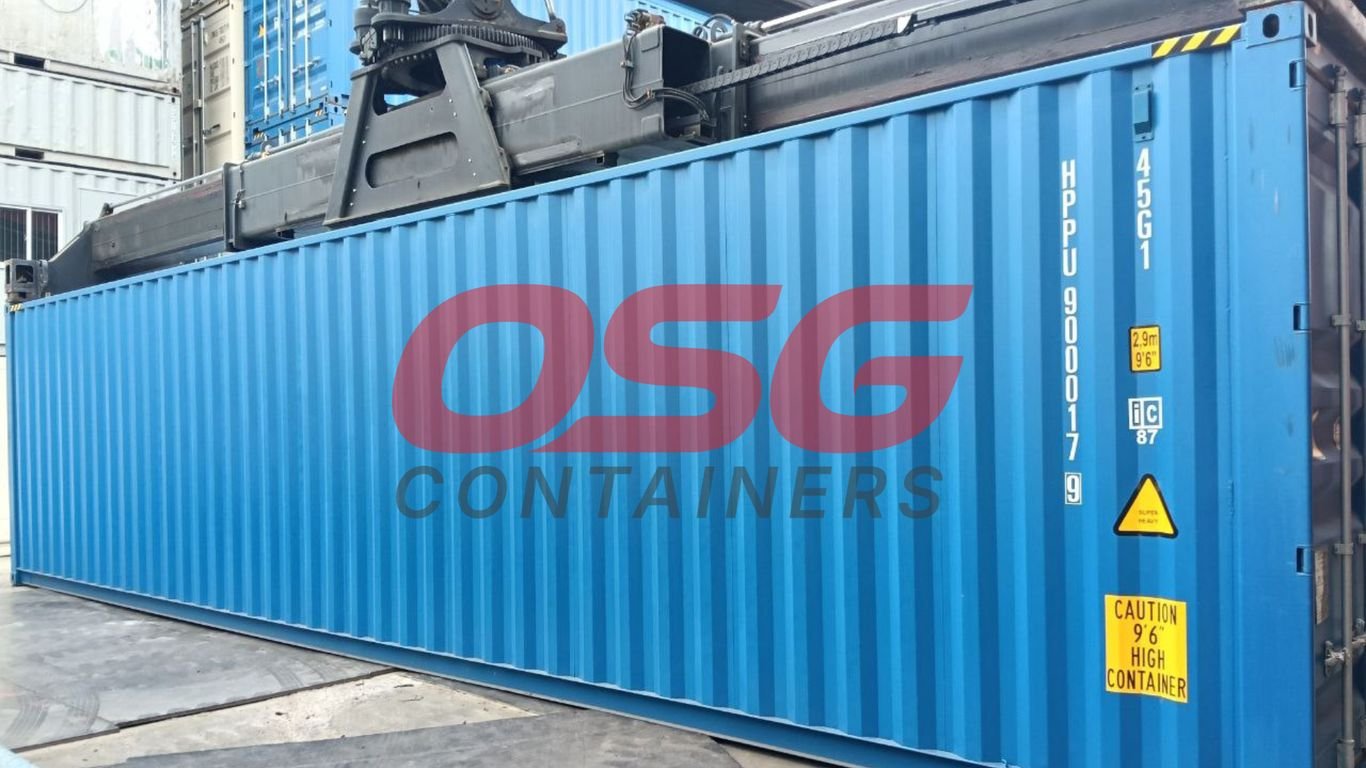
So, you’ve heard about these shopbox things, right? They’re basically these mobile units that can be set up almost anywhere. It’s a pretty neat idea, especially if you’re looking to get your brand out there in a different way. Think of them as a small, portable storefront or a pop-up space. They’re not just for selling stuff, though; they can be a whole experience. We’ll look at how these shopbox units really mix mobility with some serious branding power.
Key Takeaways
- A shopbox is a mobile unit that offers a flexible way to establish a brand presence.
- Strategic planning is vital for maximizing the impact and reach of a shopbox venture.
- Shopbox design allows for creative customization to align with brand identity and customer experience.
- These units offer a sustainable and often more affordable entry into business compared to traditional setups.
- The mobility of a shopbox provides significant advantages for adapting to market changes and participating in events.
The Versatile Shopbox: A Mobile Branding Powerhouse
Defining Ambition for Your Shopbox Venture
Thinking about a shopbox is more than just getting a new place to sell stuff. It’s about creating a brand experience that can go anywhere. These aren’t your average storefronts; they’re mobile units, often built from sturdy pop up container structures, designed to make a statement. The core idea is to take your brand directly to your customers, wherever they might be. This means you need to be clear about what you want to achieve. Are you looking to test a new market, build buzz around a product launch, or simply increase your brand’s visibility in high-traffic areas? Your goals will shape everything from the unit’s design to its placement.
Mapping Opportunities for Shopbox Placement
Where you put your shopbox is a big deal. It’s not like a traditional shop that’s stuck in one spot. You can move it! Think about places where your target audience hangs out. This could be:
- Busy city centers during lunch hours.
- Local parks on sunny weekends.
- University campuses during the academic year.
- Outdoor markets and festivals.
- Near popular tourist attractions.
It’s about finding those spots where you can get the most eyes on your brand and make the most sales. You might even consider a rotation schedule, moving your shopbox between different locations throughout the week or month to capture different customer segments.
Aligning Your Brand Message with Shopbox Design
Your shopbox is a billboard on wheels, so its look needs to scream your brand. The exterior is the first thing people see, and it needs to be eye-catching. Think about colors, logos, and any unique design elements that make your brand stand out. Inside, you have a chance to create an immersive experience. The layout, the materials used, and even the music playing can all reinforce your brand’s identity. It’s about making sure that every touchpoint, from the moment someone sees your pop up container to the moment they leave, feels consistent with who you are as a brand.
The beauty of a shopbox lies in its adaptability. It’s a blank canvas, ready to be transformed into whatever your brand needs it to be. This flexibility allows for creative expression that traditional retail spaces often can’t match. You can change the look and feel to suit different seasons, events, or marketing campaigns, keeping your brand fresh and engaging.
Strategic Consultancy for Shopbox Success
Getting a Shopbox off the ground and making it work for your brand isn’t just about finding a cool spot or designing a nice-looking unit. It really takes some smart planning to make sure it’s a success. That’s where strategic consultancy comes in. Think of it as having a guide who knows the ins and outs of making mobile businesses thrive.
Integrating Strategy and Execution for Shopbox
This part is all about making sure your big ideas actually turn into something real and effective. It’s not enough to just have a plan; you need to be able to put that plan into action smoothly. We look at what you want to achieve with your Shopbox – maybe it’s reaching new customers, building brand awareness, or testing a new product. Then, we figure out the best way to make that happen, step-by-step.
Here’s a basic breakdown of how we approach it:
- Define Your Goals: What exactly do you want your Shopbox to do? Is it about sales, brand experience, or something else?
- Map the Opportunity: Where should your Shopbox go? We look at foot traffic, local events, and where your target customers hang out.
- Plan the Rollout: How will you get it set up and running? This includes logistics, staffing, and initial marketing.
- Execute and Adjust: Get it done, and then watch what happens. We help you track performance and make changes as needed.
The key is to connect your vision with the practical steps needed to make it a reality. Without this link, even the best ideas can fall flat.
Export Strategy for Global Shopbox Reach
Thinking about taking your Shopbox concept beyond your local area? Maybe even to other countries? That’s a big step, and it needs a solid export strategy. This isn’t just about shipping a unit somewhere; it’s about understanding new markets, different customer tastes, and local rules.
We help you figure out:
- Market Viability: Is there a demand for your Shopbox concept in another country?
- Local Adaptation: What changes might you need to make to your product, branding, or operations to fit in?
- Logistics and Legalities: How do you handle shipping, import rules, and local business laws?
- Marketing Approach: How will you tell people about your Shopbox in a new place?
A well-thought-out export plan can open up a whole new world of customers for your Shopbox business.
Brand and Marketing Consultancy for Shopbox Identity
Your Shopbox is more than just a place to buy things; it’s a moving billboard for your brand. We help make sure that every aspect of your Shopbox – from its look and feel to how you interact with customers – tells the right story about your brand. This means making sure your message is clear, consistent, and appealing to the people you want to reach.
We focus on:
- Brand Storytelling: Crafting a narrative that connects with your audience.
- Visual Consistency: Making sure the Shopbox design matches your overall brand aesthetic.
- Customer Interaction: Training staff and designing processes that reflect your brand values.
- Promotional Activities: Planning marketing campaigns that highlight what makes your Shopbox special.
Getting your brand and marketing right is what turns a simple mobile unit into a memorable brand experience.
Shopbox Design: Blending Industrial Charm with Brand Aesthetics
Customizing Shopbox Interiors for Brand Immersion
Think of your Shopbox as a blank canvas, but instead of canvas, it’s a sturdy, repurposed shipping container. The real magic happens when you start thinking about the inside. It’s not just about putting a coffee machine in there; it’s about creating an experience that screams your brand. We’re talking about custom container modifications that turn a metal box into a brand haven. You can go for a super clean, modern look with minimalist furniture and sleek finishes, or maybe something more laid-back and rustic with reclaimed wood and comfy seating. The goal is to make customers feel like they’ve stepped directly into your brand’s world the moment they walk up.
The Visual Appeal of Shopbox in Urban Landscapes
These Shopboxes aren’t just functional; they’re eye-catching. Their industrial roots give them a cool, edgy vibe that stands out against typical city buildings. Imagine a row of these unique structures popping up in a park or a busy street corner. They add character and a bit of unexpected charm to the urban environment. People are drawn to them because they’re different. It’s that contrast between the rugged exterior of the container and the thoughtful, branded interior that really makes them work visually.
Creating Memorable Customer Experiences with Shopbox
What makes a customer remember your Shopbox? It’s the whole package. It starts with that initial visual appeal, but it goes deeper. Think about:
- Flow: How do customers move through the space? Is it easy to order and pick up?
- Atmosphere: What’s the vibe inside? Music, lighting, and even the smell of coffee play a part.
- Details: Little touches, like branded coasters, unique artwork, or even the way the staff interacts, all add up.
The clever use of space within a Shopbox means every element needs to be intentional. From the layout of the service counter to the placement of any seating, it all contributes to how someone feels while they’re there. It’s about making that brief interaction as pleasant and memorable as possible.
Here’s a quick look at how different design choices can impact the feel:
| Design Style | Key Features | Brand Alignment Examples |
|---|---|---|
| Minimalist Modern | Clean lines, neutral colors, simple furniture | Tech startups, high-end fashion, modern art galleries |
| Rustic Industrial | Exposed materials, wood accents, vintage decor | Craft breweries, artisanal bakeries, local coffee roasters |
| Vibrant & Playful | Bright colors, quirky decor, bold graphics | Children’s brands, ice cream shops, event activations |
Sustainability and Cost-Effectiveness of Shopbox Solutions
Thinking about starting a business, especially a café, can feel like a huge hurdle, mostly because of the money involved. Traditional shops need a lot of cash upfront for the building, the land, and all the interior work. That’s where Shopbox really shines. These units offer a much more budget-friendly way to get your business off the ground.
Eco-Friendly Construction of Shopbox Units
Shopbox units are often built using repurposed shipping containers. This is a smart move because it gives these containers a second life instead of them just sitting around. Using recycled materials means less demand for new stuff, which is better for the planet. It cuts down on waste and the energy needed to make brand new building materials. Plus, the construction process itself can be pretty streamlined, often taking less time and resources than building a conventional structure.
Operational Sustainability in Shopbox Cafés
It’s not just about how they’re built; it’s also about how they run. Many Shopbox cafés focus on being green in their day-to-day operations. This can mean using energy-saving appliances, which cuts down on electricity use. They might also work with coffee bean suppliers who practice fair trade, making sure farmers get a fair deal. Reducing waste is another big one – think composting coffee grounds or using less packaging. These practices not only help the environment but also attract customers who care about these things.
Affordable Entry into Business with Shopbox
Let’s talk numbers. The initial cost for a Shopbox is typically way less than a standard storefront. You’re not paying for prime real estate in the same way, and the container itself is a ready-made structure. This lower startup cost makes it possible for more people to become business owners. It’s a practical way to test out a business idea or to expand an existing brand without taking on massive debt.
Here’s a quick look at potential cost differences:
| Feature | Traditional Café | Shopbox Unit |
|---|---|---|
| Initial Build Cost | High | Moderate |
| Land Acquisition | High | Low/Rental |
| Renovation/Fit-out | High | Moderate |
| Time to Open | Long | Shorter |
The financial advantage of a Shopbox isn’t just about saving money upfront; it’s about creating a more accessible path to entrepreneurship and allowing for quicker returns on investment due to lower overheads.
Mobility and Flexibility: The Shopbox Advantage
Relocating Your Shopbox to Meet Market Demand
One of the biggest draws of a Shopbox is its ability to move. Unlike a traditional shop that’s stuck in one spot, a Shopbox can be picked up and taken wherever the customers are. Think about it: if a big event is happening across town, or if a new neighborhood suddenly gets busy, you can just pack up your Shopbox and go. This means you’re not waiting for people to find you; you’re going to them. It’s like having a business that can chase the opportunities.
Participating in Events and Festivals with Shopbox
This is where Shopbox really shines. Imagine setting up shop at a local music festival, a farmer’s market, or even a corporate event. You get instant visibility and can tap into a crowd that’s already in a good mood and looking for something new. Setting up is usually pretty straightforward, and you can be open for business in no time. It’s a fantastic way to get your brand out there and make some sales without the hassle of a permanent setup.
Here’s a quick look at how easy it can be:
- Site Assessment: Check the event’s rules and available space.
- Transport: Arrange for the Shopbox to be moved to the location.
- Setup: Connect power, set up any outdoor seating, and you’re ready.
- Operation: Serve customers and enjoy the event buzz.
Adapting to Changing Conditions with Shopbox Mobility
Markets change, seasons change, and sometimes, just the daily flow of people changes. A Shopbox lets you roll with these punches. If foot traffic slows down in one area, you can test out another. If a new housing development pops up, you can be one of the first businesses there. This kind of agility is a game-changer, especially for smaller businesses that can’t afford to be tied down by a long lease or a fixed location. It keeps your business fresh and responsive.
The ability to relocate a Shopbox isn’t just about convenience; it’s a strategic asset that allows businesses to stay relevant and profitable by actively seeking out demand rather than passively waiting for it.
Shopbox as a Community and Cultural Hub
Enhancing Coffee Culture with Shopbox Innovations
Shopbox concepts are really shaking things up in the coffee world. They’re not just places to grab a quick cup; they’re becoming central spots where people connect. Think about it: a cool, creative container shop popping up in a park or a busy street corner. It’s a fresh look compared to the usual coffee shops, and it draws people in. These aren’t just about serving coffee; they’re about creating a vibe. Many are adding unique touches, like special brewing methods or local art on display, making the coffee experience something more. It’s this blend of a unique space and quality coffee that really makes a difference.
Hosting Events and Exhibitions in Shopbox Spaces
These mobile spots are surprisingly good at hosting events. Because they can be moved, they can show up where the people are – think festivals, markets, or even just a neighborhood gathering. It’s a great way for businesses to reach new customers, but it’s also good for the community. Imagine a small container shop hosting a local band on a Saturday afternoon or displaying artwork from nearby artists. It turns a simple coffee stop into a mini cultural center. This flexibility means they can adapt to different events and bring a unique atmosphere wherever they go.
Here’s a quick look at how they can be used:
- Pop-up Art Galleries: Displaying work from local artists.
- Live Music Nights: Hosting acoustic sets or small bands.
- Community Workshops: Offering classes on coffee brewing or other crafts.
- Book Readings: Creating a cozy spot for local authors.
Fostering Community Belonging Around Shopbox
There’s something about the unique setup of a shopbox that just makes people want to hang out. Maybe it’s the novelty, or maybe it’s the way they’re often placed in public areas that encourages interaction. People meet, chat, and feel more connected to their neighborhood. These creative container businesses often become landmarks, places where locals know they can find good coffee and a friendly face. They build a sense of place, turning a simple transaction into a community experience. It’s more than just a business; it’s a gathering point.
The appeal of a shopbox lies in its ability to be both a business and a social anchor. It offers a distinct character that traditional buildings often lack, drawing people together in a shared, often vibrant, environment. This makes them more than just a place to buy goods; they become part of the local fabric.
It’s pretty neat how these repurposed containers can become such important parts of a community. They’re changing how we think about local businesses and public spaces.
The Takeaway
So, what’s the big picture here? Shopbox concepts really show how you can take something practical, like a mobile unit, and make it a powerful tool for your brand. It’s not just about selling stuff; it’s about creating an experience that sticks with people. By mixing smart design with a clear brand message, these mobile shops can pop up anywhere and make a real impression. They prove that you don’t need a huge building to build a strong brand presence. It’s a flexible, eye-catching way to connect with customers and get your brand noticed in a fresh way.
Frequently Asked Questions
What exactly is a Shopbox?
Think of a Shopbox as a cool, portable shop or cafe built inside a shipping container. It’s a smart way to set up a business that can be moved around easily, making it great for different locations or events.
Why are Shopboxes good for branding?
Shopboxes are like a blank canvas for your brand! You can design the outside and inside to perfectly match your company’s style and message. This makes it super noticeable and helps people remember your brand.
Are Shopboxes good for the environment?
Yes, many Shopboxes are made from old shipping containers, which is a fantastic way to reuse materials. Plus, they often use energy-saving features and eco-friendly supplies, making them a greener choice.
Is it expensive to start a business with a Shopbox?
Generally, starting a business with a Shopbox can be more affordable than opening a traditional store. You save money on building costs, and because they’re smaller, your initial investment can be much lower.
Can I move my Shopbox if I want to change locations?
Absolutely! That’s one of the biggest perks. Shopboxes are designed to be moved. This means you can take your business to where the customers are, whether it’s a new neighborhood, a busy park, or a fun festival.
How do Shopboxes help build a community?
Shopboxes can become popular spots where people gather. They’re often placed in public areas, making them natural meeting places. They can also host small events or exhibitions, bringing people together and creating a lively community vibe.