Singapore
 Australia
 Indonesia
 Japan
Japan Malaysia
 New Zealand
 Philippines
 South Korea
 Taiwan
 Thailand
 VIETNAM
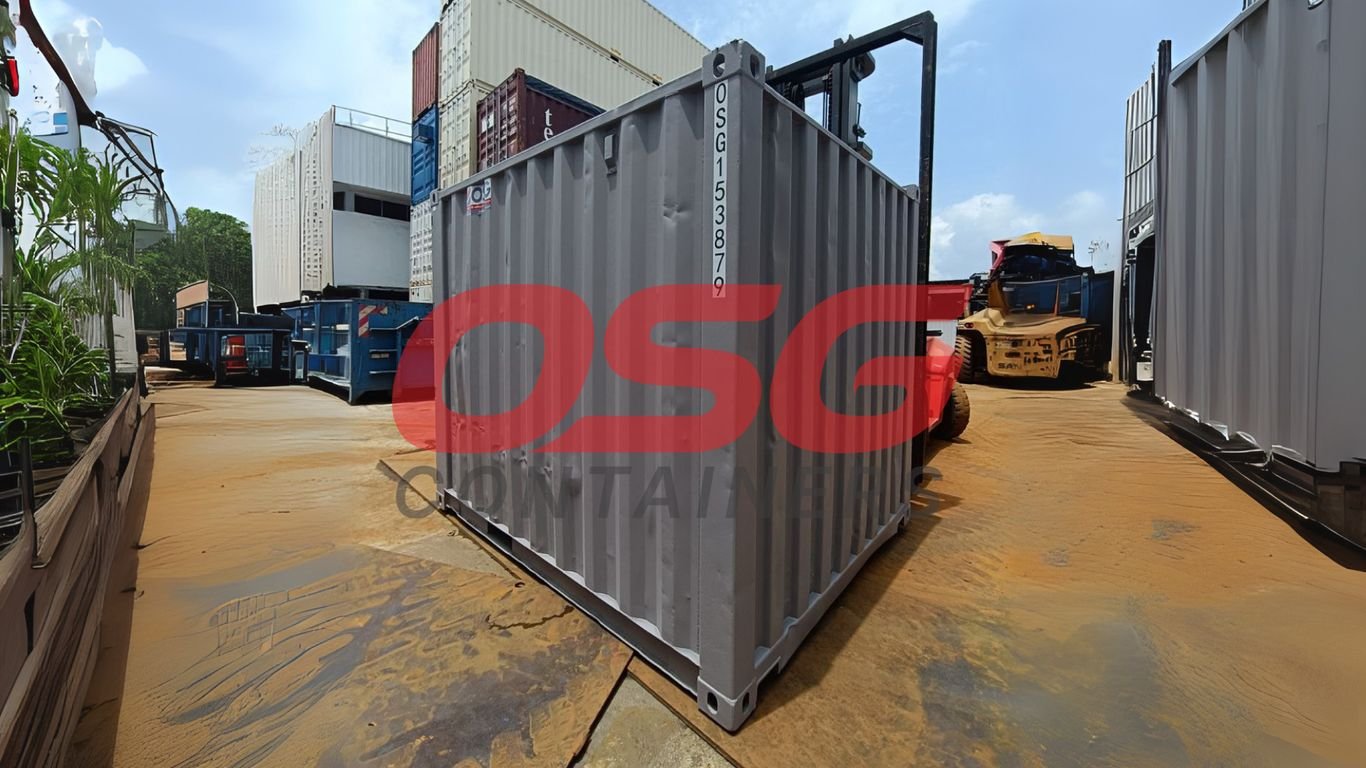
So, you’ve got a 40 foot container, or you’re thinking about getting one. That’s a lot of space, right? It can be easy to just fill it up haphazardly and end up with more space than you actually needed, or worse, not being able to fit everything you wanted. This article is all about making sure you use that big container effectively, whether it’s for storage or moving stuff. We’ll cover how to figure out what you really need, pick the right container, pack it smart, and handle all the paperwork and logistics. Let’s make sure that 40 foot container works hard for you.
Key Takeaways
- Figure out exactly how much space and weight you need before you even look at a 40 foot container. Match the container size to your stuff, not the other way around.
- When picking a container, check its condition. Make sure it’s wind and water tight and structurally sound. Knowing its build date and features is important too.
- To get the most out of your container, plan your layout. Use shelves and stack items wisely. Think about using the vertical space too.
- Don’t overload your container. Know its weight limits and calculate your cargo’s weight accurately. Spread the weight evenly for safety and stability.
- Read your hire agreement carefully. Understand all the terms, delivery details, and any potential extra costs before you sign.
Understanding Your Storage Needs
Before you even think about getting a 40-foot container, you really need to sit down and figure out exactly what you’re going to put in it. It sounds obvious, right? But people often skip this step and end up with a container that’s either way too big and mostly empty, or worse, too small and you’re trying to cram things in where they just don’t fit. This is where you avoid wasting money and a whole lot of hassle.
Assessing Space and Volume Requirements
So, what are we talking about here? It’s about looking at the stuff you need to store. Are we talking about a few pallets of inventory, furniture from a whole house, or maybe some big industrial equipment? You need to get a rough idea of the total volume. Think about the dimensions of your items. Are they long and skinny, or big and bulky? This will help you figure out how much space you’ll actually need. Don’t just guess; try to measure or at least estimate the cubic feet of your belongings. It’s better to overestimate slightly than to underestimate.
Matching Container Size to Goods
A 40-foot container is pretty massive, offering about 2,300 cubic feet of space. That’s a lot! It’s great for large-scale storage, like the contents of a multi-bedroom house, a significant amount of business inventory, or bulky machinery. If you’re just storing a few pieces of furniture or boxes from a studio apartment, a 40-footer is probably overkill. You might be better off with a smaller container, or even multiple smaller ones if you need to separate items. The goal is to find the container size that fits your goods snugly, without too much wasted air.
Considering Temporary vs. Long-Term Use
Are you using this container for a short burst, like during a home renovation or a temporary business expansion? Or is this a more permanent storage solution? If it’s temporary, you might be looking at hire options, which we’ll get into later. If it’s long-term, you might consider buying. The duration of your need can influence the type of container you choose and how you plan to use it. For instance, if you need it for a few months, you’ll want something easily accessible and perhaps not as robust as something you’d use for decades. Think about how often you’ll need to access the items too. If it’s frequent, placement and accessibility become much more important.
Figuring out your storage needs upfront is like making a map before a road trip. It prevents you from getting lost and wasting time and resources. A little planning now saves a lot of headaches later.
Selecting the Right 40 Foot Container
So, you’ve decided a 40 ft container is the way to go. That’s a solid choice for a lot of storage or shipping needs. But just grabbing any old 40 footer isn’t always the best move. You want to make sure you’re getting a container that’s actually going to work for you, not cause more headaches. It’s like picking out a used car – you wouldn’t just buy the first one you see, right? You’d check under the hood, kick the tires, and make sure it’s not going to break down on you a week later.
Evaluating Container Quality and Features
When you’re looking at a 40 footer, the first thing to really zero in on is its overall condition. A good quality container is the bedrock of avoiding problems down the line. You don’t want something that’s falling apart or has hidden issues. Think about what you’re putting inside. If it’s valuable stuff, or things that need to stay dry, a beat-up container is a recipe for disaster. Some places let you see the exact container you’ll get, which is pretty handy. It means no surprises when it shows up.
Checking Build Date and Structural Integrity
This is where you get a bit more technical. The build date tells you how old the container is. While age isn’t everything, a really old container might have seen better days. More importantly, you need to check its structural integrity. Are there any big dents? Any rust spots that look like they’re eating through the metal? You want to make sure the frame is solid and can handle being moved around, especially if you plan on relocating it.
Ensuring Wind and Water Tightness
This one’s pretty straightforward but super important. You absolutely need your container to be wind and water tight. Imagine a storm rolls in, or you get a heavy rain. If water can get in, your stuff is going to get ruined. A quick way to check is to go inside when it’s bright outside and look for any light peeking through the seals or seams. If you see light, water can get in too. A good 40 ft container should keep the elements out.
Verifying Specific Features Like Refrigeration
Sometimes, a standard container just won’t cut it. Maybe you’re shipping food, pharmaceuticals, or other temperature-sensitive items. In that case, you’ll need a refrigerated container, often called a reefer. Or perhaps you need extra ventilation, or a container with side doors for easier access. Whatever your specific need is for your 40 footer, double-check that the container you’re looking at actually has those features. Don’t assume; verify. It’s better to be sure upfront than to find out later that your special requirement wasn’t met.
Picking the right 40 footer isn’t just about size; it’s about getting a container that’s sound, secure, and equipped for your specific job. A little bit of careful checking now can save you a whole lot of trouble later on.
Maximising Space Within Your Container
So, you’ve got your 40-foot container, and now it’s time to actually fill it up without wasting a single inch. It’s easy to just start tossing stuff in, but that’s how you end up with a container that’s only half-full but feels completely jammed. We need to be smarter than that.
Strategic Layout and Organisation Planning
Before you even think about moving the first box, take a step back. What are you storing? How often will you need to get to certain items? Planning this out is key. Think about creating ‘zones’ within the container. Maybe one end for seasonal items you won’t touch for months, and the other for things you might need more access to. A well-thought-out plan prevents you from having to dig through everything just to find one thing.
Utilising Vertical Space Effectively
Most people look at the floor space of a container and stop there. But a 40-foot container is tall! You’ve got a lot of vertical real estate to play with. Don’t just stack boxes precariously; use sturdy shelving units or create platforms if your items allow. This not only fits more in but also makes it easier to access things without causing an avalanche.
Implementing Shelving and Stackable Bins
To really make that vertical space work, you need the right tools. Sturdy, industrial-style shelving is your best friend here. Look for units that can handle weight. Stackable bins are also fantastic. They keep things contained, protect your items, and stack neatly, one on top of the other, all the way up to the ceiling if needed. Make sure the bins are labelled clearly so you know what’s inside without having to pull them all down.
Disassembling Bulky Items for Storage
Got furniture? A big sofa or a bed frame can eat up a surprising amount of space. If possible, take it apart. Most furniture is designed to be disassembled and reassembled. Removing legs from tables, taking apart bed frames, and even removing doors from wardrobes can make these items much flatter and easier to pack efficiently. Store the smaller parts (like screws and bolts) in labelled bags attached to the main piece so they don’t get lost.
Don’t underestimate the power of filling small gaps. Once your main items are in place, use smaller boxes, soft items like blankets or pillows, or even rolled-up clothing to fill any empty spaces. This stops things from shifting during transit and makes sure every cubic inch is being used.
Here’s a quick look at how different items can be organised:
- Heavy, sturdy items: Place these on the floor or on lower shelves. Think machinery, large tools, or heavy crates.
- Medium-sized boxes: These can go on middle shelves or be stacked carefully. Good for books, files, or smaller appliances.
- Lighter, fragile items: These should be on upper shelves, well-protected. Think glassware, electronics, or artwork.
- Long or awkward items: If you can’t disassemble them, try to store them along the walls, perhaps horizontally above other items if space allows.
Efficient Loading and Payload Management
Alright, so you’ve got your 40-foot container, and now it’s time to actually put stuff in it. This is where things can get a little tricky if you’re not careful. We’re talking about making sure you don’t overload it, which is a big no-no, but also that you’re not just throwing things in willy-nilly and wasting all that valuable space. It’s a balancing act, for sure.
Understanding Payload Capacity Limits
First off, every container has a limit on how much weight it can actually hold. This isn’t just a suggestion; it’s a hard limit for safety and to keep things from breaking. You’ll see this listed as the Maximum Payload or Max Payload. It’s usually in kilograms or pounds. Don’t guess this number; find the actual spec for your container. It’s printed on the container itself, usually near the door, or you can find it on the shipping line’s documentation. Ignoring this can lead to serious problems, like fines or even the container being rejected at a port. Plus, overloading puts a ton of stress on the container and whatever is moving it.
Accurate Weight Calculations for Cargo
So, how do you figure out if you’re within limits? You gotta weigh your stuff. And I mean everything. This includes the actual goods, of course, but also any packaging, pallets, dunnage (that’s the stuff used to fill gaps and keep things from moving), and even the weight of the straps or ties you use to secure everything. It’s easy to forget about the packaging, but it adds up fast. If you’re shipping a lot of smaller items, using stackable bins or boxes can make weighing and tracking easier. For bigger items, you might need to weigh them individually before they even go near the container.
Here’s a quick rundown of what to include:
- The Goods: The actual products you’re shipping.
- Packaging: Boxes, wrapping, shrink film, etc.
- Pallets: If you’re using them, don’t forget their weight.
- Securing Materials: Straps, ropes, bracing, and any filler material.
Distributing Load Evenly for Stability
This is super important for safety. You can’t just pile everything on one side or one end. Think about how a seesaw works – you need the weight balanced. Heavy items should generally go on the bottom, spread out across the floor of the container. Lighter items can go on top. If you have a really heavy item, try to place it in the center. This keeps the container from tipping or shifting unexpectedly during transit, which can be dangerous for everyone involved and can damage your cargo.
Proper load distribution isn’t just about preventing the container from tipping over. It also helps to prevent damage to the goods inside. When weight is unevenly distributed, items can shift and rub against each other, leading to scuffs, dents, or even breakage. Taking the time to plan your loading pattern can save you a lot of headaches (and money) down the line.
Accounting for Packaging and Ancillary Materials
As mentioned before, don’t forget the extras. Packaging materials, like cardboard boxes, plastic wrap, and foam inserts, all have weight. If you’re using wooden or plastic pallets, those add a significant amount of weight too. Even the tape you use to seal boxes contributes. When you’re calculating your total cargo weight, make sure you’re adding up the weight of all these components. It’s better to be a little over on your estimate and find out you’re under the limit, than to be under on your estimate and accidentally go over the limit. A good rule of thumb is to add a small percentage (say, 5-10%) to your estimated weight of packaging and securing materials just to be safe.
Navigating Container Hire Agreements
When you’re looking into container renting, the agreement you sign is a big deal. It lays out all the rules for your rental period, so you really need to read it carefully. Don’t just skim through it; make sure you get what it’s saying.
Comprehending Hire and Lease Terms
First off, know the difference between hiring and leasing. Hiring is usually for shorter, more flexible periods, great if you’re not sure how long you’ll need the container. Leasing often means a longer commitment, which might be better for ongoing projects. The terms should clearly state the duration of your agreement. Are you renting for a month, a year, or longer? This affects your costs and planning.
Clarifying Duration, Delivery, and Pick-Up Details
Pay close attention to when the container will be delivered and when it needs to be picked up. These dates are usually set in stone, so make sure they work with your schedule. If you need flexibility, ask if there are options for extending the rental or arranging early pick-up. Sometimes, there are specific time windows for delivery and collection, so confirm these details to avoid any surprises on the day.
Understanding Maintenance Responsibilities
Who’s responsible if something goes wrong with the container during your rental? The agreement should spell this out. Usually, the rental company handles major structural issues, but you might be responsible for damage caused by improper use or neglect. It’s good to know this upfront so you can take care of the container properly.
Identifying Potential Extra Fees
Always look for any hidden costs. Are there fees for late pick-up, damage, or cleaning? Some companies charge extra if the container isn’t returned in the condition it was received. Make a list of all possible charges so you’re not caught off guard. A clear agreement protects both you and the rental company.
Reading the fine print on container renting agreements is super important. It might seem boring, but it saves you a lot of headaches later. Knowing exactly what you’re signing up for means you can plan better and avoid unexpected bills.
Logistical Planning for Container Placement
Okay, so you’ve got your container sorted, but now comes the part where you actually need to get it where it’s going. This isn’t just a matter of pointing the delivery truck in the right direction. You’ve got to think about how it’s going to get there and if the spot you’ve picked is actually suitable. It sounds simple, but trust me, a little planning here saves a whole lot of headaches later.
Arranging Delivery and Pick-Up Coordination
First things first, you need to talk to the container hire company about when they can drop it off and, eventually, pick it up. Don’t just assume they’ll know. Give them a heads-up, and make sure you’re both on the same page about dates and times. This is especially important if you’re on a tight schedule. You don’t want the container sitting around longer than it needs to, racking up fees, or worse, not arriving when you actually need it.
Ensuring Site Accessibility and Level Ground
This is a big one. Think about the truck that’s going to deliver your container. Can it actually get to the spot you want it? Are there narrow gates, low-hanging branches, or tight turns it needs to navigate? Also, the ground where the container will sit needs to be pretty level. If it’s sloped, the container can end up sitting unevenly, which puts stress on its frame. This can make doors hard to open and close, and in the worst case, it could even damage the container or its contents. Most companies will tell you they need a firm, level surface. You might need to do some prep work yourself, like clearing debris or even bringing in some gravel to level out a patch of dirt.
Checking Local Council Permits for Urban Areas
If you’re placing a container in a town or city, you might need permission. Seriously. Some local councils have rules about where you can put large structures like shipping containers, even if it’s just for a short while. You don’t want to get a fine or be told to move it right after it’s been delivered. It’s worth a quick call or check on your local council’s website to see if you need a permit. It’s usually a straightforward process, but you have to know to ask.
Preparing for Container Weight on Arrival
These things are heavy. Even an empty 40-foot container weighs a few tons. When you load it up, it gets a lot heavier. The delivery truck needs to be able to handle that weight and the ground needs to support it. Think about what’s underneath where it’s going. Is it just grass? Paved asphalt? Concrete? If you’re worried about the ground sinking or cracking, you might need to put down some sturdy mats or blocks to spread the weight. It’s all about making sure the container lands safely and doesn’t cause any damage to your property or the delivery vehicle.
The delivery truck needs a clear path, and the ground needs to be solid. Don’t underestimate the weight, even when it’s empty. A little foresight prevents a lot of trouble.
Preparing for Container Return
So, you’ve used your 40-foot container, and now it’s time to send it back. Don’t just leave it there and expect it to disappear! A little bit of planning goes a long way to avoid any headaches or unexpected bills. Think of it like returning a rental car – you want to hand it back in good shape to keep things smooth.
Scheduling Container Pick-Up in Advance
This is a big one. Don’t wait until the last minute to call your container provider and say, "Hey, can you grab this thing tomorrow?" Most companies need a few days’ notice, sometimes even a week, especially if you’re in a busy area. You’ll want to coordinate a date that works for both you and them. This usually involves a quick chat to confirm the container’s location and confirm they have a truck available.
- Give your provider at least 3-5 business days’ notice.
- Be ready to provide the container’s serial number and exact location.
- Confirm the pick-up window they can offer.
Ensuring Container is in Good Condition
Remember when you got the container? It was probably pretty clean and free of major dents or holes. Your hire agreement likely states you need to return it in a similar condition, minus normal wear and tear from its intended use. This means checking for any damage you might have caused and addressing it before they come to collect it.
- Structural Integrity: Look for any new dents, holes, or bent frame parts. Minor scuffs are usually fine, but major damage could cost you.
- Doors and Locks: Make sure the doors open and close properly and that the locking mechanisms are intact.
- Flooring: Check for significant damage or missing floorboards.
Cleaning the Container for Smooth Return
This is where a lot of people slip up. You might have stored anything from garden tools to old furniture, and things can get dusty, dirty, or even a bit messy. Most rental agreements require the container to be returned empty and reasonably clean. Sweeping out debris is the bare minimum. If you stored anything that left a residue or a smell, you might need to do a bit more scrubbing.
Leaving the container full of junk or with a persistent odor is a surefire way to incur extra charges. A quick clean-out saves you money and makes the return process much easier for everyone involved.
Avoiding Additional Charges Upon Departure
Nobody likes surprise fees, right? By following the steps above – scheduling ahead, checking for damage, and cleaning thoroughly – you’re already on the right track. Other common charges can come from:
- Leaving items behind: Make sure it’s completely empty.
- Damage beyond normal wear and tear: Address any significant issues beforehand.
- Late pick-up requests: Give ample notice.
- Unusual cleaning needs: A standard sweep is usually enough, but spills might require more.
Being proactive about the return process means you can wrap things up without any financial surprises, letting you move on to your next project or storage need.
Wrapping It Up
So, there you have it. Using a big container like a 40-footer doesn’t have to mean wasted space. By taking a little time to figure out exactly what you need to store or move, and then planning how to pack it all in efficiently, you can make sure you’re getting your money’s worth. Whether it’s for a business needing extra room or just a big move, a bit of smart planning goes a long way. Don’t just shove stuff in; think it through, use shelves if you need them, and you’ll be surprised how much you can fit. It’s all about being a bit organised and not letting that valuable space go to waste.
Frequently Asked Questions
What does ‘underutilising’ a container mean?
It means you’re not using the container to its full potential. This could be by not filling it up enough, not using all the available height, or by paying for more space than you actually need. It’s like buying a big backpack but only putting a few small things in it – you’re not getting the best value.
How do I know if a 40-foot container is the right size?
Think about everything you need to store or move. Measure your items if possible, or make a list. A 40-foot container is quite large, so if you only have a few things, it might be too big. But if you have a lot of furniture, equipment, or inventory, it’s probably a good choice. It’s all about matching the container’s space to your stuff.
What should I check before hiring a container?
First, look at the container’s condition. Make sure it’s strong and doesn’t have any holes. It should be ‘wind and water tight,’ meaning no rain or wind can get inside. Also, read the hire agreement very carefully. Understand how long you can use it, when it will be delivered and picked up, and if there are any hidden costs.
How can I fit more stuff into my container?
You can use the space much better by being smart about how you pack. Try to stack boxes neatly. Use shelves if you can, or stackable bins to use the height of the container. If you have large furniture, taking it apart can save a lot of room. Also, fill any empty spaces in boxes or furniture with smaller items.
Is it important to know the container’s weight limit?
Yes, absolutely! Every container has a maximum weight it can safely hold, called its payload capacity. You need to know this limit and calculate the weight of your items, including packaging. Putting too much weight in can damage the container, cause safety problems, and lead to fines if you’re transporting it.
What happens when I need to return the container?
You should plan ahead! Contact the company to schedule a pick-up time. Make sure the container is clean and in good condition, just like when you got it. This helps avoid extra charges. It’s usually best to clean it out thoroughly and remove all your belongings well before the pick-up date.