Singapore
 Australia
 Indonesia
 Japan
Japan Malaysia
 New Zealand
 Philippines
 South Korea
 Taiwan
 Thailand
 VIETNAM
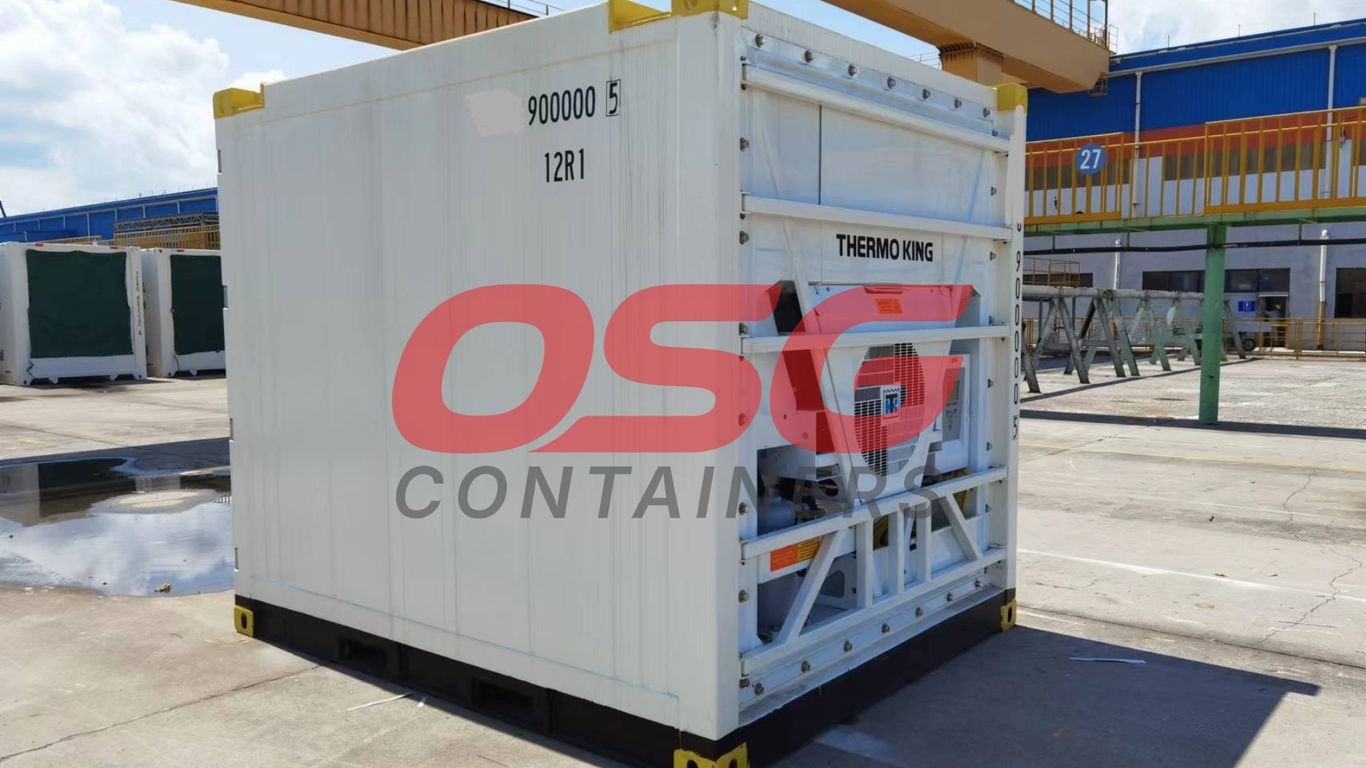
Ever wonder how that carton of milk or those imported berries make it to your plate without going bad? It’s not magic, though it might seem like it. It’s the work of refrigerated containers, or reefers, which are pretty much the backbone of moving anything that needs to stay cold. These aren’t your average shipping boxes; they’re like giant, mobile refrigerators designed to keep a very specific environment inside, no matter what the weather is doing outside. They’re absolutely vital for global trade, especially for things like food and medicine that can’t just sit around at room temperature for weeks on end. Without them, a lot of the food we eat and the medicines we rely on simply wouldn’t make it to us in usable condition. They really are the unsung heroes of the whole shipping world.
Key Takeaways
- A reefer container is basically a mobile refrigerator, built to keep cargo at exact temperatures and humidity levels, making it vital for transporting sensitive items like food and medicines.
- These containers have advanced refrigeration units and high-grade insulation that work together to maintain stable conditions, a big step up from older cooling methods.
- You can choose from different sizes (like 20ft and 40ft) and tech levels (standard vs. high-tech) for a reefer container, depending on what you’re shipping.
- Reefer containers play a big role beyond just trade, helping with things like disaster relief and reducing food waste by keeping goods fresh.
- The technology in reefer containers is always improving, with a focus on being more energy-efficient and using smart tech for better monitoring.
The Precision Engineering of Reefer Containers
Advanced Refrigeration Units and Precision Cooling
Reefer containers aren’t just boxes with a freezer unit slapped on. They’re built with some pretty sophisticated machinery to keep things at just the right temperature. We’re talking about refrigeration units that can be dialed in to specific degrees, whether you need to keep something frozen solid or just slightly chilled. These units are designed to handle fluctuations in outside temperature, working hard to maintain the set point. The real magic is in how precisely they can control the internal climate. It’s not just about being cold; it’s about being exactly the right kind of cold, or even controlled humidity, depending on what you’re shipping.
The Role of High-Grade Insulation in Performance
Think of the insulation like a really good thermos. The better it is, the less the cooling unit has to work. Reefer containers use thick, high-quality insulation materials, usually polyurethane foam, sandwiched between the inner and outer walls. This stuff is really good at stopping heat from getting in or cold from escaping. It’s a big part of why these containers can maintain such stable temperatures, even when they’re sitting out on a hot tarmac or in a freezing port. Without this solid insulation, the refrigeration unit would be running non-stop, burning through a ton of energy and probably still struggling to keep up.
Synergy Between Insulation and Refrigeration Units
It’s really the combination of the powerful refrigeration unit and the excellent insulation that makes reefers so effective. They work together, hand-in-hand. The insulation minimizes heat transfer, and the refrigeration unit actively removes any heat that does get in, maintaining that precise temperature. This partnership is what allows us to ship things like ice cream from one side of the world to the other without it melting, or keep fresh produce crisp until it reaches the grocery store. It’s a delicate balance that’s been perfected over years of development. Understanding your specific cargo’s needs is key to selecting the right container and settings for this synergy to work best.
The effectiveness of a reefer container hinges on the coordinated effort between its cooling machinery and its insulating shell. This integrated approach guarantees the integrity of temperature-sensitive goods throughout their transit, while also significantly impacting the overall energy consumption and cost of global shipping operations. The careful selection and maintenance of both components are paramount for successful cold chain logistics.
Here’s a quick look at how they work together:
- Insulation: Acts as a barrier, slowing down heat exchange with the outside.
- Refrigeration Unit: Actively removes heat that enters or is generated inside.
- Thermostat/Sensors: Monitor internal conditions and tell the refrigeration unit when to turn on or off.
- Air Circulation: Ensures the temperature is uniform throughout the container.
Maintaining Exact Environmental Conditions
Maintaining Constant Temperature, Humidity, and Atmosphere
Reefer containers are way more than just fancy iceboxes. They’re built to be super precise, actively managing the inside environment. This means keeping the temperature exactly where it needs to be, whether that’s just above freezing for your fresh berries or way down for frozen pizzas. Some can even get as cold as -70°C for really sensitive stuff like certain medicines. But it’s not just about the cold. They also keep an eye on humidity levels, usually aiming for somewhere between 60% and 85% relative humidity. Too much moisture can cause mold or rot, and too little can dry things out. For some fruits and veggies that keep respiring after they’re picked, these containers can even adjust the air inside, controlling gases like oxygen and carbon dioxide. It’s all about creating the perfect little world for whatever you’re shipping.
The Importance of Ventilation and Airflow
Getting the air moving inside is just as big a deal as the cooling itself. Proper airflow makes sure that cold air gets to every single corner of the cargo. This stops those annoying "hot spots" where things might start to spoil. For fresh produce, ventilation also helps get rid of the gases that ripening creates and any extra heat. Think of it like giving your cargo room to breathe. You can’t just cram everything in tight; you need to stack things so air can actually get around them. If the air isn’t moving, you can end up with uneven temperatures and spoilage, even if the thermostat is set correctly. It’s all about making sure the whole load stays consistent.
Dehumidification Functions and Standard Humidity Levels
Moisture can really mess things up for a lot of cargo. Too much humidity can lead to mold, rot, or condensation, which can ruin anything from electronics to food. That’s where the dehumidification function comes in handy. Reefer units can actively pull excess moisture out of the air inside. The usual target for most reefers is a relative humidity between 60% and 85%. This range works well for a lot of perishable items, keeping them fresh without making them too dry. Some of the fancier units can even get the humidity lower if the specific cargo needs it, showing just how adaptable this tech is for different shipping jobs.
Keeping things at the right temperature is only half the battle. Controlling humidity and air composition is what really separates a reefer container from a simple refrigerated truck. It’s this level of environmental management that protects the integrity of sensitive goods during long journeys.
Beyond Basic Cooling: Key Reefer Container Features
Defining Refrigerated Containers and Their Crucial Role
So, what exactly is a container reefer? Think of it as a high-tech, mobile refrigerator designed for shipping. It’s not just a metal box; it’s a carefully engineered environment built to maintain very specific temperatures for goods that can’t handle the usual ups and downs of ambient weather. These units are the backbone of transporting perishables, from the food on our plates to life-saving medicines. Without them, global trade in many sensitive items would simply grind to a halt. They create a controlled atmosphere, protecting cargo from spoilage and degradation during long journeys.
Key Features and Functionality of Reefer Containers
Reefer containers are packed with features that go way beyond just being cold. It’s this combination of technology that makes them so effective.
- Active Temperature Control: Unlike passive insulated containers, reefers have powerful refrigeration units that actively cool or even heat the interior to a precise set point, often within a range of -25°C to +30°C.
- High-Grade Insulation: The walls, ceiling, and floor are made with thick, high-quality insulation materials. This minimizes heat transfer, meaning the refrigeration unit doesn’t have to work as hard to maintain the desired temperature, saving energy.
- Humidity Management: Many reefers can control the humidity inside. This is vital for different types of cargo; for example, fresh produce might need higher humidity to stay crisp, while other items might require it to be lower to prevent mold.
- Ventilation and Airflow: Proper airflow is key to consistent temperatures. Reefers are designed to circulate air effectively, preventing hot or cold spots and ensuring the entire cargo load is kept under uniform conditions.
- Power Options: They require a power source, usually from the ship, truck, or a generator set, to run the refrigeration unit. This constant power supply is what allows for continuous temperature maintenance.
The synergy between the robust refrigeration system and superior insulation is what truly defines a reefer container. This isn’t just about keeping things cold; it’s about creating a stable microclimate that preserves the quality and safety of sensitive goods throughout their entire transit, no matter the external conditions.
Here’s a quick look at how a reefer stacks up against a standard dry container:
| Feature | Reefer Container | Dry Container |
|---|---|---|
| Temperature | Actively controlled (-25°C to +30°C) | Ambient |
| Primary Use | Perishables (food, pharma, flowers) | Non-perishables |
| Insulation | High-grade thermal retention | Basic structural |
| Power Requirement | Yes, for refrigeration unit | No |
| Cost | Higher initial and operational | Lower |
Choosing the Right Reefer for Specific Cargo Needs
Picking the right cntr reefer isn’t just about grabbing the first cold box you see. It really depends on what you’re shipping. Think of it like picking the right tool for a job; you wouldn’t use a hammer to screw in a bolt, right? The same goes for keeping your goods at the perfect temperature.
High-Tech Versus Standard Reefer Container Units
So, you’ve got your basic reefers, and then you’ve got the fancy ones. Standard units are great for most everyday stuff, like frozen foods or general produce. They reliably keep things at the temperature you set. But if you’re shipping something super sensitive, like vaccines or delicate flowers, you might need a high-tech unit. These advanced containers often come with real-time monitoring. You can check the temperature, humidity, and even the air mix from your phone or computer. This is a big deal for expensive cargo where even a small change can ruin everything.
- Standard Reefers: Good for general perishables, reliable temperature control.
- High-Tech Reefers: Offer advanced monitoring, precise environmental control, data logging, ideal for pharmaceuticals and high-value goods.
- Pharma-Grade Reefers: Specialized units with extremely tight temperature tolerances and robust data security.
The choice between standard and high-tech often comes down to how sensitive your cargo is and how much risk you’re willing to take. For many food items, a standard unit is perfectly fine. But for things that can spoil quickly or are worth a lot, the extra features of a high-tech unit can save you a lot of headaches and money in the long run.
Exploring Size Variants: 20ft, 40ft, and Specialized Units
Reefers come in different sizes, just like regular shipping containers. The most common are 20-foot and 40-foot. A 20-foot reefer is good for smaller shipments, while a 40-foot can hold a lot more. But it’s not just about length. Sometimes you need a specialized unit. Maybe you need a container that’s taller, or one designed for specific airflow patterns. It’s important not to get a container that’s way too big for your load, because you’ll just be wasting energy trying to cool an empty space.
| Size | Typical Use Case |
|---|---|
| 20ft | Smaller shipments, less volume |
| 40ft | Larger shipments, bulk perishables |
| 40ft High-Cube | Increased vertical space for taller items |
| Specialized | Specific cargo needs (e.g., extra ventilation) |
Matching Container Capabilities to Cargo Demands
So, how do you put it all together? First, figure out exactly what your cargo needs. Does it need to be frozen solid, or just chilled? What about humidity? Some things, like fresh produce, need a specific humidity level to stay fresh without getting moldy. Others, like certain electronics, need to be kept dry. Then, look at the container options. Matching the reefer’s capabilities—its cooling power, its insulation quality, its monitoring features, and its size—to your cargo’s specific requirements is the key to a successful shipment. Getting this right means your goods arrive in perfect condition, saving you money and keeping your customers happy.
The Evolution of Refrigerated Shipping Technology
Early Endeavors: The Roots of Refrigerated Shipping
Shipping things cold isn’t exactly a new idea. Way back in the mid-1800s, people figured out that if you wanted to move perishable goods over long distances, you needed to keep them cool. The earliest attempts were pretty basic, mostly involving insulating cargo holds and packing them with ice. Imagine trying to keep a ship’s hold at a consistent temperature with just blocks of ice – it was a constant battle against the elements and a lot of manual work. These methods were cumbersome and not very reliable, but they were the first steps toward what we have today.
The Cold Revolution: Technological Milestones
The real game-changer came around the mid-20th century with the invention of mechanical refrigeration. This was huge because it meant we weren’t reliant on ice anymore. Suddenly, you could have a controlled cooling system that didn’t melt away. This breakthrough allowed for much more consistent temperatures and opened the door to transporting a wider variety of goods that previously couldn’t survive the journey. It was the start of a more dependable cold chain.
- Mechanical refrigeration units replaced ice.
- Improved insulation techniques became more common.
- Power sources for cooling systems became more sophisticated.
The Rise of Reefer Containers: A Modern Marvel
Fast forward to today, and we have the reefer container. These aren’t just insulated boxes; they’re self-contained, high-tech units that can maintain incredibly precise temperatures, humidity, and even air composition. The standardization of these containers in recent decades has completely transformed global trade. They can be plugged in at ports, on trains, and even on trucks, making the movement of temperature-sensitive items like fresh produce, pharmaceuticals, and specialized chemicals smoother than ever before. It’s a far cry from those early ice-filled holds, and it’s what makes it possible for us to enjoy exotic fruits year-round or get life-saving medicines where they’re needed most.
The journey from simple ice-filled boxes to the sophisticated, digitally monitored reefer containers of today is a testament to human ingenuity in solving complex logistical challenges. This evolution has not only made global trade more efficient but has also had a significant impact on food availability and public health worldwide.
Reefer Containers: Critical for Global Supply Chains
When you think about global trade, you might picture massive cargo ships and bustling ports, but the reefer container is often overlooked. Yet, these specialized units are absolutely critical. They enable countries to export and import perishable items like fruits, vegetables, and medicines, connecting producers with consumers across continents. Imagine trying to get fresh avocados from South America to Europe without a reefer; it just wouldn’t happen. Reefer containers ensure that these products arrive at their destination as fresh as when they were packed, preventing waste and making a huge variety of goods available to people everywhere. It’s a complex system, but the reefer container is the key piece that makes so much of it possible. They are truly indispensable for keeping the global supply chain moving, especially for sensitive items that need constant care.
Defining Refrigerated Containers and Their Crucial Role
So, what exactly is a reefer container? Think of it as a self-contained, insulated box with a built-in refrigeration unit. Its main job is to maintain a precise temperature, and sometimes even humidity and air composition, for whatever is packed inside. This controlled environment is what keeps perishable goods, like fresh produce, frozen foods, and pharmaceuticals, in good shape during their long journeys. They are the cornerstone of what we call the ‘cold chain,’ which is basically the entire process of keeping temperature-sensitive products at a consistent low temperature from the moment they are made until they are used or consumed. It’s a pretty big deal when you consider how much of our modern economy relies on moving these kinds of goods around the world.
Key Features and Functionality of Reefer Containers
Reefer containers are basically giant, mobile refrigerators designed to keep things at a specific temperature. Think of them as the unsung heroes that make sure your fruits, veggies, medicines, and even some chemicals arrive at their destination without going bad. They’re built to maintain a steady internal climate, which is super important for anything that can’t handle big temperature swings. Without them, a lot of the food we eat and the medicines we rely on wouldn’t make it from where they’re produced to our tables or pharmacies. Some key features include:
- Precise Temperature Control: Ability to set and maintain temperatures within a very narrow range, often from -35°C to +30°C.
- Humidity Management: Many units can control the internal humidity to prevent produce from drying out or becoming too moist.
- Ventilation Systems: Controlled airflow to remove ripening gases like ethylene and maintain air quality.
- Monitoring and Alarms: Systems that track conditions and alert operators to any deviations from the set parameters.
The ability of reefer containers to maintain precise environmental conditions is not just about keeping food fresh; it’s about preserving the integrity of vital medicines, ensuring public health, and reducing global food waste. Their role extends far beyond simple commerce, touching on critical aspects of daily life and emergency preparedness.
Reefer Containers Beyond Global Trade
While we often think of reefer containers as the backbone of international food and goods transport, their utility extends far beyond just keeping your groceries fresh. These specialized units are incredibly versatile and play vital roles in situations where maintaining a controlled environment is paramount, even outside the typical trade routes. They’re not just for shipping; they’re for safeguarding.
- Disaster Management: In emergencies, reefers can be deployed rapidly to provide reliable cold storage for food and medicine in affected areas.
- Pharmaceuticals and Vaccines: The industry relies heavily on reefers to transport temperature-sensitive drugs and vaccines, where even slight deviations can render them useless.
- Specialized Cargo: Beyond food and medicine, they can transport items like chemicals, photographic film, and even certain types of artwork that require stable conditions.
Ensuring Quality and Safety Across Vast Distances
Shipping things cold isn’t exactly new, but the way we do it has changed a lot. Back in the day, people used ice, which was messy and hard to control. Then came insulated rooms on ships. Now, we have these self-contained reefer units that are pretty much high-tech refrigerators on wheels, or rather, on ships, trains, and trucks. They’ve gotten way more sophisticated, with better insulation and cooling systems that can be powered in different ways, making global trade of perishable items possible on a massive scale. It’s a far cry from those early ice-filled boxes, and it really changed how we get our food and medicine.
The Takeaway: More Than Just a Cold Box
So, when you see those big refrigerated containers rolling through ports or stacked on ships, remember they’re not just simple coolers. They’re complex pieces of engineering, working hard to keep things just right, whether it’s your favorite ice cream or vital medicine. The combination of smart insulation and powerful cooling systems means we can get all sorts of goods across the globe safely. It’s this precision that really makes them indispensable for modern life and trade. They’re the quiet, constant companions making sure our world stays stocked and healthy, one perfectly chilled shipment at a time.
Frequently Asked Questions
What exactly is a reefer container?
A reefer container is like a big, mobile refrigerator. It’s a special shipping box with its own cooling system inside. Its main job is to keep the temperature inside very steady, whether it’s super cold for frozen items or just cool for fresh foods, making sure they don’t spoil during long trips.
How do reefer containers keep things so cold and fresh?
These containers are built with thick, insulating walls to keep the cold air in and the warm air out, way better than a normal box. They also have a powerful cooling machine that can be set to a very exact temperature. Some advanced ones can even control the moisture in the air and how the air moves around inside to keep different kinds of products perfectly fresh.
Are there different sizes of reefer containers?
Yes, there are! The most common sizes are 20-foot and 40-foot long containers. But you can also find special sizes or types designed for very specific needs, depending on what you’re shipping and how much of it you have.
What’s the difference between a standard reefer and a high-tech reefer?
A standard reefer does a great job of keeping things at the right temperature. A high-tech reefer is like the super-smart version. It can track the temperature, humidity, and even the air inside in real-time, and you can check it from anywhere. This is really important for super sensitive items like medicines or expensive foods.
Why is airflow important inside a reefer container?
Airflow is super important because it makes sure the cold air gets to every single part of the stuff inside the container. This stops some parts from getting too warm while others stay cold. It also helps remove extra gases that fruits and veggies might give off as they ripen, keeping them fresher for longer.
Besides food, what else do reefer containers transport?
Reefer containers are vital for more than just food! They are used to ship important medicines, vaccines that need to stay at very specific temperatures, and even certain chemicals. They play a big role in keeping essential supplies safe and usable, no matter how far they have to travel.