Singapore
 Australia
 Indonesia
 Japan
Japan Malaysia
 New Zealand
 Philippines
 South Korea
 Taiwan
 Thailand
 VIETNAM
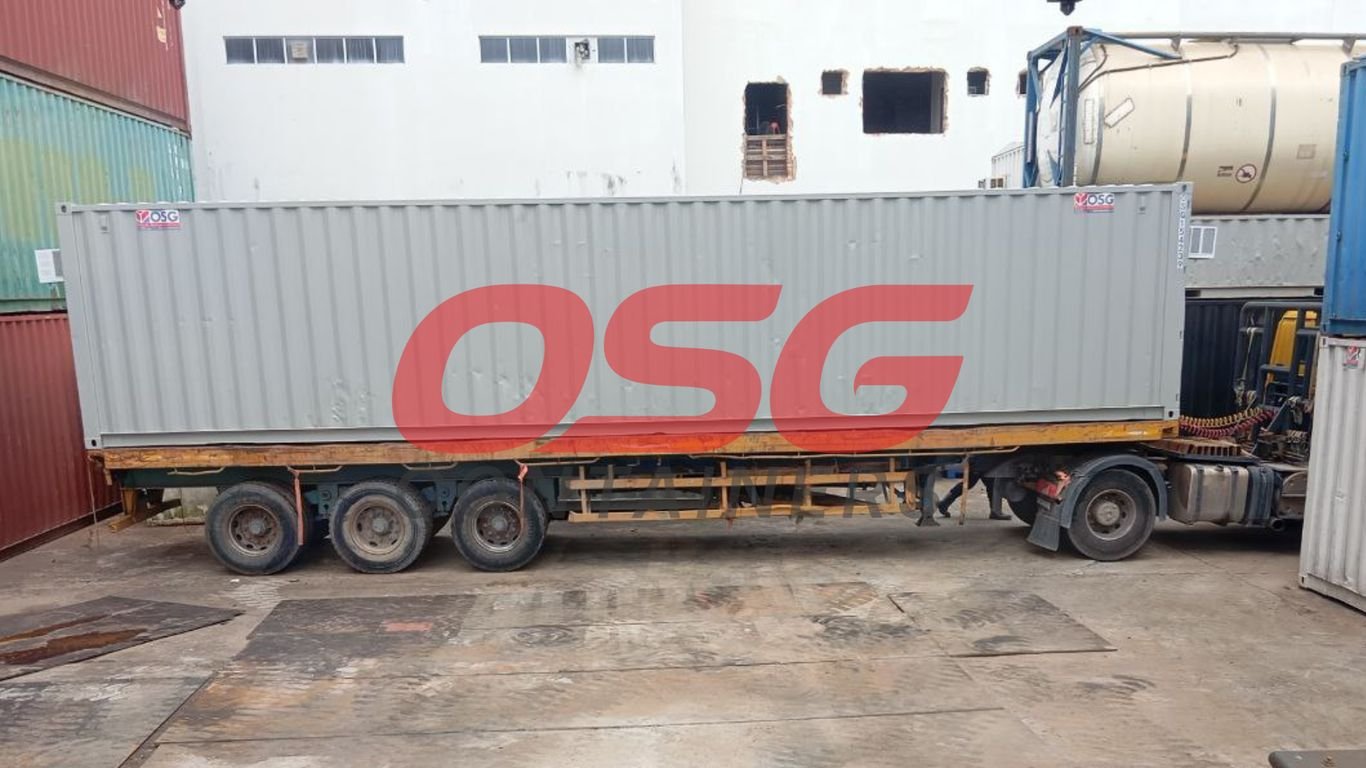
Thinking about shipping something or need some extra storage space? A 20 footer container might be just the ticket. But before you go signing any papers, it’s good to know what goes into the price tag. It’s not just a simple number; a bunch of things can make that cost go up or down. Let’s break down some of the main reasons why the price of a 20 footer container can change.
Key Takeaways
- The price of a 20 footer container depends heavily on whether it’s new or used, with used ones generally being more affordable but potentially requiring more checks.
- Factors like the container’s age, size (standard 20ft vs. high cube), and specific type (e.g., refrigerated) directly influence its initial cost.
- Shipping and logistics add significant costs, including ocean freight, port fees, customs duties, and various surcharges, which can sometimes outweigh the container’s base price.
- Where you are located and the current market conditions, specifically supply and demand for containers, play a big role in how much you’ll pay.
- Any custom modifications made to a container, such as adding windows or insulation, will increase its overall price, as will the need for it to meet specific cargo or seasonal requirements.
Understanding the Base Cost Of A 20 Footer Container
So, you’re looking into getting a 20-foot container, huh? It’s a pretty standard size, often called a TEU, and it’s a workhorse in shipping. But what goes into the price tag before you even think about shipping anything? Let’s break down the starting point.
New Versus Used Container Pricing
When you’re shopping for a container, the first big decision is whether to go new or used. A brand-new container, often called ‘one-trip’ because it’s usually only used once to ship goods from the factory before being sold, will naturally cost more. It’s in pristine condition, with no dents, rust, or wear and tear. Used containers, on the other hand, have seen some action. They can range from ‘wind and watertight’ (meaning they’re still sealed and structurally sound, but might have cosmetic issues) to ‘cargo-worthy’ (meaning they’ve passed inspections and are ready for shipping). The price difference between a new and a used 20ft container can be significant, often several hundred to over a thousand dollars.
Container Size And Type Impact
While we’re focusing on the 20-footer, it’s worth noting that even within this size, there are variations. The most common is the standard 20ft dry van. But you might also find 20ft High Cube containers, which are a foot taller, giving you more vertical space. This extra height can add to the cost. Then there are specialized containers like refrigerated (reefer) units or open-top containers, which come with a higher price tag due to their added features or construction.
Here’s a general idea of how type can affect price:
| Container Type | Relative Cost (vs. Standard 20ft) |
|---|---|
| Standard 20ft Dry Van | Base Price |
| 20ft High Cube | Higher |
| 20ft Reefer | Significantly Higher |
The Role Of Container Age
Age plays a big part, especially with used containers. A container manufactured more recently will generally be in better shape than one that’s, say, 15 years old. Newer containers usually mean less rust, fewer repairs needed, and better seals. Older containers might have structural issues or require more maintenance to be considered ‘cargo-worthy’. Plus, for international shipping, containers need a valid CSC (Container Safety Convention) plate. These plates have expiry dates, and recertification adds to the upkeep cost for older units, which can be reflected in the price.
When you’re looking at the base cost of a container, think of it like buying a car. You’ve got the sticker price, but then you’ve got to consider if you want the latest model or a reliable used one. Both have their place, and the choice really depends on your budget and what you need the container for. Don’t just look at the number; look at what you’re actually getting for that price.
Factors Influencing Shipping And Logistics Costs
So, you’ve got your eye on a 20-footer, but the price tag seems to jump around more than a kangaroo on a trampoline. A big chunk of that final cost isn’t just the container itself, but getting it from point A to point B. Think of it like buying a car – the sticker price is one thing, but then you’ve got taxes, registration, and maybe even delivery fees. Shipping containers are no different.
Ocean Freight Expenses
This is usually the biggest slice of the pie. It’s the cost of actually moving your container across the water. Several things play into this:
- Route Distance: Longer trips naturally cost more. A hop across the channel is way cheaper than a trans-Pacific voyage.
- Fuel Prices: Ships guzzle a lot of fuel, so when gas prices go up, so does your shipping cost. It’s a pretty direct link.
- Shipping Line Competition: Different companies offer different rates. Sometimes, routes are more competitive than others, driving prices down.
- Container Volume: If there’s a huge demand for shipping space on a particular route, prices can climb.
The actual price you’ll pay for ocean freight can swing wildly. For example, shipping a 20-footer from China to the US might land somewhere between $1,000 and $2,500, but that’s just a ballpark figure. It really depends on all those little details.
Port And Terminal Handling Fees
Once your container hits land, the port doesn’t just let it wander off for free. There are fees for pretty much everything:
- Loading and Unloading: Getting the container off the ship and onto the dock, and then later onto a truck or train, costs money. Ports have equipment and staff for this.
- Storage (Demurrage/Detention): If you leave your container at the port for too long, you’ll start racking up daily fees. You want to get it moved out quickly!
- Terminal Services: This can include things like security checks, administrative fees, and general upkeep of the terminal facilities.
These fees can add up, often ranging from $100 to $500 or more, depending on the port’s size and how busy it is.
Customs Clearance And Duties
If your container is crossing international borders, you can’t just ignore customs. This is where the government gets involved, and they usually want a piece of the action.
- Import/Export Duties and Tariffs: These are taxes levied on goods coming into or leaving a country. The rate depends heavily on what you’re shipping and where it’s going.
- Broker Fees: You’ll likely need a customs broker to handle all the paperwork and ensure you’re compliant. They charge a fee for their services.
- Inspection Fees: Sometimes, customs officials might want to inspect your container, and there can be charges associated with that.
Budgeting anywhere from $200 to $500 for customs clearance is a good starting point, but it can be much higher for certain goods or countries.
Additional Surcharges And Fees
Beyond the big three, there are often smaller charges that can sneak up on you. Think of these as the ‘convenience’ fees of the shipping world:
- Fuel Surcharges: Even on land transport, fuel costs are often passed on.
- Security Fees: Ports and shipping lines often add a small fee for security measures.
- Documentation Fees: For all the paperwork involved, there might be administrative charges.
- Congestion Surcharges: If a port is particularly busy or experiencing delays, they might add a surcharge to cover the extra time and resources needed.
These can add another $200 to $700 to your total bill, so it’s always best to ask for a full breakdown of all potential charges upfront. Getting a comprehensive quote from your shipping provider is key to avoiding surprises.
Geographical And Market Influences On Pricing
Location and Proximity to Ports
Where you are in the world, or even just in the country, can really change how much you end up paying for a shipping container. Think about it: if you live near a major port city, like Los Angeles or New York, there’s usually a bigger supply of containers just sitting around. More supply often means lower prices. But if you’re way out in a rural area, far from any shipping hubs, getting a container to you is going to cost extra. That extra transportation fee gets tacked onto the price, making it more expensive.
Supply and Demand Dynamics
This is a big one, and it’s pretty straightforward. When lots of businesses need containers for shipping goods, and there aren’t enough available, prices naturally go up. It’s like when a popular toy comes out around the holidays – everyone wants it, so the price jumps. On the flip side, if there are tons of containers available but not many people buying or needing them, prices tend to drop. This happens a lot when global shipping gets disrupted or when economies slow down.
The ebb and flow of container availability is directly tied to the health of global trade. When shipping lanes are busy and demand for goods is high, containers become a hot commodity. Conversely, periods of economic slowdown or trade disputes can lead to a surplus, driving down prices.
Broader Economic Trends
Beyond just the immediate supply and demand for containers, the overall economic climate plays a role. If the economy is booming and people are buying and selling a lot of stuff internationally, container prices will likely be higher. When the economy is struggling, or there are big global events that affect trade, prices can become more unpredictable. Steel prices, which are a main component of containers, also fluctuate and can impact the cost of both new and used containers. It’s a complex web, really.
Container Condition And Modifications
So, you’re looking at buying a 20-footer, and you’ve probably noticed the prices aren’t all the same, right? A big chunk of that difference comes down to what kind of shape the container is in and if anyone’s gone and changed it up. It’s not just about whether it’s new or used; the nitty-gritty details really matter.
Assessing Physical Condition
When you’re checking out a container, especially a used one, you’ve got to look it over. Think of it like buying a used car – you wouldn’t just hand over the cash without a peek under the hood, would you? For containers, this means checking for:
- Rust and Dents: A little surface rust might be okay, but deep rust or big dents can mean structural problems. This is especially true around the corners and the roof.
- Flooring: The floor needs to be solid. You don’t want soft spots or holes, which can happen if it’s been sitting on damp ground for too long.
- Doors and Seals: Make sure the doors open and close smoothly. Check that the rubber seals around the doors are intact; these are key to keeping your stuff dry.
- Leaks: The best way to check is to get inside when it’s raining or spray it down with a hose. You don’t want any water getting in, especially if you plan to store things.
A container that’s been well-maintained and shows minimal wear will always cost more than one that’s seen better days. It’s just common sense – less work for you later means a higher price now. This applies whether you’re buying outright or looking at containers for rent.
The condition of a container is a direct reflection of its past life and how it’s been cared for. A container that’s been regularly inspected and repaired will likely serve its purpose longer and more reliably, justifying a higher price point.
Impact Of Customizations And Modifications
Sometimes, a standard container just won’t cut it. You might need extra doors, windows, insulation, or even a whole setup for an office or workshop. These changes, while making the container perfect for your specific needs, definitely add to the cost. The more complex the modification, the higher the price tag. Think about it: adding a custom paint job or installing electrical wiring takes time, materials, and skilled labor, all of which cost money.
Ensuring Structural Soundness And Compliance
For shipping purposes, a container needs to be structurally sound and have a valid CSC (Convention for Safe Containers) plate. This plate is like the container’s passport, showing it meets international safety standards. If a container is older, it might need re-certification, which adds another layer of cost and complexity. Even if you’re just using it for storage on your property, you still want it to be sturdy and safe. A container that’s falling apart isn’t much good to anyone, no matter how cheap it is. You need to be sure it can handle whatever you throw at it, literally.
Specific Cargo And Seasonal Considerations
Type Of Cargo Being Transported
So, you’ve got your eye on a 20-footer, but what are you actually going to put in it? This matters, a lot. Shipping delicate electronics? You’ll want a container in top-notch condition, maybe even a new one, to avoid any bumps or leaks that could ruin your gear. On the flip side, if you’re hauling scrap metal or something less fragile, a used, ‘cargo-worthy’ container might be perfectly fine and save you some cash. The weight of your cargo also plays a big role. A standard 20ft container has a maximum gross weight typically between 24,000 to 30,000 kg. Exceeding this isn’t just risky; it can lead to hefty fines and delays. Always check the payload capacity for the specific container type you’re considering.
| Container Type | Tare Weight (approx.) | Max Gross Weight (approx.) | Payload Capacity (approx.) |
|---|---|---|---|
| Standard 20ft Container | 2,300 kg | 24,000 kg | 21,700 kg |
| 20ft High Cube Container | 2,400 kg | 30,000 kg | 27,600 kg |
| 20ft Reefer Container | 3,000 kg | 25,000 kg | 22,000 kg |
Seasonal Demand Fluctuations
Just like anything else, the price of container rental can go up and down depending on the time of year. Think about it: during peak shipping seasons, like before the holidays or during harvest times for certain goods, everyone needs containers. This surge in demand means prices naturally climb. If you can plan your shipping around these busy periods, you might snag a better deal. Off-peak seasons often see lower prices and better availability, making it a good time for less urgent shipments.
- Peak Season: Expect higher prices and potentially longer wait times for container rental.
- Shoulder Season: Prices might be moderate, with decent availability.
- Off-Peak Season: Generally the most affordable time, with more options.
Container Availability And Market Conditions
Beyond just the season, the overall availability of containers in a specific region heavily influences cost. If there’s a surplus of containers sitting around, prices tend to drop. Conversely, if there’s a shortage – maybe due to trade imbalances or disruptions – you’ll likely pay more. The global market is always shifting, so what seems like a good price today might change tomorrow. It’s worth keeping an eye on general market trends and even specific news that might affect shipping logistics. Sometimes, booking your container rental further in advance can help lock in a price before any major market shifts occur.
Wrapping It Up
So, as we’ve seen, figuring out the cost of a 20-foot container isn’t just a simple price tag. It’s a whole mix of things. Whether you’re buying one to use for storage or shipping it across the ocean, the price can really jump around. Think about where it’s coming from, how old it is, if it’s got any special features, and even just how many people want one at that exact moment. All these bits and pieces add up. It really pays to do a little homework and get a few quotes to make sure you’re getting a fair deal for what you need.
Frequently Asked Questions
Is it cheaper to buy a new or used 20-foot container?
Buying a used container is usually less expensive than a new one. New containers have only been used once for shipping and are in top shape. Used containers have been around longer and might show some wear and tear, but they can still be a great deal if they’re in good condition.
What makes the price of a 20-foot container go up or down?
Several things affect the price. The container’s condition (new vs. used, how much wear it has), its size and type (like a regular one or a special ‘high cube’ one), how old it is, and even where you buy it from all play a role. Plus, if lots of people want containers and there aren’t many available, prices can climb!
How much does it cost to ship a 20-foot container?
Shipping a 20-foot container can cost anywhere from $1,000 to $5,000 or even more. This huge range is because many costs are involved, like paying for the ship to carry it (ocean freight), fees at the ports, customs taxes, and other small charges. The distance and route also make a big difference.
Does the type of stuff inside the container change the shipping cost?
Yes, the type of cargo can affect shipping costs. Some goods might need special handling or containers, which can cost more. Also, during busy times of the year when many people are shipping goods, prices can go up because there’s more demand.
Why does the location matter when buying a container?
Location is important because it affects delivery costs. If you live far from where containers are stored or from a port, you’ll likely pay more to have it brought to you. Also, if there are fewer containers available in your area, the price might be higher due to less supply.
Can I change a container and will that cost extra?
You can definitely customize a container by adding things like extra doors, windows, or insulation. However, these changes will add to the total cost. The more complex the modifications, the higher the price will be. It’s good to think about these extra costs when planning your budget.