Singapore
 Australia
 Indonesia
 Japan
Japan Malaysia
 New Zealand
 Philippines
 South Korea
 Taiwan
 Thailand
 VIETNAM
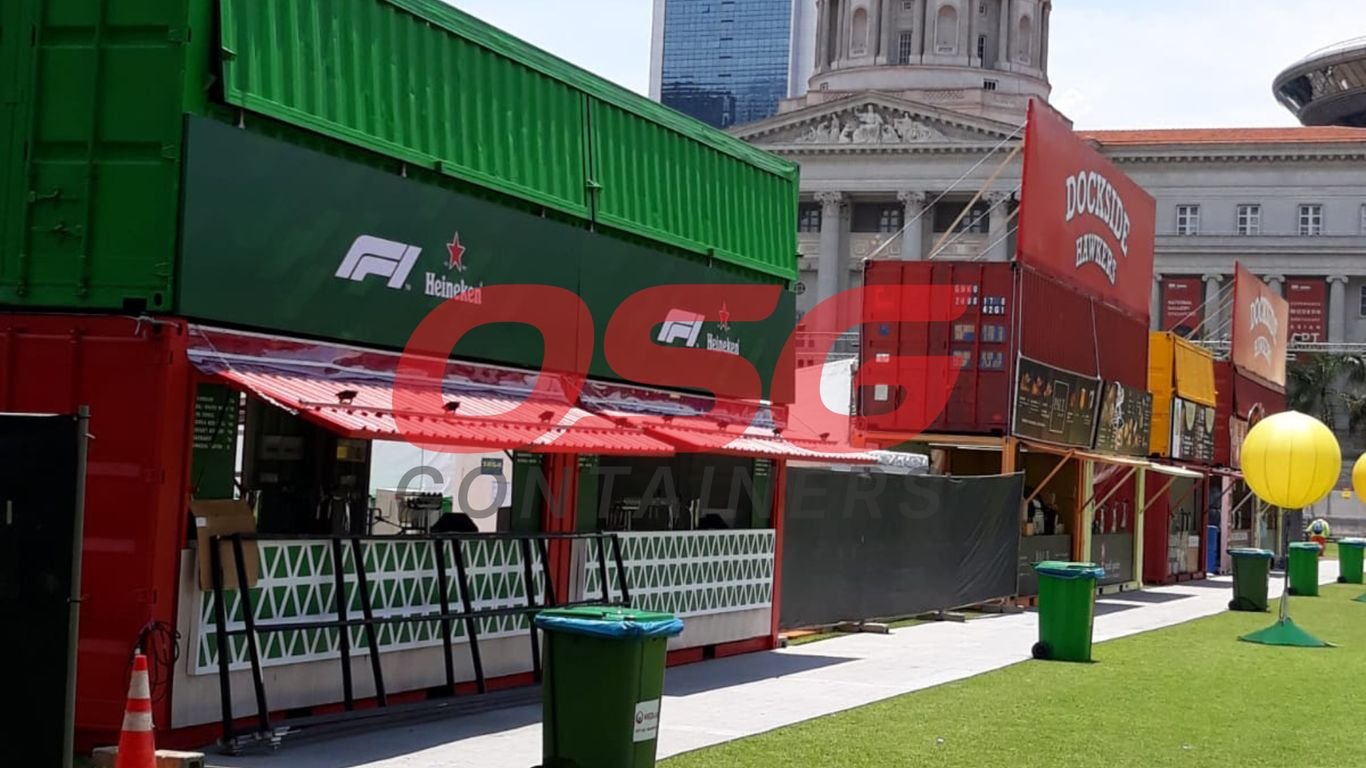
Thinking about starting a business or maybe testing out a new idea? You might have seen those cool shops made from shipping containers. They seem to be popping up everywhere, and for good reason. These container shops are a smart way for businesses to be flexible and keep costs down, all while looking good and giving customers a unique spot to shop. Let’s break down how these container shops balance branding, cost, and the freedom to move.
Key Takeaways
- A container shop offers a fast way to get your business up and running, much quicker than a traditional building. This means you can start selling sooner.
- These shops are built from shipping containers, which are often cheaper to buy or rent than a standard storefront, saving you money upfront.
- You can easily move your container shop to different locations. This is great for testing new areas or attending events without being tied down.
- The unique look of a container shop can really help your brand stand out and create a memorable experience for customers.
- Designing your container shop involves thinking about things like glass fronts, serving windows, and how the outside looks to attract people.
Embracing The Container Shop For Business Agility
Thinking about a new business venture or looking to shake things up with your current one? A container shop might be just the ticket for staying nimble. These aren’t your grandma’s sheds; we’re talking about sturdy, repurposed shipping containers that can be transformed into really cool retail spaces. They offer a way to get your business up and running way faster than building something from scratch.
Speed To Market With A Container Shop
Forget months of construction delays. With a container shop, you can go from idea to open for business in a matter of weeks. Companies that specialize in these conversions handle a lot of the heavy lifting, from design to fabrication. This means you can start selling your products or services much sooner, which is a huge plus when you’re eager to start making money.
Scalability For Growing Brands
What’s great about container shops is how easily they can grow with you. Start with one unit, see how it does, and if things are booming, you can add another. Or maybe you need a bigger space? You can link multiple containers together. This kind of flexibility means you’re not locked into a huge, permanent space that might be too much (or too little) down the line. It’s a smart way to manage growth without taking on too much risk.
Sustainability Through Repurposed Structures
Beyond the business benefits, there’s a nice environmental angle here too. Using old shipping containers means you’re giving them a second life instead of them sitting around unused. It cuts down on the need for new building materials, which is always a good thing for the planet. Plus, they’re built tough, so they last a long time and don’t need constant upkeep like some traditional structures might.
The real beauty of a container shop lies in its ability to adapt. It’s not just about being quick to market or saving a bit of cash; it’s about having a business structure that can move and change as your needs do. This agility is a game-changer in today’s fast-paced market.
Strategic Design For Your Container Shop
When you decide to sell a shipping container or use one for your business, the look and feel are super important. It’s not just about having a structure; it’s about making it work for you and drawing people in. Think about how you want customers to see and interact with your space. The right design makes all the difference in how well your container shop performs.
Maximizing Visibility With Glass Fronts
Large glass panels can really open up your container. They let in natural light, which makes the inside feel bigger and more welcoming. Plus, customers can see what you’re selling even before they step inside. It’s a great way to show off your products and create a connection with the street.
Creating Inviting Entrances With Roll-Up Doors
Roll-up doors are a smart choice for container shops. They can be lifted completely, turning a solid wall into an open doorway. This makes it easy for people to come and go, especially if you have a lot of foot traffic. It also gives your shop a more relaxed, accessible vibe.
Integrating Serving Windows For Quick Service
If you’re running a food or drink business, a serving window is a must. It lets you serve customers quickly without them needing to come all the way inside. This is perfect for busy spots where speed is key. You can set up a counter just inside the window, making the transaction smooth and efficient.
Enhancing Appeal With Exterior Branding
Don’t forget the outside! Your container is a blank canvas for your brand. Think about colors, logos, and any special finishes. You can use wraps, paint, or even simple signage to make your container stand out. A well-branded exterior tells people who you are and makes your shop memorable. It’s a key part of making your shipping container sell itself, visually speaking.
The Container Shop Transformation Process
Turning a simple sea container into a functional retail space is a journey, not just a quick fix. It involves several key stages to bring your vision to life.
Initial Consultation And Concept Development
This is where it all begins. You’ll discuss your business idea, target audience, and overall aesthetic with designers or fabricators. Think of it as sketching out the dream before you start building. What kind of vibe are you going for? What products will you sell? Who are you trying to attract? Answering these questions early on sets the direction for everything that follows.
In-House Design And Rendering
Once the concept is clear, the design team gets to work. They’ll take your ideas and translate them into detailed plans. You’ll likely see 3D renderings of what your container shop will look like, both inside and out. This is your chance to tweak layouts, choose finishes, and make sure everything fits your needs before any physical work starts. It’s all about visualizing the end product.
Expert Fabrication And Outfitting
This is the hands-on part. The actual modifications to the sea container happen here. This includes cutting openings for doors and windows, adding insulation, installing electrical and plumbing systems, and building out any interior fixtures like counters, shelving, or seating. The goal is to transform the raw container into a polished, ready-to-use shop.
Seamless Delivery And On-Site Setup
Once fabrication is complete, your container shop is ready for its new home. It will be transported to your chosen location. Depending on the complexity, the setup might be quick, involving just placing it and connecting utilities, or it could require a bit more work to get it fully operational. It’s the final step before you can open your doors.
The transformation process requires careful planning and execution. It’s not just about cutting metal; it’s about creating a space that reflects your brand and serves your customers effectively. Attention to detail at each stage is what makes the difference between a basic box and a thriving business hub.
Cost-Effectiveness Of A Container Shop
When you’re starting a business, every dollar counts, right? That’s where container shops really shine. They offer a way to get your brand out there without breaking the bank.
Lower Initial Investment Compared To Traditional Retail
Think about it: building a brick-and-mortar store from scratch costs a fortune. You’ve got construction, permits, long build times – it all adds up fast. A container shop, on the other hand, starts with a much smaller price tag. You’re essentially buying a pre-made structure that just needs to be outfitted for your specific needs. This means you can get your business up and running for a fraction of the cost of a traditional building. This lower barrier to entry is a game-changer for new entrepreneurs.
Reduced Rental Costs And Flexible Location Options
Traditional retail spaces, especially in busy areas, come with hefty rent. Container shops often bypass this entirely. You might pay a fee for the land you’re on, but it’s usually way less than a commercial lease. Plus, you’re not tied down to one spot. If a location isn’t working out, you can move your shop without losing a ton of money or time. This flexibility lets you test out different neighborhoods or even pop up at events.
Controllable Budgeting For New Ventures
Starting a business is always a bit of a gamble. With a container shop, you have a much clearer picture of your upfront costs. You know what you’re spending on the container, the modifications, and the setup. This makes budgeting much more predictable. You can allocate funds more effectively, perhaps putting more into your product or marketing instead of sinking it all into a physical space. It gives you more control over your finances, which is super important when you’re just getting off the ground.
Here’s a quick look at how costs can stack up:
| Cost Area | Traditional Store | Container Shop |
|---|---|---|
| Initial Structure | $$$$$ | $$ |
| Build-Out/Renovation | $$$$$ | $$$ |
| Monthly Rent/Lease | $$$$$ | $$ |
| Relocation Costs | $$$$$ | $ |
The ability to control your initial outlay and ongoing operational expenses is a major advantage. It allows for more agile financial planning and reduces the risk associated with launching a new business concept.
Flexibility And Mobility Of Container Shops
One of the biggest draws of using a shipping container for your business is how easy it is to move. Think about it: these things are built to travel the world on a general cargo ship, so relocating them is practically in their DNA. This means you aren’t tied down to one spot.
Relocating Your Container Shop With Ease
Moving a container shop is a game-changer compared to traditional brick-and-mortar. You don’t need to worry about long leases or complex build-outs that you can’t take with you. When it’s time for a change, you simply arrange for transport, and your shop is on its way to a new location. This makes it super simple to:
- Follow seasonal crowds.
- Participate in different events or festivals.
- Relocate if your current spot isn’t working out.
Adapting To Various Scenarios and Locations
Container shops are incredibly adaptable. Need to set up a coffee stand at a busy park for the summer? Done. Want to open a small boutique in a trendy neighborhood for a few months? Easy. They can be fitted out for almost anything, from selling ice cream to showcasing art. Their compact size and robust construction mean they can fit into a variety of spaces, from urban plazas to outdoor markets.
Testing New Markets With Minimal Risk
Thinking about expanding but not sure if a new area will be a hit? A container shop is your perfect test run. You can set up shop in a new town or a different part of the city for a limited time. This lets you see how customers respond and if your products sell well without the huge financial commitment of a permanent store. It’s a smart way to gather data and make informed decisions about future growth.
The ability to pick up and move your entire business operation is a significant advantage. It allows for a dynamic approach to retail, responding quickly to opportunities and changing consumer habits without the usual constraints of fixed locations. This mobility is key for businesses looking to stay agile in a fast-paced market.
Unique Customer Experiences With Container Shops
Think about it: walking up to a store that’s literally a repurposed shipping container. It’s not your average shopping trip, right? That’s exactly the point. These structures offer a chance to create something totally different, something memorable for your customers. They grab attention just by being what they are – a cool, industrial-looking box that’s been transformed.
Creating A Novel Shopping Environment
Forget sterile malls. A container shop can feel like discovering a hidden gem. You can play with the industrial vibe, maybe add some warm wood accents, or go full modern with sleek finishes. It’s about making people stop and say, "Wow, what is this place?" This curiosity is the first step to drawing them in. The limited space can actually encourage a more focused and personal interaction with your products or services. It feels more intimate, less overwhelming than a big store.
Leveraging Industrial Aesthetics For Brand Appeal
That raw, industrial look of a container isn’t something you have to hide. Many brands actually lean into it. It can communicate a sense of authenticity, grit, or even a commitment to sustainability by using repurposed materials. Imagine a coffee shop with exposed metal and reclaimed wood – it just feels right, doesn’t it? It tells a story before anyone even orders a latte. This aesthetic can make your brand feel more down-to-earth and relatable.
Transforming Spaces Into Trendy Cafes And Stalls
This is where container shops really shine. They’re perfect for food and drink businesses. You can outfit them with everything needed to serve customers quickly and efficiently. Think about a small, bustling taco stand or a chic little juice bar. The container provides a compact, functional footprint that’s easy to manage. Plus, the novelty factor means people are often eager to try something new. It’s a great way to test out a food concept without the huge commitment of a full restaurant.
Here’s a quick look at how different businesses use them:
- Boutiques: Displaying unique clothing or artisan goods.
- Cafes: Serving coffee and pastries with a distinct industrial-chic feel.
- Food Stalls: Offering quick bites at events or busy street corners.
- Art Galleries: Showcasing local artists in a unique setting.
The key is to embrace the container’s inherent character. Instead of fighting its origins, work with them. This approach often leads to the most authentic and appealing designs that customers connect with.
Key Considerations For Your Container Shop
So, you’re thinking about jumping into the container shop world. That’s awesome! But before you get too carried away with cool designs and prime locations, there are a few practical things you really need to nail down. It’s not just about slapping a logo on a metal box, you know?
Choosing The Right Container Type And Size
First off, not all containers are created equal. You’ve got different types and sizes, and picking the wrong one can really mess with your plans. Think about what you’re selling and how much space you’ll need. A tiny boutique won’t need the same footprint as a bustling coffee stand.
- Standard Dry Van: These are your workhorses, good for most general retail. They come in 20-foot and 40-foot lengths.
- High Cube: If you need a bit more headroom, these are the way to go. They’re the same length and width but taller.
- Refrigerated (Reefer): Essential if you’re selling anything that needs to stay cold, like food or drinks.
- Open Side/Front: These offer easier access and more of an open-air feel, which can be great for certain types of businesses.
The size you choose will directly impact your layout and how much inventory you can stock.
Space Planning For Optimal Layout
Once you’ve got your container, it’s time to figure out how everything fits inside. This is where good planning really pays off. You want customers to be able to move around without feeling cramped, and you need a functional workspace for yourself or your staff.
- Customer Flow: Map out how people will enter, browse, and exit. Avoid bottlenecks, especially if you expect busy periods.
- Service Area: Designate a clear spot for transactions, whether it’s a counter, a POS system, or a small prep area.
- Storage: Figure out where you’ll keep extra stock, supplies, or personal items. Smart storage solutions are a lifesaver in small spaces.
- Staff Space: If you have employees, make sure they have a comfortable place to work, even if it’s just a small corner.
Don’t underestimate how much space everyday items take up. Think about shelving, display units, and even just room to stand comfortably. It’s easy to get excited about the concept and forget the practicalities of daily operation.
Prioritizing Structural Safety And Utilities
This is super important and often overlooked. You’re dealing with a metal box that needs to be safe, secure, and functional. Cutting corners here can lead to big problems down the road.
- Structural Integrity: Make sure any modifications, like cutting out windows or doors, don’t compromise the container’s strength. A professional fabricator can help with this.
- Electrical: You’ll need power for lights, equipment, and maybe even heating or cooling. Plan your wiring carefully and hire a qualified electrician.
- Plumbing: If your business requires water (like a coffee shop or a small food stall), you’ll need to integrate plumbing. This can be complex and requires proper venting and drainage.
- Insulation and Ventilation: Containers can get extremely hot or cold. Proper insulation and ventilation are key to maintaining a comfortable environment for both customers and products, and also to prevent condensation issues.
The Takeaway: Small Space, Big Impact
So, when you look at it all, container shops really do offer a neat way for businesses to get out there. They’re not just a cheaper option than a full-blown store, though that’s a big plus. It’s more about being able to move around, try out new spots, and really make your brand pop with a unique look. Whether you’re a coffee shop wanting to hit up festivals or a clothing brand testing a new neighborhood, these little boxes give you a lot of freedom. They let you be creative, keep costs down, and adapt as your business grows. It’s a smart move for anyone looking to make a mark without breaking the bank.
Frequently Asked Questions
What is a container shop?
A container shop is basically a store that’s made from a big metal box, like the ones you see on ships! These boxes are changed and fixed up to become a place where you can sell things, serve food, or show off your products. They’re a cool and modern way to start a business.
Are container shops cheaper than regular stores?
Yes, usually! Building or renting a regular store can cost a lot of money upfront. Container shops often cost less to start because you’re using a pre-made structure. This means you can save money for other important parts of your business, like making great products.
Can I move my container shop if I want to try a new spot?
Absolutely! That’s one of the best things about them. Container shops are like mobile stores. If you want to try selling in a different town or at a special event, you can move your whole shop there. It makes it easy to find the best places for your business.
How long does it take to get a container shop ready?
Much faster than a regular store! You can often get a container shop set up and ready to open in just a few weeks. This means you can start selling and making money much sooner, which is great for new businesses.
Can a container shop look good and attract customers?
Definitely! People can design them to look really stylish and unique. You can add big windows, cool paint, signs, and lights. The industrial look of the container itself can be very popular, and it makes your shop stand out from others.
What are the main things to think about before getting a container shop?
You should think about how big of a container you need and what it will look like inside and out. Also, make sure you have the right hookups for things like electricity and water. It’s important to plan how you’ll use the space so it works well for your business and customers.