Singapore
 Australia
 Indonesia
 Japan
Japan Malaysia
 New Zealand
 Philippines
 South Korea
 Taiwan
 Thailand
 VIETNAM
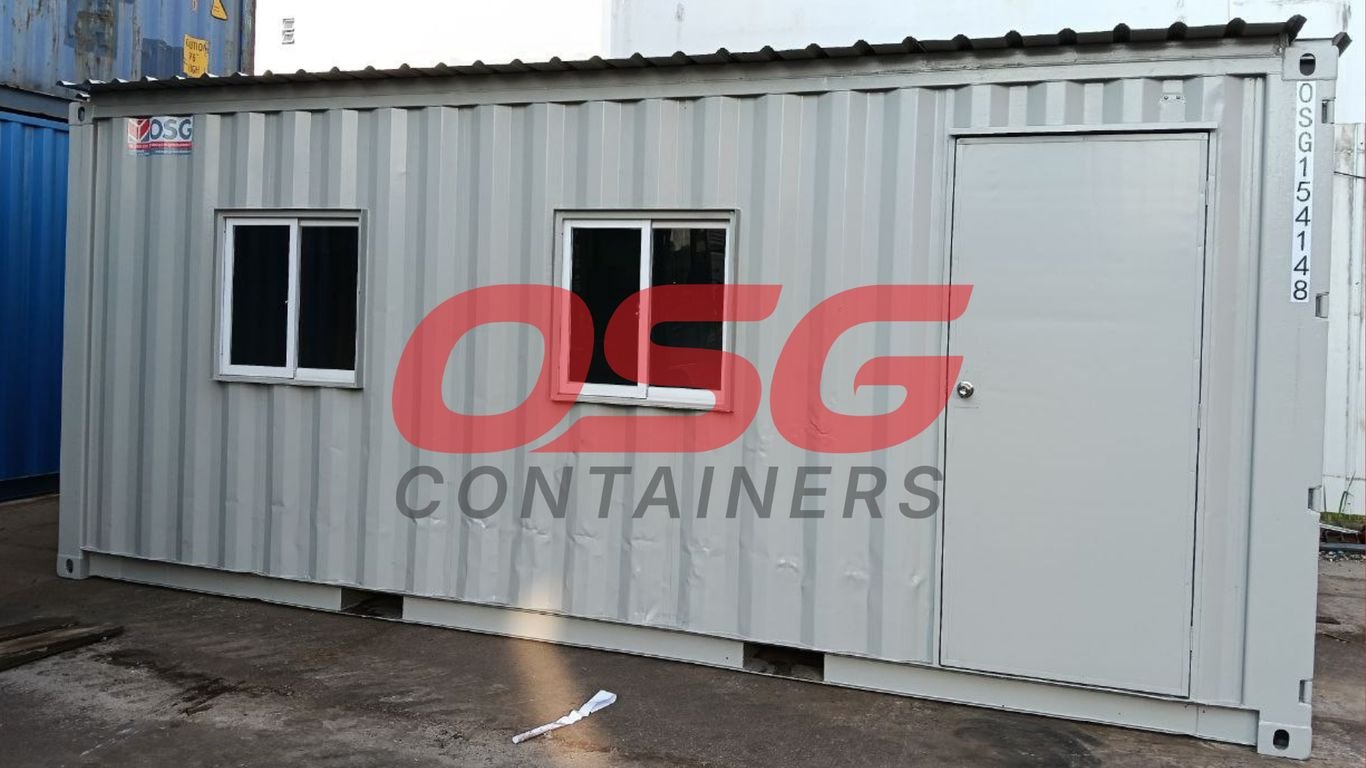
Thinking about setting up a workspace from a shipping container? It’s a pretty cool idea, right? They’re sturdy, can be put almost anywhere, and definitely have a unique look. But just because it’s a container doesn’t mean it has to feel like one. We’re going to look at how to make a shipping container office that’s not just functional, but actually a place people want to be. We’ll cover everything from making the most of the space you have to adding those little touches that make it feel like a real office, not just a metal box.
Key Takeaways
- Make the most of your limited space with smart layouts and vertical storage.
- Bring in natural light and control it to create a pleasant working environment.
- Prioritize comfort with good furniture and climate control.
- Set up reliable technology for smooth daily operations.
- Personalize the space to make it feel welcoming and productive.
Maximizing Your Shipping Container Office Space
When you’re looking at office shipping containers, the first thing that comes to mind is probably how to make the most of the space. These units, whether you’re thinking about a container office sale or an office container rental in Singapore, are compact by nature. So, smart design is key.
Strategic Layout Planning
Before you even think about furniture, map out how you want to use the space. A well-planned layout can make a 20-foot container feel much larger. Think about workflow and how people will move around. For a single person, a simple desk setup might be enough. But for a small team, you’ll need to consider shared workspaces and pathways.
- Define zones: Even in a small space, designating areas for work, breaks, or storage makes it feel more organized.
- Consider flow: How will people enter, exit, and move between workstations?
- Prioritize needs: What activities will happen most often in the office? Design around those.
A common mistake is to cram too much in. It’s better to have a slightly less equipped but more comfortable space than a cluttered one.
Vertical Storage Solutions
Since the floor space in shipping container offices is limited, looking up is your best bet. Think vertically! This means using wall space effectively to keep your main work areas clear.
- Wall shelves: Install sturdy shelves for books, files, and supplies.
- Hanging organizers: Use wall-mounted pockets or racks for smaller items.
- Tall cabinets or bookcases: These draw the eye upward and offer significant storage without taking up much floor area.
Utilizing vertical space is one of the most effective ways to keep your container office tidy and functional.
Open Floor Plans and Modular Furniture
To make your shipping container office feel less confined, an open floor plan is a good idea. This means avoiding unnecessary walls or dividers within the container. Combine this with modular furniture, and you’ve got a flexible workspace.
- Modular desks: Pieces that can be reconfigured or expanded as needed.
- Fold-away furniture: Tables or desks that can be stowed away when not in use.
- Multi-functional pieces: Ottomans that double as storage, for example.
This approach allows you to adapt the space for different tasks or team sizes, making your container office a truly adaptable workspace.
Creating A Welcoming Atmosphere
Nobody wants to work in a place that feels like a drab metal box. Making your shipping container office a pleasant spot is all about bringing in light, fresh air, and a bit of warmth. It’s not just about looking good; it’s about feeling good so you can actually get stuff done.
Embracing Natural Light
Sunlight is a game-changer for any workspace, and it’s especially important in a smaller space like a container. Strategically placed windows can completely transform the feel of the room, making it seem much larger and more open. Think about putting windows on opposite sides of the container if possible. This allows light to stream in from different angles throughout the day, reducing the need for artificial lighting and giving you that mood boost that only sunshine can provide. Even adding a skylight or using glass doors can let in a surprising amount of natural light. It’s amazing how much better you feel when you’re not working in a cave.
Controlling Light and Glare
While natural light is great, too much of a good thing can be a problem. Direct sun can create harsh glare on your computer screens, making it tough to see and causing eye strain. You’ll want to have some way to manage the light. Simple solutions like sheer curtains or adjustable blinds work wonders. They let you diffuse the sunlight, keeping the space bright without the annoying glare. This way, you get the benefits of natural light without the downsides. It’s all about finding that sweet spot where the light is comfortable and productive.
Boosting Mood and Productivity
Beyond just light, think about the air you’re breathing. A stuffy container isn’t going to inspire anyone. Good ventilation is key. This could mean installing vents, small fans, or even a compact HVAC system if your budget allows. Proper airflow keeps the air fresh and prevents that stale, closed-in feeling. Combine good ventilation with natural light, and you’ve got a recipe for a happier, more productive workday. It’s the little things that make a big difference in how you feel and how much you can accomplish.
Making a shipping container office feel good isn’t complicated. It’s about thoughtful choices that bring the outside in and keep the air moving. Think light, think air, and you’re halfway there to a space you’ll actually enjoy spending time in.
Ensuring Comfort In Your Container Office
Okay, so we’ve talked about making the space look good and work well, but what about actually feeling good while you’re in there? Let’s be real, a metal box can get pretty uncomfortable if you don’t put some thought into it. Nobody wants to work in a place that feels like a sauna in the summer or an icebox in the winter. Making your container office a pleasant spot is key to actually enjoying your workday.
Ergonomic Furniture Choices
This is a big one. You’re going to be spending a lot of time in your chair, so picking something decent is non-negotiable. Think about chairs that actually support your back and can be adjusted. The same goes for your desk. If you can swing it, a desk that lets you change heights is fantastic. It means you can switch between sitting and standing, which is way better for your body than being stuck in one position all day. Your muscles will thank you.
Here are a few things to look for:
- Adjustable Lumbar Support: Helps keep your spine happy.
- Seat Depth Adjustment: Makes sure your legs aren’t too cramped or too far from the edge.
- Armrest Options: Find ones that let your shoulders relax.
- Height-Adjustable Desks: Great for changing up your posture throughout the day.
Effective Task Lighting
Staring at a screen all day can be tough on your eyes, especially if the lighting in your container office isn’t quite right. You don’t want harsh overhead lights that create glare, and you definitely don’t want it to be too dim. Task lighting is your friend here. This means having a good desk lamp that you can point exactly where you need it. It helps cut down on eye strain and makes it easier to focus on your work. Plus, good lighting just makes the whole space feel more inviting.
Climate Control and Insulation
This is probably the most important part of making a container office livable. These things are basically metal boxes, and they don’t do a great job of keeping the weather out on their own. You absolutely need to insulate it properly. Think about adding insulation to the walls, ceiling, and floor. Beyond that, you’ll want to think about how you’ll heat and cool the space. A small, efficient heater for the winter and a fan or a small air conditioning unit for the summer can make a world of difference. Getting this right means you can use your office comfortably year-round, no matter what’s happening outside.
Don’t underestimate the power of a comfortable temperature. It directly impacts your focus and overall mood. A space that’s too hot or too cold is a constant distraction, making it hard to get anything done. Investing in good insulation and a reliable heating/cooling system is one of the smartest moves you can make for your container office.
Consider these points for climate control:
- Insulation Type: Spray foam, rigid panels, or fiberglass batts all have different pros and cons for R-value and installation.
- Ventilation: Proper airflow is key to preventing stuffiness and moisture buildup.
- Heating/Cooling Source: Options range from small electric heaters and portable AC units to more integrated mini-split systems.
- Thermostat Control: Having a thermostat lets you set and forget the temperature, maintaining a consistent environment.
Integrating Technology Seamlessly
Let’s be real, a modern office just won’t cut it without good tech. When you’re working out of a shipping container, making sure your digital life runs smoothly is super important. You don’t want to be stuck with slow internet or not enough places to plug things in, right? It can really mess with your workflow.
Robust Wi-Fi and Power Outlets
First things first: internet. You need a connection that won’t quit on you mid-call or during a big download. Think about getting a solid Wi-Fi router installed, maybe even one designed for a bit more range. And outlets? You can never have too many. Plan out where you’ll need power – for your laptop, monitor, phone charger, maybe a coffee maker. It’s way easier to add extra outlets during the build than to try and snake cords around later. Seriously, over-plan your power needs; you’ll thank yourself later.
Convenient Charging Solutions
Beyond just standard outlets, think about how you charge your everyday gadgets. Built-in USB ports in the walls or near your desk can be a lifesaver, cutting down on the need for bulky power bricks. Wireless charging pads integrated into desks or countertops are also a neat trick. It makes topping up your phone or earbuds effortless. Cable management is also your friend here – little clips, conduits, or even a dedicated box can keep all those wires from becoming a tangled mess.
Visual Aids and Video Conferencing
If your container office is going to be a place for meetings, even small ones, you’ll want to think about visual tech. A small wall-mounted monitor or even a projector can be great for presentations or sharing ideas. For video calls, which are pretty standard these days, make sure you have good lighting. Adjustable LED lights are a good bet, so you can brighten up your face without making the whole room blinding. A decent webcam setup is also worth considering if you’re not relying on your laptop’s built-in one.
Personalizing Your Workspace
Adding Artwork and Inspirational Touches
Making your shipping container office feel like yours is a big part of actually wanting to spend time there. It’s not just about having a place to get work done; it’s about creating an environment that sparks creativity and makes you feel good. Think about putting up some art that you really like, maybe some prints or even a cool mural if you’re feeling bold. Quotes that motivate you can also be a great addition. It doesn’t have to be fancy, just something that makes you smile or think when you see it. Little touches like these can really change the whole vibe of the space.
Establishing a Cohesive Color Theme
Color plays a huge role in how a space feels. For a shipping container, which can sometimes feel a bit small, picking a color scheme is smart. Lighter colors tend to make spaces feel bigger and more open, which is usually a good thing in a container office. You could go with a calm, neutral palette for a focused work environment, or maybe something a bit brighter if you want more energy. Whatever you choose, try to stick with it for the walls, furniture, and even smaller decor items. This consistency makes the whole place look put-together and intentional.
Functional and Stylish Desk Accessories
Don’t forget the stuff you use every day! Your desk accessories can be both useful and add to the overall look. Instead of just grabbing whatever’s lying around, think about accessories that match your color theme or personal style. A nice pen holder, a cool clock, or even a unique mug for your coffee can make a difference. Cable management is also key here; nobody likes a messy tangle of wires. Finding stylish ways to keep cords tidy will make your workspace look much cleaner and more professional. It’s all about those small details that add up to a more enjoyable place to work.
The Industrial Chic Aesthetic
Shipping containers, by their very nature, have a raw, industrial look. Instead of fighting it, embrace it! This aesthetic is super popular right now, especially for creative businesses and tech startups. Think exposed metal, clean lines, and a generally modern vibe. It tells clients and employees that your company is innovative and forward-thinking. Plus, let’s be honest, these spaces look pretty cool in photos, which is great for your website or social media.
Showcasing a Modern Appeal
This look is all about celebrating the container’s origins while making it feel polished and professional. We’re talking about sleek finishes, maybe some large windows that let in tons of light, and keeping the structure’s inherent character visible. It’s a look that says "we’re modern, we’re efficient, and we’re not afraid to be a little different."
Customization for Brand Identity
Don’t think "industrial chic" means boring or uniform. You can totally make it your own. Painting the exterior a specific brand color, adding custom signage, or even incorporating unique architectural elements like a rooftop deck can really make it stand out. It’s a chance to show off what makes your business unique.
Creating a Forward-Thinking Environment
When your office space looks this cool and modern, it can actually boost morale and productivity. It feels less like a stuffy old office and more like a dynamic place to get things done. It signals that your company is progressive and values a good working environment. It’s a space that people will actually enjoy coming to.
Here’s a quick look at how different businesses use container offices:
| Business Type | Why They Choose Container Offices |
|---|---|
| Creative Agencies | Modern aesthetic, brand-forward |
| Construction Firms | Onsite, quick setup |
| Tech Startups | Low cost, customizable |
| Event Companies | Portable, fast setup |
| Remote Workers (Home Office) | Private, separate workspace |
The key is to balance the raw, industrial feel with comfort and functionality. It’s about creating a space that’s both stylish and a great place to work.
Essential Considerations Before Building
Alright, so you’re thinking about turning a shipping container into an office. That’s pretty cool! But before you get too far ahead of yourself with paint colors and desk arrangements, there are some pretty important things to sort out first. It’s like prepping for a big trip – you wouldn’t just hop on a plane without checking your passport or packing the right clothes, right? Same idea here.
Navigating Planning and Permits
This is probably the least fun part, but it’s super important. You absolutely have to check with your local city or county about building codes and zoning rules. Some places are totally fine with container builds, while others have a lot of restrictions. You’ll likely need to submit detailed plans showing exactly how you plan to modify the container. Getting these permits sorted early can save you a massive headache, like work stoppages or fines down the road. It can take a while, so start this process as soon as you can. Keep copies of everything you get approved.
Choosing the Right Container Size and Type
Think about how many people will be working in the space and what kind of stuff you’ll need in there. The most common sizes are 20-foot and 40-foot containers. They also come in standard height and a ‘high cube’ version, which gives you a bit more headroom. A 40-footer gives you more room, but it’ll cost more to heat and cool. Sometimes, putting two 20-footers side-by-side can make a really functional layout.
Here’s a quick look at container types:
| Type | Condition | Pros |
|---|---|---|
| One-Trip | Like new, minimal wear | Best structural integrity, fewer repairs needed, looks professional. |
| Used (WWT) | Wind & Water Tight, some cosmetic wear | Cheaper upfront, good for workshops or budget projects. |
Connecting Utilities and Foundations
This is where you figure out the practical stuff. You’ll need to think about how you’re going to get electricity and internet to your container office. If you plan on having a small kitchen or a bathroom, you’ll need to consider plumbing too. This might mean connecting to city water and sewer lines, or using self-contained tanks. Also, don’t forget about the foundation. The container needs to sit on a stable base, whether that’s concrete piers, a slab, or something else, to keep it level and secure.
You’ll want to plan for more power outlets and data ports than you think you’ll need. It’s way easier to add them during the initial build than to try and run new wires later. Also, consider if you might want plumbing down the line, even if you don’t need it now. You could always just cap off an access point if you don’t use it.
Wrapping It Up
So, there you have it. Turning a plain shipping container into a workspace people actually want to be in isn’t rocket science, but it does take some thought. It’s all about making smart choices with the layout, letting in plenty of natural light, and adding those little touches that make it feel comfortable and personal. Whether it’s for your own home office or a small business, a well-designed container space can be both practical and pretty cool. Don’t just settle for a metal box; create a place where you and your team can actually get things done and maybe even enjoy doing it.
Frequently Asked Questions
What are the main benefits of using a shipping container for an office?
Shipping container offices are a great choice because they’re usually cheaper than building a traditional office. They’re also really strong, can be moved around, and are good for the environment since they reuse old containers. Plus, you can change them up to look exactly how you want!
Do I need special permission to set up a shipping container office?
It really depends on where you live. Some places treat them as temporary structures and don’t need much paperwork, especially for short-term use like on a construction site. But if you want a permanent office, you’ll likely need to check local rules and get permits, just like with any building.
How can I make a small shipping container office feel bigger?
To make the space feel more open, try using light colors on the walls. Adding lots of windows lets in natural light, which makes a big difference. Also, think about using furniture that can be folded or has built-in storage, and use shelves that go up the walls to keep things off the floor.
What’s the best way to keep a container office comfortable all year round?
Since containers aren’t great at keeping out the heat or cold, good insulation is key. You’ll also want to make sure there’s good airflow with ventilation. Depending on your climate, you might need a small heater or air conditioner to stay comfy.
How can I make sure my shipping container office has good internet and power?
When setting up your office, make sure to plan for enough electrical outlets for all your devices. You’ll want a strong Wi-Fi setup. Consider adding things like USB ports or wireless charging pads to make charging easier and keep cords tidy.
Can I really make a shipping container office look stylish and modern?
Absolutely! Many people love the ‘industrial chic’ look of shipping containers. You can paint them, add big windows, and use modern finishes inside. It’s a fantastic way to show off your company’s creative and forward-thinking style.