Singapore
 Australia
 Indonesia
 Japan
Japan Malaysia
 New Zealand
 Philippines
 South Korea
 Taiwan
 Thailand
 VIETNAM
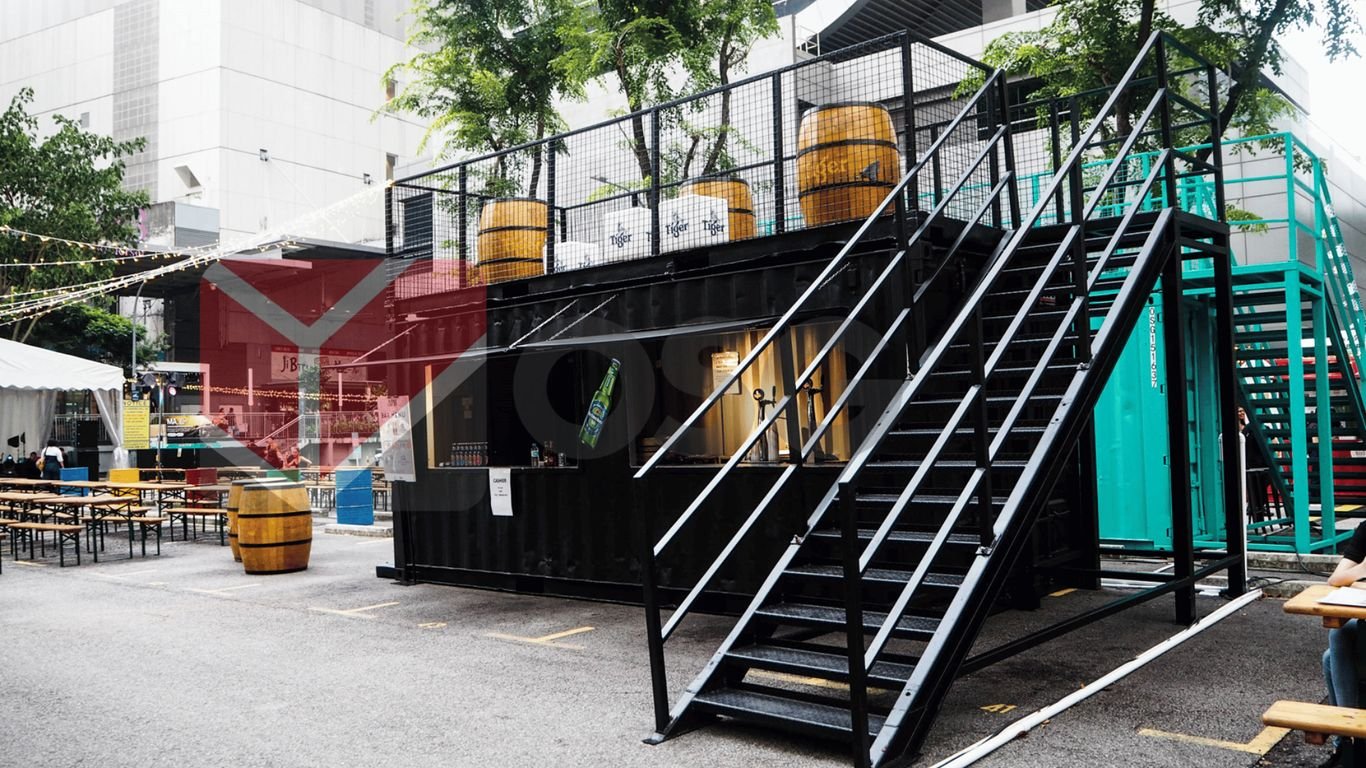
Customised containers are everywhere these days, and honestly, it’s not hard to see why. Whether you’re running a construction site, setting up a pop-up shop, or just looking for a quick way to add living space, these containers can be made to fit almost any need. The cool part is, you don’t have to settle for a one-size-fits-all box. With the right planning, you can get a container that’s built just for your project, your team, or even your customers. Let’s take a look at how customised containers are changing the game for all sorts of modern projects.
Key Takeaways
- Customised containers can be designed for nearly any industry, from construction to retail to healthcare.
- They hold up well in tough environments, like extreme heat or areas where safety is a big concern.
- You can turn a container into just about anything—an office, a workshop, a living space, or even a pop-up restaurant.
- Custom containers help save time and reduce the hassle of building something from scratch on-site.
- The process usually starts with figuring out exactly what you need, then building and setting up the container to match.
Purpose-Built Customised Containers for Every Industry
Customised containers aren’t just for storing tools or shipping goods anymore. Today, almost every business—no matter the industry—can find a container supplier ready to modify a sea container to handle specific needs, rough weather, or tricky locations. Here’s a breakdown on why these solutions are catching on.
Adaptation to Harsh Environments and Site Conditions
A custom container can be made rugged enough to face rain, salt, dust, and wild temperature swings without missing a beat. That’s a game-changer for companies with remote projects or operations where a normal office or warehouse just can’t survive.
- Anti-corrosion coatings for coastal or chemical-rich areas
- Reinforced doors and locking systems for security
- Advanced insulation and climate control for extreme heat or cold
- Sealed units to keep out pests and moisture
Custom containers give teams peace of mind on challenging sites, bringing comfort and reliability right where it’s needed.
Industry-Specific Functional Features
Not all businesses want the same thing from a container. Maybe you need fire suppression systems in a mining area, or soundproofing and filtered air for a lab. Smart industry solutions with modular containers enable brands to select built-in features like:
- Explosion-proof fixtures for hazardous environments
- Extra ventilation for manufacturing
- Mobile racking and shelving for inventory management
Here’s an example of how different industries use custom containers:
| Industry | Key Features | Common Modifications |
|---|---|---|
| Construction | Onsite safety & easy access | Tool storage, briefing rooms |
| Energy | Weather-proofing, secure enclosures | Generator, battery modules |
| Food Services | Hygiene compliance, compact kitchens | Stainless steel interiors |
Scalability for Project Demands
As projects grow or shift locations, containers are easy to expand or move. Here’s how custom containers keep up:
- Modular add-ons for extra workspace or storage
- Quick disconnects for utilities (power, water)
- Standardized footprints for easy stacking or transport
If businesses want to react quickly, a good container supplier offers support for scaling up or moving their setup. Many companies use portable containers for flexible expansion, like setting up a new retail space or extra office in a flash—see some of the innovative containers for businesses in use.
In reality, the best custom sea container is the one that fits your operation, survives the hard stuff, and moves when you need it to. These days, if you can imagine a use for a container, there’s already a supplier building it for your industry.
Workspace Innovations With Customised Containers
Container workspaces are catching on fast, bringing a different kind of flexibility to offices, workshops, and control rooms. Companies are now rethinking traditional buildings, and customized containers offer a unique answer—especially for growing teams or remote work sites.
Office Modules and Command Centers
Modern office modules can be built from both new and used containers, turning portable spaces into practical offices or command posts. They come with climate control, power outlets, and sturdy insulation, so work can continue no matter the weather. Here are some reasons people choose these over conventional offices:
- Quick setup means less downtime
- Easily relocated as project needs change
- Sustainable by reusing second hand office containers for sale
| Feature | Traditional Office | Customized Container |
|---|---|---|
| Setup Time | 3-6 Months | 1-4 Weeks |
| Eco-Friendly | Sometimes | Often (Reused) |
| Portability | No | Yes |
Office containers create flexibility for project managers—they can move the workspace as job sites change and still keep teams connected and comfortable.
For more insights on how these spaces adapt to modern business, check out these flexible, customizable office containers.
Workshop and Maintenance Setups
Workshops inside containers are a game changer. Whether it’s for repairs, tool storage, or assembling equipment, these spaces can be totally customized. Add racks, heavy-duty shelves, or special ventilation—a converted container workshop can handle a lot.
- Secure, weather-resistant structures
- Interior fit-outs: benches, storage, tool hooks
- Add-ons: exhaust fans, lighting, and reinforced flooring
The best part? Used containers keep costs down, and it’s easy to find second hand office containers for sale. They’re a solid choice for business owners looking to expand operations without building from scratch.
Control Rooms and Monitoring Facilities
Not every site needs a fancy building for monitoring, but it does need a safe space for people and electronic gear. Containers do that well.
- Reliable insulation and climate control for sensitive equipment
- Ready to house servers, monitors, and communications gear
- Can be stacked or grouped for bigger control centers
For field operations or temporary projects, quick to set up control rooms from containers mean less waiting and more doing. Many companies now trust containers for their sturdy build and quick adjustment for special tech needs. Want a practical take on the setup? Look at this example of turning a 20-foot container into a mobile workspace.
Thinking about workspace innovation with containers isn’t just about saving money—it’s also about speed and adaptability. Companies using these spaces find their teams up and running sooner, with less waste and more options for scaling projects. If portable, durable workspaces matter to you, containers are definitely worth a look.
Transforming Residential and Living Spaces With Customised Containers
Modern living has found a new face—customized shipping containers that can be reshaped into all sorts of personal spaces, both for private and commercial use. These containers aren’t just temporary shelters anymore. Today, people are actually choosing them for their homes, accessory dwelling units (ADUs), and essential living amenities.
High-Quality Accommodation Units
Customized container units are breaking the mold for what temporary and mobile accommodation looks like. With finished interiors that feel just like a regular home or apartment, many would be surprised by the comfort inside. Key features that set these units apart include:
- High-grade insulation and energy-saving windows
- Plug-and-play electrical, plumbing, and HVAC systems
- Optional extras like kitchens, bathrooms, or built-in furniture
| Feature | Standard Unit | Premium Unit |
|---|---|---|
| Insulation Quality | R-13 | R-20 |
| Bathroom Included | No | Yes |
| Built-in Kitchen | No | Yes |
| Exterior Finish | Painted | Cladding |
Surprisingly, converted container housing now shows up on job sites, rural land, or even as guesthouses, thanks to how easy they are to move and install compared to traditional builds.
Modern Container Homes and ADUs
Container homes and accessory dwelling units provide a fast track to comfortable, flexible living.
- Designs range from tiny studios to multi-container family layouts.
- Sustainable materials and solar panels help reduce the utility bills.
- Units can stack or stand alone, fitting everything from urban lots to remote retreats.
People who want more space tend to pick interconnected containers—this way, a small footprint grows into something much bigger without a drawn-out construction timeline. And with so many fit-out options, these homes feel less like boxes and more like real houses. For those looking for modern office setups, many of the same design choices work well, as discussed in modern office spaces.
Onsite Sanitary and Food Service Solutions
Living or working in remote or industrial settings comes with certain challenges, especially regarding hygiene and food prep. Containerized sanitary and food service units meet these needs:
- Restrooms with proper plumbing, ventilation, and easy-clean surfaces
- Showers and dressing areas for work crews or outdoor enthusiasts
- Commercial-grade kitchens, cafeterias, or snack bars
If you think about it, a whole camp—housing, cooking, washing, and even recreation—can now fit onto a shipping yard. That flexibility changes what’s possible for projects far from traditional infrastructure.
Customized containers have blurred the lines between what’s “temporary” and what’s truly liveable. More people are exploring these options today, drawn by cost, speed, and the unique look and feel they offer.
Safe and Efficient Equipment Enclosures
Modern projects depend on high-powered equipment, and honestly, trying to keep it all safe and running well in unpredictable places is no easy job. Purpose-built container enclosures are quickly becoming the go-to solution for anyone who needs to protect valuable gear, keep sites safe, and maintain smooth workflows—even when the surroundings are anything but cooperative.
Explosion-Proof and Hazardous Material Storage
Some worksites bring real risks, especially with flammable gases or chemicals around. Containers designed for hazardous materials focus on three things:
- Heavy-duty, sealed steel exteriors to prevent leaks or outside airflow
- Built-in ventilation and gas detection systems
- Explosion-proof lighting and electrical setups
These custom builds let project teams store fuel drums or volatile chemicals on-site with fewer worries. If you want more info on safety in industrial environments, check out how durable custom containers offer practical, adaptable protection and extra peace of mind.
Safety isn’t just about checking a box—having the right container means people and equipment can get home in one piece, even if the job is tough or unpredictable.
Climate-Controlled Enclosures for Electronics
Weather’s a wildcard for sensitive electronics—think servers, control panels, or specialized testing gear. That’s where containers with built-in climate controls step in. Typical upgrades include:
- Insulated walls and roofs
- Air conditioning and heating units with redundant backup
- Moisture barriers and precise humidity control
Sample Features and Their Benefits:
| Feature | Benefit |
|---|---|
| Climate control (HVAC) | Keeps electronics stable |
| Insulated panels | Blocks extreme heat/cold |
| Dehumidifiers | Prevents moisture damage |
These setups help avoid the headaches that come with damaged electronics or lost data, especially in remote or rugged sites.
Durable Structures for Sensitive Assets
Not every piece of equipment is dangerous or delicate, but plenty of tools still need shelter from theft or bad weather. Containers can be upgraded for extra protection:
- Reinforced locks and tamper-proof entry points
- Steel mesh barriers and CCTV compatibility
- Modular racking and shelving for organization
If you want to protect valuable goods from harsh weather or unauthorized access, building in extra weatherproofing and security features really makes a difference.
Choosing the right enclosure is often the thing that keeps projects running on time—and keeps budgets from ballooning with unplanned repairs or replacements.
Mobile Healthcare and Laboratory Solutions
Customised container units have totally changed the way healthcare and research work can be done on the go. These flexible spaces pop up quickly and easily, bringing essential medical and laboratory services to locations that might not normally have them. Their rapid setup and sturdy construction make them a go-to for fast responses and temporary or remote medical needs.
Containerized Medical Clinics
Mobile clinics built from containers bring real medical services right into tough environments or places with little infrastructure. You’ll find these units used for things like:
- Emergency response during outbreaks or disasters
- Routine medical check-ups in remote villages
- Mobile vaccination and screening centers
A good example of this approach was how repurposed shipping containers were deployed during the COVID-19 pandemic to create instant isolation wards and clinics in countries all across the world.
When permanent infrastructure doesn’t exist, container clinics offer a solid, practical way to deliver medical help right where it’s needed—no need to wait for complex construction or utility hookups.
Onsite Research Laboratories
Need to run experiments or gather samples at a project site? Container labs can be built to include:
- Specialized workstations
- Chemical-resistant surfaces
- Secure storage for reagents and samples
- Separate areas for clean and dirty processes
These labs cut down on transport time and allow researchers to do their work right in the field, rather than shipping samples to distant facilities and waiting weeks for results.
Here’s a quick comparison of application types:
| Type | Primary Use | Key Features |
|---|---|---|
| Medical Clinics | Diagnose, treat, triage | Exam rooms, triage, pharmacy |
| Research Labs | Testing & analysis | Fume hoods, safe storage, sinks |
| Isolation Units | Disease containment | Sealed doors, negative air pressure |
Sanitary and Isolation Facilities
Another important role for these containers has been providing safe isolation and sanitary spaces. These are often fitted with:
- Separate entries and exits to control infection risk
- Negative pressure ventilation systems
- Easy-to-clean, non-porous interior surfaces
In urgent situations—a disease outbreak, a natural disaster, or a humanitarian crisis—these units give officials and aid teams the ability to isolate and treat patients quickly, preventing wider spread and supporting community health.
And because containers are inherently portable, they allow quick redeployment as needs change. This is one reason they’re a top choice for fast-moving situations as well as ongoing field work, comparable to container-based office solutions already trusted by businesses for flexibility and ruggedness.
Flexible Retail and Commercial Applications
The world of retail and business is always changing. More shop owners and entrepreneurs are turning to container offices and retail spaces for their flexibility and speed. Customised containers give businesses the freedom to create, adapt, and move their brick-and-mortar locations as needed—something traditional spaces just can’t do. These solutions aren’t just about keeping costs down; they let brands get creative, stand out, and respond quickly to changes in demand or location.
Retail Shops and Trade Show Booths
Pop-up shops and exhibitions are all about grabbing attention—in a mall, at a trade show, or even on a busy street. Custom containers make setup fast and relocation simple. Some perks:
- Modular layouts for different product categories
- Built-in storage and security features
- Branding options, like custom colors and signage
Here’s a quick look at how container-based retail compares to traditional retail:
| Feature | Container Retail | Brick-and-Mortar |
|---|---|---|
| Setup Time | 2-4 weeks | 6-12 months |
| Initial Cost | Low to Moderate | High |
| Ease of Relocation | Easy | Difficult |
| Lease Flexibility | Very Flexible | Fixed long-term |
Portable shop units have become a go-to solution when testing a new product or targeting a new customer demographic, giving businesses way more breathing room than fixed leases.
Pop-Up Cafés and Restaurants
Container restaurants and cafés aren’t just a fad. They meet all sorts of food codes and health standards, while giving owners an affordable and flexible entry point. Here’s what makes them stand out:
- Quick, code-compliant kitchen build-outs
- Option to add walk-up windows or drive-thru openings
- Ventilation, plumbing, and insulated walls for year-round use
- Outdoor seating and serving zones are easy to add
For seasonal operators—like ice cream stands or food trucks that need a weatherproof hub—container cafés make shutting down for winter or moving locations much less of a headache.
Branded Event or Exhibition Units
If you want to make a splash at a festival, launch party, or product demo, branded container units give brands a major edge. These mobile spaces let companies:
- Personalize with logos, lighting, and interactive displays
- Combine retail, hospitality, and storage in one footprint
- Ship from event to event with minimum fuss
With a unique, recognizable structure, your brand is impossible to miss—even in a crowded exhibition hall.
In the end, customized containers aren’t just about saving time or money. They’re giving businesses the tools to react, stand out, and keep things fresh in a world where every detail counts.
Advanced Customization and Build Process for Customised Containers
Building a customised container is not as simple as sticking a window on a box and calling it a day. There’s a surprisingly long list of choices, steps, and details to get right. Every custom container starts with a clear understanding of the project’s needs and ends with a tailor-made solution that actually works where it’s needed. Let’s lay out what this process looks like from start to finish.
Needs Assessment and Site Consultation
The first step is sitting down (sometimes virtually) to figure out what exactly is needed. No two projects are the same, so:
- Identify the core function: storage, workspace, retail, or living space?
- Consider site conditions: Is it a noisy construction zone, a quiet neighborhood, a hot and dusty lot?
- Discuss must-have features: climate control, extra doors, branding, or security upgrades.
Organizers usually look at similar projects for inspiration. Even rentals can offer a wide range of modifications for different requirements, like insulation and partitions. For a preview of possible modifications, see examples like insulated and partitioned containers.
Sometimes, the hardest part is nailing down the needs. People add things like windows or shelves only after realizing how needed they are on-site. Honest chats at this step save headaches later.
Bespoke Design and Modular Planning
Once the requirements are clear, it’s on to the drawing board. Here, designers:
- Sketch the layout: Position walls, windows, doors, and any custom compartments.
- Plan technical installations: Think electrical wiring, plumbing for bathrooms, or HVAC systems.
- Align the design with regulations and standards for safety, environment, and structure.
- Provide 3D renderings or blueprints for approval, allowing clients to see it before it’s built.
Special projects, like turning a 40 ft container into a fully kitted-out workspace, involve even more coordination, as seen with functional container workspaces. Each choice—door placement, window size, shelving—gets reviewed, so the container ends up just right for the task.
| Custom Feature | Options | Common Uses |
|---|---|---|
| Insulation | Full, partial, or none | Offices, food storage |
| Doors/Windows | Roll-up, sliding, security, glass | Retail, offices, storage |
| Partitioning | Permanent, flexible, removable | Living spaces, workshops |
| HVAC/Climate Control | Wall-mounted, rooftop, portable | Control rooms, clinics |
| Electrical Installations | Lighting, outlets, industrial wiring | Workshops, kitchens |
| Branding | Exterior paint, logos, wraps | Event units, retail |
Integrated Delivery and Onsite Setup
After the build (which can take from days to weeks, depending on complexity), the real test comes: getting the container to the right spot and set up.
- Arrange for transport with a suitable truck or crane if needed.
- Coordinate timing so the site is ready—access roads, foundation, or utilities.
- Handle onsite setup: placing the unit, checking connections, and running final safety checks.
- Provide walkthroughs or follow-up, confirming everything matches the plan.
Some providers, with years of experience, offer turn-key options—from creative design to flexible space delivery. Fast builds, safety standards, and occupational regulations are top priorities for every installation.
Building these containers is all about flexibility, clear planning, and getting the small details right. Whether it’s a sleek retail space or a rugged site office, the advanced customization process makes sure every box is truly fit for purpose.
Conclusion
So, after looking at all the ways containers can be customized, it’s pretty clear they’re more than just metal boxes. Whether you’re running a big construction site, setting up a pop-up shop, or even building a home, these tailored containers make things easier and faster. You don’t have to settle for something that almost fits—now you can get exactly what you need, right down to the last detail. That means less time spent on awkward fixes and more time getting your project up and running. Plus, with so many options for insulation, power, and layout, you can use them just about anywhere. If you’re thinking about your next project, it might be worth seeing how a custom container could save you some headaches. Who knew a shipping container could do so much?
Frequently Asked Questions
What are customized containers used for?
Customized containers can be used for many things, like offices, workshops, homes, stores, and even medical clinics. They are built to fit the special needs of different jobs and places.
How strong are customized containers?
These containers are made from heavy-duty steel and are built to last. They can handle tough weather, like rain, heat, and even salty air. Some are even made to be explosion-proof or safe for dangerous materials.
Can I add things like air conditioning or electricity to my container?
Yes! You can add air conditioning, heating, lights, electrical outlets, and even plumbing. The inside can be designed just the way you want it, with special walls, floors, and furniture.
How fast can I get a customized container set up?
Customized containers are made in a factory and then sent to your site. This means they can be ready much faster than building something from scratch. Once delivered, they are almost ready to use right away.
Are container homes comfortable to live in?
Yes, container homes can be very comfortable. They can have insulation, good windows, heating, and cooling. You can design them to look and feel just like a regular house.
Can containers be moved to a new location?
Yes, one of the best things about customized containers is that they are easy to move. If your project changes or you need to go somewhere else, you can take your container with you.