Singapore
 Australia
 Indonesia
 Japan
Japan Malaysia
 New Zealand
 Philippines
 South Korea
 Taiwan
 Thailand
 VIETNAM
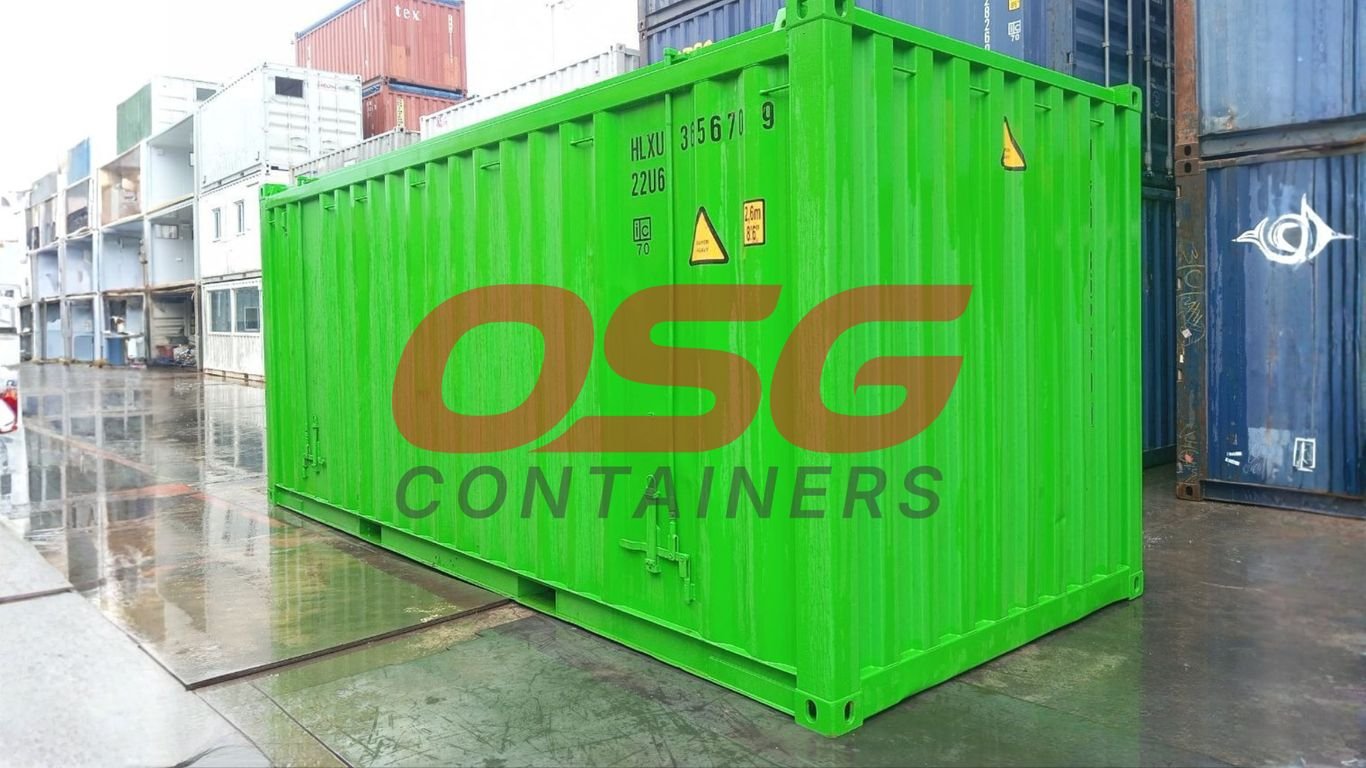
Thinking about getting rid of a lot of stuff in Singapore? Maybe you’ve got a big cleanout coming up, or perhaps a renovation project is in full swing. Whatever the reason, dealing with a pile of waste can feel overwhelming. That’s where open top container disposal comes in. It’s a pretty straightforward way to handle larger amounts of trash, but there are definitely things you need to know before you get one. This guide will walk you through what to expect, from what goes in to how it all works.
Key Takeaways
- Open top containers are large, open-top bins perfect for bulky waste, construction debris, and general cleanouts. They make loading and unloading easier.
- These containers are suitable for construction waste, large household items like furniture, and industrial waste. However, hazardous materials and food waste are usually not allowed.
- Container sizes vary, typically ranging from 10 to 28 cubic meters. Standard rental periods are often around 3 days, but extensions can usually be arranged.
- The process involves scheduling delivery, preparing the site for placement, and loading the waste according to guidelines. Remember to avoid overfilling for safety.
- Costs include rental rates, potential charges for excess weight, and penalties for failed deliveries. Always check with your provider about specific fees and NEA regulations.
Understanding Open Top Container Disposal
What is an Open Top Container?
An open top container, often called an OTC or skip tank, is basically a large, open-topped metal bin. Think of it as a giant, sturdy box designed for collecting a lot of waste all at once. Its open design makes it super easy to toss in all sorts of stuff, from construction scraps to old furniture. These containers are a go-to solution for managing significant amounts of waste efficiently in Singapore. They’re a common sight on construction sites and during major cleanouts.
Key Features and Benefits
Open top containers come with a few handy features that make them popular for various disposal needs. The most obvious is the open top itself, which allows for easy loading of bulky items that wouldn’t fit into regular bins. They’re built tough, usually from steel, so they can handle heavy materials without a problem. Plus, renting one means you don’t have to worry about making multiple trips to the disposal facility yourself; the rental company handles the pickup and disposal.
Here are some of the main advantages:
- Convenient Loading: The open top makes it simple to load large or awkward items.
- High Capacity: They can hold a substantial volume of waste, reducing the need for frequent collections.
- Versatile Use: Suitable for a wide range of waste types, from renovation debris to bulky household items.
- Simplified Disposal: The rental service includes delivery, collection, and disposal, taking the hassle out of waste management.
When to Consider Open Top Container Rental
So, when is renting an open top container the right move for your project in Singapore? If you’re undertaking a home renovation, a major declutter, or a construction project, you’re likely to generate more waste than your regular bins can handle. Think about projects like:
- Kitchen or bathroom remodels
- Demolishing old structures
- Clearing out a large attic or garage
- Landscaping work that produces a lot of green waste
If you’re dealing with bulky items like old sofas, appliances, or construction debris, an open top container is often the most practical and cost-effective option. It’s especially useful when the waste volume is large or spread out over several days, and you want to keep your site tidy.
Types of Waste Suitable for Open Top Containers
So, what exactly can you toss into these big open-top bins? They’re pretty versatile, but knowing what goes where is key to avoiding hassle.
Construction and Renovation Debris
This is probably the most common use for open-top containers. If you’re tearing down a wall, redoing your kitchen, or even just replacing your roof, you’re going to end up with a lot of stuff. Think broken tiles, old drywall, wood scraps, bits of concrete, and maybe even some old plumbing. These containers are built to handle that kind of mess.
- Concrete and rubble: Broken bits from walls, floors, or foundations.
- Wood and lumber: Scraps from framing, old cabinets, or flooring.
- Drywall and plaster: Pieces from walls and ceilings.
- Tiles and ceramics: Old bathroom or kitchen tiles.
- Roofing materials: Shingles, underlayment, and other roofing debris.
Bulky Household Waste
Got a sofa that’s seen better days? Or maybe a washing machine that finally gave up the ghost? Open-top containers are perfect for those large items that just don’t fit in your regular trash bin. This includes old furniture, appliances, mattresses, and even large amounts of yard waste like branches and leaves after a big storm.
- Furniture (sofas, chairs, tables, cabinets)
- Appliances (fridges, washing machines, ovens)
- Mattresses and bed frames
- Large electronics (TVs, old computers)
Industrial and Commercial Waste Streams
Businesses and industries also find these containers incredibly useful. Whether it’s general waste from an office cleanout, packaging materials from a warehouse, or scrap from a manufacturing process, open-top bins offer a straightforward way to manage larger volumes of commercial waste.
Recyclable Materials and Scrap Metal
Many open-top container services also cater to recycling efforts. You can often use them for collecting large quantities of recyclable materials like cardboard, plastics, and glass. They’re also a great option for scrap metal from demolition projects or old machinery. This helps divert waste from landfills and supports Singapore’s sustainability goals.
It’s important to remember that while these containers are large, they aren’t for everything. Certain items, like hazardous waste or food scraps, have specific disposal rules and cannot go into a general open-top container. Always check with your waste disposal provider if you’re unsure about what can be placed inside.
Prohibited Waste and Disposal Regulations
So, you’ve got a pile of stuff to get rid of and you’re thinking an open-top container is the way to go. Makes sense, right? They’re great for big jobs. But hold on a sec, you can’t just chuck anything in there. Singapore has some pretty clear rules about what’s allowed and what’s definitely not, and it’s all about keeping things safe and the environment clean. The National Environment Agency (NEA) is the main outfit keeping an eye on this stuff.
Hazardous and Toxic Materials
This is a big one. You absolutely cannot put hazardous or toxic materials into an open-top container meant for general waste. Think things like:
- Chemicals (solvents, paints, pesticides)
- Batteries (especially car batteries or large industrial ones)
- Asbestos-containing materials
- Medical waste (sharps, contaminated dressings)
- Anything that’s flammable, corrosive, or reactive.
These items need special handling and disposal methods. Throwing them in with your regular trash is a major no-no and can cause serious harm to waste handlers and the environment. If you’re unsure if something is hazardous, it’s always best to check with your waste disposal provider or the NEA.
Food and Organic Waste Restrictions
While you might think a big bin is perfect for kitchen scraps or garden waste, there are limits. Generally, large quantities of food waste or wet organic matter aren’t ideal for standard open-top containers. Why? Well, it can get pretty smelly, attract pests, and make the waste heavier and harder to handle. Plus, it can sometimes damage the container itself. For specific types of organic waste, especially from commercial or industrial kitchens, there are often separate collection and processing systems in place. It’s worth asking your waste collector if they have specific guidelines for organic materials.
Compliance with NEA Regulations
This is where things get official. The NEA has a whole set of rules and guidelines that waste collectors and users need to follow. Adhering to these regulations is not just about avoiding fines; it’s about responsible waste management.
Here are a few key points to keep in mind:
- Licensing: Only licensed waste collectors can provide open-top container services. Make sure whoever you hire is properly licensed by the NEA.
- Container Inspection: The containers themselves need to be inspected regularly to make sure they’re in good working order and safe to use.
- No Overfilling: This is super important. Don’t fill the container beyond its designated fill line. Overfilled containers are a safety hazard for collection crews and other road users. It can lead to waste spilling during transport.
- Placement: If you’re placing a container on a public street, there are specific guidelines you need to follow regarding permits and placement to avoid obstructing traffic or pedestrian walkways.
It’s really on us, the people renting these containers, to know what we can and can’t put in them. The waste collectors have their own set of rules they have to follow, but ultimately, the responsibility starts with the waste generator. Making a mistake here could mean extra charges or even legal trouble, so it pays to be informed.
Open Top Container Sizes and Rental Options
When you’re dealing with a big cleanup, figuring out the right size container is key. You don’t want one that’s too small and overflows, or one that’s way too big and costs more than it needs to. Luckily, there are a few standard sizes available to fit most jobs.
Available Container Capacities
Open top containers, often called ‘skips’ in some places, come in various capacities to handle different amounts of waste. For smaller projects, like clearing out a garage or a small renovation, a 10 or 15 cubic yard container might be just right. These can hold a good amount of debris, roughly equivalent to several truckloads.
For larger jobs, such as major home renovations, construction sites, or significant commercial cleanouts, you’ll likely need something bigger. This is where the 20, 30, and even the 40ft open top container come into play. A 40-yard container is substantial and designed for really big projects where you’re expecting a lot of waste.
Here’s a general idea of what some common sizes can hold:
| Container Size (Approximate) | Capacity (Cubic Yards) | Suitable For |
|---|---|---|
| Small (e.g., 10-15 yd) | 10-15 | Garage cleanouts, small renovations, yard waste |
| Medium (e.g., 20-25 yd) | 20-25 | Large renovations, basement cleanouts, medium construction |
| Large (e.g., 30-40 yd) | 30-40 | Major construction, large-scale demolitions, significant commercial waste |
Standard Rental Durations
Most rental companies offer a standard rental period, often around 3 to 7 days. This usually gives you enough time to load the container without feeling too rushed. It’s important to check with your provider about their specific terms.
- 3-Day Rental: Good for quick cleanups or when you know you can fill it up fast.
- 7-Day Rental: More relaxed pace, suitable for ongoing projects or when you need more time to sort materials.
- Extended Rentals: If you need the container for longer, most companies can arrange this, though it might come with additional daily fees.
Arranging Rental Extensions
Sometimes, projects run longer than expected. If you find yourself needing more time with your open top container, don’t panic. You’ll typically need to contact the rental company a day or two before your scheduled pickup to request an extension. They’ll let you know if it’s possible and what the extra charges will be. It’s always better to ask sooner rather than later to avoid any issues or extra fees for keeping the container beyond the agreed-upon time.
Be aware that keeping a container longer than agreed might incur daily charges. It’s a good idea to have a clear timeline for your project before you book the rental to avoid unexpected costs.
The Open Top Container Disposal Process
Scheduling Delivery and Collection
Getting an open-top container to your site is pretty straightforward. You’ll typically call the rental company and tell them when you need it. They’ll ask for your address and the best time for delivery. It’s a good idea to book a few days in advance, especially if you have a specific date in mind. When you book, you’ll also arrange for the pickup. Most companies offer flexible collection times, but you might need to give them a heads-up a day or two before you want it removed. Some companies have standard rental periods, like 3 days, but you can usually extend this if you need more time, though there might be extra charges.
Placement and Site Preparation
Once the container arrives, where you put it matters. You need a spot that’s accessible for the truck that delivers and picks it up. Think about a flat, stable surface – you don’t want it sinking into soft ground or tipping over. Make sure there’s enough clearance around it for loading waste and for the truck to maneuver. If you’re placing it on public property, you might need a permit, so check with your local authorities. It’s also wise to clear the area around where you plan to put the bin so you have plenty of room to work.
Waste Loading Guidelines
Loading the container correctly is key to avoiding problems. You can toss in most general waste, construction debris, bulky items, and recyclables. However, there are strict rules about what not to put in. Things like hazardous materials, chemicals, food waste, and certain types of liquids are a big no-no. Never fill the container beyond its rim. Overfilling is not only dangerous but can lead to extra fees or refusal of collection. Try to load heavier items at the bottom and distribute the weight evenly. This helps prevent shifting during transport and makes it safer for the collection crew.
Remember that different types of waste might have specific rules. For instance, while general construction debris is fine, certain industrial waste streams might require special handling or might not be accepted at all. Always double-check with your waste disposal provider if you’re unsure about any item.
Here’s a quick rundown of what’s generally okay and what’s not:
- Acceptable Waste:
- Construction and renovation debris (wood, drywall, concrete, bricks)
- Bulky household items (furniture, appliances – check if they’re hazardous first)
- Yard waste (branches, leaves, soil – sometimes with limits)
- Scrap metal and recyclable materials
- Prohibited Waste:
- Hazardous materials (paint, solvents, batteries, asbestos)
- Food and organic waste (unless specifically arranged)
- Tires and electronics (often have separate disposal streams)
- Anything that could leak or pose a fire risk
Costs and Potential Penalties
So, you’re thinking about renting an open-top container for your waste disposal needs in Singapore. That’s a smart move for handling larger jobs. But before you sign on the dotted line, let’s talk about what you can expect to pay and what might cost you extra. It’s not just about the rental fee itself; there are a few other things to keep in mind.
Understanding Rental Rates
When you rent an open-top container, the base price usually covers the container itself, delivery to your site, and collection once it’s full or your rental period is up. For a standard 16ft container, you might see rates around $470 per trip. This typically includes disposal fees for waste up to a certain weight limit, often around 3 tonnes. It’s always good to clarify what’s included in that initial price. Some companies might offer different rates if you’re disposing of a single type of waste, like just construction debris or wood, compared to mixed waste.
Charges for Excess Weight
This is where things can get a bit pricey if you’re not careful. That 3-tonne limit mentioned earlier? If you go over it, you’ll likely be charged for every additional tonne. We’re talking about rates that could be around $150 per extra tonne. So, if you’ve got a lot of heavy stuff, like concrete or metal, it really adds up. It’s worth trying to estimate your waste volume and weight beforehand to avoid surprises. Sometimes, breaking down larger items can help fit more in without exceeding the weight limit, but always check if that’s allowed for your specific waste type.
Fees for Failed Deliveries
This one’s a bit of a bummer, but it happens. If the delivery truck can’t get to your site to drop off the container, or if they can’t place it where you need it, you could be hit with a penalty fee. This is usually for transportation costs, and it might be around $150. Think about where the container needs to go. Is there enough space? Is the ground stable? Are there any obstructions? Making sure the site is ready and accessible beforehand can save you this hassle and expense. It’s all about planning ahead to make sure the drop-off goes smoothly.
It’s important to remember that these containers are for specific types of waste. Throwing in prohibited items like food waste, hazardous materials, or anything flammable can lead to extra charges or even refusal of collection. Always double-check the list of accepted and prohibited items with your waste disposal provider and adhere to NEA regulations to avoid any penalties.
Safety and Compliance in Waste Management
Adhering to Safety Guidelines
When you rent an open-top container, it’s not just about getting rid of junk; it’s about doing it the right way. There are rules and guidelines in place to keep everyone safe, from the folks loading the bin to the drivers hauling it away and the general public. Think of it like this: you wouldn’t just throw anything anywhere, right? Same idea here. The National Environment Agency (NEA) has specific rules, and it’s a good idea to know them. They’ve got guidelines for everything, including how often equipment like your container needs to be checked out by certified workshops. It’s all about making sure things don’t go wrong.
Avoiding Overfilling Containers
This is a big one. Seriously, don’t overfill your open-top container. It might seem like you can just cram a little more in, but it’s a major safety hazard. When a container is too full, waste can spill out during transport, creating a mess and a danger on the roads. Plus, it makes it really hard for the collection crew to handle safely. There are limits for a reason, and sticking to them is part of the deal when you rent a bin.
Importance of Licensed Waste Collectors
Using a licensed waste collector is non-negotiable. These are the professionals who know the ins and outs of waste disposal regulations in Singapore. They have the right equipment, the trained staff, and the permits to handle different types of waste legally and safely. Trying to cut corners by using someone unlicensed can lead to fines and, more importantly, improper disposal that harms the environment. It’s always best to go with a company that’s properly registered and follows all the rules.
Here’s a quick rundown of why using licensed collectors matters:
- Legal Compliance: They ensure your waste is disposed of according to NEA regulations, avoiding penalties for you.
- Safety: Trained professionals handle loading and transport, minimizing risks.
- Environmental Responsibility: They know how to sort and dispose of waste properly, including recycling.
- Proper Documentation: Licensed collectors can provide necessary paperwork for your records.
Remember, waste management isn’t just a service; it’s a responsibility. By following safety guidelines and working with licensed professionals, you contribute to a cleaner and safer Singapore for everyone.
Wrapping It Up
So, that’s the lowdown on using open-top containers for your waste disposal needs in Singapore. It’s a pretty straightforward process, really. You pick a size that fits your job, get it delivered, fill it up with your bulky stuff or renovation leftovers, and then it gets picked up. Just remember to check what you can and can’t toss in there, and be mindful of the weight limits to avoid extra charges or delivery issues. It’s a solid way to handle bigger clean-up jobs without making a mess or needing a ton of trips. Give it a go for your next project!
Frequently Asked Questions
What exactly is an open-top container?
Think of an open-top container as a big, sturdy box on wheels that you can fill with waste. It’s called ‘open-top’ because it doesn’t have a lid, making it super easy to toss in large or bulky items. These containers are great for getting rid of a lot of stuff at once.
What kind of trash can I put in an open-top container?
You can throw in most common types of waste, like stuff from home renovations, old furniture, broken appliances, and general junk. They’re also good for things like scrap metal or materials you plan to recycle. Just remember, there are some things you can’t put in them.
What items are NOT allowed in open-top containers?
You absolutely cannot put hazardous materials, like chemicals or batteries, into these containers. Food waste and other organic trash are also usually not allowed because they can cause problems. Always check the rules to make sure you’re not throwing in anything forbidden.
How big are these containers, and how long can I rent one?
Open-top containers come in different sizes, measured in cubic yards or meters, to fit your needs. The most common rental period is usually around 3 days, but you can often arrange to keep it longer if you need more time. Just ask when you book it!
What happens if the container is too heavy?
If you fill the container and it ends up being heavier than the limit allowed, you’ll likely be charged extra. It’s important to load the container responsibly and avoid packing it too densely to prevent exceeding the weight limit and incurring extra fees.
What if the delivery or pickup can’t happen?
If the delivery truck can’t reach your site or place the container safely, or if there’s any other issue preventing pickup, you might have to pay a penalty fee. Make sure the area is clear and accessible for the truck.