Singapore
 Australia
 Indonesia
 Japan
Japan Malaysia
 New Zealand
 Philippines
 South Korea
 Taiwan
 Thailand
 VIETNAM
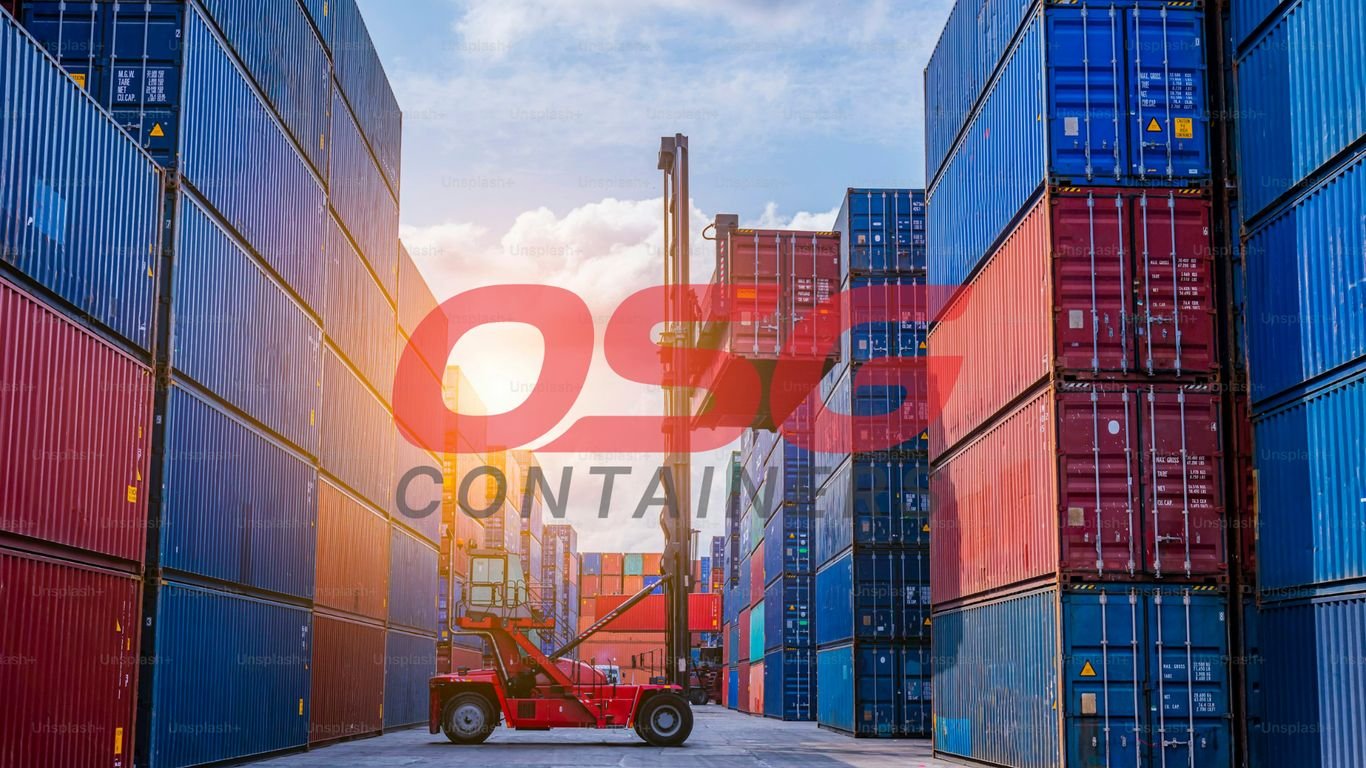
Thinking about shipping liquids or gases in bulk? You’ve probably heard about ISO tank containers. These things are pretty standard in the shipping world for a reason. They’re basically big metal barrels inside a frame that fits standard shipping stuff. We’re going to break down what makes them tick, why they’re certified, and how they stack up against other options. If you’re moving anything from chemicals to juice, this guide is for you.
Key Takeaways
- ISO tank containers are built to strict international standards, ensuring they can safely move liquids and gases across different transport modes.
- Certification matters: An ISO certification means the tank has passed rigorous checks for quality, safety, and durability.
- These tanks are super versatile, handling everything from hazardous chemicals to food-grade products, with different types suited for specific cargo.
- Using an iso tank container is often more reliable, safer, and better for the environment than other methods, thanks to their robust design and leak-proof nature.
- They’re efficient to load and unload, carry a lot more product than traditional drums, and have tracking features for security.
Understanding ISO Tank Container Specifications
When you’re dealing with moving liquids or gases in bulk, you’ll quickly run into ISO tank containers. These aren’t just generic metal boxes; they’re built to very specific international standards, which is what the ‘ISO’ part means. This standardization is a big deal because it means they can be handled by all sorts of transport – ships, trains, and trucks – without needing special equipment. It makes moving stuff around the world a lot simpler.
Standard ISO Tank Dimensions
Most of the time, when people talk about ISO tanks, they’re thinking about the ones that fit the standard shipping container frame. You’ll most commonly see them with the same footprint as a 20-foot shipping container. This means they’re typically 20 feet long, 8 feet wide, and about 8.5 feet tall. This uniformity is a huge plus because it means all the usual cranes, forklifts, and stacking gear designed for shipping containers can handle these tanks without any fuss. It really streamlines the whole process of loading and unloading.
Varying ISO Tank Capacities
Now, while the outside frame is pretty standard, what these tanks can actually hold inside can change quite a bit. The internal tank is usually a bit smaller than the external frame, which is there to protect it and provide handling points. A typical 20-foot tank can hold somewhere in the ballpark of 21,000 to 27,000 liters. That’s a lot of liquid! But if you need to move even more, there are bigger versions, sometimes called ‘Swap Bodies’ or just longer tanks. These can pack in more, sometimes up to 35,000 liters. It really comes down to what you’re shipping and how much of it you need to move in one go.
Here’s a quick look at some typical capacities and weights you might see:
| Capacity (Liters) | Max Gross Weight (kg) | Tare Weight (kg) | Payload (kg) |
|---|---|---|---|
| 21,000 | 36,000 | 3,650 | 32,350 |
| 24,000 | 36,000 | 3,900 | 32,100 |
| 26,000 | 36,000 | 4,060 | 31,940 |
| 30,000 | 36,000 | 4,500 | 31,500 |
Key Dimensions and Capacity
So, to sum it up, the external dimensions are pretty much fixed to match standard shipping containers, making them easy to handle globally. The real variation comes in the internal capacity, which can range significantly based on the tank’s design and intended use. Choosing the right capacity is directly tied to how much product you need to transport efficiently. It’s not just about fitting it on a truck; it’s about maximizing the volume you can move per trip.
The design of an ISO tank container is all about balancing strength with the ability to carry a significant volume of liquid safely. The outer frame isn’t just for looks; it’s a structural element that makes the tank handleable like any other shipping container, fitting onto ships, trains, and trucks without special equipment.
The Importance of ISO Certification
When you’re looking at tank containers, you’ll hear a lot about "ISO certification." It sounds official, and it really is. Basically, it’s a stamp of approval that tells you the tank meets a specific set of international standards. These aren’t just random rules; they’re put in place to make sure the tanks are built right, are safe to use, and can handle the job they’re designed for. It’s your assurance that the tank is built to last and perform reliably.
What ISO Certification Signifies
An ISO certification means the tank container has been manufactured and tested according to guidelines set by the International Organization for Standardization. This covers a bunch of things, like the materials used, the tank’s design, and how it’s put together. It’s a way to guarantee a certain level of quality and safety. This certification helps make sure that tanks from different manufacturers can still be used interchangeably and meet the same basic requirements, which is pretty handy in the world of shipping. It confirms the tank is built with the right materials, like stainless steel, and has the necessary insulation and protective layers. It also means the tank is designed to handle specific pressure levels and temperatures, depending on what it’s meant to carry.
Ensuring Compliance and Quality
To get this certification, manufacturers have to follow strict procedures, and it’s not just a one-time thing; there are ongoing checks. Before an ISO tank container can even get that certification, it has to go through some pretty tough inspections. These aren’t just quick looks; they involve detailed testing to check for leaks, structural integrity, and proper functioning of all parts, like valves. They’ll check the tank’s pressure limits and make sure it can withstand the stresses of transport. This process is repeated regularly throughout the tank’s life to maintain its certification.
- Material Integrity: Checks that the tank is made from appropriate, durable materials.
- Structural Soundness: Verifies the tank can withstand transport pressures and impacts.
- Component Functionality: Ensures valves, seals, and other parts work correctly.
- Pressure Testing: Confirms the tank meets specified pressure resistance standards.
Adhering to these international standards isn’t just a suggestion; it’s often a legal requirement in most places. Following the rules helps prevent accidents and ensures that everyone involved, from loading to transport, stays safe. It also means making sure the tank is properly marked and has all the right paperwork, so everyone knows what’s inside and how to handle it safely.
Key Construction Materials and Tank Types
Essential Construction Materials
When you look at an ISO tank container, you’re seeing a pretty robust piece of engineering. The part that actually holds your liquid, the tank itself, is almost always made from stainless steel. We’re talking about specific grades, like 304 or 316L, chosen for their ability to resist corrosion and not mess with the cargo. This is super important whether you’re shipping something like edible oil or a strong chemical. The outside is usually wrapped in a strong steel frame. This frame isn’t just for looks; it makes the tank handleable like any other shipping container and protects it during transit. Many tanks also have insulation between the inner tank and the outer frame. This insulation, often made of materials like polyurethane foam, helps keep the cargo’s temperature steady. Think about shipping something that can’t freeze or overheat – that insulation is a lifesaver.
- Stainless Steel (304, 316L): The primary material for the inner tank, offering excellent corrosion resistance.
- Steel Frame: Provides structural integrity and allows for standard handling.
- Insulation: Materials like polyurethane foam help maintain cargo temperature.
- Valves and Fittings: Made from durable materials compatible with the cargo.
The construction of an ISO tank is a careful balance. It needs to be strong enough to survive the rigors of global transport, yet also designed to keep the cargo pure and at the right temperature. Every component plays a role in this.
Specialized Tank Designs for Specific Cargo
Not all liquids are the same, so ISO tanks aren’t either. There are different designs tailored for what you’re shipping. For example, tanks meant for hazardous chemicals will have extra safety features and might be made from specific alloys or have special linings to handle corrosive substances. Tanks for food products, on the other hand, will have a food-grade finish to prevent any contamination. Some tanks even come with built-in heating systems, like steam coils, to keep products liquid in cold weather, or cooling units for temperature-sensitive items. Gases, like LPG, require tanks designed to handle pressure differently.
Here’s a quick look at some common types:
- T1/T4 Tanks: Often used for less hazardous liquids like wine, edible oils, and certain food products.
- T11 Tanks: Suitable for non-hazardous chemicals.
- T14 Tanks: Designed for more hazardous chemicals and acids, with enhanced safety features.
- T50 Tanks: Specifically built for transporting liquefied gases.
- Lined Tanks: Feature a special coating inside to carry highly corrosive materials.
- Food-Grade Tanks: Strictly for food and beverage products, ensuring no contamination.
- Refrigerated/Heated Tanks: Equipped with systems to maintain specific temperature ranges.
Ensuring ISO Tank Container Safety
When you’re dealing with ISO tank containers, safety isn’t just a suggestion; it’s the absolute top priority. These aren’t your average shipping containers; they’re built to handle some pretty serious stuff, from chemicals to food-grade products. Messing up here can lead to big problems, not just for the cargo, but for people and the environment too. So, let’s talk about how we keep things safe.
Pre-Trip Inspection Protocols
Before any ISO tank container hits the road, rail, or sea, it needs a thorough check-up. Think of it like a pilot doing their pre-flight checks. You’re looking for anything that seems off. This includes:
- Checking the tank’s exterior: Look for any dents, rust, or damage to the frame and shell. Even small issues can become big problems later.
- Inspecting valves and fittings: Make sure all valves are closed properly and that there are no leaks. The seals on any connections need to be in good shape.
- Verifying safety equipment: Confirm that emergency release valves, pressure relief devices, and any other safety gear are present and appear to be working correctly.
- Reviewing documentation: Ensure all inspection certificates and cargo-specific documents are up-to-date and readily available.
A rigorous inspection process is the first line of defense against potential accidents. It’s about being proactive and catching issues before they escalate, protecting both the cargo and everyone involved in the transport chain.
Container Basics: Understanding Components
Knowing the parts of an ISO tank helps you understand why inspections are so important. Each piece has a job, and if one fails, the whole system can be compromised. Key components include:
- The Tank Shell: This is the main body that holds the liquid or gas. It’s usually made of stainless steel for durability and to prevent reactions with the cargo.
- The Frame: A strong outer frame, typically steel, protects the tank shell and provides standard corner castings for handling and stacking.
- Valves and Fittings: These control the flow of cargo in and out of the tank. There are usually inlet, outlet, and safety relief valves.
- Insulation and Cladding: Many tanks have insulation to maintain temperature, covered by a protective outer layer (cladding).
Cargo Handling Best Practices
How you load and unload the tank is just as critical as the tank itself. Following proper procedures minimizes risks.
- Match the Tank to the Cargo: Always use a tank approved for the specific type of product you are transporting. A tank designed for food products shouldn’t be used for chemicals, and vice versa.
- Proper Filling: Don’t overfill the tank. There needs to be adequate ullage (empty space) to allow for expansion of the liquid due to temperature changes.
- Secure Connections: When loading or unloading, make sure all hoses and connections are secure and leak-free before starting the transfer.
- Ventilation: Ensure proper ventilation procedures are followed, especially when dealing with volatile or hazardous substances.
Safety Gear and Procedures
When working with ISO tanks, especially those carrying hazardous materials, the right gear and strict adherence to procedures are non-negotiable.
- Personal Protective Equipment (PPE): This can include chemical-resistant gloves, safety goggles or face shields, protective clothing, and respiratory protection, depending on the cargo.
- Emergency Response Plan: Have a clear plan in place for what to do in case of a spill, leak, or other emergency. This includes knowing who to contact and having the necessary equipment on hand.
- Training: All personnel involved in handling ISO tanks must be properly trained on safety procedures, cargo properties, and emergency response.
Operational Efficiency and Security
When it comes to moving goods, especially liquids in bulk, how easy it is to get things loaded and unloaded really matters. ISO tank containers are designed with this in mind, making the whole process smoother and quicker.
Streamlined Handling and Multi-Modal Transport
One of the big pluses of using an ISO tank is how straightforward the loading and unloading procedures are. Unlike dealing with multiple smaller containers or drums, a tank container is a single unit. This means fewer connections and less time spent securing individual items. They typically have specialized valves and fittings that connect directly to shore-based or transfer systems. This setup cuts down on the need for a lot of manual labor, which not only saves on costs but also speeds up the turnaround time at ports or facilities. Think about it: instead of manually filling dozens of drums, you’re connecting a hose to one large tank. It’s a game-changer for efficiency.
ISO tanks really shine when you look at how much they can hold compared to other methods. For instance, a standard 20-foot ISO tank can carry a significant amount of liquid, often around 24,000 liters or more. Compare that to a typical 20-foot dry container that might be used with drums; it can only hold about 15,000 liters. That’s a 60% to 70% increase in liquid volume per container. This means fewer containers are needed to move the same amount of product, which can lead to lower shipping costs and less congestion at terminals. It’s a simple matter of volume – more product in fewer units.
The ability to seamlessly switch between trucks, trains, and ships without repackaging is a game-changer for global supply chains. It simplifies operations and reduces the chances of product loss or contamination during transfers. This intermodal capability makes logistics much smoother and faster. If there’s a delay on one leg of the journey, the tank can often just sit tight until things clear up, keeping the product safe and sound inside. It’s like having a mobile, secure warehouse.
Tracking and Security Features
When you’re moving goods, especially valuable or hazardous ones, knowing where your shipment is and that it’s safe is pretty important, right? ISO tank containers have some built-in ways to help with that.
- Unique Identification Codes: Every single ISO tank container gets a special identification code, often called a BIC (Bureau International des Containers) code. Think of it like a license plate for your tank. This code is unique to that specific tank and is usually found on the container itself, often near the door. It’s how shipping companies, logistics providers, and even you can keep tabs on where the tank is throughout its journey. This makes it way easier to manage your inventory and know the status of your shipment without having to guess.
- Robust Construction: Built to withstand harsh conditions, they have a long operational life and are resistant to damage. This durability means less risk of spills or breaches during transit.
- Sealed System: The sealed nature of the tank minimizes the risk of accidental releases, keeping your cargo contained and secure.
The design of ISO tanks, with their robust frame and integrated lifting points, makes them incredibly easy to manage throughout the supply chain. From the moment they are filled to their final destination, the handling is streamlined, reducing the chances of damage to both the cargo and the container itself. This focus on simple, effective handling is a major reason why they are so popular for bulk liquid transport.
Secure Storage Capabilities
ISO tank containers are built for more than just transit; they also offer secure storage solutions. Their sturdy construction means they can be safely stored at terminals, depots, or even at a customer’s site. The sealed nature of the tank protects the contents from external contamination and environmental factors, maintaining product integrity. This dual functionality as both a transport and temporary storage unit adds another layer of efficiency to the supply chain, reducing the need for separate warehousing in many cases. Furthermore, their standardized dimensions allow for efficient stacking and space utilization in storage yards.
ISO Tank Container vs. Alternative Solutions
Comparing Suitability for Cargo Types
When you’re figuring out how to ship bulk liquids, you’ve got a few options. For a long time, people used drums or smaller barrels. These work, sure, but they come with a lot of hassle. You need to fill each one individually, seal it, and then load them all up. It takes time and a lot of labor. Plus, you end up with a lot of empty containers to deal with afterward.
Then there are flexitanks. These are basically big bags that fit inside a standard shipping container. They’re pretty good for non-hazardous stuff like cooking oils or juices, and they can be cheaper for a one-off shipment. But, if you’re moving anything risky, like chemicals, or if your product needs a specific temperature, a flexitank just isn’t going to cut it. They’re also more prone to leaks, which is a big worry.
This is where the tank container really shines. These robust, standardized metal tanks are built for a much wider range of products, including hazardous materials. They offer better protection against leaks and can even be equipped with heating or cooling systems to keep your cargo at the perfect temperature. For serious bulk liquid transport, especially for anything sensitive or regulated, the tank container is usually the way to go.
Advantages Over Traditional Drums
Let’s talk about why tank containers are often a better pick than those old-school drums.
- Volume: A single 20-foot tank container can hold the equivalent of hundreds of drums. Think about the space saved and the fewer individual items you have to manage.
- Safety: Tank containers are designed to be super secure. They have strong frames, pressure relief valves, and are built to withstand rough handling. This means a lot less worry about spills or damage compared to a stack of drums.
- Efficiency: Loading and unloading a tank container is way faster than dealing with individual drums. You can pump the product in and out, which cuts down on labor and time significantly.
- Environmental Impact: By consolidating your shipment into one tank, you reduce packaging waste. No more piles of empty plastic or metal drums to dispose of. This makes your shipping process greener.
Moving liquids in bulk used to be a real chore. You’d fill up drum after drum, load them carefully, and hope for the best. Now, with tank containers, it’s like a whole different ballgame. You can move a massive amount of product in one go, with a lot less fuss and a lot more safety built-in. It just makes good sense for most businesses shipping liquids today.
Here’s a quick look at how much more you can fit:
| Container Type | Typical Volume (Liters) |
|---|---|
| 20ft Tank Container | ~21,000 – 26,000 |
| Equivalent Drums (200L) | ~105 – 130 drums |
As you can see, the capacity difference is pretty significant. This means fewer shipments, less fuel used, and ultimately, a lower cost per liter shipped. For businesses looking to move liquids efficiently and safely, the iso container tank is a clear winner over traditional drums.
Regulatory Compliance and Emergency Preparedness
Certification Requirements for Operations
So, you’ve got your ISO tank, and you’re ready to move some serious cargo. But hold on a sec, it’s not just about having the tank itself. Depending on what you’re hauling and where you’re sending it, there are official certifications you absolutely need. These aren’t just fancy bits of paper; they’re proof that you and your team know the drill and can handle these operations safely. Different countries, and even different types of cargo, can have their own specific stamps of approval. It’s really important to figure out exactly what applies to your situation. Getting the right certifications means you’re officially cleared to do the job without cutting corners.
Emergency Response Preparedness
Look, accidents can happen. Even with the best planning and the most careful handling, things can go sideways. That’s why having a solid plan for when the unexpected strikes is so important. This isn’t just about knowing who to call when there’s a problem. It’s about having a clear, practiced plan so everyone knows what to do. This helps keep people safe, protects the environment, and minimizes damage. A good emergency plan usually covers a few key areas:
- Containment: How do you stop a leak from spreading further? This might involve using special booms or absorbent materials.
- Evacuation: Knowing when and how to get people to a safe distance from the incident.
- Notification: Who needs to be told right away? This includes your company, local emergency services, and any relevant government agencies.
- First Aid: Having basic first aid supplies and trained personnel ready to help anyone who might be injured.
Having a clear, practiced plan for emergencies means that when the unexpected occurs, people can react quickly and correctly, minimizing harm to themselves, others, and the environment. It’s about being ready for the worst-case scenario, even if you hope it never happens.
Here’s a quick look at some common regulatory bodies and what they might require, just to give you an idea:
| Region/Country | Key Regulatory Bodies | Focus Areas |
|---|---|---|
| United States | DOT, OSHA, FDA | Hazardous materials transport, workplace safety, food-grade standards |
| Canada | Transport Canada, Health Canada, CFIA | Hazardous materials transport, workplace safety, food-grade standards |
| Mexico | SCT, COFEPRIS | Tank inspections, weight limits, hazardous materials classification, hygiene for food-grade |
| South America (e.g., Brazil) | ANTT, ANVISA | Dangerous goods transport, food-grade and pharmaceutical standards |
| Caribbean (e.g., Jamaica) | IMO, IMDG Code, BSJ | Maritime transport, hazardous goods, local health and safety standards |
It’s always best to check the specific regulations for the countries you’ll be operating in, as rules can change and vary quite a bit.
Wrapping Up Our Tank Container Talk
So, we’ve gone over a lot about tank containers here in Singapore. They’re pretty much the go-to for moving liquids and gases safely and efficiently. We talked about how they’re built tough, meet strict standards, and can handle all sorts of stuff, from chemicals to food. Remember, checking for that ISO certification is key to knowing you’re getting a reliable tank. They’re a solid choice for businesses needing to move bulk goods, and they really do make global shipping a bit easier. Hopefully, this guide has cleared things up and helped you see why these tanks are such a big deal in the shipping world.
Frequently Asked Questions
What exactly is an ISO tank container?
Think of an ISO tank container as a big, barrel-shaped tank built inside a metal frame. This frame is the same size as a regular shipping container, making it super easy to move around using cranes and trucks. These tanks are great for carrying liquids, gases, and even powders in large amounts, whether they’re safe or a bit dangerous.
Why is ISO certification so important for these tanks?
ISO certification is like a special stamp of approval. It means the tank has been built and tested following strict international rules. This guarantees that it’s safe, strong, and will work reliably for carrying different kinds of cargo, especially liquids and gases.
What are ISO tanks made of, and are there different types?
Most tanks are made from stainless steel, which doesn’t rust or react with most products, keeping your cargo pure. The outside has a strong steel frame for protection. Yes, there are different types! Some are for things like wine or oils (T1/T4), others for chemicals (T11/T14), gases (T50), or even food-grade products. Some have special coatings or cooling for specific needs.
How do ISO tank containers ensure the safety of the cargo and people?
Safety is a huge deal with ISO tanks. They are built very strong to handle rough journeys. Before any trip, they get a thorough check-up, kind of like a car inspection. Plus, there are strict rules for loading and unloading, using the right safety gear, and knowing what to do in case of an emergency, like a spill.
Are ISO tank containers easy to handle and track?
Yes, they are designed to be handled easily! Their frame fits standard transport equipment, making it simple to move them between ships, trains, and trucks without unloading the cargo. Each tank also has a unique ID code, like a license plate, so you can track exactly where it is throughout its journey.
How do ISO tank containers compare to other ways of shipping liquids, like drums?
ISO tanks are much better for shipping large amounts of liquids or gases compared to smaller drums. They can carry way more product, are more secure, and are less likely to leak. This makes them safer for the environment and often more cost-effective for bulk transport because you need fewer containers and less handling.