Singapore
 Australia
 Indonesia
 Japan
Japan Malaysia
 New Zealand
 Philippines
 South Korea
 Taiwan
 Thailand
 VIETNAM
So, you’re thinking about getting some extra cold storage for your business, huh? Maybe you’ve seen those big metal boxes around, or perhaps you’re familiar with the walk-in coolers you see at restaurants. Deciding between them, or other container refrigeration options, can feel a bit overwhelming. It’s not just about keeping things cold; it’s about finding the right fit for how you work, what you store, and how much space you actually have. Let’s break down what’s out there and figure out if container refrigeration is the move for you.
Key Takeaways
- Refrigerated containers are great for huge amounts of storage and can be moved around, but they’re heavy and need special equipment to move. Think big warehouses or places that ship a lot.
- Walk-in coolers are usually smaller, easier to get into, and don’t use as much power. They’re a good choice for places like restaurants or smaller shops that need to grab things often.
- When you’re picking, think about how much stuff you need to store, how often you’ll be going in and out, and what exact temperature you need. Don’t pay for more than you need.
- Containers are built tough for outside use, while walk-ins are more for convenient, ground-level access. Both can be secure, but the access is different.
- The cost can vary a lot. Containers might cost more upfront or to rent, but they handle big jobs. Walk-ins can be more budget-friendly for smaller, everyday needs.
Understanding Container Refrigeration Options
When you’re looking at ways to keep your products cold, you’ve probably come across a few different terms. Let’s break down what a "cntr reefer" or "container reefer" actually is and how it stacks up against other options. These aren’t your average storage boxes; they’re specialized units built for serious temperature control.
What Are Refrigerated Containers?
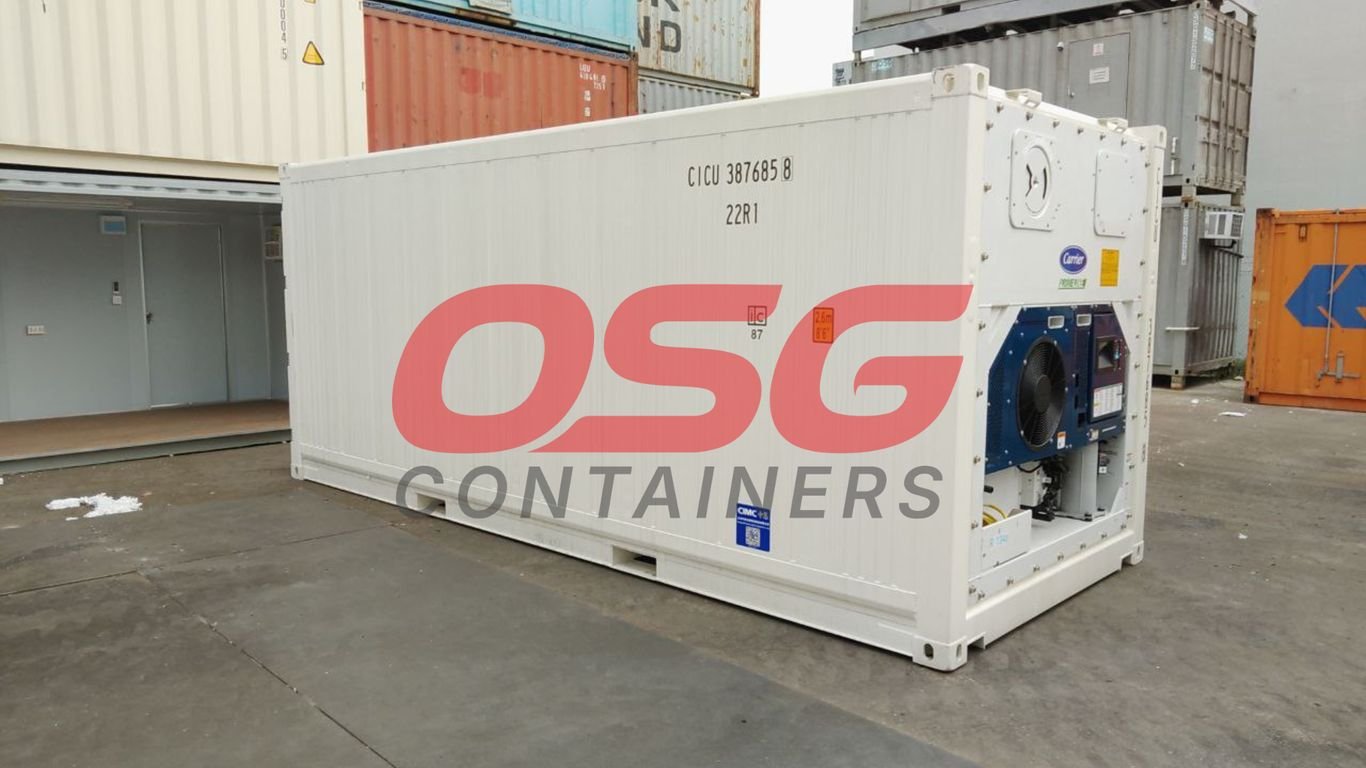
Refrigerated containers, often called "reefers," are essentially insulated shipping containers equipped with their own built-in refrigeration units. Think of them as portable, self-contained cold rooms. They were originally designed for transporting temperature-sensitive goods across long distances, but businesses now use them for on-site storage too. They actively cool or heat the interior to maintain a very specific temperature, which is pretty neat.
Key Features of Refrigerated Containers
These units come with a few standout features that make them useful for a variety of applications:
- Active Temperature Control: Unlike passive insulated boxes, reefers have mechanical systems that actively cool or heat the space. This means you can set a precise temperature, often ranging from well below freezing up to warmer ambient levels.
- Portability: Because they’re built on a standard shipping container chassis, they can be moved around. You can put them on a truck, a train, or even a ship, and they can be placed on your site with relative ease using a crane.
- Durability: They’re constructed from tough materials like steel, designed to withstand harsh weather and the rigors of transport. This makes them a solid choice for outdoor use.
- Power Requirement: They need a reliable power source to run the refrigeration unit. This is usually a standard electrical connection, though some might use diesel generators.
Refrigerated Containers vs. Walk-In Coolers
It’s easy to get confused between a refrigerated container and a walk-in cooler, but they have some key differences:
| Feature | Refrigerated Container (Reefer) | Walk-In Cooler |
|---|---|---|
| Primary Use | Shipping, large-scale on-site storage, outdoor use | On-site storage, often for food service, indoor/outdoor |
| Mobility | High (requires crane/heavy equipment to move) | Moderate (can often be moved with smaller equipment) |
| Temperature Range | Wide range, including freezing and heating | Typically focused on cooling, less extreme range |
| Access | Double cargo doors, good for pallet loading | Single door, designed for walk-in access |
| Setup | Requires power, potentially more complex | Usually simpler power setup, plug-and-play |
| Durability | Very rugged, built for transport and outdoor elements | Varies, generally less robust than reefers |
Choosing between a reefer and a walk-in cooler often comes down to how much space you need, how often you’ll be accessing the contents, and whether you need to move the unit frequently. Reefers are great for bulk storage and situations where you need a robust, outdoor solution that can handle extreme temperatures. Walk-ins, on the other hand, are often more convenient for day-to-day access and might be a better fit for smaller spaces or businesses that don’t need to move their cold storage often.
Assessing Your Business Storage Needs
Before you even start looking at specific models or brands, you really need to get a handle on what your business actually needs when it comes to cold storage. It’s not a one-size-fits-all situation, and figuring this out upfront can save you a lot of headaches and money down the road. Think about it – you don’t want to end up with a massive unit that’s mostly empty, or worse, one that’s too small to hold everything you need to keep cool.
Evaluating Storage Volume and Capacity
This is probably the most obvious place to start. How much stuff do you actually need to store? Are we talking about a few pallets of produce, or a whole warehouse full of frozen goods? Containers generally offer a lot more space, often measured in cubic feet, making them great for bulk storage. Walk-in coolers, on the other hand, are usually more compact. It’s helpful to visualize your inventory. Try making a list of everything that needs refrigeration and estimate the space it takes up. Don’t forget to factor in some extra room for growth or unexpected orders.
Here’s a quick way to think about it:
- High Volume Needs: If you’re dealing with large shipments, palletized goods, or a wide variety of products that need to be kept cold, a refrigerated container is likely your best bet. They’re built for serious capacity.
- Moderate Volume Needs: For businesses like restaurants, caterers, or smaller retail operations, a walk-in cooler might be just right. They offer enough space for daily operations without being overkill.
- Future Growth: Always consider if your storage needs might increase. It’s often easier to add another container later than to upgrade a walk-in cooler if you outgrow it.
Considering Frequency of Access
How often will your team need to go in and out of the storage unit? This is a big one that many people overlook. If you’re constantly grabbing items, loading new stock, or doing inventory checks, you want something that’s easy to get into and out of. Containers, with their large cargo doors, are more like a storage room you access from the outside. Walk-in coolers are designed for people to actually walk into, making frequent access much more practical and less of a hassle.
Think about these points:
- Constant In-and-Out: If your staff is in and out multiple times a day, a walk-in cooler’s design is a clear advantage. It’s built for that kind of traffic.
- Occasional Access: If you’re mostly loading or unloading large quantities infrequently, the container’s design might not be as much of an issue.
- Workflow Impact: Consider how easy access affects your overall workflow. Delays caused by difficult access can add up.
Determining Temperature Range Requirements
What exactly are you storing, and what temperatures does it need? Some items need to be kept just cool, while others need to be frozen solid. Refrigerated containers often provide a wider temperature range, capable of handling both chilling and freezing. Walk-in coolers are typically optimized for specific temperature ranges, usually between 0°F and 40°F, which is perfect for most food storage but might not be suitable for highly specialized needs.
It’s really important to match the storage unit’s capabilities to your product’s specific needs. Storing something at the wrong temperature, even for a short time, can ruin it and cost you money.
Here’s a breakdown of temperature considerations:
- Chilled Storage: Most walk-in coolers excel at maintaining consistent temperatures for items like fresh produce, dairy, and beverages.
- Frozen Storage: If you need to store frozen goods, ensure the unit is rated for freezing temperatures and can maintain them reliably.
- Dual Temperature Needs: Some businesses might need both chilled and frozen sections. While containers can sometimes be partitioned, it’s worth checking if a single unit can effectively manage both, or if separate units are a better option.
- Precision: How precise do the temperature controls need to be? Some applications, especially in pharmaceuticals, require very tight temperature control, which might influence your choice.
Key Factors in Choosing Container Refrigeration
So, you’re thinking about getting a refrigerated container for your business. That’s a big step, and there are definitely a few things to chew on before you sign on the dotted line. It’s not just about picking the coldest box; you’ve got to think about how it’s going to fit into your daily operations and your specific setup.
Mobility and Placement Considerations
First off, where is this thing going to live? Refrigerated containers are built tough, like the ones you see on ships, which means they’re heavy. We’re talking thousands of pounds. Moving one usually means you need a crane or some serious heavy-duty equipment. This isn’t like parking a car; it takes planning and can add to the cost and time to get it delivered. You’ll need to make sure the ground is level and can support the weight, and that there’s enough space for the delivery vehicle and the crane.
- Weight: Expect a 40-foot unit to weigh around 10,000 lbs.
- Access: You’ll need clear access for large delivery trucks and lifting equipment.
- Site Prep: Ensure the ground is firm, level, and can handle the load.
Installation and Setup Requirements
Getting your container up and running isn’t always plug-and-play. These units need a proper power source, and it’s usually a more robust electrical setup than what you’d use for a typical appliance. Think 230V or even 460V, three-phase power. If your site doesn’t have this readily available, you might need an electrician to come in and set it up, which adds another layer of cost and complexity.
Don’t underestimate the electrical needs. A proper hookup is vital for consistent cooling and to avoid tripping breakers or damaging the unit. It’s worth getting a professional assessment of your site’s power capabilities before you commit.
Durability and Security Features
These containers are generally built like tanks. Most are made from strong, corrosion-resistant steel, designed to withstand the elements and keep your goods safe. They often come with robust locking mechanisms to deter theft. However, it’s good to know what kind of security features are standard and if you might need to add extra locks or alarms depending on what you’re storing and where the container will be located. The heavy-duty construction means they can take a beating, which is great for long-term outdoor use.
| Feature | Refrigerated Container |
|---|---|
| Material | Heavy-duty, corrosion-resistant steel |
| Construction | Designed for stacking and transport, very robust |
| Security | Standard cargo door locks, often reinforced |
| Durability | High, built to withstand harsh weather and impacts |
Industry-Specific Applications for Refrigerated Containers
Refrigerated containers, often called reefer containers, aren’t just for shipping companies. Lots of different businesses find them super useful for keeping things at just the right temperature. Whether you’re dealing with food, medicine, or even certain manufacturing materials, these units can be a real lifesaver.
Food Distribution and Retail
This is probably the most common place you’ll see reefer containers. Think about grocery stores needing to keep produce fresh or restaurants stocking up on ingredients. These containers are perfect for:
- Storing large quantities of perishable goods.
- Transporting temperature-sensitive items from farms or suppliers.
- Providing extra cold storage during peak seasons or events.
The ability to maintain precise temperatures, from chilled to frozen, is non-negotiable for food safety and quality.
Pharmaceuticals and Medical Supplies
When it comes to medicines and medical supplies, temperature control isn’t just about quality; it’s about effectiveness and safety. Many pharmaceuticals need to be kept within a very narrow temperature range to remain potent. Reefer containers offer:
- Reliable, continuous temperature monitoring.
- Protection against fluctuations that could spoil valuable medications.
- Compliance with strict industry regulations for storage and transport.
For businesses handling sensitive medical products, the investment in a reefer container is often less about cost and more about risk mitigation and patient well-being. The integrity of the product must be maintained at all times.
Agriculture and Manufacturing
In agriculture, reefer containers are great for handling harvests. They can keep fruits and vegetables fresh from the field to the market, especially during busy harvest times. For manufacturing, certain processes or materials might require specific environmental conditions. This could include:
- Storing temperature-sensitive raw materials.
- Holding finished goods that need climate control before shipping.
- Providing temporary storage during production line changes or expansions.
| Industry | Primary Use Cases |
|---|---|
| Food | Perishable storage, transport, seasonal overflow |
| Pharmaceuticals | Medicine storage, vaccine transport, regulatory compliance |
| Agriculture | Produce preservation, harvest transport |
| Manufacturing | Material storage, climate-controlled production |
Cost and Efficiency of Container Refrigeration
When you’re looking at refrigerated containers, the price tag can seem a bit steep compared to regular storage units. That’s because these aren’t just metal boxes; they’re complex pieces of equipment with built-in refrigeration systems, heavy-duty insulation, and specialized flooring to keep things circulating. This advanced technology comes at a higher initial cost, whether you’re buying or renting.
Upfront and Rental Cost Comparisons
Refrigerated containers, often called "reefers," are significantly more expensive than standard shipping containers. Think about six times the price, give or take. This is due to the specialized refrigeration machinery and the robust construction needed to maintain precise temperatures. Rental costs reflect this, often including fees for delivery, setup, and power supply.
Here’s a rough idea of what you might expect:
| Unit Type | Purchase Price (Approx.) | Rental Price (Monthly, Approx.) |
|---|---|---|
| Standard Reefer (20ft) | $10,000 – $15,000 | $300 – $600 |
| Standard Reefer (40ft) | $12,000 – $18,000 | $400 – $800 |
| Used Reefer (20ft) | $5,000 – $8,000 | $250 – $450 |
Keep in mind these are just estimates. Prices can change based on condition, brand, features, and your location. Rental agreements can also vary widely, sometimes including maintenance or power options.
Energy Consumption and Operational Costs
Beyond the initial price, you’ve got to think about what it costs to keep these things running. Reefers need a constant power supply, usually a high-voltage, three-phase connection. This means higher electricity bills. Some operations might use a diesel generator, which adds fuel costs and maintenance.
- Power Requirements: Most reefers need a substantial amount of electricity to maintain their set temperatures, especially in hot climates.
- Fuel Costs: If you opt for a generator, factor in the price of diesel and regular servicing.
- Maintenance: These units have moving parts in the refrigeration system that will need periodic checks and potential repairs.
The energy needed to keep a reefer container at a consistent cold temperature can be quite high. This is a major factor in the ongoing operational expenses, and it’s something you can’t really get around if you need that level of cooling.
Long-Term Value and Scalability
So, are they worth it in the long run? For businesses that absolutely need reliable, on-site cold storage, yes. They offer a self-contained solution that doesn’t require building a permanent structure. If your needs change, you can often move the container, though this requires specialized equipment.
Scalability is also a consideration. If you need more cold storage, you can simply rent or buy additional units. This flexibility can be a big plus compared to fixed installations. However, the high cost and power demands mean you need to be sure your business volume justifies the investment over time.
Operational Considerations for Refrigerated Containers
So, you’ve decided a refrigerated container is the way to go for your business. That’s great! But before you get one dropped off, let’s chat about what it actually takes to run one day-to-day. It’s not just plug-and-play, you know.
Maintenance and Common Issues
These units are pretty tough, but like anything with moving parts and electricity, they need a little TLC. The most common headache you’ll run into is leaks. Think worn-out seals around the doors or damage to the lines that carry the refrigerant. Over time, electrical bits can get finicky, and the refrigerant itself might get a bit weak. Regular check-ups are your best friend here. A quick inspection can catch small problems before they turn into big, expensive headaches. Most of the time, a technician can sort these things out pretty fast.
Safety Precautions During Operation
These things can get seriously cold, so you’ve got to be smart about how you use them. Always wear safety glasses and gloves when you’re working on or around the unit. Seriously, don’t skip that. Here are a few more pointers:
- Keep your hands, clothes, and any tools well clear of the fan when it’s running. That fan is powerful.
- Make sure the area around the container is well-ventilated. You don’t want stuffy air building up.
- If you ever need to do any repairs, always, always disconnect the power first. No exceptions.
- If, by some chance, there’s a fire, use a CO2 extinguisher. That’s the right tool for the job.
- Never try to bypass any of the built-in electrical safety features. They’re there for a reason.
Operating a refrigerated container involves managing both temperature and electrical systems. It’s important to be aware of the potential hazards associated with low temperatures and electrical components. Following manufacturer guidelines and safety protocols is key to preventing accidents and ensuring the longevity of the equipment.
Choosing the Right Provider
Finding a good supplier is more than just picking the cheapest option. You want someone who knows their stuff and can help you out when you need it. Think about:
- Support: Do they offer 24/7 emergency support? What happens if your unit breaks down on a Friday night?
- Maintenance Plans: Do they have options for regular maintenance to keep things running smoothly?
- Delivery and Setup: How quickly can they get the container to you, and what’s involved in setting it up?
- Reputation: What do other businesses say about working with them? Look for reviews or ask for references.
Getting these details sorted upfront can save you a lot of hassle down the road.
Making the Final Call
So, when it comes down to it, picking between a big refrigerated container and a more compact walk-in cooler really depends on what your business is trying to do. If you’ve got tons of product to store, need something tough for outside, or have really specific temperature needs, those containers might be your best bet. But if you’re a restaurant, caterer, or smaller operation that needs easy access and a more budget-friendly option, a walk-in cooler is probably the way to go. Think about how much space you have, how often you’ll be going in and out, and, of course, your budget. Either way, getting the right cold storage is a big deal for keeping your goods fresh and your customers happy.
Frequently Asked Questions
What’s the main difference between a refrigerated container and a walk-in cooler?
Think of a refrigerated container like a big, tough box that keeps things cold, often used for shipping or storing lots of stuff outside. A walk-in cooler is more like a small, easy-to-get-into room that keeps things cold, usually placed on the ground and better for everyday access.
Which one is better for my restaurant?
For most restaurants, a walk-in cooler is usually the better choice. They’re easier to get into for stocking and grabbing food, more energy-efficient, and don’t take up as much space. Containers are better for huge amounts of storage or if you need to move your cold storage around a lot.
Can I put a refrigerated container on my property?
Yes, you can, but they are quite large and heavy. You’ll need a good amount of flat outdoor space and usually need special equipment like a crane to place them. They need a strong power source too.
Are refrigerated containers expensive to run?
They can use a good amount of electricity because they are large and built to handle tough conditions. While they can hold a lot, their energy use might be higher compared to a smaller, more specialized walk-in cooler.
How easy is it to set up a walk-in cooler?
Setting up a walk-in cooler is generally much simpler. They often just need a standard electrical outlet, like the kind you’d use for a big appliance, and they’re ready to go. No special cranes or complicated wiring are usually needed.
Which option is best if I need to move my cold storage often?
If you need to move your cold storage from place to place frequently, a refrigerated container is often the better choice. They are designed to be transported, although moving them still requires special equipment. Walk-in coolers are more for stationary use.