Singapore
 Australia
 Indonesia
 Japan
Japan Malaysia
 New Zealand
 Philippines
 South Korea
 Taiwan
 Thailand
 VIETNAM
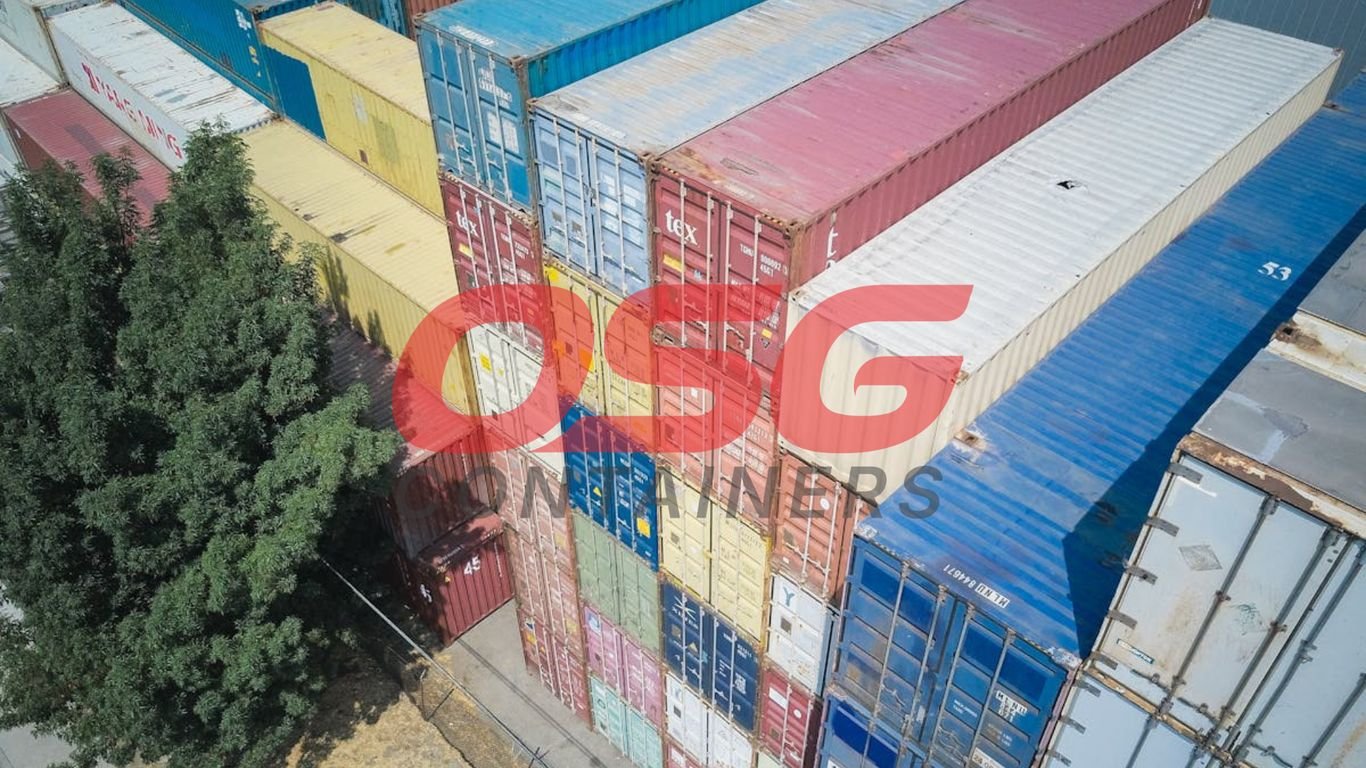
Singapore, a major hub for trade in Southeast Asia, sees a lot of goods moving through its ports every day. Among these goods are liquids and gases, often transported in specialized containers. One type that’s become really important for this kind of transport is the ISO container tank. These aren’t your average shipping boxes; they’re built specifically to handle bulk liquids safely and efficiently. You’ll see them moving everything from chemicals to food products, and their design makes them super useful for getting things from one place to another, whether that’s across town or across the ocean.
Key Takeaways
- ISO tank containers are standardized metal frames with an inner tank, built to move liquids and gases globally across ships, trains, and trucks without needing to transfer the cargo.
- These tanks are made from strong materials like stainless steel, often with insulation and a protective outer shell, and include safety features for pressure and leak prevention.
- Key uses include transporting petrochemicals, industrial chemicals, and sensitive items like food and pharmaceuticals, with growing applications in advanced manufacturing.
- The intermodal design allows for easy switching between transport methods, making them ideal for hazardous materials and specialty chemicals, while capacity and regulations are important considerations.
- Proper maintenance, secure storage, and strict adherence to safety features and international regulations are vital for the longevity and safe operation of an iso container tank.
Understanding ISO Tank Container Design And Construction
When you see those big metal boxes moving liquids and gases around the globe, chances are you’re looking at ISO tank containers. These aren’t just any old shipping containers; they’re specialized pressure vessels built to strict international standards, which is what the "ISO" part signifies. This standardization is a huge deal because it means they fit right into the existing global transport system – ships, trains, and trucks can all handle them using standard equipment. This makes moving goods across borders way simpler.
The Standardization Of Global Transport
The beauty of ISO tank containers lies in their uniformity. They are designed to fit within the dimensions of standard shipping containers, typically the 20-foot variety, though larger capacities exist. This means they can be stacked, loaded, and unloaded using the same gear as dry cargo containers. This intermodal compatibility is what truly makes global logistics tick, allowing for a smooth transition of cargo from one mode of transport to another without needing to transfer the product itself.
Materials And Manufacturing Process
Building an ISO tank container is a serious undertaking. It starts with the inner vessel, which is almost always made from high-grade stainless steel, like 316L. This material is chosen for its strength and its resistance to corrosion, which is super important when you’re carrying a wide range of chemicals or food products that could otherwise damage the tank or contaminate the contents. After the inner tank is formed, it’s usually wrapped in insulation to help maintain a stable temperature for the product inside. This is then covered by a protective outer shell, often made of aluminum, to guard against physical damage during transit. Finally, this whole assembly is fitted into a robust steel frame that looks like a standard shipping container frame, complete with corner castings for easy handling.
Essential External Components
Beyond the main tank and frame, several external components are vital for the operation and safety of iso tanks containers:
- Manways: These are openings on the top of the tank, allowing for inspection, cleaning, and access for loading or unloading.
- Valves: ISO tank containers are equipped with various valves, including top and bottom discharge valves for product transfer, and airline valves used for pressurizing the tank to aid in discharge.
- Pressure Relief Devices: These are critical safety features, including pressure/vacuum relief valves that automatically vent excess pressure or vacuum to prevent tank damage or rupture. They are often grouped together in a protective housing.
- Frame and Fittings: The external steel frame provides structural integrity and includes the standard corner fittings that allow the tank to be secured and handled by port equipment and transport vehicles.
The design of these tanks is a careful balance. It needs to hold a lot of product, keep it at the right temperature if needed, and survive the rough and tumble of global shipping. Every part, from the steel used to the placement of the valves, is thought out to make sure things move safely and without issues.
Here’s a quick look at typical capacities:
| Tank Size (Equivalent) | Typical Volume (Liters) | Typical Volume (US Gallons) |
|---|---|---|
| 20ft | 21,000 – 26,000 | 5,500 – 6,800 |
| 40ft (less common) | Up to 45,000 | Up to 11,900 |
These capacities mean that a single iso tank container can move a significant amount of liquid, making it a very efficient option compared to drums or smaller containers.
Key Use Cases Driving ISO Tank Container Adoption
When you look at how goods move around Singapore and the wider region, ISO tank containers pop up in a lot of places. They’re not just for one type of product; their versatility is a big reason why they’re so popular.
Petrochemical And Industrial Chemical Transportation
This is probably the biggest area where ISO tanks shine. Think about all the chemicals, solvents, and raw materials that keep factories running. These aren’t things you can just chuck in a regular box. They need to be kept safe, clean, and contained, especially when they’re moving through busy ports and across different transport modes. ISO tanks are built for this. They offer a closed system, which means less chance of spills or contamination. This is super important for hazardous materials, but also for sensitive industrial chemicals where purity matters a lot.
- Reduced contamination risk: The sealed nature of the tank keeps out dust, moisture, and other unwanted stuff.
- Handling of hazardous goods: They are designed and tested to meet strict rules for dangerous chemicals.
- Cost-effectiveness for bulk: Moving large volumes in one go is usually cheaper than many smaller shipments.
Food, Pharmaceutical, And Beverage Logistics
It might surprise some people, but ISO tanks are also a big deal in getting food and medicines from where they’re made to where they’re needed. For food products like edible oils, syrups, or even wine, hygiene is everything. Insulated tanks can keep products at the right temperature, and their easy-to-clean interiors prevent cross-contamination between different loads. The same goes for pharmaceuticals. Raw materials and even some finished products need to be transported under very specific conditions to maintain their quality and effectiveness. The ability to maintain product integrity is non-negotiable in these sectors.
- Temperature control: Many tanks have insulation or even active heating/cooling systems.
- Food-grade materials: Tanks used for food and pharma are made with specific stainless steels and finishes.
- Compliance with health standards: They meet strict international rules for transporting sensitive goods.
Emerging Applications In Advanced Manufacturing
As technology marches on, so does the need for specialized transport. Think about the materials needed for making semiconductors or advanced batteries. These often involve super-pure chemicals or precursor materials that are sensitive to air, moisture, or even slight temperature changes. ISO tanks are being adapted to handle these high-tech needs. This includes features like specialized valves, inert gas blanketing to keep the contents from reacting with the air, and even systems for tracking the exact conditions during transit. It’s a growing area, showing just how adaptable these containers really are.
The demand for specialized tank solutions is on the rise, driven by industries that require precise control over their supply chains. This includes direct temperature management, detailed traceability, and adherence to stringent hazardous material standards, all of which ISO tanks are increasingly equipped to provide.
The Intermodal Advantage Of ISO Tank Containers
Seamless Transition Across Transport Modes
So, you’ve got a shipment of, say, industrial solvents that needs to get from a factory in Singapore to a customer in, well, anywhere else. Instead of messing around with multiple containers or specialized trucks, an ISO tank container makes this whole process way simpler. Because it’s built to those international ISO standards, the same tank can hop onto a ship, then a train, and finally a truck without anyone needing to transfer the actual liquid or gas. This means the cargo stays put, reducing the chances of spills or contamination. It’s like a universal adapter for shipping – one container, multiple ways to move it.
Ideal For Hazmat And Specialty Chemicals
When you’re dealing with stuff that’s a bit tricky, like hazardous materials or super-pure chemicals for pharmaceuticals, you really don’t want to take chances. ISO tanks are designed with this in mind. They’re typically made from high-grade stainless steel, which doesn’t react with most substances, keeping your product clean and safe. Plus, they have all sorts of safety features built-in, like pressure relief valves and secure sealing systems. This makes them a go-to choice for moving things that regular containers just can’t handle.
Capacity And Regulatory Considerations
One of the big wins with ISO tanks is their capacity. A standard 20-foot tank can hold a good chunk of liquid – think around 21,000 to 26,000 liters. That’s a lot more than you can fit in a bunch of smaller drums, which often makes it more cost-effective for bulk transport. However, you can’t just put anything in any tank. There are different ‘T-codes’ and regulations that dictate what kind of product can go into which type of tank, especially when it comes to pressure and temperature requirements. It’s important to know these rules to keep everything legal and safe.
- Standardization: Follows ISO 1496-3 standards for global compatibility.
- Capacity: Typically 21,000-26,000 liters, offering bulk transport efficiency.
- Safety: Built with robust materials and pressure management systems for hazardous goods.
- Versatility: Can be transported via sea, rail, and road without cargo transfer.
The ability to move a single tank across different transport modes without unloading the product is a major benefit. It cuts down on handling, reduces the risk of spills, and speeds up the overall transit time. This intermodal capability is a big reason why ISO tanks are so popular for international shipments of bulk liquids and gases.
Market Dynamics And Growth Opportunities
Drivers In The Asia Pacific Region
The Asia Pacific region is really shaking things up in the ISO tank container world. A big reason for this is the surge in petrochemical and specialty chemical trade. Since the pandemic, companies have been rethinking their supply chains, setting up more local production, and that means more bulk liquids moving around. Think China, India, and Southeast Asia – they’re all seeing increased demand for reliable transport. Leasing companies and logistics providers are beefing up their fleets to keep up, which is good for business all around.
Infrastructure Challenges And Opportunities
Now, it’s not all smooth sailing. A major hurdle across many parts of Asia is the lack of specialized cleaning, inspection, and maintenance facilities. These tanks, especially for hazardous or food-grade stuff, need proper turnaround points to meet strict rules. Building these places costs a lot and needs special know-how and permits. This shortage can slow things down, making fleets take longer to get back in service and costing companies more in the long run.
The push for better infrastructure isn’t just about fixing problems; it’s about creating new hubs for efficient and compliant tank container operations. Investing in these facilities can significantly reduce turnaround times and operational costs.
The Role Of Digitalization And Smart Technology
This is where things get really interesting. The future is definitely digital. We’re seeing a big push towards smart tank containers, using things like IoT sensors and telematics. This tech allows for real-time tracking of where the tanks are and what condition they’re in. It also opens the door for predictive maintenance, meaning we can fix potential issues before they become big problems. Countries like Singapore and South Korea are already investing heavily in digital port ecosystems, which will make using these smart tanks even easier and more effective.
Here’s a quick look at some market trends:
- Standard ISO Tanks: Still hold the biggest chunk of the market, around 52%, because they’re the go-to for bulk chemicals and food-grade liquids.
- Reefer and Insulated Tanks: These are gaining ground, especially for transporting temperature-sensitive items like pharmaceuticals and edible oils.
- Smart Tanks: The fastest-growing segment, thanks to the demand for real-time data and proactive maintenance.
Maintenance, Storage, And Operational Best Practices
Routine Maintenance And Inspection Schedules
Keeping your ISO tank containers in good working order is pretty straightforward, but it needs to be done consistently. Think of it like taking care of a car; you wouldn’t skip oil changes or ignore a strange noise, right? It’s the same with these tanks. Regular check-ups help catch small problems before they become big, expensive headaches. This means:
- Visual Checks: Just a good old look-over. Check the outside for dents, rust, or frame damage. Peek inside if you can for corrosion or gunk buildup.
- Component Testing: Make sure all the parts work. This includes pressure relief valves, seals on hatches and valves, and any heating or cooling systems.
- Pressure Testing: Periodically, the tank needs a pressure test to confirm it’s still solid. This is usually scheduled based on the tank’s age and what it usually carries.
- Documentation: Keep records of inspections, maintenance, and repairs. This history is key for planning and showing you’re following the rules.
Consistent, thorough inspections are the backbone of safe ISO tank operation. They help prevent leaks, structural failures, and other accidents that could be costly and dangerous.
Secure Storage Facility Requirements
When an ISO tank isn’t on the move, where it sits matters. You can’t just leave them anywhere. Proper storage protects the tank, its contents, and the environment. It’s not just about finding an empty spot; it’s about having a safe, designated area. Good storage areas usually have:
- Ventilation: Especially for volatile substances, good airflow prevents fume buildup and keeps temperatures steady.
- Protection: Ideally, storage areas are covered or at least not prone to flooding or extreme temperatures. Some places have containment systems for leaks.
- Security: Prevent unauthorized access. Fencing and controlled entry points are common.
- Accessibility: While secure, the area needs to be easy for maintenance, loading/unloading, and emergency crews to get to. Clear pathways are a must.
Proper storage is about protecting the tank itself, the product inside, and the surrounding environment. It’s not just about finding an empty patch of ground; it’s about having a designated, safe spot.
Ensuring Longevity And Operational Safety
Beyond regular checks and good storage, a few other things help your tanks last and stay safe. First off, cargo compatibility is non-negotiable. You absolutely must confirm that what you’re putting in the tank is compatible with the tank’s material and that the tank is clean enough. If you’re hauling food-grade products, you can’t have any chemical residue from a previous trip. This means thorough cleaning between loads, sometimes using steam or special chemicals, depending on what was in there before and what’s going in next. It’s all about keeping the product pure and avoiding dangerous reactions.
Then there’s personnel training. Nobody wants to be the person who messes up and causes a big problem, right? So, making sure everyone who handles an ISO tank knows their stuff is really important. This isn’t just about knowing how to connect hoses; it’s about understanding the risks and how to handle them. Training should cover:
- Container Basics: Understanding the different parts of the tank and how they work.
- Cargo Specifics: Knowing the properties of the material being transported – is it flammable? Corrosive? What are the risks?
- Handling Procedures: Step-by-step guides for safe loading, unloading, and securing the tank.
- Inspection Protocols: How to spot potential issues during checks.
- Emergency Actions: What to do if something goes wrong, like a leak or spill.
Finally, emergency preparedness is key. Even with the best training and equipment, things can happen. Having a clear plan for emergencies is like having a fire extinguisher – you hope you never need it, but you’re glad it’s there if you do. This plan should outline how to contain a problem, get people to safety, and who to call. It’s about preventing further harm to people and the environment.
Safety Features And Regulatory Compliance
When you’re moving liquids and gases around, especially in a busy place like Singapore, safety has to be top of mind. It’s not just about following rules; it’s about making sure everyone stays safe and your cargo arrives in one piece. ISO tank containers are built with a lot of safety features in mind, and staying on top of the regulations is a big part of that.
Critical Pressure Management Devices
These tanks are designed to handle pressure, but sometimes things can go wrong. That’s where pressure and vacuum relief valves, often called P/V valves, come in. These are like the tank’s safety net. If the pressure inside builds up too much, maybe because of temperature changes, the valve opens up to let some of it out. It also works the other way, opening if the pressure drops too low, which could otherwise cause the tank to collapse. It’s a pretty clever bit of engineering that stops the tank from getting into a dangerous state. You’ll also find airline valves, which aren’t for breathing but for adding air or gas to help with unloading the product. These are usually grouped together, often in a protective housing, making them easier to check and maintain.
Valve and Seal Integrity for Leak Prevention
Leaky tanks are a big problem, plain and simple. They can harm the environment and be dangerous for people. That’s why making sure all the valves and seals are in good shape is so important. It’s not a one-time check; it needs to be part of your regular routine. If you spot any wear and tear, or damage, you need to get it fixed right away. Using good quality replacement parts is also key – cheap parts can end up causing more trouble down the line. Think of it like this:
- Regular Inspections: Make valve and seal checks a standard part of your pre-trip and post-trip inspections.
- Prompt Repairs: Address any signs of wear, cracks, or stiffness in seals immediately.
- Quality Parts: Always use manufacturer-approved or equivalent parts for replacements.
Keeping your tank’s valves and seals in top condition is one of the most direct ways to prevent spills and ensure safe transport.
Adherence to International Standards
Moving goods internationally means you’re dealing with a lot of different rules. Organizations like the International Maritime Organization (IMO) and national bodies like Singapore’s Land Transport Authority (LTA) set standards for how these tanks should be built, used, and what they can carry. You need to make sure your tank meets all the design and testing requirements for the specific cargo and the routes it will travel. This isn’t just about avoiding fines or having your shipment held up; it’s about proving your equipment is safe and reliable. Proper labeling and documentation are part of this too. This includes:
- Cargo Declarations: Clearly stating what’s inside, especially if it’s hazardous.
- Shipping Papers: The basic record of the shipment’s journey.
- Inspection Certificates: Proof that the tank has been checked and is safe.
- Regulatory Approvals: Any specific permits needed for the cargo or destination.
Wrapping It Up
So, when you look at how things work here in Singapore, it’s pretty clear that ISO tank containers are more than just big metal boxes. They’re a solid choice for moving all sorts of liquids and gases safely and without a fuss. From keeping chemicals secure to making sure food products arrive fresh, these tanks just get the job done. They fit right into our busy port and logistics scene, making transport smoother. It’s not just about the tanks themselves, but how they help businesses here keep things moving, stay compliant, and handle their goods responsibly. For anyone in Singapore dealing with bulk liquids, these containers are definitely worth considering.
Frequently Asked Questions
What exactly is an ISO tank container?
Think of an ISO tank container as a super strong metal tank inside a standard metal frame, like the ones you see on big ships. The ‘ISO’ means it’s made to worldwide rules, so it can easily be moved around the globe using regular cranes and trucks. It’s designed to safely carry liquids, gases, or even powders.
Why are ISO tanks built so tough?
These tanks need to be really strong because they travel long distances and get moved around a lot. They’re made from tough stuff like stainless steel to avoid getting damaged, prevent leaks, and keep whatever they’re carrying pure, especially if it’s food or medicine. They also have to handle being stacked high on ships and moved by heavy equipment.
What kinds of things can be shipped in an ISO tank?
Lots of different things! ISO tanks are perfect for moving liquids like chemicals, oil, and fuel. They’re also used for food products like cooking oil and juices, and even for medicines. Some special tanks can even carry gases.
How do ISO tanks help make shipping easier?
Because they follow international standards, ISO tanks can be easily switched between ships, trains, and trucks without having to unload the cargo. This makes moving goods around the world much faster and simpler. It’s like having a universal adapter for shipping!
What safety features do ISO tanks have?
Safety is a huge deal! ISO tanks have special valves that automatically release extra pressure if it builds up inside, preventing explosions. They also have strong seals on all openings to stop leaks. Regular checks and maintenance are also key to keeping them safe.
Are ISO tanks good for the environment?
Yes, they can be! By carrying large amounts of liquid at once, they reduce the number of trips needed compared to smaller containers like drums. This means less fuel is used and fewer emissions are released. Plus, they’re built to be used over and over again for many years.