Singapore
 Australia
 Indonesia
 Japan
Japan Malaysia
 New Zealand
 Philippines
 South Korea
 Taiwan
 Thailand
 VIETNAM
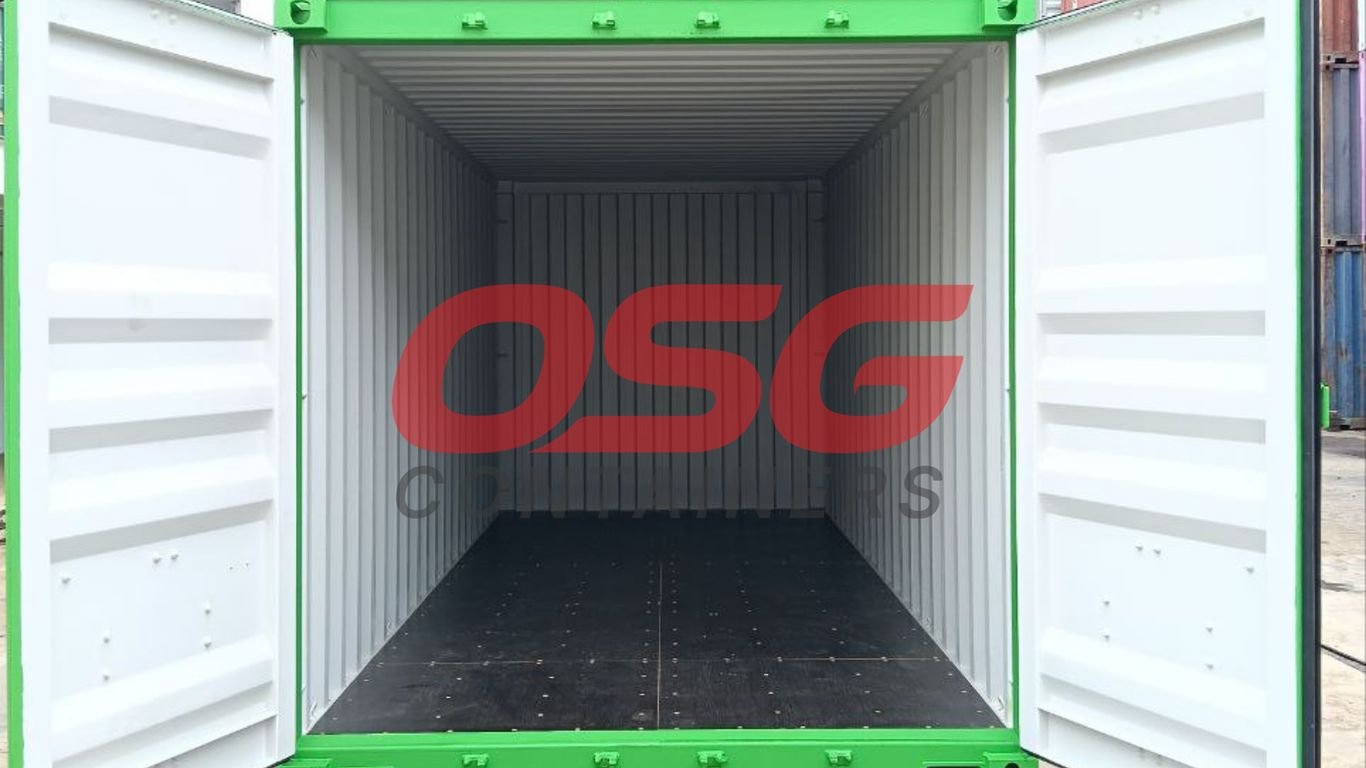
So, you’re looking into getting a shipping container in Singapore, huh? It seems pretty straightforward – you need a box to put stuff in. But let me tell you, there’s more to it than just picking the biggest one you see. A lot of folks get this wrong, thinking any old container will do, and then they end up with a headache. We’re going to talk about container size capacity and what most people miss, so you don’t make the same mistakes.
Key Takeaways
- A 40ft container offers about double the space of a 20ft, but it needs more room to be delivered and placed. The 20ft is easier to fit in tight spots and usually costs less upfront.
- Don’t just think about volume; consider the weight limits. A 20ft container is often better for heavy items, while a 40ft is suited for bulkier, lighter goods, as their maximum cargo weights aren’t that different.
- When figuring out space, remember the delivery truck needs extra room. A 20ft needs about 60 feet of clear space for delivery, while a 40ft needs closer to 100 feet.
- High cube containers give you extra height, which is great for specific projects like offices or storing tall items. But, check for overhead clearance issues at your site and during transport.
- Think about your future needs. If you plan to expand your storage or business, getting a slightly larger container now, like a 40ft, might save you money and hassle later compared to needing a second container.
Understanding Container Size Capacity Nuances
When you’re looking at shipping containers in Singapore, it’s easy to think it’s just about picking a 20-foot or a 40-foot box. But honestly, there’s a bit more to it than just the length. You really need to think about what you’re going to do with it, both now and maybe down the line. Getting this wrong can lead to a lot of headaches, like paying for space you don’t use or, worse, finding out your stuff just won’t fit.
Evaluating Your Long-Term Storage Goals
Before you even start looking at dimensions, take a moment to consider your future. Are you planning to expand your business inventory? Might you need extra space for a hobby project that could grow? Thinking ahead can save you from having to upgrade or buy a second container later on. It’s about making sure the container you choose today still works for you a year or five years from now.
Assessing Your Specific Requirements
What exactly are you storing? Are we talking about bulky furniture, heavy machinery, or stacks of boxes? The nature of your goods plays a big role. Dense items might hit weight limits before they fill up the space, while lighter, bulkier items might make you wish you had more height or length. You also need to consider how you’ll access the items. Will you need to get in and out frequently, or will it be a one-time load?
Making the Informed Choice
So, how do you put it all together? It’s about matching the container to your life or business. Don’t just grab the biggest one because you think more space is always better. Look at the actual usable space, consider the weight limits, and think about where it’s going to sit. Making the right choice upfront means less hassle and more value in the long run.
Here’s a quick way to think about what fits:
- 20ft Container: Good for the contents of a small apartment, around 100 medium-sized boxes, or heavy, compact items like machinery parts or building materials.
- 40ft Container: Suitable for a larger home’s contents, significant business inventory, or bulky but lighter goods like furniture or large appliances.
Remember, the external dimensions don’t tell the whole story. The internal space is what truly matters for your storage needs, and it’s always a bit less than the outside measurements due to the container walls.
Key Differences in Container Dimensions and Volume
When you’re looking at shipping containers, it’s easy to think "bigger is always better," but that’s not always the case. The actual measurements and how much space you get inside can really change things. It’s not just about length; width and height play a part too, even if they seem standard across the board. Let’s get into the nitty-gritty of what makes a 20-foot container different from a 40-foot one, volume-wise.
Standard External and Internal Measurements
Most people know containers come in 20ft and 40ft lengths, but the width and height are pretty consistent. They’re designed to fit on ships and trucks, after all. A standard container is about 8 feet wide and 8.5 feet tall on the outside. The inside, though, is a bit less because of the walls. This is where you start losing space, and it adds up.
Here’s a quick look at the typical dimensions:
| Container Size | External Length | External Width | External Height | Approx. Internal Volume (cu ft) |
|---|---|---|---|---|
| 20ft Standard | 20′ | 8′ | 8.5′ | ~1,170 |
| 40ft Standard | 40′ | 8′ | 8.5′ | ~2,390 |
Notice how the 40ft container is almost exactly twice the length of the 20ft. The width and height are the same, so all that extra space comes from that extra 20 feet of length.
Comparison of Storage Volumes
So, what does that volume difference actually mean for your stuff? A 20ft container can hold roughly the contents of a small apartment, maybe a one or two-bedroom place. Think around 100 medium-sized moving boxes, plus some furniture. It’s a decent amount of space for personal moves or smaller business inventory.
A 40ft container, on the other hand, is a whole different ballgame. You’re looking at space comparable to a large house, maybe four bedrooms. This is where you’d store large equipment, significant business stock, or enough belongings for a bigger family move. The 40ft container offers nearly double the storage capacity of a 20ft, making it a more efficient choice for large volumes if you have the space to accommodate it.
The Impact of Length on Total Capacity
It really boils down to that length. Since the width and height are pretty much fixed across standard containers, the extra 20 feet in a 40ft unit is where all the extra volume comes from. This means if you have items that are unusually wide or tall, a standard 20ft or 40ft container won’t help much – you’d need to look at high cube options for that. But for most general storage and moving needs, it’s the length that dictates how much you can fit. If you’re trying to maximize your storage space and minimize the number of containers you need, the 40ft is usually the way to go, provided you can handle its size.
When you’re comparing container sizes, remember that the listed dimensions are external. The internal space is always less due to the container’s walls, doors, and flooring. Always factor in this reduction when calculating how much will actually fit inside.
Weight and Load Capacity Miscalculations
When you’re looking at shipping containers, it’s easy to get caught up in just the length and width, thinking about how much stuff will physically fit inside. But honestly, the weight capacity is where things can get tricky, and it’s a common point of confusion for buyers. You can’t just assume that because a container is bigger, it can hold double the weight.
Tare Weight and Payload Explained
Every container has two key weight figures you need to know: the tare weight and the payload capacity. The tare weight is simply the weight of the container itself when it’s completely empty. Think of it as the container’s own heft. The payload capacity, on the other hand, is the maximum weight of the goods you’re allowed to load into it. It’s what you can actually put inside without exceeding safety limits.
Here’s a general idea of what these numbers look like:
| Container Size | Approximate Tare Weight (lbs) | Approximate Payload Capacity (lbs) |
|---|---|---|
| 20ft Standard | 5,000 – 5,100 | 47,800 – 55,100 |
| 40ft Standard | 8,265 – 8,270 | 58,900 – 61,200 |
Notice something interesting? A 40ft container has a lot more space, but its maximum cargo weight doesn’t quite double compared to a 20ft. This means if you’re moving dense items, like bricks or metal, a fully loaded 20ft container might actually weigh more than a 40ft container carrying the same type of goods. It’s a bit counterintuitive, right?
Weight Limits for 20ft vs. 40ft Containers
This difference in weight capacity has practical implications. A 20ft container is often the better choice for heavy, compact cargo because you can load it up to its weight limit more easily. If you’re shipping items that are bulky but not particularly heavy, a 40ft container makes more sense. You might find yourself hitting the weight limit on a 40ft container before you’ve even filled up half the space with lighter goods.
Maximum Cargo Weight Considerations
Exceeding these weight limits isn’t just a minor inconvenience; it can lead to some serious problems. You could face hefty fines, delays at ports, or even dangerous situations if a container is overloaded and causes issues during transport. It’s not just about the container itself, either. Road regulations, port authorities, and even the lifting equipment used to move the containers all have their own weight restrictions. For instance, the maximum gross weight for a loaded 20ft or 40ft container on the road is typically around 67,200 lbs, which includes the truck and chassis.
Always remember that these figures are general guidelines. The exact tare weight and payload capacity can vary slightly depending on the manufacturer and the specific construction of the container. It’s always best to check the container’s specific data plate for the most accurate information before you load it up.
So, when you’re planning your storage or transport, don’t just think about volume. Really consider the weight of your items and how they’ll distribute within the container. It’s a detail that can save you a lot of hassle and expense down the line.
Site, Access, and Placement Factors
Space and Clearance Requirements for Delivery
So, you’ve picked out a container size, but have you really thought about how it’s going to get to your spot? This is where a lot of people get tripped up. It’s not just about the container’s footprint; you’ve got to account for the delivery truck and the driver’s need to maneuver it into place. Think of it like trying to park a really long car in a tight spot – you need more than just the car’s length. A 20ft container needs a good amount of space, but a 40ft unit? That’s a whole different ballgame. The truck needs room to approach, angle, and back the container down. Always measure your site and add extra space for the delivery vehicle’s path.
Here’s a rough idea of what you might need:
| Container Size | Typical Length (ft) | Minimum Clearance Needed (ft) |
|---|---|---|
| 20ft | 20 | 60 (for truck + placement) |
| 40ft | 40 | 100 (for long truck + angle) |
Remember to check for overhead obstructions like tree branches, power lines, or low awnings, and also consider fences or walls that might get in the way. Soft ground or slopes can also be a problem, especially for heavier 40ft containers.
Accessibility and Site Restrictions
Where you put the container matters, especially if you plan to access it regularly or if your location has specific limitations. Urban areas often come with their own set of challenges. You might have tight streets, limited delivery windows due to traffic or parking rules, and neighbors who aren’t thrilled about a big metal box next door. Overhead wires or low-hanging trees can also be a real headache, forcing you to place the container in a less-than-ideal spot.
Rural settings can present different issues. While you might have more open space, unpaved roads or driveways can get muddy and bog down heavy trucks, particularly after rain. You might need to level the ground or even lay down gravel to prevent the container from sinking over time. If you’re thinking about using the container as a workshop or office, consider how easy it will be to get power or internet to it once it’s in place.
Choosing the Right Size for Your Space
This all comes down to being realistic about your available area. A 40ft container offers a lot more storage, but if your site can barely fit a 20ft unit and the delivery truck, then going for the longer option is just asking for trouble. It’s better to get the slightly smaller container that you can actually place and access properly than to struggle with a unit that’s too big for the location.
Don’t just eyeball it. Get a tape measure out and map out the delivery path, not just the final resting spot. Imagine the truck turning and backing in. If it looks tight on paper, it’s probably impossible in reality.
Think about how you’ll use the container too. If you need to open both doors frequently, you’ll need space at both ends. If you’re stacking items or using shelving, consider if you’ll need room to maneuver around inside. Sometimes, a 20ft container placed in the perfect spot is far more practical than a 40ft one that’s awkwardly positioned or difficult to reach.
Optimizing for Efficiency and Cost
When you’re looking at container sizes, it’s easy to get caught up in just the upfront price. But that’s only part of the story, really. You’ve got to think about the whole picture – how much stuff you’re actually going to put in it, how often you’ll need it, and what it costs to move and store it.
Balancing Initial Purchase with Ongoing Costs
Buying a container outright or renting one involves an initial cost, sure. But don’t forget about the other expenses that pop up. Things like transportation to and from your site, any modifications you might need to make it work for your specific use, and even potential storage fees if it’s not in use all add up. Sometimes, a slightly more expensive container upfront, like a High Cube model, can actually save you money down the line. Why? Because you can fit more in it, meaning fewer trips or less overall space needed.
Value Proposition of Each Container Type
It really comes down to what you’re trying to achieve. A standard 20ft container is often the go-to for smaller jobs or when budget is the main concern. It’s cheaper to buy and move. On the other hand, a 40ft container, especially a High Cube version, offers significantly more space. This can be a huge advantage if you have a lot of items or bulky goods. You’re essentially paying for more volume, which can translate to fewer shipments and lower per-unit shipping costs.
Here’s a quick look at how volume and potential cost can stack up:
| Container Type | Length | Approx. Interior Volume (cu ft) | Relative Volume Advantage | Potential Cost Factor |
|---|---|---|---|---|
| Standard (GP) | 40 ft | 2,350 | 1x | Base |
| High Cube (HC) | 40 ft | 2,694 | ~1.15x | Higher |
Potential Cost Factors for Different Container Sizes
Beyond the sticker price, consider these points:
- Transportation: Larger containers cost more to move. A 40ft container requires a bigger truck and more fuel than a 20ft.
- Site Preparation: Do you need a special foundation or extra space for a larger unit? This can add to the overall expense.
- Utilization: Are you paying for space you’ll never use? Over-specifying can be a costly mistake. Conversely, under-specifying means you might need a second container, doubling your costs.
- Modifications: If you plan to convert the container, the larger the unit, the more materials you’ll likely need for insulation, flooring, or interior walls.
The trick is to find that sweet spot. You want enough space for your needs without paying a premium for empty volume. Think about your absolute maximum storage needs, not just what you have right now. It’s about future-proofing your investment.
Choosing Between Standard and High Cube Options
When you’re looking at containers in Singapore, you’ll quickly notice there are two main types: standard and high cube. The biggest difference, and it’s a pretty significant one, is height. High cube containers give you about an extra foot of vertical space compared to their standard counterparts. This might not sound like a lot, but it can make a world of difference depending on what you’re storing or building.
Understanding Vertical Space Advantages
That extra foot of height in a high cube isn’t just a minor detail; it translates directly into more usable volume. For a 40-foot container, a high cube can offer around 15% more space than a standard one. This means you can potentially fit more items, especially if they’re tall, or stack things more efficiently. For a 20-foot container, the difference is also noticeable, allowing for better utilization of that vertical dimension.
Here’s a quick look at how the volumes stack up:
| Container Type | Approx. Interior Height | Approx. Interior Volume (20ft) |
|---|---|---|
| Standard | 7.9 ft | 1,172 cubic feet |
| High Cube | 8.9 ft | ~1,350 cubic feet |
This extra vertical room is often the deciding factor for projects needing that bit of extra headroom.
Accessibility and Height Restrictions
While the extra height is great for storage, it also means you need to be mindful of where the container will be placed. Are there any overhead obstructions? Think low bridges, tree branches, or even the height of your own building’s entrance. Standard containers are generally easier to place in more confined areas due to their lower profile. Always double-check the dimensions against your site’s limitations before you commit.
- Measure your site: Check for any overhead obstacles.
- Consider delivery access: Ensure the truck can maneuver with a taller container.
- Think about internal use: Will people be working inside? Extra headroom can be a game-changer for comfort and safety.
When Headroom Makes a Difference
So, when is that extra foot really worth it? If you’re shipping tall machinery, furniture, or anything that needs to be stacked high, the high cube is often the way to go. It can also be a lifesaver for conversion projects, like turning a container into a home, office, or workshop, where that extra vertical space makes the interior feel much more livable. For more basic storage of standard-sized goods where height isn’t an issue, a standard container might be perfectly adequate and a bit more budget-friendly.
Ultimately, the choice between a standard and a high cube container hinges on your specific needs. If you’re dealing with tall items or require more comfortable interior space for a project, the high cube is likely the better option. For general storage where height isn’t a concern, a standard container might suffice and save you some money upfront. It’s about matching the container to the job, not just picking the biggest or most common one available for containers in Singapore.
Real-World Application of Container Size
When you’re looking at buying or renting a shipping container in Singapore, it’s easy to get caught up in the specs. But what does it all mean when you actually need to store stuff? Let’s break down how different container sizes are used in everyday life and business.
Residential Storage Needs
For most homeowners, a 20ft container is often the sweet spot. Think of it like a spacious single-car garage. It’s great for:
- Storing furniture and boxes during a home renovation or move.
- Keeping seasonal items like holiday decorations or outdoor gear safe.
- Safeguarding tools, gardening equipment, or bicycles.
The compact size of a 20ft container makes it manageable for most residential driveways and properties in Singapore. It’s easier to get delivered and positioned without taking up your entire yard. If you’re just decluttering or need temporary overflow space, this is usually the way to go.
Choosing the right container size for your home isn’t just about fitting your belongings; it’s also about fitting your property and local access rules. Always measure your space and consider delivery truck maneuverability before you commit.
Industrial and Commercial Uses
Businesses often need more space, and that’s where the 40ft container shines. Its larger capacity is ideal for:
- Warehousing excess inventory or bulk goods for retail.
- Storing construction site equipment, materials, and tools.
- Setting up temporary offices or workshops on-site.
- Receiving large shipments from suppliers.
While a 40ft container offers more storage volume for your money, it demands more space for delivery and placement. You’ll need to ensure your site can accommodate the longer truck and the container itself, especially if there are tight turns or limited access points. For businesses in Singapore, planning for delivery logistics is just as important as the storage capacity itself.
Examples for 20ft and 40ft Containers
To give you a clearer picture, here’s a quick look at what each size can typically hold:
| Use Case | 20ft Container (Approx.) | 40ft Container (Approx.) |
|---|---|---|
| Queen Beds | 2 | 4+ |
| Sofa Sets | 1 | 2+ |
| Medium Boxes | 100 | 200+ |
| Pallets (48"x40") | 8-10 | 18-20 |
| Small Business Stock | Limited | Substantial |
When you’re evaluating your needs for a container in Singapore, think about not just what you need to store now, but also potential future growth. A 40ft container might seem like overkill for a small shop today, but if you’re planning to expand your product line, it could save you the hassle of upgrading later. Conversely, if space is tight, a 20ft container might be your only practical option, and you might need to be more strategic about how you pack it.
So, What’s the Takeaway?
Look, picking the right container size in Singapore isn’t just about grabbing the biggest box available. It’s really about thinking through what you’re actually going to put inside, where it needs to go, and what makes the most sense for your wallet and your sanity. A 20ft might seem small, but it’s often easier to handle and fits into tighter spots. On the other hand, that 40ft gives you a lot more room, but you’ve got to make sure you have the space for it to be delivered and placed. Don’t forget about weight limits, especially if you’re moving dense stuff. Honestly, talking to a pro can save you a ton of guesswork and potential headaches down the road. Get it right the first time, and you’ll avoid a lot of hassle.
Frequently Asked Questions
What’s the main difference between a 20ft and a 40ft container?
Think of it like this: a 40ft container is pretty much double the size of a 20ft container, giving you way more room. However, the 40ft needs a lot more space to be delivered and placed, while the 20ft is easier to fit into tighter spots.
Can a 40ft container hold twice as much weight as a 20ft container?
Surprisingly, no. Even though a 40ft container has double the space, its maximum weight capacity isn’t double that of a 20ft. This means if you’re storing heavy items like bricks, a 20ft container might actually be better for reaching its weight limit before it’s full.
Do I need a lot of space to get a container delivered?
Yes, you do! It’s not just about the container’s size. The delivery truck needs extra room to maneuver and drop it off. For a 40ft container, you’ll need a much longer clear space than for a 20ft one. Always measure your spot carefully before the truck arrives!
What is a ‘High Cube’ container?
A ‘High Cube’ container is just like a standard container, but it’s about a foot taller on the inside. This extra height is super handy if you’re storing tall items, setting up an office inside, or just want a more open feel. However, make sure you have enough overhead clearance for it.
Is it better to buy a new or used container?
It depends on your budget and needs. New containers are in great shape but cost more. Used containers are cheaper, but you should check them carefully for any damage. For basic storage, a good used one can be a great deal.
How do I know which size container is best for my business?
Consider what you’ll be storing and if your business plans to grow. If you have a lot of bulky items or expect your inventory to increase, a 40ft container might be a good investment. For smaller stock or a pop-up shop, a 20ft might be sufficient and easier to manage.