Singapore
 Australia
 Indonesia
 Japan
Japan Malaysia
 New Zealand
 Philippines
 South Korea
 Taiwan
 Thailand
 VIETNAM
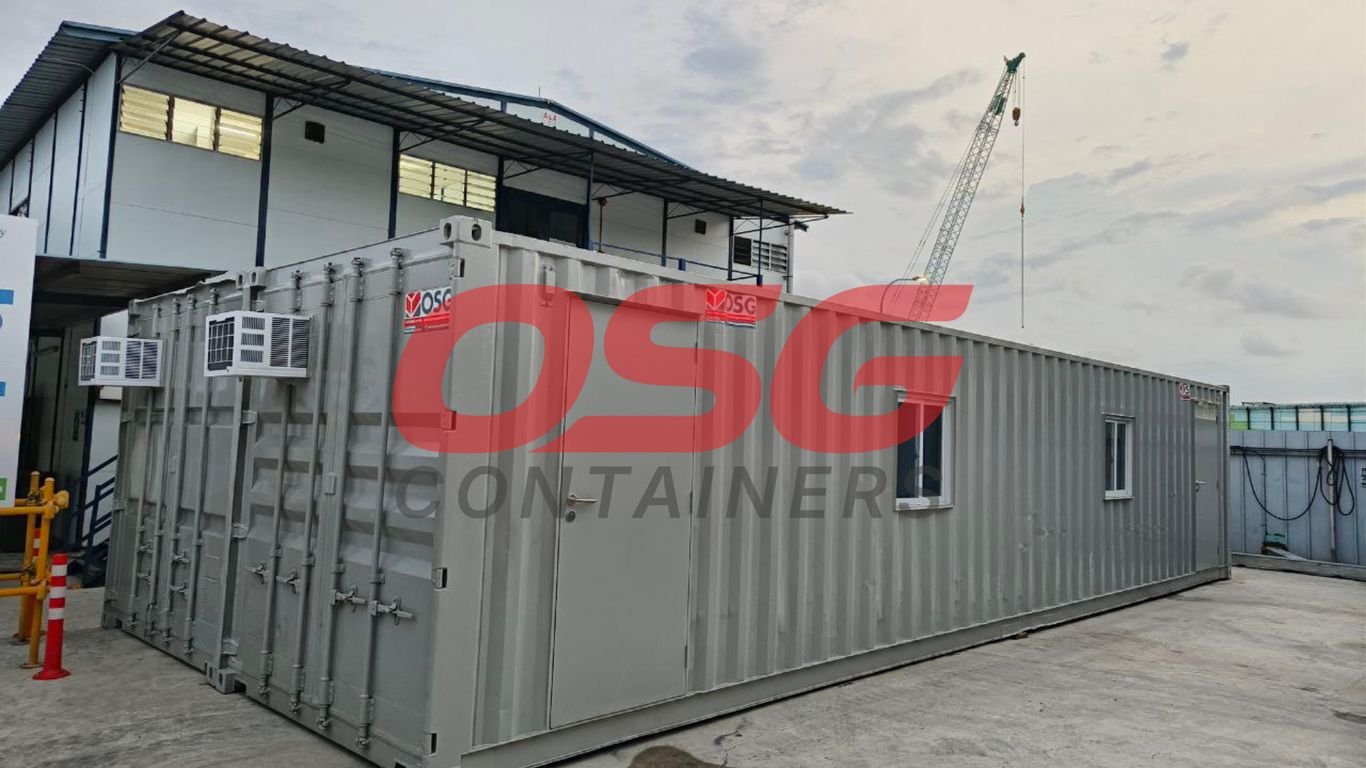
When you need a workspace that can keep up with your project, especially when it’s far from the usual conveniences, a container office really starts to make sense. These aren’t just metal boxes; they’re smart solutions that can be set up pretty quickly. Think about it – you can get a functional office space without the huge hassle of building something from scratch in a remote spot. It’s all about getting the job done efficiently, no matter where that job takes you.
Key Takeaways
- A container office offers a flexible and fast way to set up a workspace, especially in remote or hard-to-reach locations.
- Choosing the right spot for your container office involves checking the ground, thinking about sunlight, and making sure it’s easy to get to.
- Maximizing natural light with smart window placement and reflective surfaces can make your container office a more pleasant place to work.
- Container offices are great for off-grid setups, able to handle tough conditions and be equipped with sustainable power and water systems.
- Industries like construction, energy, and event management find container offices ideal for temporary or mobile operational needs.
The Strategic Advantages Of Container Offices In Remote Operations
When you’re running operations far from the usual city bustle, having a solid, reliable workspace is key. That’s where an office in a container really shines. These aren’t just old shipping boxes; they’re smart, adaptable solutions built for the challenges of remote work. Think about it: instead of waiting months for a traditional building, you can have a functional office set up in weeks. This speed is a game-changer for projects that need to get off the ground quickly.
Unlocking Flexibility With Mobile Workspaces
One of the biggest wins with container offices is how easy they are to move. Projects change, teams shift, and sometimes you just need to be closer to the action. A container office can be picked up and relocated without a huge fuss. This means your central hub can move with the work, keeping everyone connected and productive, no matter the location. It’s like having a portable headquarters that adapts to your business needs.
Accelerating Deployment For Immediate Needs
Need to get a site office up and running yesterday? A container office is your answer. The setup is way faster than conventional construction. Minimal groundwork is usually needed, and the units themselves are pre-fabricated. This means you can go from an empty plot to a fully equipped office space much quicker, letting your team start working sooner.
- Reduced site preparation time
- Faster installation of utilities
- Quicker overall project start
Repurposing Materials For Sustainable Solutions
Using a container for your office is also a nod to sustainability. These units are repurposed, giving them a second life instead of them sitting idle. This approach cuts down on the need for new building materials and reduces waste. It’s a practical way to build responsibly, especially when you’re working in areas where environmental impact is a bigger concern.
Choosing a container office means you’re opting for a solution that’s both practical and mindful of resources. It’s a smart move for businesses looking to be efficient and eco-conscious.
Here’s a quick look at why this matters:
| Advantage | Description |
|---|---|
| Speed | Ready for use in weeks, not months. |
| Adaptability | Can be moved to new locations as needed. |
| Resourcefulness | Utilizes existing materials, reducing waste. |
Selecting The Optimal Location For Your Container Office
Picking the right spot for your container office is a big deal, especially when you’re out in the middle of nowhere. It’s not just about finding a patch of dirt; it’s about setting up your team for success. You’ve got to think about what the ground can handle, how the sun hits the unit, and if people and supplies can actually get there.
Assessing Terrain Stability For Secure Placement
First things first, the ground needs to be solid. You don’t want your office shifting or sinking, especially after a bit of rain. A stable foundation is non-negotiable for safety and the longevity of your setup.
Here’s a quick rundown of what to look for:
- Soil Type: Sandy or loose soil might need extra work, like compacting or adding a gravel base.
- Slope: A level surface is best. If there’s a slight incline, you’ll need to account for it with leveling blocks or by grading the site.
- Underground Utilities: Always check for buried pipes or cables before you start digging or placing anything heavy.
Before you even think about delivery, get a feel for the land. Sometimes, a simple visual inspection isn’t enough. If you’re unsure, bringing in someone who knows soil testing can save you a lot of headaches down the road.
Maximizing Natural Light For A Pleasant Environment
Who wants to work in a dark box all day? Getting natural light into your container office makes a huge difference in how people feel and work. It can also cut down on electricity use.
Consider these points when choosing your spot:
- Sun’s Path: Figure out where the sun rises and sets. Orienting your container so the main windows face north or south (in the Northern Hemisphere) usually gives you more consistent light without direct, harsh sunbeams that can cause glare and heat.
- Obstructions: Look out for trees, hills, or other buildings that might block the sun for large parts of the day. An open area is usually your best bet.
- Window Placement: If you can, position the container so you can install larger windows on the sides that get the most light. This is key to making the space feel bigger and brighter.
Ensuring Accessibility For Logistics And Personnel
It doesn’t matter how great your office is if no one can get to it or if supplies can’t be delivered. Accessibility is a practical must-have.
Think about:
- Road Access: Can trucks carrying your container and other equipment reach the site easily? Are the roads wide enough and strong enough?
- Daily Commute: How will your staff get to work? Is there a safe path or parking area?
- Emergency Services: In case of an emergency, can an ambulance or fire truck get to your location quickly?
| Factor | Importance Level | Notes |
|---|---|---|
| Road Quality | High | Needs to support heavy delivery vehicles. |
| Site Proximity | Medium | How far from main routes? |
| Parking | Medium | Space for staff vehicles. |
| Emergency Access | Very High | Critical for safety and response times. |
Maximizing Natural Light Within Your Container Office
Let’s talk about making your container office feel less like a metal box and more like a pleasant place to get work done. A big part of that is natural light. It just makes a space feel bigger and more welcoming, you know? Plus, it can cut down on electricity costs for lighting during the day.
Strategic Orientation For Consistent Illumination
Where you put your container office really matters when it comes to sunlight. Positioning the longest sides of your container to face north or south is usually the best bet. This way, you get a steady amount of light throughout the day without the harsh glare of direct sun beating down on one side for hours. Think about it – you avoid those super bright spots that make it hard to see your computer screen and the dark corners that need extra lamps.
Leveraging Window Placement And Size
Windows are your best friends here. Don’t be shy about them! Bigger windows let in more light, obviously. Floor-to-ceiling windows on the sunny side can really transform the space. If you’re in the Northern Hemisphere, aim for south-facing windows. If you’re down south, then north-facing is your go-to. It’s all about catching that sun when it’s at its best.
- Consider large picture windows for main work areas.
- Add smaller windows in private offices or storage areas.
- Think about clerestory windows (high up on the wall) to bounce light off the ceiling.
Utilizing Interior Reflective Surfaces And Skylights
Once the light is coming in, you want it to spread around. Light-colored walls and ceilings are a no-brainer; they bounce light everywhere. Think whites, light grays, or pale blues. Mirrors can also be a great trick – place them opposite windows to really amplify the brightness. And don’t forget about skylights! They’re like a direct line to the sun from above, making even the back corners of your container office feel bright and airy.
Getting the light right isn’t just about comfort; it can actually impact how productive people feel. A well-lit space just feels better to work in.
Here’s a quick look at how different interior choices can affect light:
| Surface | Light Color Example | Reflectivity Impact |
|---|---|---|
| Walls | Off-white | High |
| Ceiling | Pale Yellow | Very High |
| Floor | Light Wood | Medium |
| Furniture | Light Gray | Medium |
Container Offices As Ideal Off-Grid Solutions
When you need a workspace far from the usual power lines and water mains, container offices really shine. They’re built tough, like the shipping containers they come from, so they can handle pretty rough weather. This means you can set them up in remote spots without worrying too much about the elements.
Withstanding Harsh Conditions With Robust Design
These aren’t flimsy sheds. Container offices are made from strong steel, designed to be stacked and moved across oceans. That means they’re naturally good at resisting wind, rain, and temperature swings. Their sturdy construction is a big reason they work so well where traditional buildings just wouldn’t cut it.
Integrating Sustainable Technologies For Autonomy
Being off-grid doesn’t mean being out of touch or uncomfortable. You can outfit these container offices with all sorts of green tech. Think solar panels on the roof to power lights and computers, or rainwater collection systems for your water needs. It makes them pretty self-sufficient.
Here are some common off-grid tech integrations:
- Solar panel systems for electricity
- Battery storage for consistent power
- Composting toilets to reduce water usage
- Water filtration and purification systems
- Propane or diesel generators as backup power
Setting up a container office off-grid often means you can bypass a lot of the usual red tape associated with building. Plus, you’re not dependent on utility companies, which can be a huge plus in remote areas.
Cost-Effectiveness And Rapid Setup For Remote Projects
Compared to building something from scratch in a far-flung location, container offices are usually much quicker and cheaper to get up and running. You can often have one delivered and ready to go in a matter of days, not weeks or months. This speed is a lifesaver for projects that need to get started fast.
Customizing Container Offices For Challenging Environments
When you’re setting up shop in a tough spot, whether it’s a dusty construction site or a remote research outpost, your office containers need to be more than just a basic shelter. They’ve got to stand up to whatever the environment throws at them. That means thinking about how to make them comfortable and functional, even when things get rough.
Implementing Effective Insulation For Temperature Control
Keeping the inside temperature steady is a big deal, especially when you’re dealing with extreme heat or cold. Good insulation stops the outside weather from messing with your workday. Think about materials like spray foam; it really seals things up well and keeps the heat or cold from getting in. This makes a huge difference in comfort, and honestly, it helps your equipment run better too.
Selecting Durable, Weatherproof Windows And Doors
Your windows and doors are the main points where the outside can sneak in. For challenging environments, you need units that are built tough. Double-paned windows help keep the temperature stable, reducing heat loss in winter and heat gain in summer. For doors, look for ones with solid seals that keep out dust, rain, and even critters. A well-sealed, robust door is your first line of defense against the elements.
Integrating Renewable Energy And Water Systems
Being off the grid is often part of the deal in remote locations. That’s where renewable energy comes in. Solar panels are a popular choice; they can provide reliable power for lights, computers, and other essentials. You might also consider systems for collecting rainwater if a clean water source is scarce. These systems help make your office container self-sufficient, so you’re not constantly worrying about supplies.
Setting up office containers in difficult locations requires a focus on resilience. It’s not just about having a roof over your head; it’s about creating a stable and productive workspace that can handle the demands of the site and the climate. Careful planning for insulation, weatherproofing, and independent utilities is key to success.
Key Industries Benefiting From Container Offices
It’s pretty amazing how many different kinds of businesses are finding container offices super useful these days. These aren’t just for one specific job; they’re popping up everywhere because they’re just so adaptable. The main draw is getting a proper workspace set up quickly, without all the hassle of traditional building.
Construction and Industrial Site Management
For construction companies, these containers as offices are a no-brainer. You need a place to manage the site, store plans, and have a break room, right? Well, a container office can be dropped right onto the job site. It’s tough, can handle rough conditions, and when the project wraps up, you can just move it to the next one. No need to build something new each time.
- Rapid Deployment: Get an office on-site within days, not weeks or months.
- Mobility: Easily transportable between different project locations.
- Durability: Built to withstand tough site conditions and weather.
- Security: Provides a safe place for tools, equipment, and important documents.
Energy Sector and Event Coordination
Think about remote oil rigs or wind farms. Getting a traditional office out there is a huge undertaking. Container offices offer a practical solution. They can be outfitted to handle specific needs, like control rooms or temporary housing for staff. Similarly, for big events like festivals or outdoor markets, you need a central point for coordination and sales. A container office can serve as a ticket booth, a vendor hub, or an administrative center that’s easy to set up and take down.
Setting up temporary facilities in remote or temporary locations is a major challenge. Container offices solve this by providing a ready-made, secure, and adaptable workspace that can be deployed quickly and efficiently.
Temporary Administrative and Retail Needs
Businesses undergoing renovations often need a temporary spot to keep operations running. A container office can be that perfect stop-gap. It provides a professional environment for staff without disrupting the main business. Retailers are also getting creative, using them as pop-up shops or seasonal stores. They’re eye-catching and can be placed in high-traffic areas where a permanent store might not be feasible or cost-effective. Plus, you can brand them to match your company’s look.
Wrapping It Up
So, when you look at it all, container offices really do make a lot of sense for places that aren’t exactly bustling city centers. They’re tough, they can go pretty much anywhere, and you can set them up way faster than a regular building. Plus, you can tweak them to fit exactly what you need, whether that’s adding more space later or making sure they can handle rough weather. It’s a smart way to get a solid workspace up and running without a ton of hassle or a huge bill, which is exactly what you want when you’re working far from the usual conveniences.
Frequently Asked Questions
What makes container offices good for places far from cities?
Container offices are like portable buildings made from old shipping containers. They are great for remote places because you can move them easily and set them up fast. This means you don’t need to build a big, permanent office, which saves time and money when you’re working far away from regular towns.
Can I put a container office on uneven ground?
You need to make sure the ground is stable and flat before putting a container office there. The ground needs to be strong enough to hold the container so it doesn’t sink or tip over. Sometimes, you might need to do some work to make the spot ready, like leveling it out.
How do container offices get enough light inside?
To get lots of light, you can place the container office where the sun shines in. Putting big windows on the sides that get the most sun helps a lot. Painting the inside walls and ceiling with light colors also bounces the light around, making the whole space feel brighter.
Can container offices work if there’s no electricity or water hookup?
Yes, container offices can be set up to work without being connected to the main power or water lines. You can add things like solar panels for electricity and systems to collect rainwater. This makes them perfect for being totally independent in remote areas.
Are container offices strong enough for bad weather?
Container offices are made from strong steel, like the ones used to ship things across the ocean. This means they are built to handle tough weather, like strong winds and heavy rain. They are designed to be very sturdy and keep you safe inside.
Which types of jobs use container offices the most?
Many different jobs use container offices! Construction sites use them as offices for managers. Companies that work with oil and gas, or put on big events, also find them useful. They are also good for businesses that need a temporary shop or an office for a short time.