Singapore
 Australia
 Indonesia
 Japan
Japan Malaysia
 New Zealand
 Philippines
 South Korea
 Taiwan
 Thailand
 VIETNAM
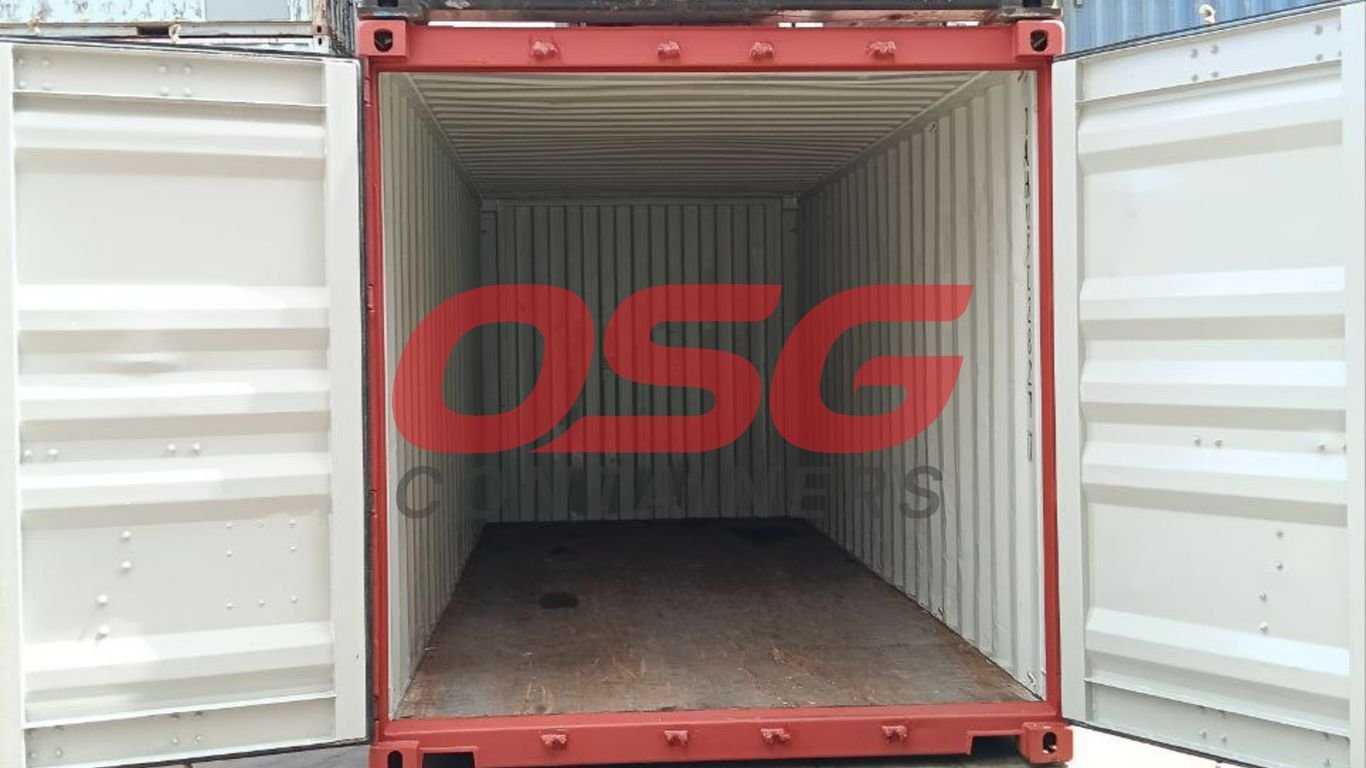
When you’ve got cargo that just won’t fit into a regular shipping container, what do you do? It’s a common problem, especially in industries dealing with big machines or building supplies. Thankfully, there’s a solution: the 40 ft container open top. This specialized container is designed to make shipping those awkward, oversized items a whole lot easier. Let’s break down what makes it special and what kind of stuff it’s best for.
Key Takeaways
- The 40 ft container open top is perfect for bulky items that are too tall or oddly shaped for standard containers, making top-loading with cranes possible.
- Its open top design, covered by a removable tarp, allows for easier loading and unloading of heavy machinery, construction materials, and industrial equipment.
- Despite the open top, the container’s strong steel build and lashing points help keep cargo secure during transit.
- Standard container dimensions mean a 40 ft container open top can still travel on ships, trains, and trucks without much fuss.
- This container type is a real help for industries like construction and manufacturing when dealing with non-standard cargo sizes, saving time and effort.
Understanding the 40 Ft Container Open Top
When you’ve got cargo that just won’t fit through a regular door, a 40 ft container open top is your go-to solution. Think of it like a standard 40-foot container, but with no solid roof. Instead, it’s covered by a heavy-duty tarpaulin that can be removed. This makes loading and unloading much simpler for certain types of goods.
Key Structural Features for Top Loading
The main thing that sets this container apart is its open top. This design feature is pretty straightforward but makes a big difference. The roof bows, which support the tarpaulin, can be taken off. This gives you a completely clear opening from the top. This is what allows for crane loading, which is often necessary for heavy or awkwardly shaped items. The container itself is built tough, usually from steel, with reinforced corners and strong lashing points inside. These points are super important for securing your cargo so it doesn’t shift around during the journey.
Dimensions and Load Capacity for Oversized Cargo
Even though the top is open, the 40 ft container open top still follows standard ISO dimensions, meaning it fits on ships, trains, and trucks just like its closed-top cousins. This makes logistics pretty smooth. The real advantage here is that you’re not limited by the height of a roof when loading. This means you can ship items that are too tall for a standard container, or items that are just too bulky to maneuver through side doors. It’s designed to handle significant weight, making it suitable for industrial machinery, large construction components, and other heavy-duty items.
The Role of Removable Roof Bows and Tarpaulins
The removable roof bows and the tarpaulin are the stars of the show when it comes to the open top design. The bows provide structure for the tarp, keeping it taut and protecting your cargo from the elements. But when it’s time to load something tall or wide, you can just unhook and remove them. Then, the tarpaulin is secured tightly over the top once everything is loaded. This cover is usually made of strong, waterproof material, offering protection against rain, dust, and general road grime. It’s not quite as secure as a fully sealed container, but it does a good job of keeping the weather out.
Choosing an open top container, whether it’s a 40 ft container open top or an open top 20ft container, means you’re prioritizing ease of loading for specific types of cargo over the complete weatherproofing of a standard container. It’s a trade-off that makes sense for many industries.
Cargo Types Suited for a 40 Ft Container Open Top
So, what kind of stuff actually needs one of these open-top containers? Basically, if your cargo is too big, too tall, or just plain awkward to get through the doors of a regular shipping container, this is your go-to. Think of it as the container for the ‘can’t fit’ items.
Machinery and Industrial Equipment
This is probably the biggest reason people look for an open-top. Large machines, generators, factory equipment, or even parts of a bigger assembly line often have dimensions that just won’t work with standard containers. Loading these heavy items from the top with a crane is way easier and safer than trying to maneuver them through a side door. Plus, you don’t have to take them apart, which saves a ton of time and hassle.
Construction Materials and Components
Building projects often involve some seriously bulky materials. We’re talking about things like large steel beams, pre-fabricated structural components, pipes, or even large blocks of stone like marble or granite. These items are usually loaded using cranes, and the open top makes that process straightforward. It’s a common sight in places like open top container Singapore depots where construction is booming.
Irregularly Shaped or Over-Height Items
Sometimes, cargo just doesn’t conform to neat rectangular shapes. Maybe it’s a piece of art, a specialized piece of industrial equipment with protrusions, or anything that’s taller than a standard container’s internal height. The open top design means you can load these items from above, and the tarpaulin cover can be adjusted to accommodate the extra height, keeping everything protected from the elements.
It’s important to remember that while the open top offers flexibility, securing the cargo properly is key. Loose items can shift, and that’s no good for anyone.
Here’s a quick rundown of what fits:
- Large industrial machinery
- Generators and turbines
- Steel coils and beams
- Construction modules
- Marble and granite slabs
- Oversized vehicle parts
- Specialized equipment with awkward shapes
Industries Benefiting from 40 Ft Container Open Top
When you’ve got cargo that just won’t fit into a standard box, certain industries really lean on the 40 ft open top container. It’s not just about being big; it’s about how you get stuff in and out.
Construction and Infrastructure Projects
Think about building a bridge or a new highway. You’ve got massive steel beams, long pipes, and pre-fabricated sections that are too tall or too awkward for a regular container. The open top lets cranes lift these directly into place. It makes moving big construction components way simpler.
- Steel girders and beams
- Large diameter pipes and conduits
- Pre-cast concrete sections
- Heavy machinery for site work
The ability to load bulky construction materials from above significantly speeds up project timelines and reduces the need for specialized lifting equipment at every stage of transit.
Manufacturing and Heavy Industry
Factories often produce large machines, industrial equipment, or parts that are already assembled. Trying to stuff a giant generator or a complex piece of manufacturing machinery into a closed container is often impossible or would require taking it apart. The open top design is a lifesaver here.
- Industrial generators and turbines
- Large metal fabrication parts
- Molds and dies for manufacturing
- Heavy-duty processing equipment
Energy and Power Sector Logistics
This sector deals with some seriously large equipment. Transformers, power generation components, and parts for renewable energy projects (like wind turbine blades, though those often need specialized transport) can be quite tall and heavy. The open top container provides a practical way to move these critical pieces.
- Large electrical transformers
- Components for power plants
- Heavy machinery for energy exploration
- Parts for infrastructure upgrades
These industries, and others dealing with oversized or heavy items, find the 40 ft open top container to be an indispensable tool for getting their goods where they need to go without a fuss.
Advantages of Using a 40 Ft Container Open Top
So, why would you pick an open-top container over a regular one? Well, it really comes down to making things easier and sometimes, cheaper, especially when you’re dealing with tricky cargo.
Loading Flexibility and Efficiency
This is a big one. With a standard container, you’re pretty much limited to loading through the doors at one end. That can be a real pain if your item is tall or just awkward to maneuver. An open-top container lets you load straight from the top. Think about using a crane to lift heavy machinery or large structural pieces directly into place. It cuts down on the time and effort needed to get things loaded, which can really speed up your whole operation. Plus, it often means less risk of damaging the cargo or the container itself during the loading process.
- Top Loading Capability: Cranes and other lifting equipment can easily access cargo from above.
- Reduced Handling Time: Less maneuvering inside the container means faster loading.
- Minimized Damage Risk: Direct top-loading can be gentler for bulky or delicate items.
The ability to load from the top isn’t just about convenience; it directly impacts how quickly and safely your goods can be prepared for transit. This efficiency can be a game-changer for tight shipping schedules.
Enhanced Cargo Security and Protection
Even though the roof is open, these containers are designed with security in mind. The strong steel walls are still there, just like a regular container. Inside, you’ll find plenty of lashing points. These are basically strong rings welded to the floor and walls where you can tie down your cargo securely. This stops things from shifting around during transit, which is super important for preventing damage. Once everything is loaded and secured, a heavy-duty tarpaulin is stretched over the top and fastened down. This cover does a great job of keeping out rain, dust, and other elements, protecting your goods from the weather.
Cost Savings for Non-Standard Shipments
Sometimes, trying to fit oversized or unusually shaped items into a standard container means you have to take them apart. That’s extra work, extra time, and extra cost for disassembly and then reassembly at the destination. Using a 40 ft open-top container often means you can ship the item as is. This can save you a significant amount of money on labor and reduce the risk of parts getting lost or damaged during the dismantling and reassembly process. It’s a smart way to handle cargo that just doesn’t fit the usual mold.
Safety and Handling Considerations for 40 Ft Container Open Top
Alright, so you’ve got this big, open-top container ready to go. It’s super handy for getting all sorts of awkward stuff loaded, but you can’t just toss things in and hope for the best. There are a few things you really need to pay attention to so your cargo arrives in one piece and nobody gets hurt.
Proper Weight Distribution and Securing
First off, how you load the container matters a lot. You don’t want all the weight piled up on one side, right? That can make the container unstable when it’s being lifted or when it’s on the move. Think about it like trying to carry a wobbly table – it’s a recipe for disaster. So, spread the load out as evenly as you can. Use those sturdy tie-down points, the ones you see all along the inside walls and floor. They’re not just decorative; they’re there to keep your cargo from sliding around. You’ll want to use strong straps or chains to secure everything tightly. The goal is to make sure your cargo acts like it’s part of the container itself, not like it’s just rattling around inside.
Secure Fastening of Tarpaulin Covers
Once everything’s loaded and secured, you’ve got to get that tarpaulin on. This isn’t just a flimsy sheet; it’s your main defense against rain, dust, and anything else the weather throws at it. Make sure it’s pulled taut and fastened down properly all around. Most tarps have grommets or loops that connect to the container’s frame or special clamps. You don’t want any loose bits flapping around, because that’s an invitation for water to get in, or worse, for the tarp to get damaged or blown off. It needs to be snug and secure, like a well-fitting lid on a pot.
Compliance with International Shipping Regulations
This part can get a bit complicated, especially if you’re shipping overseas. There are rules and regulations for pretty much everything in shipping, and containers are no exception. You need to make sure your container is properly marked, that the weight limits are respected, and that the cargo itself is packed and secured in a way that meets international standards. Different countries might have their own specific requirements too, so it’s worth doing your homework. Getting this wrong can lead to delays, fines, or your cargo being rejected. It’s always a good idea to check with your shipping provider or a customs broker if you’re unsure about any of the regulations.
When you’re dealing with an open-top container, remember that the loading process is different. You’re likely using cranes or other heavy lifting equipment. Always follow the manufacturer’s guidelines for the container and the lifting gear. Make sure the lifting points are clear and accessible, and that the operators know exactly what they’re doing. Safety first, always.
Wrapping It Up
So, when you’ve got stuff that just won’t fit into a regular box, or it’s way too heavy to wrangle through a side door, the 40-foot open-top container is your go-to. Think big machinery, awkward steel beams, or anything that needs a crane to lift it straight in. It’s a bit of a specialized tool, sure, but for the right job, it makes shipping a whole lot simpler and safer. Just remember to secure everything down tight and cover it up well with that tarp. It really does make a difference when you pick the right container for the task at hand.
Frequently Asked Questions
What kind of stuff is best for a 40 ft Open Top Container?
This container is perfect for large, heavy, or oddly-shaped items that won’t fit through the doors of a regular container. Think big machines, steel beams, or construction equipment that needs to be lifted from the top.
Will my cargo stay dry in an Open Top Container?
Yes, it will! A strong, waterproof tarp is used to cover the top, keeping rain, snow, and dust away from your belongings during the trip.
Can I use this container for shipping overseas?
Absolutely! These containers are built to meet international shipping rules, so they’re great for sending goods all around the world.
How do you get stuff into an Open Top Container?
Because the top is open, you can use cranes or other lifting machines to load your cargo from above. This makes it much easier for really big or heavy items.
Why is it called an ‘Open Top’ container?
It’s called ‘Open Top’ because it doesn’t have a solid roof like most containers. Instead, it has a removable tarp that covers the top opening.
Are there any special rules for loading these containers?
It’s important to make sure the weight is spread out evenly inside. Also, the tarp needs to be secured tightly, and you have to follow all the international shipping rules to keep everything safe and legal.