Singapore
 Australia
 Indonesia
 Japan
Japan Malaysia
 New Zealand
 Philippines
 South Korea
 Taiwan
 Thailand
 VIETNAM
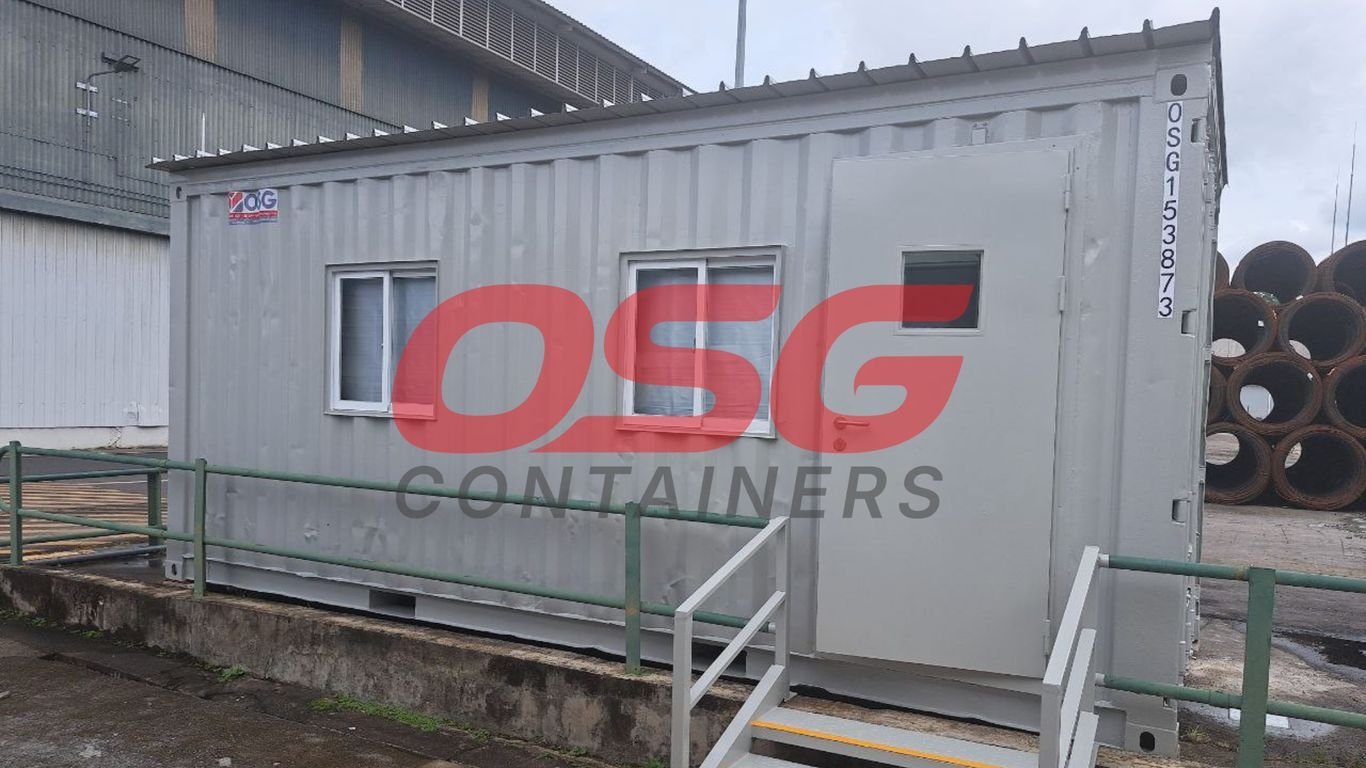
So, you’ve got a 20 foot sea container. That’s a pretty solid metal box, right? But just having it is one thing; making it actually useful is another. Whether you’re looking to store a ton of stuff, set up a workshop, or even create a little office space, there are smart ways to get the most out of that space. It’s not just about shoving things in; it’s about planning and using the space wisely. Let’s talk about how to turn that container into something that really works for you.
Key Takeaways
- Plan your loading strategy before you start filling your 20 foot sea container. Think about item sizes and how they fit together.
- Use the full height of your container by adding shelves or racks. This makes a big difference in how much you can store.
- Break down large items if you can, and always stack heavier things on the bottom for stability and safety.
- Create zones within your 20 foot sea container for different uses and keep a clear central aisle for easy movement.
- Label everything clearly and fill any empty gaps to stop items from shifting around during transit.
Maximizing Storage Within Your 20 Foot Sea Container
So, you’ve got this 20-foot sea container and you’re wondering how to cram as much as possible into it without it turning into a disaster zone. It’s a common problem, really. You want to use every bit of space, but you also don’t want to spend hours digging for something later. Let’s figure out how to make that metal box work for you.
Create A Loading Plan Based On Item Size
Before you even think about putting anything inside, grab a piece of paper and sketch out a rough plan. Knowing the general size of your items is pretty important. Think about how you’d pack a moving truck, but with a bit more permanence. You’re aiming to create a stable load that uses the whole volume. It’s not just about shoving things in; it’s about thinking ahead.
- Measure your large items: Get a general idea of the dimensions of your biggest things. This helps you see how they’ll fit together.
- Group similar items: Boxes of books can go together, furniture can be grouped, and so on. This makes planning easier.
- Consider access needs: What do you need to get to easily? Plan to put those items closer to the door.
The key to fitting more is planning. Don’t just start loading; take a few minutes to visualize how everything will fit.
Utilize Vertical Space With Shelving
Don’t let all that height go to waste! Adding shelves is a game-changer for a 20 ft sea container. You can buy pre-made shelving units or even build your own. This lets you stack items upwards, freeing up floor space and making things much more organized. Think about putting lighter, less-used items on higher shelves and heavier things lower down.
Fill Gaps For Stability
Once you’ve got your big items and boxes in place, you’ll probably have some empty spots. Don’t just leave them! These gaps are where things can shift around during transit, and that’s how damage happens. Use smaller items, blankets, old clothes, or even packing paper to fill these spaces. You want everything to be snug and secure, so nothing is rolling or tipping. A tightly packed container is a stable container.
Strategic Packing And Loading Techniques For Your 20 Foot Container
Alright, so you’ve got your 20-foot container, and now it’s time to actually get stuff into it. This isn’t just about shoving things in and hoping for the best. A little planning goes a long way here, and it can seriously make the difference between fitting everything you need and having to leave some things behind. Let’s get into how to pack smart.
Break Down Large Items
This is a big one, especially if you’re moving furniture. Think about that big couch or that bed frame. If you can take it apart, do it. A disassembled bed frame is way easier to slide into a corner than a whole assembled bed. It takes up less awkward space and fits better with other items. Just make sure you keep all the little bits – screws, bolts, whatever – together. Put them in a sealed bag, label it clearly with what it’s for, and maybe tape it to the main piece. You’ll thank yourself later when you’re trying to put it back together.
Stack Heavier Items First
This is pretty much a golden rule for packing anything, really. You want the heavy, sturdy stuff at the bottom. This creates a solid base for everything else. Plus, it stops lighter things from getting squashed. Imagine putting a stack of books on top of a pile of pillows – not a good look. So, think about your heaviest items, like appliances or big furniture pieces, and get them in first, usually towards the back of the container. This also helps keep the container balanced.
Use Uniform Packing Units
When you’re filling in the spaces, using boxes or crates that are roughly the same size is a game-changer. They stack neatly, like building blocks. Randomly shaped items leave weird gaps that are hard to fill. If you’re using boxes, try to get them in similar dimensions. This makes the whole load much more stable and uses the space way more efficiently. It’s like a puzzle, but one where all the pieces are designed to fit together.
Don’t just leave empty spots! These gaps are where things can shift around during transit, and that’s how damage happens. Use smaller items, blankets, old clothes, or even packing paper to fill these spaces. You want everything to be snug and secure, so nothing is rolling or tipping. A tightly packed container is a stable container.
Smart Layout And Zoning Ideas For Your 20 Foot Container
Alright, so you’ve got your 20-foot container, and now it’s time to figure out how to make it actually work for you. Just shoving stuff in there haphazardly is a recipe for disaster, trust me. You’ll end up with a jumbled mess and can’t find anything when you need it. The trick is to plan your interior layout before you even start loading. Think of it like setting up a room in your house – you wouldn’t just throw furniture around, right?
Plan Your Interior Layout Before Loading
Before anything goes in, grab a notepad or even use some masking tape on the floor to sketch out where things will go. What do you need easy access to every single day? What can be tucked away in the back? A good rule of thumb is to leave a clear central aisle, at least 3 feet wide, so you can actually walk around and get to stuff without playing contortionist. This makes a huge difference, especially if you’re going to be in and out of the container a lot.
Designate Zones For Specific Uses
Once you have your aisle planned, start thinking about zones. If you’re using it for storage, maybe one side is for shelving units holding boxes, and the other side is for larger items like furniture or equipment. If it’s a workshop, you’ll want a dedicated workbench area, maybe a spot for tools, and another section for materials. For a garden room or office, you’ll need distinct areas for working, relaxing, or even a small kitchenette. It’s all about giving everything a purpose and a place.
Here’s a quick breakdown of how you might zone it:
- Storage Focus:
- One long wall for shelving units.
- Opposite wall for larger, bulkier items.
- Rear section for less frequently accessed items.
- Workshop Setup:
- Dedicated workbench area.
- Tool storage wall (pegboard, racks).
- Material staging zone.
- Office/Garden Room:
- Workstation area.
- Relaxation or seating zone.
- Storage for supplies or personal items.
Maintaining a clear central aisle is more than just convenient; it’s about safety. It allows for easier movement of goods and reduces the risk of trips and falls, making the entire space feel more manageable and functional, regardless of its purpose.
Maintain A Central Aisle For Movement
I know I mentioned it before, but it’s worth repeating. That central aisle is your lifeline. Without it, your container becomes a frustrating maze. It’s not just about getting things in and out; it’s about safety too. You don’t want to be tripping over things or struggling to maneuver heavy items. Keeping this path clear makes the entire space feel much larger and more functional, no matter what you’re using it for. Thinking about your container’s layout beforehand is like having a map for your space. It stops you from getting lost in clutter and makes sure that every square foot is working hard for you. It’s the difference between a chaotic storage unit and a well-organized, efficient space.
Transforming Your 20 Foot Container Beyond Storage
So, you’ve got a 20ft container sitting there, and the idea of just using it for storage feels a bit… limiting? That’s totally understandable. These sturdy steel boxes are surprisingly adaptable, and people are finding all sorts of creative ways to repurpose them. Forget just piling things in; let’s talk about turning your container into something genuinely useful.
Convert Into A Workspace or Workshop
Imagine having your own dedicated spot to tinker, build, or create without taking over the garage or kitchen table. A 20 ft container is pretty much perfect for this. You can set it up as a workshop for your trade, a hobby space, or even a place to store and work on your bikes. Think about adding a solid workbench, good lighting, and plenty of outlets for your tools. Proper ventilation is a must if you’re dealing with dust or fumes. You could even split the space, maybe half for storing materials and the other half as your active work area. It’s a game-changer for getting projects done.
Design A Garden Room or Home Office
Need a quiet place to focus away from the house? Or maybe a cool hangout spot in the backyard? A container 20ft can become a stylish garden room or a functional home office. Insulation is key here to keep it comfortable year-round, whether it’s scorching hot or freezing cold outside. Add some windows for natural light and a door for easy access. You can paint it to match your home or make it stand out. It’s a great way to add extra living or working space without a huge construction project. Just remember to check local rules about building permits, though.
Consider Multi-Use Furniture
When space is at a premium, especially in a container 20ft, furniture that does double duty is your best friend. Think about fold-down desks that disappear when you don’t need them, or benches with built-in storage. Even simple shelving units can be designed to hold seating. If you’re setting up a workspace, a modular desk system can be reconfigured as your needs change. For a garden room, a sofa bed can quickly turn a daytime office into a guest sleeping area. Every piece of furniture should earn its keep.
Planning is key when repurposing your container. Sketching out your layout before you start making changes can save a lot of headaches down the line. Think about where you’ll need power, light, and access.
Essential Organization Tips For Your 20 Foot Sea Container
So, you’ve got your 20-foot container, and now it’s time to make sure everything inside stays neat and tidy. It’s easy to just toss things in, but trust me, that’s a fast track to a jumbled mess where you can’t find anything. A little bit of organization goes a really long way in these metal boxes.
Label and Catalogue Items Clearly
This might sound like a no-brainer, but it’s super important. Take the time to label every box or container clearly. Don’t just write "Stuff" or "Misc." Be specific. Write down what’s inside, maybe even the room it belongs to if you’re moving. For really important stuff, or if you’re storing things long-term, consider making a simple inventory list. You can do this on paper or even just a note on your phone. It saves so much time later when you’re hunting for that one specific item.
Use Accessories to Maximize Storage
Don’t forget that your container has height! It’s a shame to waste all that vertical space. Think about adding some simple shelving units. You can find ones made specifically for containers, or even build your own if you’re handy. These shelves let you stack boxes higher and keep things off the floor. You can also use smaller bins or crates that fit neatly onto the shelves. It makes a huge difference in how much you can fit and how organized it looks.
Keep The Container Clean
This one’s pretty straightforward. Before you even start loading, give the inside of your container a good sweep. Get rid of any dust, dirt, or debris. If you’re storing things for a long time, especially anything sensitive like fabrics or electronics, consider using moisture absorbers. Keeping the space clean and dry helps protect your belongings from damage. It also just makes the whole experience of using the container much more pleasant.
A well-organized container isn’t just about fitting more stuff; it’s about making your life easier. When you can find what you need quickly, it saves you time and frustration. Think of it as setting yourself up for success, no matter what you’re using the container for.
Wrapping It Up
So, that’s the lowdown on making the most of your 20-foot container. It’s pretty amazing how much you can fit and how useful these things are, whether you’re just storing stuff or turning it into a workshop or even a little office. Remember, planning is key. Think about how you pack, use all that vertical space, and break down big items. It’s not rocket science, but a little bit of thought goes a long way. With these tips, you can turn that metal box into a super functional space that really works for you. Happy packing!
Frequently Asked Questions
What are the actual size measurements of a 20ft container?
A standard 20ft container is about 20 feet long, 8 feet wide, and 8.5 feet tall on the outside. The inside space is a little smaller because of the walls, usually around 19.5 feet long, 7.5 feet wide, and almost 8 feet tall. It’s still a good amount of room, but keep in mind the walls take up a bit of that space.
How can I fit more stuff into my 20ft container?
To pack more things, think smart! If you can, take apart big items like furniture. Always put the heaviest items at the bottom and use boxes or pallets to stack things neatly. Filling up any empty spots with smaller items or padding is also super important so nothing moves around and gets damaged. It’s like playing a giant game of Tetris!
Besides storage, what are some cool ways to use a 20ft container?
People get really creative with these containers! They are often turned into cozy small homes, handy backyard offices, little shops, workshops for hobbies, or even extra guest rooms. Because they’re strong and can be changed, they can become almost anything you need.
Are 20ft containers safe enough for storing valuable things?
Yes, 20ft containers are built to be very strong and secure. They’re made of tough steel and have strong locks, making them a safe place for valuables. But, always make sure the locks are properly shut and think about adding extra security if you feel you need it.
What’s the best way to arrange items inside so I can find them easily?
To make sure you can find things easily, plan your layout before you load anything. Create different areas for different types of items, like tools, seasonal stuff, or office supplies. Using shelves and keeping things you use often closer to the door will make a big difference.
How do I make sure the weight is spread out evenly inside the container?
It’s important for stability to spread the weight evenly. Put heavy items low down and towards the center or front of the container. If you put a heavy item on one side, try to balance it with something of similar weight on the other side. This stops the container from tipping over.