Singapore
 Australia
 Indonesia
 Japan
Japan Malaysia
 New Zealand
 Philippines
 South Korea
 Taiwan
 Thailand
 VIETNAM
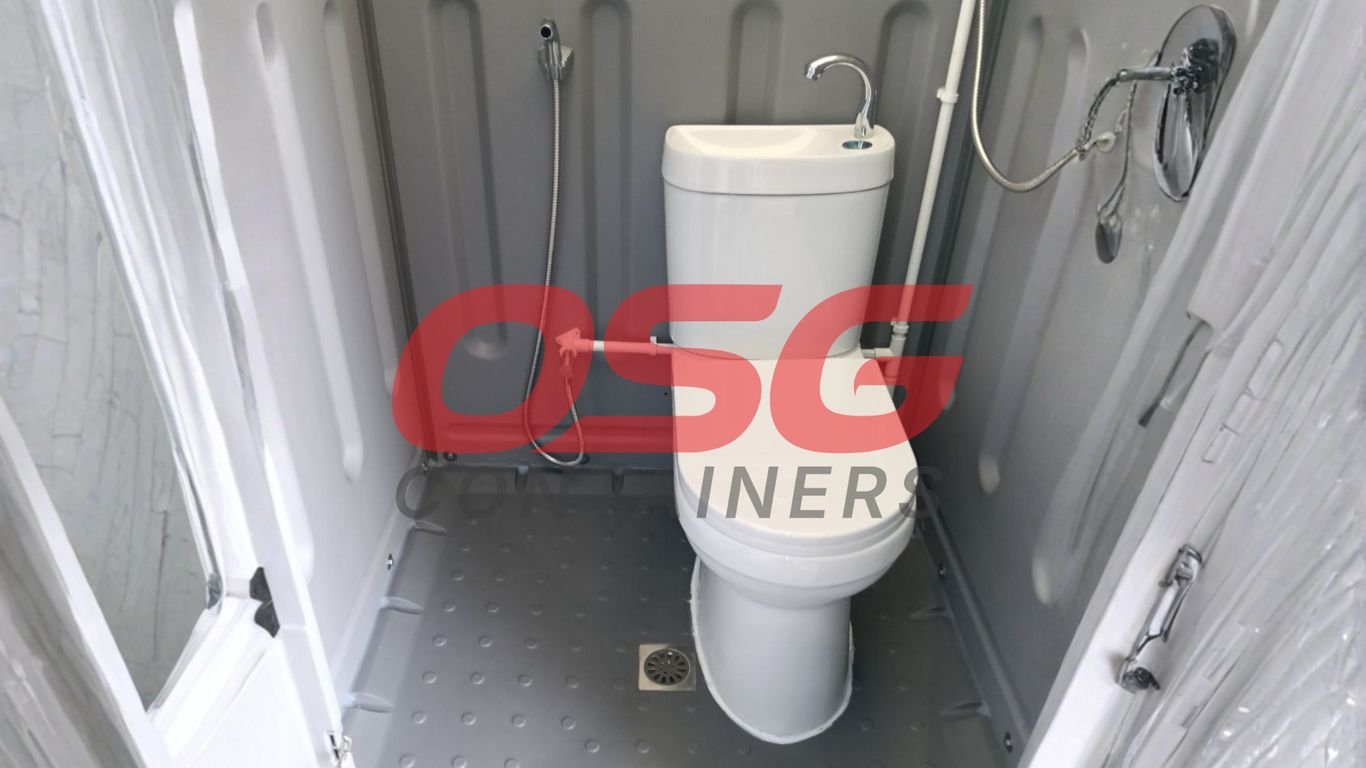
Planning a big project in Singapore means you’ve got a lot on your plate. Figuring out bathroom facilities shouldn’t add to the stress. This guide is all about toilet container Singapore options, helping you get the right setup for your construction site or event without any major headaches. We’ll break down what you need to know to make sure everyone stays comfortable and everything runs smoothly.
Key Takeaways
- When looking for a toilet container Singapore provider, check their reputation and reviews. Make sure they have a good selection of units and can reliably deliver and service them.
- Singapore offers various toilet container options, from basic units for simple needs to more comfortable executive and VIP models, and even specialized container types for specific project requirements.
- Think about your specific site needs, how many workers you have, and how long you’ll need the facilities. Plan where to put them so they’re easy for people to find and use.
- Keeping things clean is super important. Make sure the rental company has good waste disposal systems and offers handwash stations to maintain hygiene.
- Understand how toilet container rental costs are calculated, including delivery and service fees. Look into special packages for events or construction projects to get the best value.
Understanding Toilet Container Solutions in Singapore
When you’re managing a construction project or an industrial site in Singapore, having good sanitation facilities is a must. That’s where toilet container solutions come into play. These aren’t your typical porta-potties; they’re sturdy, self-contained units built to offer reliable and clean restroom options, even in tough spots. Think of them as mobile restrooms you can put right where you need them, a practical choice for temporary needs instead of building permanent structures.
Benefits of Toilet Containers for Projects
Using a container toilet brings a lot of pluses for any project, no matter the size. They’re fast to get set up, meaning you don’t have to wait around for construction. Plus, they’re built strong, so they can handle the wear and tear of a busy worksite. This makes them a popular choice for many businesses needing temporary toilet rental options.
- Rapid Deployment: Get sanitation facilities on-site quickly, avoiding delays.
- Flexibility: Easily move units as your project changes or needs shift.
- Cost-Effectiveness: Often a cheaper option than building permanent restrooms.
- Durability: Made to stand up to rough weather and heavy use.
Rapid Deployment and Flexibility
One of the biggest wins with a mobile toilet in Singapore, especially a container toilet, is how fast you can get it up and running. Forget weeks of planning and construction for a permanent bathroom. These units can often be delivered and set up within a day or two. This speed is a lifesaver for projects that need to get started right away. And if your project moves or expands, you can usually just pick up the container toilet and move it to the new location. This flexibility means you’re not tied down to one spot, which is super handy on large, evolving sites.
Cost-Effectiveness and Durability
While the initial rental cost for a container toilet might seem higher than a basic portable toilet, the long-term value is often better. These units are built to last. They’re made from strong materials that can handle Singapore’s climate and the demands of a busy construction site. This durability means fewer repairs and replacements over the course of your project. For longer projects, a robust container toilet can actually be more cost-effective than constantly servicing and replacing less sturdy options. Choosing a durable mobile toilet solution saves money and hassle in the long run.
When you’re looking at toilet container options in Singapore, remember they offer a solid, reliable sanitation solution. They’re designed for the realities of project sites, providing a more permanent feel than standard portable toilets without the commitment of building. This makes them a smart choice for many different types of work.
Capacity Planning for Toilet Containers
Figuring out how many toilet containers you actually need for a big project in Singapore can feel a bit tricky. It’s not just about guessing; it’s about making sure everyone on site has access to clean facilities without any fuss. Getting the capacity right from the start saves a lot of headaches and keeps your crew happy and productive.
Assessing Site Needs and Worker Count
The very first step is to know exactly how many people will be using the facilities. This is the biggest driver for capacity. Think about the total number of workers, including any subcontractors or visitors who might be on-site regularly. Also, consider if you have multiple shifts running. If so, you’ll need to account for the peak number of people present at any given time, not just the total workforce over the entire project.
- Total Workforce: The overall number of people employed on the project.
- Peak Occupancy: The maximum number of people on-site simultaneously (consider shifts).
- Project Duration: Longer projects might require more robust or frequently serviced units.
Don’t forget to factor in the type of work being done. Physically demanding jobs or those in hot, dusty conditions might mean workers need facilities more frequently, potentially increasing the demand per person.
Determining Required Toilet Capacity
Once you have your worker count, you can start to figure out the number of units. A common guideline is to aim for at least one toilet for every 10 to 15 workers on a standard 8-hour shift. However, this can change based on local regulations, the specific nature of your project, and the amenities you choose.
Here’s a simple way to look at it:
| Worker Count | Suggested Toilet Units (Standard Shift) |
|---|---|
| 1-20 | 1-2 |
| 21-50 | 2-4 |
| 51-100 | 4-7 |
| 100+ | 7+ (or consult provider) |
Remember, these are just starting points. If your project involves longer hours, multiple shifts, or specific hygiene requirements, you’ll need to increase these numbers. It’s always better to have a little extra capacity than not enough.
Considering Shower and Additional Facilities
Beyond just toilets, think about what other facilities your crew might need. For projects involving heavy labor, construction, or work in challenging environments, showers are often a must. Having shower units available can significantly improve worker morale and hygiene. You might also need handwashing stations, especially if sinks aren’t integrated into the toilet units. Some providers offer combination units that include toilets, showers, and sinks, which can be a space-saving and convenient option. When planning, list out all the necessary facilities to avoid overlooking any critical needs.
Selecting the Right Toilet Container for Your Project
Picking the right toilet container for your job site isn’t just about grabbing the first thing you see. It’s about making sure your crew has what they need to stay comfortable and productive, while also keeping things clean and up to code. Think about it – a small crew on a short project has different needs than a large team working for months in a remote area. Getting this right from the start saves headaches down the road.
Matching Units to Crew Size and Project Duration
First off, how many people are actually going to be using these facilities? This is the biggest factor. You don’t want a situation where there are long lines, or worse, not enough units. A good rule of thumb is to have at least one toilet for every 10-15 workers on a standard 8-hour shift. If you have multiple shifts or longer hours, you might need to adjust that number. Also, consider if you need just basic toilets, or if showers are also a must-have. Some units come with both, which can be a real lifesaver on dusty or physically demanding sites.
Here’s a quick guide to help you figure out capacity:
- Small Crew (1-20 people): A few standard single-stall units might be enough. If showers are needed, a single unit with a couple of shower stalls could work.
- Medium Crew (21-50 people): You’ll likely need multiple standard units or a larger, multi-stall configuration. Consider units with integrated sinks.
- Large Crew (50+ people): Think about high-capacity options, possibly multiple containers, or trailer-mounted solutions that offer more facilities.
For shorter projects, a few basic units might suffice. However, for longer durations, investing in more durable, perhaps insulated, units with better amenities becomes more sensible. The goal is to match the facility’s scale and features to the project’s timeline and the workforce’s size.
Evaluating Environmental Factors and Site Conditions
Where is this project located? Is it going to be blazing hot, freezing cold, or somewhere in between? The weather plays a big role. Standard containers might get too hot or too cold for comfort. If you’re in a really harsh climate, you’ll want to look at insulated units, maybe even ones with heating and air conditioning. Also, think about the ground. Is it going to be muddy? Is there good drainage? You don’t want your toilet containers sinking or becoming inaccessible after a bit of rain.
The location and expected weather conditions are not just minor details; they directly impact the usability and comfort of the facilities. Ignoring these can lead to worker complaints and reduced efficiency.
Most units are built from galvanized steel, which is tough. But what really makes a difference is the insulation. Good insulation means they stay warmer in the cold and cooler when it’s hot out. This makes a big difference for anyone using them, especially during long shifts. The floors are often covered with a durable material like cement board and then a PVC layer, making them easy to clean and resistant to moisture. This kind of construction helps them hold up better against the elements.
Exploring Customization and Special Requirements
Sometimes, standard options just don’t cut it. Maybe you have workers with disabilities who need accessible units. Or perhaps your site is in a high-rise building, and you need units that can be lifted to different floors. Don’t be afraid to ask about customization. Many suppliers can add extra amenities like hot water, better lighting, or even specific waste management solutions. It’s all about tailoring the solution to your unique project needs. Always ask what’s possible before you settle.
Here are some common customization options:
- Accessibility: Units designed to meet ADA requirements for wheelchair access.
- Climate Control: Options for heating and air conditioning for year-round comfort.
- Additional Amenities: Features like hand sinks with hot water, improved lighting, or even small changing areas.
- Power and Water: Integration with site power and water sources, or self-contained systems.
Don’t overlook the importance of these details. A little extra thought here can go a long way in keeping your team happy and productive.
Installation and Maintenance of Toilet Containers
Getting your toilet container set up and keeping it running smoothly is pretty straightforward, but there are a few things to keep in mind. It’s not just about dropping it off and forgetting about it. Proper setup and regular care make a big difference in how long it lasts and how well it works for everyone on site.
Ground Preparation for Assembly
Before the container even arrives, you need to think about where it’s going. The ground needs to be level and firm. If it’s not, the container could shift, which isn’t good for its structure or for the plumbing connections. You might need to do some basic grading or even put down a gravel base, depending on the soil and how long the unit will be there. A stable foundation is key to preventing issues down the line.
Ensuring Proper Installation and Setup
Once the ground is prepped, the container needs to be placed correctly. This usually involves ensuring it’s level and stable. Most units will need to be connected to existing water supply, wastewater drainage, and electricity networks. It’s important that these connections are made by qualified personnel to avoid leaks or electrical hazards. Anchoring the unit is also a critical step, especially in areas prone to strong winds, to prevent movement or tipping.
Establishing Regular Maintenance Schedules
Regular servicing is a must for any toilet container. How often depends on how much the unit is used, but typically, you’ll need weekly or bi-weekly visits. This involves emptying waste tanks, refilling water and chemical tanks, and a good cleaning. Think of it like keeping your own bathroom tidy, but on a larger scale.
Here’s a quick rundown of what servicing usually includes:
- Emptying and cleaning of toilet bowls and tanks.
- Replenishing water and chemical supplies.
- Wiping down surfaces, sinks, and floors.
- Checking and restocking toilet paper and soap.
- Ensuring all plumbing and electrical systems are functioning correctly.
Maintaining high hygiene standards on-site is not just about comfort; it’s about worker health and productivity. Clean facilities reduce the risk of illness and show that you care about your team.
Choosing Your Toilet Container Rental Provider
Alright, so you’ve figured out how many toilet containers you need and what kind. Now comes the part where you actually get them – picking the company to rent from. This isn’t just about finding the cheapest option, though that’s tempting. It’s about finding a partner who’ll make sure your site has clean, working facilities without you having to constantly chase them down. A good provider makes your life easier; a bad one can turn a simple rental into a headache.
Assessing Provider Reputation and Reviews
First off, you gotta do your homework on who you’re gonna rent from. Don’t just pick the first name you see. See what other people are saying. Are they known for being reliable? Do they show up on time? A quick look at online reviews can tell you a lot. Check out Google, or any industry-specific forums if you can find them. Asking around on your project site or to other project managers you know is also a smart move. If a company has a long history of happy customers, that’s usually a good sign they know what they’re doing and care about their service.
- Check Online Reviews: Look for feedback on Google, social media, and review sites.
- Ask for References: See if they can connect you with past clients.
- Word-of-Mouth: Get recommendations from colleagues or other businesses.
A provider’s track record is a pretty good indicator of what you can expect.
Evaluating Inventory and Service Variety
Not all toilet container companies are the same, and neither are their "stock." You need a provider that has the right kind of units for your specific project. Are you building a skyscraper and need a bunch of standard units for a large crew? Or is it a smaller, more specialized job that might need something a bit different, maybe with extra features? A good company will have:
- Standard Container Toilets: These are your workhorses, suitable for most construction sites.
- Units with Showers: If your workers are getting particularly dirty or it’s a long-term project, shower facilities are a big plus.
- Accessible Units: For projects that need to comply with accessibility standards.
- Handwashing Stations: Often a separate unit, but some providers might offer integrated solutions.
It’s also worth asking about their service frequency. How often will they be cleaning and restocking the units? This is super important for keeping things hygienic and pleasant for your crew.
Understanding Service Level Agreements
This is where you get down to the nitty-gritty. A Service Level Agreement, or SLA, is basically a contract that spells out exactly what you can expect from the rental company. It’s not just about the price; it’s about the service. What happens if a unit breaks down? What’s their response time for repairs or emergency servicing? What are the exact terms for delivery and pickup?
Make sure you read the SLA carefully. It should clearly outline responsibilities for both you and the provider, including maintenance schedules, emergency contact procedures, and any penalties for non-compliance. This document is your safety net, protecting you from unexpected issues and ensuring consistent service throughout your project’s duration.
Don’t be afraid to ask questions about the SLA. A reputable company will be happy to explain it and make sure you’re comfortable with the terms before you sign anything. It’s all about setting clear expectations so there are no surprises down the road.
Optimizing Your Toilet Container Rental Experience
So, you’ve got your toilet containers sorted for your big project in Singapore. That’s a huge step, but there’s still a bit more to think about to make sure everything runs like clockwork. It’s not just about dropping them off and forgetting about them; a little extra thought can go a long way in keeping everyone happy and the project on track.
Strategic Placement and Accessibility
Where you put these units really matters. Think about how your workers will get to them. Are they tucked away in a corner that’s hard to find, or are they easily accessible from the main work areas? Placing them strategically means less time wasted walking back and forth. It’s also a good idea to consider the terrain. You don’t want units sinking into mud after a bit of rain, right? Making sure the ground is prepped, maybe with some gravel or a solid base, can prevent a lot of hassle.
- Proximity to Work Zones: Locate units close to where most of the crew is working.
- Clear Pathways: Ensure there are clear, well-lit paths leading to the containers, especially if shifts run into the evening.
- Accessibility for Maintenance: Don’t block access for the service vehicles that will be coming to clean and restock the units.
Understanding Rental Pricing and Packages
Rental costs can add up, so it pays to know what you’re getting into. Most companies break down their pricing into a few key areas: the unit itself, delivery, regular servicing, and pickup. Sometimes, you can save a bit by bundling these services. Many providers offer special packages for construction projects, which might include a set number of units and a regular cleaning schedule. Always ask what’s included in the base price and what costs extra.
Here’s a general idea of what influences the price:
| Factor | Description |
|---|---|
| Unit Type & Size | Larger or more specialized units (e.g., with showers) cost more. |
| Rental Duration | Longer rentals often have a lower daily or weekly rate. |
| Servicing Frequency | More frequent cleaning and restocking will increase the overall cost. |
| Delivery & Pickup | Distance and site accessibility can affect these charges. |
| Additional Services | Extras like hand sanitizer stations or specific waste disposal methods. |
Maximizing Value Through Efficient Planning
Getting the most out of your rental isn’t just about the price tag; it’s about making sure the facilities actually meet your needs throughout the project. This means thinking ahead. If your project is going to last a year, a unit that’s fine for a month might not hold up as well or might require more frequent servicing. Also, consider the peak worker count. If you have days with significantly more people on site, you might need to temporarily increase your unit count or adjust servicing schedules. It’s about being proactive rather than reactive.
Planning ahead for waste management and servicing is just as important as the initial setup. A well-managed system prevents issues before they start, saving time and money in the long run.
Don’t be afraid to talk to your rental provider about your project’s timeline and expected worker numbers. They often have insights and can suggest the most cost-effective solutions to keep your site compliant and your crew comfortable.
Wrapping Up: Your Toilet Container Strategy
So, when it comes to planning for toilet containers in Singapore for your big projects, it really boils down to a few key things. You’ve got to figure out exactly how many people you’ll have and for how long, because that’s your starting point for capacity. Then, think about the type of units – are standard ones okay, or do you need something a bit more special? Don’t forget about where they’ll go and how they’ll be kept clean, especially with Singapore’s weather. Talking to rental companies early on is a good idea; they can help you sort through the options and maybe even find a package deal that saves you some cash. Getting this right means fewer headaches for you and a more comfortable setup for everyone involved on your project.
Frequently Asked Questions
What exactly are container toilets, and why would I use them for a big project in Singapore?
Container toilets are like sturdy, portable restrooms built from modified shipping containers. They’re a great choice for large projects in Singapore because they’re tough, can be set up quickly, and offer more space and durability than basic portable toilets. They’re perfect for construction sites or places needing reliable facilities for a long time.
How do I figure out how many toilets I need for my project?
To know how many toilets you need, first count how many workers you’ll have. A good starting point is one toilet for every 10 to 15 workers on a normal workday. If your workers have longer hours or multiple shifts, you might need a few more. It’s always better to have a couple extra than not enough!
Are container toilets more expensive than regular portable toilets?
Container toilets might seem more expensive at first because they’re bigger and built to last. However, for longer projects or when you need something really solid, they often offer better value. Think of it as an investment in durability and capacity. Plus, rental packages can often make them more affordable.
What should I look for when choosing a company to rent container toilets from?
When picking a rental company, check their reputation by reading reviews and asking for recommendations. Make sure they have a good variety of container toilets and other facilities you might need, like handwashing stations. Also, confirm they can deliver and service the units reliably throughout your project.
Do I need to prepare the ground before the container toilets are delivered?
Yes, some ground preparation is usually needed. The area should be level and stable so the container toilets can be placed securely. Your rental provider will tell you exactly what kind of preparation is required, like making sure there’s no mud or soft ground where they’ll be set up.
What are some ways to save money on renting container toilets for my project?
To save money, consider renting for the entire project duration rather than in short bursts. Look for companies that offer special packages for construction projects, which often include services like regular cleaning at a better price. Also, plan your needs carefully to avoid renting more units than you actually require.