Singapore
 Australia
 Indonesia
 Japan
Japan Malaysia
 New Zealand
 Philippines
 South Korea
 Taiwan
 Thailand
 VIETNAM
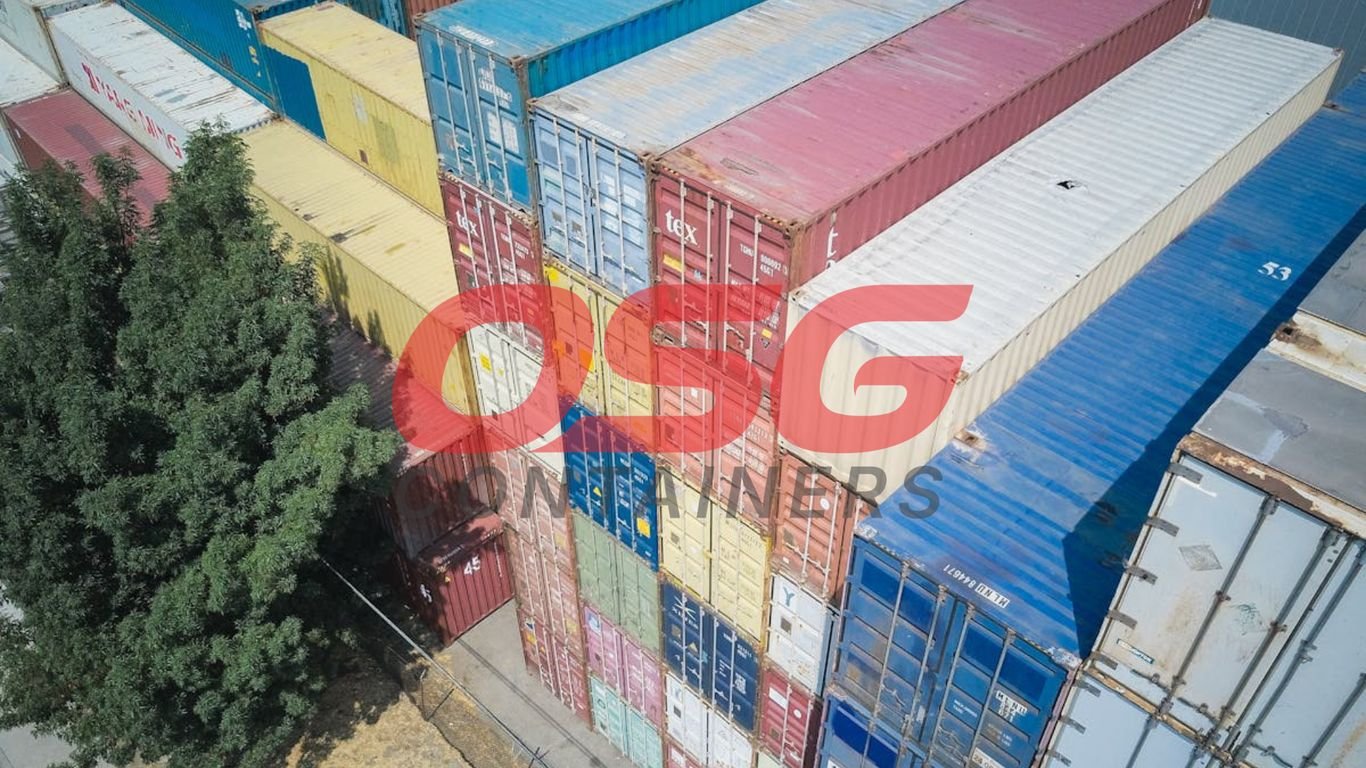
So, you’re trying to figure out the difference between a regular 40-foot shipping container and a 40 high q container? It’s not as simple as just looking at them. They might seem the same from a distance, but those extra few inches can really change things up, especially when you’re moving a lot of stuff or planning where it’s all going to go. Let’s break down what you need to know so you don’t end up with a headache later.
Key Takeaways
- A 40 high q container is about a foot taller than a standard 40ft container, giving you more vertical space inside. This extra height is the main difference.
- While they have the same length and width, the high cube’s extra height means it can hold more volume, about 13% more cubic feet than a standard one.
- Standard containers are usually cheaper to buy or rent and are a good choice for heavy or compact items where you don’t need the extra height. The 40 high q container is better for bulky, lightweight, or tall items.
- The extra height of a 40 high q container can be great for conversions like offices or homes, allowing for insulation and finished ceilings without losing too much headroom.
- When planning delivery and placement, remember that the 40 high q container’s extra height might cause issues with overhead obstructions like trees, wires, or low doorways, so site planning is important.
Understanding the Crucial Differences Between Container Types
Why Differentiating Container Specs Matters
When you first look at a standard 40ft shipping container and a 40ft High Cube, they seem pretty much the same. They’re both 40 feet long and 8 feet wide, right? But that extra foot of height in the High Cube makes a surprisingly big difference in how you can use it. It’s not just about fitting more stuff; it affects everything from how you load it to where you can store it. Getting this wrong can lead to headaches down the line, like cargo not fitting or needing special equipment.
Subtle Variations, Significant Logistics Impact
That extra foot of height on a High Cube container isn’t just a small detail. It means more cubic feet of space, which is great for bulky items or when you need to stack things efficiently. However, it also means the container is taller overall. This can be a problem if you have overhead obstructions, like low bridges or warehouse ceilings. Standard containers, being the more common type, usually fit into existing logistics setups without much fuss. High Cubes, though, might require a second look at your loading docks, your warehouse clearance, and even your transport vehicles.
Choosing the Right Container for Your Cargo
So, how do you pick the right one? It really comes down to what you’re shipping and where it’s going. If you’ve got items that are just a bit too tall for a standard container, or if you’re looking to maximize volume for lighter, bulkier goods, the High Cube is probably your best bet. But if you’re dealing with standard palletized goods, machinery that fits comfortably, or if you know height restrictions are a concern, a standard 40ft container might be simpler and more cost-effective. It’s about matching the container’s specs to your cargo’s needs and your operational constraints.
Here’s a quick look at the main differences:
| Dimension | 40ft Standard Container | 40ft High Cube Container |
|---|---|---|
| External Height | 8 ft 6 in (2.59 m) | 9 ft 6 in (2.90 m) |
| Internal Height | Approx. 7 ft 10 in | Approx. 8 ft 10 in |
| Added Volume | N/A | Approx. 10% more |
| Tare Weight | ~8,500 lbs | ~9,275 lbs |
The decision between a standard and a High Cube container isn’t just about the numbers on paper. It’s about practical application and how that extra foot of space will play out in your specific supply chain, from loading dock to final destination.
Comparing External and Internal Dimensions
When you look at a standard 40ft container and a 40ft high cube container side-by-side, they seem pretty similar. They’ve got the same length and width, which is why they both fit into the usual shipping slots on boats, trains, and trucks. But that extra foot of height on the high cube really changes things, especially when you start thinking about what you can actually fit inside and how it all gets handled.
Exterior Dimensions: Height is the Key Differentiator
The most obvious difference is the height. While both containers are 40 feet long and 8 feet wide, the high cube is a full foot taller. This might not sound like much, but it has a big impact on where you can put the container and how you load and unload it.
| Dimension | 40ft Standard Container | 40ft High Cube Container |
|---|---|---|
| Length | 40 ft (12.19 m) | 40 ft (12.19 m) |
| Width | 8 ft (2.44 m) | 8 ft (2.44 m) |
| External Height | 8 ft 6 in (2.59 m) | 9 ft 6 in (2.90 m) |
This extra height means a high cube container needs more clearance. Think about loading docks, bridges, or even just getting it into a tight warehouse space. You’ve got to be sure there’s enough room.
Interior Dimensions: Maximizing Usable Space
Inside the container, that extra external height translates directly into more usable space. The length and width stay the same, but the ceiling is higher in a high cube.
| Dimension | 40ft Standard Container | 40ft High Cube Container |
|---|---|---|
| Internal Length | 39 ft 5 in (12.03 m) | 39 ft 5 in (12.03 m) |
| Internal Width | 7 ft 8 in (2.34 m) | 7 ft 8 in (2.34 m) |
| Internal Height | 7 ft 10 in (2.39 m) | 8 ft 10 in (2.69 m) |
This difference is pretty significant. It means you can stack more items, fit taller equipment, or simply load more general cargo before hitting the roof.
How Height Impacts Cargo Fit
So, how does this play out in the real world?
- Tall Items: If you’re shipping things like large machinery, assembled furniture, or even certain types of agricultural products, that extra foot of height in a high cube can be a lifesaver. It means these items might fit without needing special arrangements or being forced into a container they barely clear.
- Stacking and Pallets: For goods that come on pallets, the extra height allows for more layers. This can significantly increase the amount of product you can fit into a single container, especially for lighter, bulkier items.
- General Cargo: Even for mixed loads, the extra headroom can make loading and unloading easier and safer. It gives workers a bit more room to maneuver.
The choice between a standard and a high cube container often comes down to the specific dimensions of your cargo. If your items are close to the maximum height of a standard container, or if you plan to stack items, the high cube is likely the better, more efficient choice. However, if your cargo is compact or very heavy, you might end up paying for space you don’t need with a high cube.
Volume and Weight: Capacity Considerations
So, we’ve talked about how these containers look on the outside, but what about what they can actually hold? This is where things get interesting, especially when you’re trying to pack as much as possible into your shipment or storage space. The extra height of a high cube container really makes a difference here, but it’s not just about volume. We also need to think about weight.
Increased Cubic Feet in a 40 High Q Container
The most obvious benefit of a 40-foot High Cube (HC) container is the extra space. That extra foot of height adds up. While a standard 40-footer gives you about 2,386 cubic feet of room, the high cube bumps that up to around 2,694 cubic feet. That’s a jump of over 300 cubic feet! Think of it like this:
- Standard 40ft Container: Roughly 2,386 cubic feet.
- 40ft High Cube Container: Approximately 2,694 cubic feet.
This extra space is a game-changer for certain types of cargo. It’s perfect for lightweight, bulky items that might not fit well in a standard container, or for shipments where you need a bit more wiggle room. You can often fit more pallets, especially if your goods aren’t super dense.
Tare Weight and Net Payload Differences
Now, about that extra height – it comes with a bit more weight. A 40ft HC container typically weighs about 775 pounds more than its standard counterpart. This is called the tare weight. So, while the maximum weight the container can hold (the gross weight limit) is usually the same for both types (around 67,200 lbs), the actual amount of cargo you can put inside (the net payload) is slightly less for the high cube.
| Metric | 40ft Standard Container | 40ft High Cube Container |
|---|---|---|
| Tare Weight | ~8,160 lbs | ~8,775 lbs |
| Net Payload | ~59,040 lbs | ~58,425 lbs |
This difference might not matter much if you’re shipping lighter goods, but if you’re dealing with dense, heavy items, you’ll want to keep this in mind. You can’t quite fill a high cube to its maximum volume potential if your cargo is heavy enough to hit the weight limit first.
Impact of Weight on Transportation Costs
Weight is a big deal when it comes to shipping costs. Carriers often charge based on weight, especially for long-haul trucking or rail. That extra 775 pounds on a high cube container might not seem like a lot per container, but if you’re moving dozens or hundreds of them, it can add up. You might end up paying more for the transport of empty space if your cargo doesn’t fill the high cube’s volume. On the flip side, if the high cube allows you to consolidate shipments that would have otherwise required two standard containers, you could actually save money. It really depends on what you’re shipping and how efficiently you can pack it.
When deciding between a standard and a high cube container, it’s easy to get caught up in just the extra space. But don’t forget to look at the weight limits. If your cargo is dense, you might be paying for space you can’t even use because you’ll hit the weight limit before you fill it up. Always do the math to see if the extra volume is worth the potential cost implications related to weight.
Optimal Use Cases for Each Container Type
Best Applications for Standard 40ft Containers
When you’re shipping goods, sometimes the standard option is just the right fit. A regular 40-foot container is a solid choice for a lot of common cargo. Think about things like machinery, metal products, or even barrels of liquids. These items tend to be dense and heavy, and they don’t usually need that extra bit of height. Standard containers are also great for general household goods during a move. Plus, if you’re trying to keep shipping costs down, the standard container is often the more budget-friendly pick. They’re generally easier to find and sometimes cheaper to rent or buy.
Ideal Scenarios for a 40 High Q Container
The extra foot of height in a 40 high cube container really opens up possibilities. It’s a game-changer when you’re dealing with tall or bulky items. Imagine shipping assembled furniture, large equipment pieces, or even things like mattresses. These items might just barely fit, or not fit at all, in a standard container. High cube containers also shine when you’re shipping lightweight but voluminous goods, like textiles or electronics packed in large boxes. That extra space means you can potentially fit more in, making better use of the volume. This makes the 40 high cube container a go-to for maximizing space with specific types of cargo.
Here’s a quick look at what fits best:
- Standard 40ft Container:
- Heavy machinery
- Liquids in barrels
- General household items
- Budget-sensitive shipments
- 40 High Cube Container:
- Tall furniture
- Oversized equipment
- Lightweight, bulky goods (e.g., foam, textiles)
- Cargo that’s just under 8 feet tall
Beyond Shipping: Creative Container Applications
It’s not just about moving stuff from point A to point B anymore. Both standard and high cube containers are finding new lives off the beaten path. People are converting them into all sorts of things. You see them as pop-up shops, temporary offices on construction sites, or even as parts of homes. The extra height of a high cube container can make a big difference for living spaces or offices, giving you a bit more headroom and a less cramped feel. It’s pretty neat how these metal boxes can be repurposed.
When considering a container for non-shipping uses, think about the interior height. For a home or office conversion, that extra foot in a high cube container can significantly improve comfort and usability. It’s not just about fitting more cargo; it’s about creating a more pleasant space.
Cost Implications and Long-Term Value
When you’re looking at shipping containers, the price tag is obviously a big deal. Nobody wants to overspend, right? But sometimes, the cheapest option upfront can end up costing you more down the road. It’s like buying a cheap tool that breaks after one use – frustrating and you have to buy another one anyway.
Purchase and Rental Price Variations
Let’s talk numbers. A standard 40-foot container, whether you’re buying it used or renting it monthly, is generally going to be less expensive than a high cube. We’re talking a few hundred bucks more for a used high cube, maybe $300 to $1,000 extra. Monthly rentals might see a difference of $25 to $50 per month. It’s not a massive jump, but it adds up, especially if you need a lot of them.
| Container Type | Used Purchase Price (Approx.) | Monthly Rental (Approx.) |
|---|---|---|
| 40ft Standard | $2,000 – $3,500 | $75 – $125 |
| 40ft High Cube | $2,500 – $4,000 | $100 – $150 |
Assessing the Value Proposition of High Cube
So, why would anyone pay more for a high cube? It really comes down to what you’re doing with it. If you’re shipping really tall items, or if you’re converting it into something like an office or a home, that extra foot of height makes a huge difference. It means you can fit more stuff, or you can have higher ceilings, which just feels better and can even be a requirement for certain building codes.
- More Usable Space: That extra foot of height adds about 13% more volume. For lightweight, bulky goods, this can mean fitting significantly more cargo.
- Construction Benefits: If you’re building with containers, the extra height allows for things like recessed lighting or running plumbing under the floor without making the ceiling feel too low.
- Comfort and Compliance: For any kind of human occupancy, that extra height can make a space feel much less cramped and might be necessary to meet local building standards for ceiling height.
Budgetary Considerations for Shipping Needs
Think about your specific needs. If you’re just shipping standard pallets of heavy goods, a regular 40-footer might be perfectly fine and save you some money upfront. But if your cargo is bulky or you’re planning a conversion project, that extra cost for a high cube could be well worth it in the long run. It’s about getting the most bang for your buck, not just the lowest initial price.
Sometimes, the initial savings on a standard container can lead to unexpected costs later. You might need more complex framing or specialized insulation to make it work for your project, which can quickly eat up any money you thought you were saving. It’s a good idea to look at the whole picture, not just the sticker price.
Ultimately, the choice between a standard and a high cube container isn’t just about the price. It’s about maximizing efficiency, meeting specific project requirements, and making sure you’re not creating future headaches for yourself. Weighing the upfront cost against the long-term benefits is key to making the smart decision for your situation.
Logistical and Site Planning Factors
So, you’ve decided on a 40 High Cube container, or maybe you’re still weighing the options. Either way, getting it to your site and making sure it fits is a whole other ballgame. It’s not just about the container itself; it’s about the space it’s going into and how it gets there.
Delivery Access and Overhead Obstructions
Getting a container to its final spot can be tricky. Think about the route the delivery truck will take. Are there narrow gates, tight turns, or low-hanging branches? A standard 40ft container is already pretty big, but that extra foot of height on a 40 hq container can make a difference, especially if you’re dealing with overhead power lines or building overhangs. Always measure your access points before you order.
Here’s a quick look at the height difference:
| Container Type | External Height |
|---|---|
| Standard 40ft | 8 feet 6 inches |
| 40 High Cube (40 hq) | 9 feet 6 inches |
That extra foot might seem small, but it can be the difference between a smooth delivery and a real headache.
Site Preparation for Increased Height
Once the container is on-site, where will it sit? You need a level, stable surface. For a 40 hq, you might need to consider the ground’s load-bearing capacity a bit more, especially if it’s going to be a long-term fixture. If you’re planning any modifications, like adding insulation or interior walls, remember that the extra height of the high cube gives you more wiggle room for things like ductwork or electrical conduits without sacrificing headroom.
- Foundation: Ensure the ground is compacted and level. Concrete slabs are ideal for long-term stability.
- Drainage: Make sure water won’t pool around or under the container.
- Clearance: Leave enough space around the container for access, maintenance, and potential future modifications.
When you’re planning the placement, think about more than just the immediate spot. Consider how you’ll access it for loading and unloading, and if you’ll need any additional structures or equipment nearby. The extra height of a 40 hq can be a benefit for internal workspace, but it also means it stands taller on your property.
Navigating Local Regulations and Planning
Don’t forget about the rules! Depending on where you are and how you plan to use the container, there might be local zoning laws, building codes, or permit requirements. This is especially true if you’re using the container for anything other than simple storage, like turning it into an office or workshop. The increased height of a 40 hq might trigger different regulations than a standard container. It’s always best to check with your local planning department before you buy or place the container to avoid any surprises down the road.
So, Which Container Wins?
Alright, so we’ve gone over the nitty-gritty of standard 40-foot containers versus their taller high cube cousins. It’s not just about a little extra height; it really changes what you can do with them. Standard containers are like the reliable workhorses – they fit pretty much anywhere and are usually easier on the wallet. But if you’re dealing with bulky furniture, tall equipment, or even planning a conversion project, that extra foot in a high cube can make a world of difference. It’s not always about picking the cheapest option, but the one that actually fits your stuff and your plans without a headache. Think about what you’re moving, where it needs to go, and how much space you really need. That’s the key to not ending up with a container that’s too small or paying for space you’ll never use.
Frequently Asked Questions
What’s the main difference between a 40ft standard container and a 40ft high cube container?
The biggest difference is height! A high cube container is about a foot taller than a standard one. This extra height gives you more room inside, which is great for taller items or if you need more space for things like insulation when converting the container.
Do high cube containers hold more stuff?
Yes, they do! Because they’re taller, high cube containers can hold more volume, usually around 13% more than a standard container. This means you can fit more items, especially if they are bulky or lightweight.
Are high cube containers heavier than standard ones?
A little bit, yes. The extra metal needed for the added height makes high cube containers weigh more than standard ones. This means you can carry slightly less weight in a high cube if you’re shipping very heavy items, as the total weight limit for both container types is usually the same.
When should I choose a standard 40ft container?
A standard container is a good choice if you’re shipping heavy items like machinery or metal, or if you’re just moving regular household goods. They are also usually a bit cheaper, so they’re great if you’re on a tight budget and don’t need the extra height.
When is a 40ft high cube container the better option?
You should go for a high cube if you’re shipping tall items, like large furniture or equipment, or if you’re sending lots of lightweight but bulky goods, like textiles. They’re also popular for converting into living spaces, offices, or workshops because the extra headroom is very useful.
Do high cube containers cost more?
Generally, yes. Because they have more material and offer more space, high cube containers typically cost more to buy or rent than standard containers. However, many people find the extra space and flexibility they offer make them a better value in the long run, especially for conversions.