Singapore
 Australia
 Indonesia
 Japan
Japan Malaysia
 New Zealand
 Philippines
 South Korea
 Taiwan
 Thailand
 VIETNAM
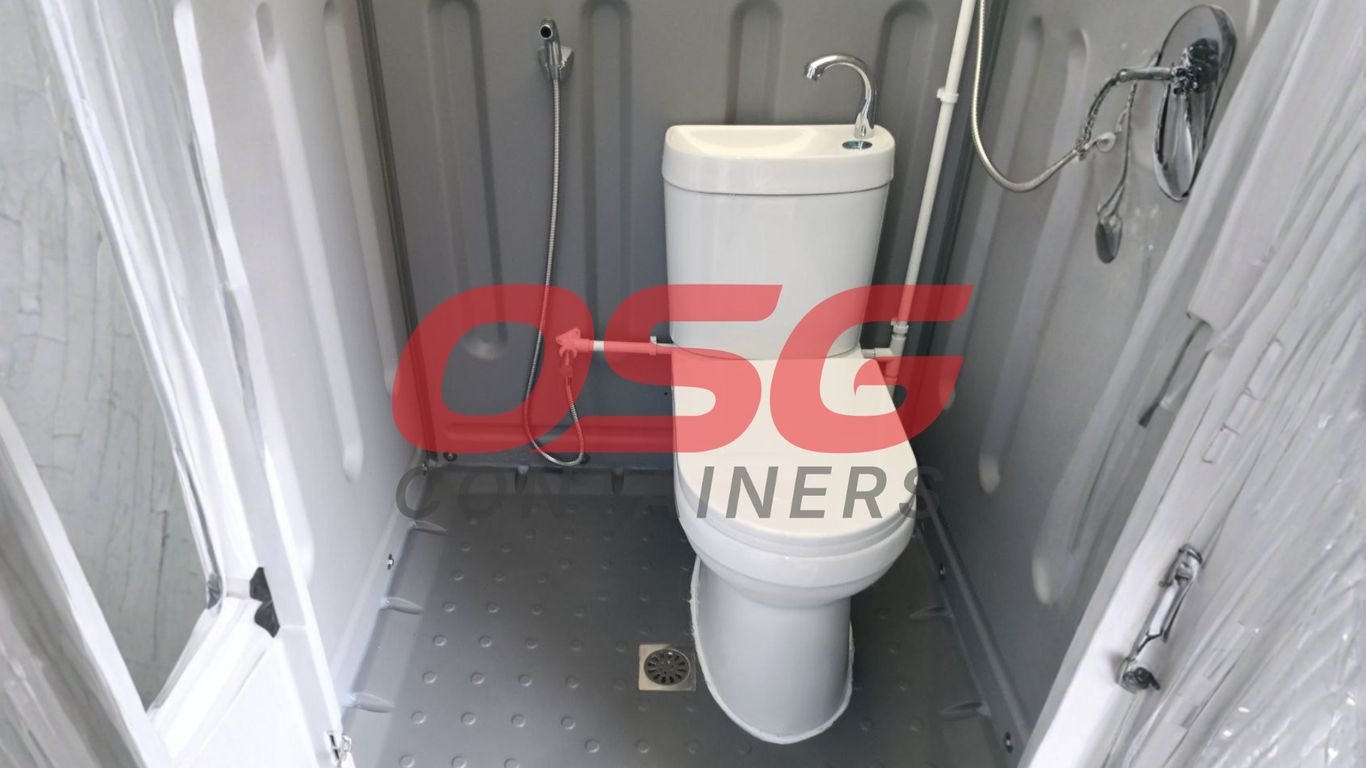
Thinking about setting up a container toilet for your project or event? It’s not as simple as just dropping one off. You’ve got to figure out how many people will use it and make sure there are enough toilets, sinks, and other bits. Plus, there are rules to follow and ways to make it more comfortable and private for everyone. This guide breaks down what you need to know about container toilet capacity and fixture setup.
Key Takeaways
- Figuring out the right number of toilets and sinks for your container toilet setup depends on how many people you expect to use them. Think about busy places needing more fixtures than quiet offices.
- Good placement of toilets, sinks, and hand dryers is key for a smooth flow of people and to avoid long waits.
- Make sure your container toilet design meets accessibility rules, like having easy-to-use door locks and enough space for wheelchairs.
- Privacy matters. Consider stall design, where sinks are placed, and if soundproofing is needed for a more comfortable experience.
- Always check local building and health codes, plus any green building standards, to make sure your container toilet setup is compliant and responsible.
Determining Container Toilet Capacity
Figuring out how many people a container toilet setup can handle, and how many toilets, sinks, and other bits you actually need, is pretty important. Get it wrong, and you’ll have lines out the door or, worse, facilities that just don’t work. It’s not just about sticking a toilet in a box; there’s some thought involved.
Occupancy Load Calculations for Container Toilets
This is where you figure out the baseline. You need to look at how many people will actually be using the toilet container. This isn’t a one-size-fits-all deal. A small construction site office will have different needs than a temporary event space or a remote work camp. The general idea is to match the number of fixtures to the expected number of users. Building codes often have tables or formulas for this, usually based on the type of building or activity. For instance, a place with a lot of people coming and going, like a festival, will need more facilities per person than a quiet office.
- Consider the peak usage time: When will the most people need the facilities at once?
- Factor in the duration of use: Is this a short event or a long-term setup?
- Account for different user groups: Will there be men, women, or a mix? Some codes have different requirements.
The goal is to avoid bottlenecks and ensure everyone has access without a long wait.
Fixture Distribution for Optimal User Flow
Once you know how many fixtures you need, you have to place them smartly. Think about how people move. You don’t want the sink area right next to the toilet stalls if it’s going to cause a jam. Spreading things out a bit can make a big difference. If you have multiple toilet containers, think about how to direct people to them. Maybe one container is for toilets and urinals, and another is for sinks and hand dryers. This kind of planning helps keep things moving smoothly, especially during busy periods.
Good flow means people can get in, do their business, wash their hands, and get out without feeling cramped or having to play dodgeball with other users. It’s all about making the experience as pleasant as possible under the circumstances.
Understanding Building Codes for Fixture Allocation
Building codes are the rulebook for this stuff. They tell you the minimum number of toilets, sinks, and sometimes urinals you need based on the number of people. These codes can vary a lot depending on where you are. Some codes are pretty detailed, specifying exact ratios for different types of occupancies. It’s really important to check with your local building department or consult with someone who knows the codes well. They’ll have the specifics for your area, which might include requirements for accessible fixtures too. Ignoring these can lead to fines or having to redo your setup.
| Occupancy Type | Minimum Fixtures per Person (Example) |
|---|---|
| Assembly (e.g., theater) | 1 toilet per 50-100 people |
| Business (e.g., office) | 1 toilet per 25-50 people |
| Mercantile (e.g., store) | 1 toilet per 50-75 people |
Essential Fixtures for Container Toilets
When you’re setting up container toilets, picking the right fixtures is super important. It’s not just about having something to sit on; it’s about making sure the whole setup works well, stays clean, and is comfortable for everyone using it. Let’s break down what you really need.
Selecting Appropriate Toilets and Urinals
Toilets are obviously the main event. You’ve got a few choices here. Standard toilets work fine for basic setups, but if you’re aiming for better water conservation, look into high-efficiency models. For places where you expect a lot of people, like event sites or temporary work camps, having urinals can really help cut down on lines, especially in men’s restrooms. When installing, make sure there’s enough space between fixtures for privacy and ease of use. It’s also a good idea to think about flush mechanisms. Touchless or automatic flushers are great for hygiene and can save water too.
Sink and Faucet Considerations for Container Toilets
Handwashing is key for cleanliness, so sinks and faucets need careful thought. You’ll want sinks that are easy to reach and use. Touchless faucets are a big plus for cutting down on germ spread. Think about the height too; you’ll need at least one sink that’s accessible for people using wheelchairs, with enough room underneath for their knees. Soap dispensers, whether manual or automatic, should be placed conveniently right by the sink. Don’t forget about counter space, even a little bit, for people to put their keys or phones while they wash up.
Hand Drying Solutions for Container Restrooms
After washing hands, people need to dry them. You have a couple of main options here. Paper towel dispensers are a classic choice, and you’ll need to make sure there’s a trash bin nearby for used towels. High-speed hand dryers are another option; they can be more eco-friendly in the long run and cut down on waste. Some places even offer both to give users a choice. Whatever you pick, make sure it’s placed so it’s easy to get to right after using the sink, and try to keep water from splashing onto the floor.
Choosing the right fixtures isn’t just about meeting minimum requirements; it’s about creating a functional and pleasant experience for users. Think about durability, ease of cleaning, and how people will actually interact with the space.
Accessibility Standards in Container Toilet Design
When we talk about container toilets, making sure everyone can use them is a big deal. It’s not just about having a toilet; it’s about making sure people with different needs can get in, move around, and actually use the facilities without a hassle. This means paying attention to details that might seem small but make a huge difference.
ADA-Compliant Door Locks and Hardware
Doors are the first hurdle, right? For container toilets, just like any accessible restroom, the doors need to be easy to open. We’re talking about doors that swing open wide enough, usually at least 32 inches of clear space when the door is open. Forget those tiny knobs that are tough to grip. Lever-style handles are the way to go. They’re much easier to use, especially if someone has limited hand strength or is carrying something. And the locks? They need to be easy to operate with one hand and shouldn’t require you to twist your wrist hard. Plus, they should be mounted at a height that’s reachable, typically between 34 and 48 inches off the ground. This makes sure that someone in a wheelchair can reach and use the lock without straining.
Ensuring Accessible Pathways and Clearances
Once inside, there needs to be enough room to actually move around. Think about a wheelchair user – they need space to turn. A clear floor area, usually a 60-inch diameter circle, is the standard for maneuvering. This means the layout inside the container is super important. You can’t just cram fixtures in there. We need to make sure there’s a clear path from the entrance to the toilet, the sink, and any other area. This isn’t just about wheelchairs; it helps parents with strollers or anyone who just needs a bit more space.
Sink and Toilet Height for Inclusive Container Toilets
It’s not just about the space, but also the height of things. Sinks need to be mounted lower than standard ones, usually no more than 34 inches from the floor. And here’s a key point: there needs to be space underneath for knees. This ‘knee clearance’ lets someone in a wheelchair get close enough to use the sink comfortably. The same goes for toilets. While standard toilets might be okay if they have enough clearance around them, sometimes specific accessible toilets are needed. Grab bars are also a must-have next to the toilet. They provide support for people when they’re sitting down or standing up, making the whole process safer and more dignified.
Designing accessible container toilets means thinking about the user from the very beginning. It’s about anticipating needs and building solutions that work for everyone, not just the average person. This approach makes the facilities more practical and respectful.
Here’s a quick rundown of what to look for:
- Doorways: Minimum 32-inch clear opening, lever handles.
- Maneuvering Space: 60-inch diameter clear turning radius inside.
- Sink Height: Max 34 inches from the floor, with knee clearance.
- Grab Bars: Sturdy bars installed next to the toilet.
- Clear Pathways: Unobstructed routes throughout the restroom.
Privacy and Comfort in Container Toilet Layouts
When you’re setting up container toilets, thinking about how people will actually use them is a big deal. It’s not just about fitting in the fixtures; it’s about making the space feel decent and private. Nobody likes feeling cramped or exposed when they’re just trying to use the restroom.
Stall Design for Enhanced Privacy
Stalls are the main event for privacy, right? The goal is to make them feel as enclosed as possible. Standard stalls can sometimes feel a bit… open. You know, those gaps around the door and the partition? Not ideal. For container toilets, especially if you’re going for a more permanent setup, full-height partitions that go all the way to the ceiling can make a huge difference. If that’s not in the cards, look into adding extra panels or seals to minimize those awkward gaps. It really ups the ante on personal space.
Strategic Sink Placement for Comfort
Where you put the sinks matters a lot for how smoothly things flow. If sinks are right by the stall doors, you can get a bottleneck pretty fast, especially during busy times. It’s better to place them in a way that users can move from a stall to the sink without bumping into others. Think about the path people take. Also, make sure there’s enough room around the sink area so folks aren’t practically on top of each other while washing their hands. This is even more important for accessible sinks, where you need that clear space for wheelchairs.
Soundproofing Materials for Container Toilets
Let’s be real, container walls aren’t exactly known for their sound-dampening qualities. You can hear a lot through them. Adding some sound-absorbing materials can really make a difference in how private the space feels. It’s not just about blocking noise from the outside; it’s also about keeping sounds contained within the stalls and the restroom itself. This can be done with specialized panels or even just strategic use of softer materials where possible. It helps create a more peaceful environment for everyone.
Creating a restroom that feels private and comfortable isn’t just a nice-to-have; it’s a key part of user satisfaction. Even in a temporary or modular setup like container toilets, paying attention to the details of privacy and comfort can significantly improve the overall experience.
Here’s a quick rundown of what to consider:
- Stall Gaps: Minimize them with full-height partitions or add-on seals.
- Sink Flow: Position sinks away from high-traffic stall areas.
- Noise Reduction: Use sound-absorbing materials to keep things quiet.
- Clearances: Ensure ample space around sinks and in pathways for easy movement.
Regulatory Compliance for Container Toilets
When you’re setting up container toilets, you can’t just wing it. There are rules and standards you’ve got to follow to make sure everything’s safe, functional, and legal. It’s not just about putting a toilet in a box; it’s about making sure it works right and meets the requirements for whoever’s going to use it.
Adhering to Local Plumbing Codes
Everywhere has its own plumbing codes, and these are the big ones to pay attention to. They cover how things like water supply and drainage need to be set up. For container toilets, this means making sure your connections are solid and that your waste is handled according to the rules. You’ll want to check with your local building department to get the specifics for your area. They often have detailed requirements about:
- Water supply lines: How they need to be installed and protected.
- Drainage systems: Proper slope, pipe sizing, and connection to sewer or septic systems.
- Venting: Making sure your plumbing system can breathe to prevent sewer gas buildup.
- Fixture standards: The actual toilets, sinks, and urinals need to meet certain quality and performance standards, often referencing industry-wide documents like ASME or CSA standards. For example, water closets need to meet specific hydraulic performance requirements to flush properly.
Meeting Health Department Regulations
Health departments are all about keeping things clean and preventing the spread of germs. This is especially true if your container toilets are going to be used at public events, construction sites, or in places where food is served. They might have rules about:
- Sanitation frequency: How often the units need to be cleaned and serviced.
- Handwashing facilities: Making sure there are adequate sinks and soap available.
- Waste disposal: How human waste is collected and disposed of safely.
- Ventilation: Good airflow is key to keeping the air fresh and reducing odors.
It’s easy to think of container toilets as temporary solutions, but that doesn’t mean they get a pass on regulations. Health departments want to see that you’re taking hygiene seriously, no matter the setup.
Understanding Green Building Standards
More and more places are looking at ways to be kinder to the environment, and that includes restrooms. Green building standards often encourage or even require things like water conservation. For container toilets, this could mean:
- Low-flow fixtures: Using toilets and faucets that use less water per flush or use.
- Waterless urinals: If applicable, these can significantly cut down on water usage.
- Recycled or sustainable materials: Choosing materials for the container or fixtures that have a lower environmental impact.
While not always mandatory, adopting these practices can be a good selling point and might even save you money on water bills in the long run. It’s about being responsible and forward-thinking with your facilities.
Safety Features in Container Toilet Facilities
When setting up container toilets, safety really needs to be front and center. It’s not just about making sure the plumbing works; it’s about protecting the people who will use them.
Secure Installation of Container Toilet Fixtures
First off, everything needs to be bolted down properly. We’re talking toilets, sinks, even the hand dryers. Loose fixtures are a tripping hazard and can cause damage if they fall. Think about it: a wobbly toilet isn’t just annoying, it’s a real safety risk, especially if someone leans on it too hard. Regular checks are a good idea to make sure everything stays put.
- Anchor all plumbing fixtures securely. This includes toilets, sinks, and any urinals.
- Check for stability regularly. A quick wiggle test can catch potential problems early.
- Use appropriate mounting hardware. Don’t skimp on the screws and bolts; they need to be strong enough for the job.
Fire Safety Measures for Container Restrooms
Fires in small, enclosed spaces like container toilets can spread fast. So, having a plan and the right equipment is smart. Smoke detectors are a must, and they need to be tested often. If you’ve got a larger setup, a fire extinguisher nearby is a good idea, and make sure someone knows how to use it. Also, keep the exits clear – no one wants to be trapped.
- Install working smoke detectors in each unit or section.
- Keep fire extinguishers accessible and ensure they are regularly inspected.
- Maintain clear pathways to exits, free of any obstructions.
Child Safety Considerations in Container Toilets
If kids are going to be using these facilities, we need to think about them specifically. Sharp corners on fixtures are a no-go. If possible, lower sinks and toilets can make things easier and safer for little ones. And definitely keep any cleaning chemicals locked away where they can’t be reached. It’s all about preventing accidents before they happen.
Designing with children in mind means anticipating their movements and potential hazards. Rounded edges on fixtures and secure storage for cleaning supplies are simple but effective measures.
Here’s a quick rundown of what to look for:
- Rounded edges on all fixtures and fittings. Avoid sharp corners.
- Secure storage for cleaning supplies. Lock them up tight.
- Consider lower-height fixtures if the facility is primarily for children.
Sustainable Practices for Container Toilets
When you’re setting up a container toilet, especially if you’re thinking about a mobile toilet in Singapore or a similar setup, going green isn’t just a nice idea, it’s becoming pretty standard. It’s all about using resources wisely and cutting down on waste. This applies whether it’s a temporary setup or a more permanent toilet container in Singapore.
Water Conservation Strategies
Water is a big one, right? We can’t just let it run. Using less water means lower bills and a smaller environmental footprint. It’s a win-win.
- Low-Flow Fixtures: Swapping out old-style toilets and faucets for low-flow versions makes a huge difference. These use a fraction of the water per flush or per minute.
- Dual-Flush Toilets: These give users a choice – a lighter flush for liquids, a fuller flush for solids. Simple, but effective.
- Waterless Urinals: For high-traffic areas, these are game-changers. They use a special trap to manage waste and odors without a drop of water.
- Automatic Shut-Off Faucets: Touchless faucets are great for hygiene and stop water from running when no one’s hands are there.
Low-Flow Fixture Options
Choosing the right fixtures is key. It’s not just about saving water; it’s about picking things that work well and last.
- Toilets: Look for toilets that meet high-efficiency standards. They’ll have a WaterSense label or similar certification.
- Urinals: Similar to toilets, opt for low-flow or waterless models.
- Faucets: Aerated faucets reduce water flow while maintaining pressure. Sensor-activated ones are even better for saving water.
Making smart choices about water usage in your container toilet setup isn’t just about meeting regulations; it’s about being a good steward of resources. Every little bit saved adds up.
Eco-Friendly Materials for Container Toilets
Beyond water, think about what the toilet container itself and its components are made from. Using recycled or sustainable materials cuts down on the need for new resources.
- Recycled Content: Many building materials, like partitions or countertops, can be made with a good percentage of recycled content. This diverts waste from landfills.
- Durable Materials: Choosing robust, long-lasting materials means you won’t have to replace fixtures or parts as often, which saves resources and reduces waste over time.
- Low VOC Products: When painting or sealing, opt for products with low volatile organic compounds (VOCs). This is better for air quality inside the container and for the environment.
Thinking about these aspects when planning your mobile toilet or toilet container project, whether in Singapore or elsewhere, helps create a facility that’s not only functional but also responsible.
Wrapping It Up
So, figuring out how many toilets and sinks you need isn’t just a random guess. It’s all about the number of people who’ll be using the space and what kind of space it is. Plus, you’ve got to think about making things easy for everyone, including folks with disabilities, and keeping things clean and private. Following the rules, whether they’re national building codes or local health department guidelines, is super important. Get it right, and you’ll have restrooms that work well for everybody, avoiding those annoying lines and making sure the facilities are practical and comfortable.
Frequently Asked Questions
How do I figure out how many toilets I need for a container restroom?
To know how many toilets and sinks you need, you have to think about how many people will be using them. More people mean you’ll need more fixtures. For example, a small event needs fewer toilets than a big concert hall. It’s like planning for a party – you need enough snacks for everyone!
What makes a container toilet accessible for everyone?
Making a container toilet accessible means thinking about people with disabilities. This includes having doors that are easy to open, enough space for wheelchairs to turn around, and sinks and toilets at heights that are easy for everyone to reach and use. It’s all about making sure no one is left out.
How can I make sure people feel private and comfortable in a container toilet?
Privacy and comfort are super important! You can achieve this by having stalls with doors that close well and maybe even go all the way to the floor or ceiling. Placing sinks so people don’t bump into each other and using materials that help block out noise also make a big difference.
Are there special rules I need to follow for container toilets?
Yes, there are rules! Different places have their own building codes and health department rules that you must follow. These rules help ensure the restrooms are safe, clean, and work correctly. It’s like following the rules of a game to make sure it’s fair and fun for everyone.
What are some ways to make container toilets more eco-friendly?
You can make container toilets greener by using less water. This means choosing toilets and faucets that don’t use much water (low-flow fixtures) and maybe even toilets that give you a choice of how much water to use for flushing. Using recycled or sustainable materials is also a great idea.
What fixtures are absolutely necessary in a container toilet?
At a minimum, you’ll need toilets and sinks with faucets. It’s also important to have ways for people to dry their hands, like paper towels or hand dryers. Making sure these fixtures are easy to use and kept clean is key for a good experience.