Singapore
 Australia
 Indonesia
 Japan
Japan Malaysia
 New Zealand
 Philippines
 South Korea
 Taiwan
 Thailand
 VIETNAM
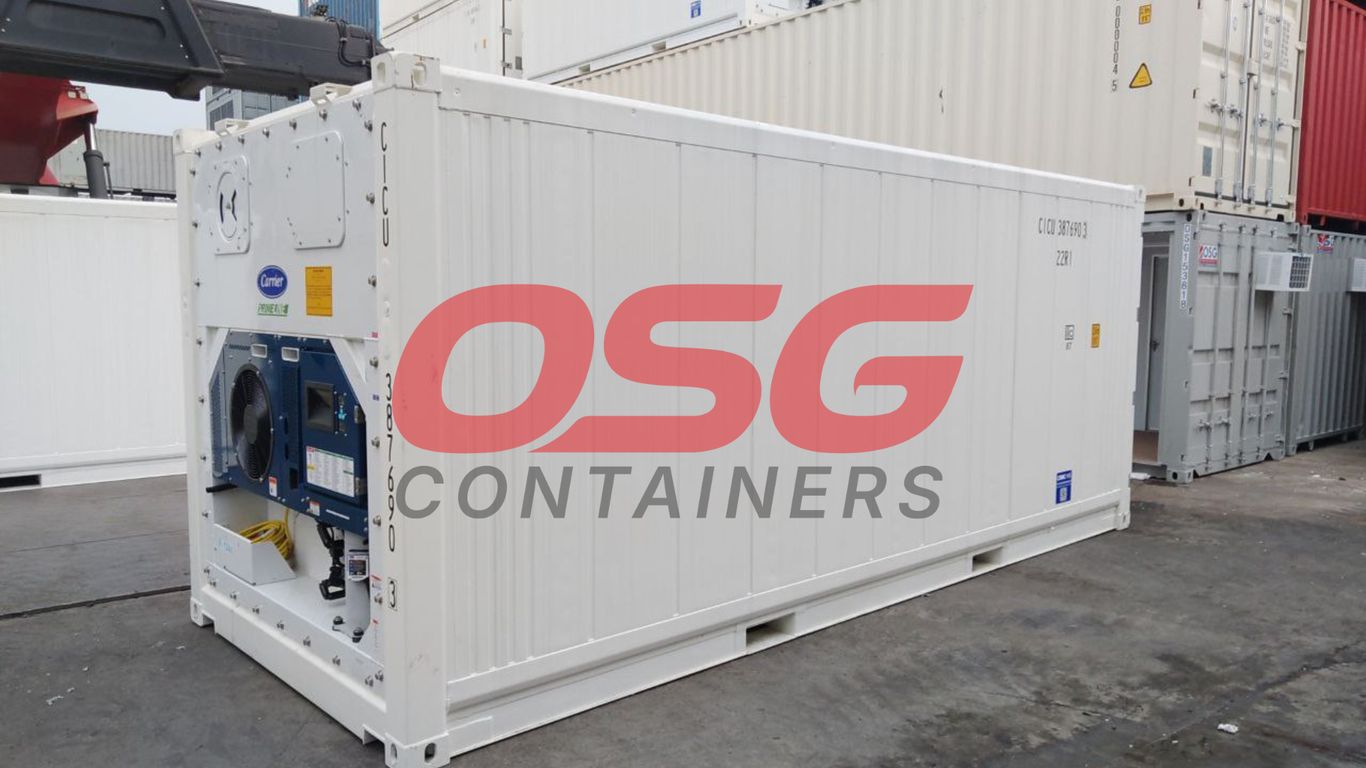
Keeping things cold while they travel across the globe is a big deal. We’re talking about everything from your favorite ice cream to important medicines. A lot of this relies on special boxes called reefer containers. These aren’t just any old boxes; they’re like mini-fridges on wheels (or ships!). This piece is going to look at what makes these reefers containers so important for keeping stuff fresh and safe, how they work, and why they’re a big part of how we get goods around today.
Key Takeaways
- Reefer containers are specialized, temperature-controlled units built to standard sizes, acting as mobile refrigerators to keep goods safe during transport.
- Their technical features, like advanced cooling systems, flexible power options, and good insulation, make them reliable for a wide range of temperatures.
- These containers are vital across many industries, including food, medicine, and chemicals, where maintaining specific temperatures is critical.
- Remote monitoring systems for reefers provide real-time data and alerts, giving better control and visibility over sensitive cargo.
- Choosing the right size (like 20ft or 40ft) and considering rental options can help businesses meet their specific cold storage and transport needs efficiently.
Understanding Reefer Containers
Defining the Reefer Container
So, what exactly is a reefer refrigerated container? Think of it as a specialized shipping container, but with a built-in cooling system. Unlike the regular metal boxes you see stacked on ships, these units are designed to keep things cold, or sometimes even warm, within a very specific temperature range. They’re built to tough international standards, meaning they can handle the rough and tumble of global shipping, whether that’s by sea, rail, or truck. The reefer container is the workhorse of the modern cold chain, keeping everything from your morning coffee beans to vital medicines fresh and safe during their long journeys.
Core Functions Beyond Basic Refrigeration
These aren’t just fancy refrigerators on wheels. Reefer containers do a lot more than just cool things down. Their main job is temperature preservation, actively managing the internal climate to prevent spoilage or damage to sensitive goods. But they also offer global mobility because they fit into existing shipping infrastructure, and some can even be adapted for specialized needs, like ultra-low temperature freezing.
Here’s a quick look at what they offer:
- Temperature Control: Actively cools or heats to maintain a set temperature, often from -40°C up to +25°C.
- Global Transport: Standardized sizes allow easy integration with ships, trains, and trucks.
- Cargo Protection: Prevents spoilage and degradation of perishable items.
- Specialized Options: Some units can achieve blast freezing or maintain very precise pharmaceutical-grade temperatures.
The real magic of a reefer container lies in its ability to maintain a stable internal environment, shielding its contents from the wildly fluctuating temperatures encountered during international transit. This consistent control is what separates it from simple insulated boxes.
Standardized Dimensions for Global Integration
One of the key reasons reefer containers are so effective is their standardization. They come in common sizes, most frequently 20-foot and 40-foot lengths, which are globally recognized. This means they can be easily loaded, unloaded, and transported using standard port equipment and logistics networks worldwide. This uniformity is what makes the global cold chain possible.
| Container Size | Typical Internal Volume | Common Uses |
|---|---|---|
| 20ft Reefer | ~33 cubic meters | Smaller shipments, local distribution, pharmaceuticals |
| 40ft Reefer | ~67 cubic meters | Large-scale food distribution, international cargo, bulk frozen goods |
Technical Excellence of Reefer Containers
Advanced Refrigeration Systems
Reefer containers aren’t just boxes with a cooler attached. They pack sophisticated refrigeration units, often using high-performance compressors. These systems are designed to handle a wide temperature range, typically from -40°C up to +25°C. This means they can keep things frozen solid or just nicely chilled, depending on what’s inside. The technology aims for consistent cooling, which is a big deal when you’re moving sensitive goods across the globe.
Power Flexibility and Generator Compatibility
One of the neat things about reefers is how they get their power. While they can plug into shore power at ports or warehouses, they also often come with generator sets (Gen-Sets). These can be attached to the container, either clipped on top or mounted underneath. This setup is a lifesaver for long journeys where shore power isn’t an option, like on a ship or a remote train. It means the temperature stays controlled no matter where the container is.
High-Quality Insulation for Thermal Stability
Keeping the temperature steady inside a reefer relies heavily on its insulation. Most modern units use high-density polyurethane foam. This stuff is really good at stopping heat from getting in or cold from escaping. Good insulation means the refrigeration unit doesn’t have to work as hard, which saves energy and keeps the internal temperature much more stable, even when it’s scorching hot or freezing cold outside. This stability is key for preventing spoilage.
Sophisticated Monitoring and Control Systems
Today’s reefers come with advanced digital sensors and control panels. You can set the exact temperature you need, and the system will maintain it. Many also have IoT capabilities, meaning they can send data about temperature, humidity, and even door openings to a central platform. This real-time information is super helpful for tracking the cargo’s condition throughout its journey and for any paperwork needed later.
The engineering behind these containers is all about reliability. They’re built to withstand rough handling during transit and to keep their internal environment precisely controlled, no matter the external conditions. This technical capability is what makes them so vital for global trade in perishable goods.
Reefer Containers Across Industries
Reefer containers aren’t just for keeping ice cream cold on a hot day. Their ability to maintain precise temperatures makes them super important for a bunch of different businesses. Think about it – without them, a lot of the food we eat, medicines we need, and even some industrial materials just wouldn’t make it to us in good condition.
Food and Beverage Cold Chain Integrity
This is probably the most obvious use. Fresh produce, dairy, seafood, frozen meats – they all need to stay at a specific temperature from the farm or factory all the way to your plate. A breakdown in this cold chain means spoiled goods, lost money, and potentially unsafe food. Reefers keep these items fresh and safe, supporting everything from local farmers’ markets to global grocery supply chains.
- Fresh Produce: Maintaining optimal humidity and temperature prevents wilting and spoilage.
- Dairy & Meats: Strict temperature control stops bacterial growth and preserves quality.
- Seafood: From catch to consumer, consistent cold temperatures are vital for freshness and safety.
- Frozen Goods: Ensuring deep freeze temperatures prevents thawing and refreezing cycles.
The journey of food from its origin to our tables relies heavily on these specialized containers to prevent spoilage and maintain nutritional value.
Pharmaceutical and Healthcare Transport
This is where things get really serious. Many medicines, vaccines, and biological samples are incredibly sensitive to temperature fluctuations. Even a small deviation can render them useless, or worse, harmful. Reefers used in this sector often have advanced monitoring systems and backup power to guarantee that critical shipments like vaccines, insulin, and blood plasma arrive safely and effectively.
- Vaccines: Require precise temperature ranges, often between +2°C and +8°C, to remain potent.
- Biologics: Sensitive proteins and other biological materials need stable, controlled environments.
- Blood Products: Must be kept within specific chilled or frozen parameters.
Chemical Industry Temperature Sensitivity
Some chemicals, especially specialty ones used in manufacturing or research, can degrade or become unstable if not stored and transported at the right temperature. Reefers provide a controlled environment that prevents unwanted chemical reactions or breakdown, which is key for safety and product integrity in these specialized applications.
Integrating Remote Monitoring for Reefers
Real-Time Data and Cloud-Based Platforms
Keeping tabs on your temperature-sensitive cargo used to be a guessing game, or at least involved a lot of phone calls and manual checks. Not anymore. Modern reefer containers can now be hooked up to sophisticated remote monitoring systems. Think of it like having a live dashboard for your entire fleet, accessible from pretty much anywhere. These systems use sensors inside the container to collect all sorts of data – not just the temperature, but also humidity levels, door openings, and even the status of the power supply. All this information gets sent wirelessly to a cloud-based platform. This constant stream of data means you always know exactly what’s happening with your shipment, second by second. You can see the current temperature, compare it to the target temperature, and track any changes over time. It’s a huge step up from just hoping for the best.
Alerts and Notifications for Proactive Management
Knowing what’s going on is one thing, but being able to act before a problem gets serious is where remote monitoring really shines. You can set up these systems to send you automatic alerts if something goes wrong. For example, if the temperature starts to creep up beyond the safe limit, or if a container door is left open too long, you’ll get an instant notification. This could be an email, a text message, or even a push notification on your phone. This heads-up allows you to jump in and fix the issue quickly, maybe by adjusting the settings remotely or dispatching someone to check on it. It helps prevent costly spoilage and keeps your cargo in top condition.
Here’s a quick look at how the alert system typically works:
- Threshold Setting: You define the acceptable ranges for temperature, humidity, etc.
- Event Trigger: When a reading goes outside these set limits, the system flags it.
- Notification Delivery: An alert is sent immediately via your preferred channel (email, SMS, app).
- Actionable Insight: You receive the information needed to decide on the next steps.
Ensuring Cargo Integrity Through Visibility
Ultimately, all this technology boils down to one thing: making sure the goods inside the reefer arrive in perfect condition. Having that real-time visibility and the ability to react quickly means you’re not just transporting goods; you’re actively managing their environment throughout the entire journey. This is especially important for things like fresh produce, pharmaceuticals, and other items that can’t afford any temperature fluctuations. It builds trust with your clients because you can provide proof that their valuable cargo was kept safe and sound. Plus, it helps with compliance and can even reduce waste by minimizing spoilage.
The integration of remote monitoring transforms reefer operations from a passive process to an active, data-driven management system. This shift allows for unprecedented control over the cold chain, minimizing risks associated with temperature excursions and operational failures. By providing continuous insights, businesses can optimize logistics, reduce losses, and uphold the quality of sensitive goods from origin to destination.
Choosing the Right Reefer Container
Picking the right refrigerated container is a bit like choosing the right tool for a job – you need one that fits the task perfectly. It’s not just about getting a reefer, but getting the best reefer for what you need to do.
Standard 20ft Reefer Container Applications
The 20-foot refrigerated container is a solid workhorse for many businesses. It’s compact enough to fit in tighter spots, making it great for smaller operations or local distribution. Think of restaurants needing extra cold storage, farms preserving their harvest, or pharmacies keeping vaccines safe. Its smaller size means it’s easier to manage if space is limited, but it still packs the punch needed for reliable temperature control.
Expanded Capacity with 40ft Reefer Containers
When you’re dealing with bigger volumes, like a large food processing plant or international shipping, the 40-foot refrigerated container is the way to go. It gives you significantly more space to store bulk frozen goods or large batches of produce. This size is ideal for major distribution hubs or when you’re moving a lot of product across long distances. You get the same high-performance cooling but with the capacity to handle larger demands.
Rental and Flexible Deployment Options
Sometimes, buying a refrigerated container outright isn’t the best fit. Maybe you have a seasonal business, a one-off event, or you need temporary storage while your main facility is being worked on. That’s where renting comes in. Rental options offer a flexible way to get the cold storage you need, when you need it, without a big upfront investment. You can deploy these units where they’re needed most, whether it’s a remote construction site or a busy catering operation during peak season. This adaptability is a real game-changer for managing fluctuating needs.
Durable Construction and Practical Applications
Robust Steel Structures for Demanding Environments
Reefer containers are built tough, just like their standard shipping container cousins. They’re made from strong steel, designed to handle the bumps and shakes of being moved around on ships, trains, and trucks. This means they can stand up to pretty rough conditions without falling apart. Inside, you’ve got insulated walls to keep the temperature steady and floors that can hold a lot of weight, like stacks of pallets. The doors seal up tight, which is key for keeping that cold air in. Basically, these things are made to last, whether they’re sitting still for a while or traveling across the globe.
Mobile Cold Storage Solutions
One of the best things about reefer containers is that they’re not stuck in one place. Need extra cold storage for a big event or during a busy season? You can just rent or buy a reefer and put it right where you need it. This is super handy if your regular cold storage is full or if you’re working on a project in a remote location. They act like portable walk-in coolers or freezers, giving you flexibility that a permanent building just can’t match. You can move them around as your needs change, which is a big plus for businesses that don’t always need the same amount of space.
Scalable Infrastructure for Growing Businesses
As your business grows, your storage needs often grow too. Reefer containers offer a smart way to scale up your cold storage without having to build a whole new facility. You can start with one or two containers and then add more as your business expands or as you take on new clients. They can be stacked up to save space or placed in different spots around your property. This makes them a really adaptable option for companies that are expanding into new markets or just dealing with changing demand. It’s a way to get the cold storage you need, when you need it, without a massive upfront investment in fixed infrastructure.
The real advantage of reefer containers lies in their ability to provide controlled environments that can be deployed almost anywhere, offering a practical middle ground between the immobility of fixed warehouses and the limitations of less robust temporary solutions. This makes them invaluable for maintaining supply chain integrity across diverse operational landscapes.
Sustainability in Reefer Operations
Minimizing Environmental Impact
Reefer containers, while vital for keeping goods fresh, can have a noticeable environmental footprint. This comes mainly from the energy they use to run their cooling systems and the types of refrigerants involved. Older units or those not well-maintained can be real energy hogs. Plus, some refrigerants used in the past are known to be bad for the planet’s atmosphere. The goal is to make sure these essential transport units are as green as possible.
Energy-Efficient Practices
Making reefer operations more sustainable often comes down to smart choices and good maintenance. It’s not just about the container itself, but how it’s used and looked after.
- Regular Maintenance: Keeping the refrigeration unit in top shape means it runs more efficiently, using less power.
- Optimized Loading: Packing containers efficiently reduces wasted space and the need for extra cooling.
- Route Planning: Shorter routes or routes that avoid extreme heat can cut down on energy use.
- Shore Power: When docked, using electricity from the port instead of running a generator saves fuel and cuts emissions.
Adopting Eco-Friendly Refrigerants
The type of refrigerant inside a reefer unit matters a lot for its environmental impact. Many older refrigerants had a high Global Warming Potential (GWP), meaning they contributed significantly to climate change if they leaked out. The industry is moving towards newer, more environmentally sound options.
- Lower GWP Refrigerants: These are designed to have a much smaller impact on global warming.
- Natural Refrigerants: Some systems are exploring options like CO2 or propane, which have very low GWP, though they might require different equipment.
- Leak Detection and Prevention: Better seals and monitoring systems help stop refrigerants from escaping in the first place.
The shift towards greener operations isn’t just about following rules; it’s about responsible business. Companies are realizing that sustainable practices can also lead to cost savings through reduced energy consumption and fewer environmental penalties. It’s a win-win for the planet and the bottom line.
Wrapping It Up
So, we’ve talked a lot about these reefer containers and how they fit into the whole cold storage picture. It’s pretty clear they’re not just fancy boxes; they’re a pretty big deal for keeping all sorts of temperature-sensitive stuff safe, whether it’s food, medicine, or something else. The tech inside them keeps things just right, no matter how far they travel. Plus, with all the new ways to keep an eye on them remotely, it feels like we’re getting a much better handle on the whole process. It’s all about making sure things don’t go bad and get to where they need to be in good shape. It’s a complex system, but these containers are definitely a key part of making it all work.
Frequently Asked Questions
What exactly is a reefer container?
Think of a reefer container as a super-smart, temperature-controlled box for shipping things that need to stay cold or frozen. It’s like a big, tough refrigerator on wheels (or on a ship!). It has its own cooling system built-in and is well-insulated to keep the temperature steady, no matter how hot or cold it is outside. They come in standard sizes, like 20-foot and 40-foot, so they fit easily onto ships, trains, and trucks all over the world.
How do reefer containers keep things cold?
Reefer containers have special machines called refrigeration units. These units work like the ones in your fridge or freezer, but much stronger! They can cool the inside down to very low temperatures, sometimes as cold as -40°C (-40°F), or even warm it up if needed. They also have thick walls made of special foam to stop the cold air from escaping and the warm air from getting in. This keeps the temperature inside nice and steady.
Can reefer containers be used for more than just food?
Absolutely! While they’re famous for keeping food fresh, reefer containers are also super important for other things. They’re used to ship medicines, like vaccines and insulin, that need to stay at exact temperatures. They can also transport sensitive chemicals or even flowers that need to be kept cool. Basically, anything that can spoil or get damaged by the wrong temperature can travel safely in a reefer.
What is ‘remote monitoring’ for reefer containers?
Remote monitoring is like having a remote control and a security camera for your reefer container, but way more advanced! It uses technology to let people check the temperature and other conditions inside the container from anywhere, using a computer or phone. If the temperature goes out of the safe range, or if something else goes wrong, it sends an alert right away. This helps prevent food or medicine from spoiling before it’s too late.
Are there different sizes of reefer containers?
Yes, there are! The most common sizes are 20-foot and 40-foot long. The 20-foot ones are good for smaller amounts of goods or when space is tight. The 40-foot ones are bigger and can hold a lot more, perfect for big shipments or distribution centers. You can also rent them if you only need one for a short time, which is handy for busy seasons or special events.
Are reefer containers good for the environment?
Companies are working hard to make reefer containers more eco-friendly. They use better insulation to need less power, and they’re developing cooling systems that use less energy. Also, they are switching to special coolants (refrigerants) that don’t harm the planet as much. So, while they use energy, the technology is getting better at being kinder to the environment.