Singapore
 Australia
 Indonesia
 Japan
Japan Malaysia
 New Zealand
 Philippines
 South Korea
 Taiwan
 Thailand
 VIETNAM
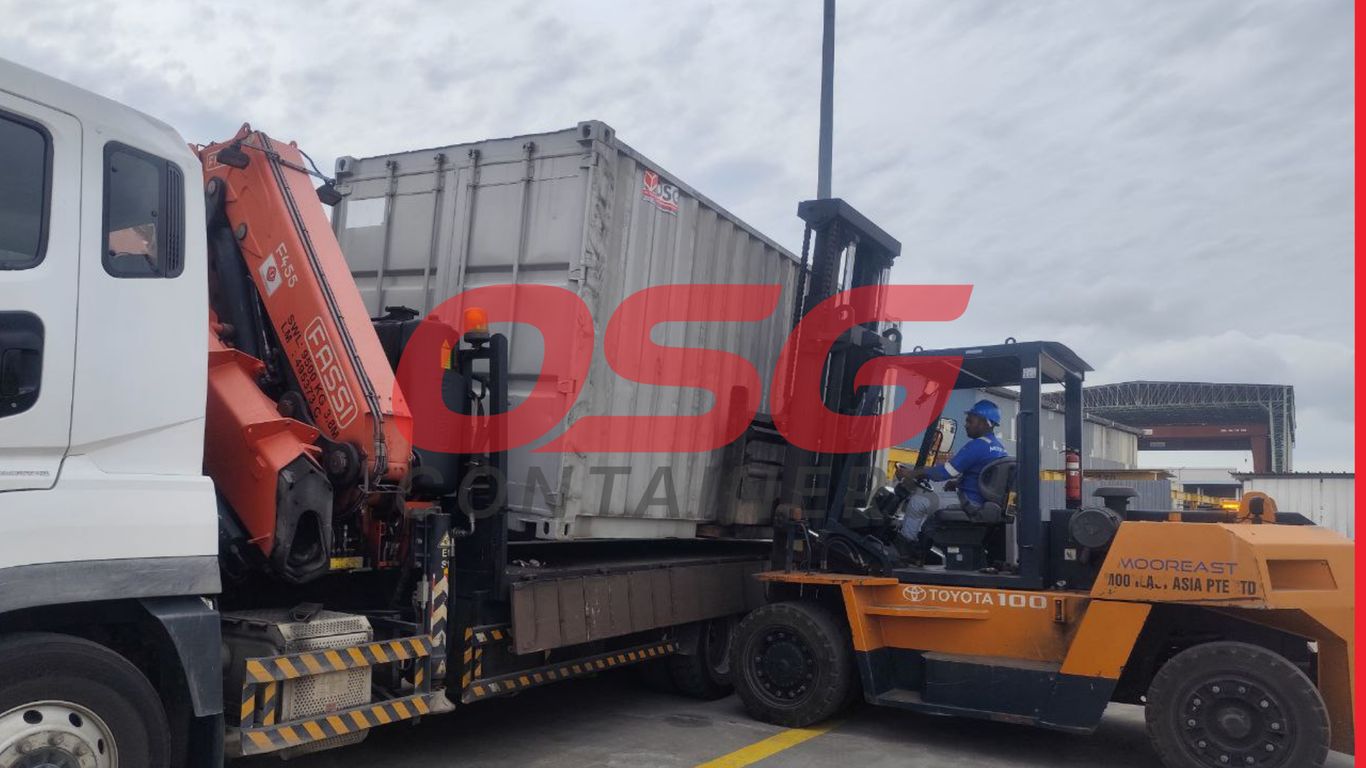
So, you’re thinking about renting freight containers? It’s a smart move for a lot of businesses. Instead of buying, you can lease these reusable boxes for moving goods around. This whole system is about making sure containers get used over and over, cutting down on waste and making shipping smoother. We’ll look at how these freight containers for rent work, from managing them to getting them back, and why it might be a good idea for your operations.
Key Takeaways
- Renting freight containers, also called reusable transport packaging, means using durable containers multiple times instead of disposable ones. This cuts costs and waste.
- Container leasing programs involve managing a pool of containers, tracking their use, and handling their return through reverse logistics to keep them in circulation.
- Using these containers can make warehouses run better, improve how customers get their orders, and work well in many different industries.
- Businesses need to look at the total cost over the container’s life and make sure they follow any rules. Good data helps make the system work best.
- While there are challenges like initial costs and getting people to change, renting containers offers chances to be more sustainable, build a stronger supply chain, and save money in the long run.
Understanding Freight Containers For Rent
Renting containers, often referred to as container rental or simply renting container services, is a flexible approach to managing your shipping and storage needs without the commitment of outright ownership. Instead of buying cargo containers, businesses can lease them for specific periods, which can be short-term for temporary projects or long-term for ongoing operations. This model is particularly useful for companies that experience fluctuating demand or need specialized equipment for a limited time. It allows for better capital management, as funds aren’t tied up in depreciating assets. The core idea is to provide access to necessary transport packaging when and where it’s needed.
Defining Returnable Transport Packaging
Returnable transport packaging, or RTP, encompasses any container designed for repeated use in the movement of goods. This includes everything from pallets and crates to the more robust freight containers we’re discussing. The key characteristic is their durability and suitability for multiple trips, contrasting with single-use packaging. When we talk about renting containers, we’re primarily focusing on these durable, reusable units that form the backbone of many supply chains. They are built to withstand the rigors of intermodal transport – moving between ships, trains, and trucks.
Historical Context of Reusable Containers
The concept of reusable containers isn’t new, but its scale and standardization have evolved dramatically. Early forms of standardized shipping containers emerged in the mid-20th century, revolutionizing global trade by simplifying loading and unloading processes. Before this, cargo was often handled piece by piece, a slow and inefficient method. The introduction of intermodal containers meant that goods could be packed once and then transported across vast distances with minimal handling. The leasing market grew alongside this, allowing shipping lines and other businesses to access these vital assets without massive upfront investment. This historical shift paved the way for the modern container rental industry we see today.
Core Principles of Container Programs
Effective container rental programs are built on a few key principles. Firstly, flexibility is paramount, allowing businesses to scale their container needs up or down as required. Secondly, availability and accessibility are critical; containers need to be where the customers need them, when they need them. This often involves a global network of depots. Thirdly, cost-effectiveness is a major driver, with rental agreements structured to provide a predictable expense. Finally, condition and compliance are non-negotiable; rented containers must meet industry standards for safety and usability. These programs aim to simplify logistics, reduce operational friction, and support efficient trade flows.
| Lease Type | Description |
|---|---|
| Short-Term Lease | Ideal for temporary needs, typically 1-3 years, allowing scaling up for specific projects or seasonal demand. |
| Long-Term Lease | Cost-effective for ongoing operations, keeping fleet costs fixed and preserving capital for other uses. |
| Master Lease | Offers maximum flexibility for fluctuating demand, with easier pick-up and drop-off globally. |
| Lifecycle Lease | A very cost-effective option for 14+ years, reducing daily operating costs with end-of-term flexibility. |
The practice of renting containers has become a standard operational strategy for many businesses involved in international trade and domestic logistics. It provides a dynamic solution to the ever-changing demands of moving goods, offering a practical alternative to purchasing and managing a fleet of owned assets.
Operational Mechanics of Container Leasing
Container Pool Management
Managing a pool of rentable containers is all about keeping track of where everything is and making sure it’s ready to go. Think of it like a big library, but for boxes. You’ve got containers scattered across different locations, some full of goods, some empty, and some waiting for repairs. The goal is to have the right container, in the right place, at the right time. This involves a lot of coordination, often using specialized software to monitor inventory levels, container status (like ‘in use,’ ‘available,’ or ‘undergoing maintenance’), and their physical locations. Companies use depot networks to store, clean, and repair containers, making them ready for the next renter. Effective pool management means minimizing idle time and maximizing the number of containers actively generating revenue.
Reverse Logistics Processes
Once a container has been used, it needs to come back into the system. This is where reverse logistics kicks in. It’s the process of moving containers from the end-user back to a point where they can be inspected, cleaned, repaired if needed, and then redeployed. This isn’t just about driving a truck back to the depot; it involves planning routes, coordinating pickups, and managing the flow of empty containers. Sometimes, containers are returned to a different location than where they were picked up, which adds another layer of complexity. The efficiency of this process directly impacts how quickly a container can be leased out again.
Here’s a typical flow:
- Emptying and Inspection: The recipient unloads the goods and performs an initial check of the container’s condition.
- Return Coordination: The renter contacts the leasing company to arrange for the container’s return, specifying the location and timing.
- Repositioning: Empty containers are transported, often through a network of trucking and rail services, to designated depots.
- Depot Processing: At the depot, containers are thoroughly inspected, cleaned, and any necessary repairs are made.
- Re-entry into Pool: Once certified as ready, containers are added back to the available pool for new leases.
Key Performance Indicators for Utilization
To know if the container leasing operation is running smoothly, you need to look at some numbers. These are the Key Performance Indicators (KPIs). For container leasing, a big one is the utilization rate. This tells you what percentage of your total container fleet is actually being used by customers at any given time. A high utilization rate means you’re making good use of your assets. Other important metrics include:
- Dwell Time: How long a container sits idle at a depot or customer location before being moved or returned.
- Turnaround Time: The total time it takes for a container to go from being returned to being ready for its next lease.
- Damage Rate: The percentage of containers that require repairs due to damage during use.
- On-Time Return Rate: How often containers are returned by customers according to the agreed schedule.
Tracking these numbers helps identify bottlenecks in the process. If dwell time is too high, it might mean there are issues with depot capacity or the efficiency of the return logistics. A rising damage rate could point to problems with container maintenance or how customers are handling the equipment.
| KPI Name | Description | Target Range | Notes |
|---|---|---|---|
| Utilization Rate | Percentage of containers actively leased out. | 85-95% | Higher is generally better. |
| Average Dwell Time | Average time a container spends idle at a depot or customer site. | < 7 days | Shorter is more efficient. |
| Container Turnaround | Time from return to ready-for-lease status. | < 3 days | Faster means quicker redeployment. |
| Damage Rate | Percentage of containers needing repair due to damage. | < 2% | Indicates maintenance and handling issues. |
| On-Time Return Rate | Percentage of containers returned by the lease end date. | > 98% | Reflects customer compliance. |
Real-World Applications of Reusable Containers
Warehouse and Fulfillment Streamlining
Think about a busy warehouse. Stuff is constantly moving in and out. Using reusable containers, like sturdy plastic totes, can really clean things up. Instead of dealing with a mountain of cardboard boxes that need breaking down and recycling, you’ve got containers that are ready to go again. This means receiving is quicker, putting items away is more organized, and picking orders becomes less of a hassle. For example, an electronics maker might use these totes to ship parts to their assembly line, and then use the same ones for the finished products heading to a distribution center. Warehouse systems can even be set up to work with these containers, making inventory management smoother and saving space. It’s not just about looking tidy; it can actually cut down on labor costs and reduce the chances of products getting damaged during transit.
- Faster receiving and put-away processes.
- Improved organization for picking and packing.
- Reduced waste from single-use packaging.
- Potential for automation integration with AGVs or AS/RS.
Standardized reusable containers simplify the flow of goods within a facility, making operations more predictable and efficient.
Enhancing Omnichannel Customer Experience
When you buy something online and need to send it back, it can be a pain. Returnable containers can actually make this whole process much less annoying for the customer. Imagine a clothing store sending out an order in a nice, branded tote. If the customer needs to return something, they can just use that same tote to send it back. It’s way simpler than finding a box and tape. This not only makes customers happier but also makes the brand look good – like they care about the environment. Plus, the data you get from tracking these containers can tell you a lot about what’s being returned, maybe even hinting at product issues. Telling customers you’re using reusable packaging can also win over people who care about sustainability, building up loyalty.
Industry-Specific Deployments
Reusable containers aren’t just for one type of business; they’re showing up everywhere. In the food industry, specialized containers keep produce fresh during transport and are easy to clean. Automotive manufacturers use them for parts moving between suppliers and assembly plants, ensuring delicate components aren’t damaged. The beverage industry has a long history of using reusable crates for bottles. Even in healthcare, sterile, reusable containers are used for medical supplies and equipment, meeting strict hygiene standards. The key is that each industry finds a way to adapt the basic idea to its specific needs, whether it’s temperature control, impact resistance, or easy sanitization.
Financial and Compliance Aspects
When you’re looking at renting freight containers, the money side of things and following the rules are pretty important. It’s not just about getting a box to move stuff; there’s a whole financial picture and a set of regulations to keep in mind.
Lifecycle Cost Analysis
Thinking about the total cost of using a rented container over its entire life is key. This means looking beyond just the rental fee. You’ve got to factor in things like:
- Initial rental charges: The basic cost to get the container.
- Maintenance and repair: Who pays if it gets damaged? What’s the cost of regular upkeep?
- Cleaning fees: Especially if you’re using them for specific industries or returning them to a pool.
- Transportation costs: Getting the container to where you need it and back.
- Potential fees for delays or damage: What happens if it’s late or comes back in bad shape?
Understanding these costs helps you compare different rental options and avoid surprises down the line. It’s about getting the best value, not just the lowest upfront price.
Regulatory Compliance and Reporting
There are rules and laws about packaging and waste that you need to follow, and these are getting stricter. For instance, some regions have Extended Producer Responsibility (EPR) laws that make companies responsible for the end-of-life management of their packaging. Using reusable containers can help meet these requirements, but you need to track them properly.
- Tracking container usage: Knowing where your containers are and how often they’re used is vital for reporting.
- Demonstrating waste reduction: Reusable containers inherently reduce single-use waste, which is good for compliance.
- Meeting industry standards: Some industries have specific rules about the types of containers allowed or how they must be handled.
Proper documentation and data collection are your best friends here. If an auditor asks questions, you need to have the records to back up your claims about container use and environmental impact. It’s about being able to prove you’re doing things right.
Data Analytics for Optimization
The data you collect from your container rental program can tell you a lot. It’s not just about tracking; it’s about using that information to make things better. You can look at:
- Utilization rates: How often are your containers actually being used? Are there periods where they’re sitting idle?
- Return times: How long does it take for containers to get back to the depot or to their next destination?
- Damage and loss patterns: Are certain types of containers or routes experiencing more issues?
Analyzing this data helps you fine-tune your operations, maybe by adjusting rental periods, optimizing routes, or choosing different container types for specific jobs. It turns a simple rental into a smarter business decision.
Challenges and Strategic Opportunities
Getting a system for reusable freight containers up and running isn’t always a walk in the park. There are definitely some hurdles to jump over, but on the flip side, there are some pretty big upsides to consider too.
Implementation Hurdles and Change Management
Let’s be real, setting up a program for returnable containers means you’re going to face some bumps. For starters, that initial cost can be a bit of a shocker. You’re looking at buying a bunch of containers, maybe setting up new cleaning stations, and figuring out how to track everything. It all adds up, and you need to have a solid financial plan to back it up. Then there’s the whole getting-everyone-on-board part. People are used to doing things a certain way, and introducing new containers and processes can feel like a hassle. You’ve got to train folks, explain why it’s important, and sometimes, just get them to accept that things are changing. It’s not just about the physical containers; it’s about changing how people think about moving goods.
- Initial Investment: Significant upfront costs for container purchase and infrastructure.
- Supply Chain Coordination: Getting all partners to agree on standards and processes can be tough.
- Reverse Logistics Complexity: Establishing efficient routes and methods for returning empty containers.
- Employee Adoption: Overcoming resistance to new workflows and handling procedures.
- Damage and Loss: Implementing systems to minimize container damage and prevent loss.
Successfully rolling out a reusable container program often requires a step-by-step approach. Starting with a pilot program in one area can help iron out the kinks before a full-scale launch. Strong backing from leadership also makes a huge difference in pushing through changes and getting everyone to buy in.
Value Creation Through Sustainability
Beyond just avoiding the cost of disposable packaging, these reusable systems offer some really neat strategic advantages. Think about it: you’re cutting down on waste, which is good for the planet, and that can actually make your company look better to customers and investors. It shows you’re thinking long-term and responsibly. Plus, when you’re not constantly buying new boxes or pallets, you can see some real savings over time. And the data you collect on how the containers are used? That’s gold. It can help you spot inefficiencies in your shipping routes or even give you ideas for improving product packaging down the line. Ultimately, a well-run reusable container program can become a competitive edge.
Building Supply Chain Resilience
In today’s world, supply chains can get pretty shaky. Using a pool of reusable containers can actually make yours more robust. Instead of relying on a constant stream of single-use items that might get delayed or become scarce, you have a set of assets that you control and can cycle back. This reduces your dependence on external suppliers for packaging materials, which can be a lifesaver when disruptions happen. It gives you more stability and predictability in your operations, making it easier to keep things moving even when the unexpected occurs. It’s about having a more dependable system in place.
Future Trends in Container Logistics
The way we handle freight containers for rent is always changing, and there are some pretty interesting things on the horizon. Think about it: what’s next for these reusable boxes?
Technological Integration and Automation
One big shift we’re seeing is more tech getting plugged into how containers move around. Automation is a huge part of this. Robots and automated systems are starting to handle containers more, from loading and unloading to cleaning them up. This means things can move faster and with fewer people needed for the grunt work. We’re talking about a future where smart systems track containers in real-time, telling us exactly where they are and what condition they’re in. This isn’t just about knowing where your stuff is; it’s about making the whole process smoother and cutting down on those annoying delays.
Circular Economy Integration
Beyond just reusing containers, the idea of a circular economy is really taking hold. This means we’re not just thinking about the container’s journey from A to B and back, but about its entire life and how it fits into a bigger picture of reducing waste. Companies are looking at how containers can be designed for easier repair and recycling at the end of their long life. It’s about making sure that even when a container is done being useful, its parts can be used again. This approach helps businesses meet sustainability goals and can even open up new revenue streams from recycled materials.
Evolving Market Benchmarks
What we consider ‘good’ when it comes to container use is changing too. The old ways of measuring success might not cut it anymore. We’re starting to see a push for higher container utilization rates – basically, making sure those containers are being used as much as possible and not sitting around empty. This ties into reducing costs and being more efficient. Plus, with more focus on environmental impact, benchmarks are likely to include metrics related to carbon footprint reduction and waste diversion. It’s a move towards a more holistic view of performance, where both economic and ecological factors matter.
The push for greener supply chains means that how we manage reusable containers is becoming a key part of a company’s overall environmental strategy. It’s not just a logistical detail anymore; it’s a statement about a company’s commitment to sustainability and responsible business practices. This shift is influencing everything from container design to the software used to manage them.
Wrapping It Up
So, renting freight containers isn’t just about getting a box to move stuff. It’s a whole system, from when you first get it to when it goes back. Keeping track of these containers, making sure they get cleaned and fixed up, and getting them back where they need to be – that’s the real work. It takes planning and good systems, but when it works, it saves money and is better for the planet. It’s a bit like managing a library, but with big metal boxes. You want them used, cared for, and returned so someone else can use them too. It’s all about keeping things moving smoothly and efficiently.
Frequently Asked Questions
What exactly are returnable containers?
Think of returnable containers as super-durable boxes or bins that companies use over and over again instead of throwing away cardboard ones. They’re built tough to handle many trips, helping businesses move goods more efficiently and create less trash.
Why did companies start using these reusable containers?
Companies began using them way back in the early 1900s, especially in car making and drink companies. They wanted to save money and make their work smoother. Over time, as shipping goods around the world became more common and people started caring more about the environment, these containers became even more popular.
How do these containers get back to where they need to be?
It’s like a circle! Goods are shipped in the containers. Once the goods are delivered, the empty containers are sent back to a central spot. There, they get cleaned, checked to make sure they’re still in good shape, and then sent out again for another round of shipping.
What are the main goals when managing these containers?
The main goals are to keep track of where the containers are, make sure they’re being used as much as possible, and figure out how much it costs to use them over their entire life. This includes buying them, fixing them, cleaning them, and moving them around.
Can using these containers help customers or make shopping better?
Yes! For example, if you’re returning something you bought online, using a reusable container can make the return process simpler. It also shows that the company cares about the environment, which many shoppers like.
What are some difficulties in using these containers?
Starting out can cost a lot of money. It also takes effort to get everyone in the supply chain to work together and follow the new rules. Sometimes containers get lost or damaged, so keeping a close eye on them is important.