Singapore
 Australia
 Indonesia
 Japan
Japan Malaysia
 New Zealand
 Philippines
 South Korea
 Taiwan
 Thailand
 VIETNAM
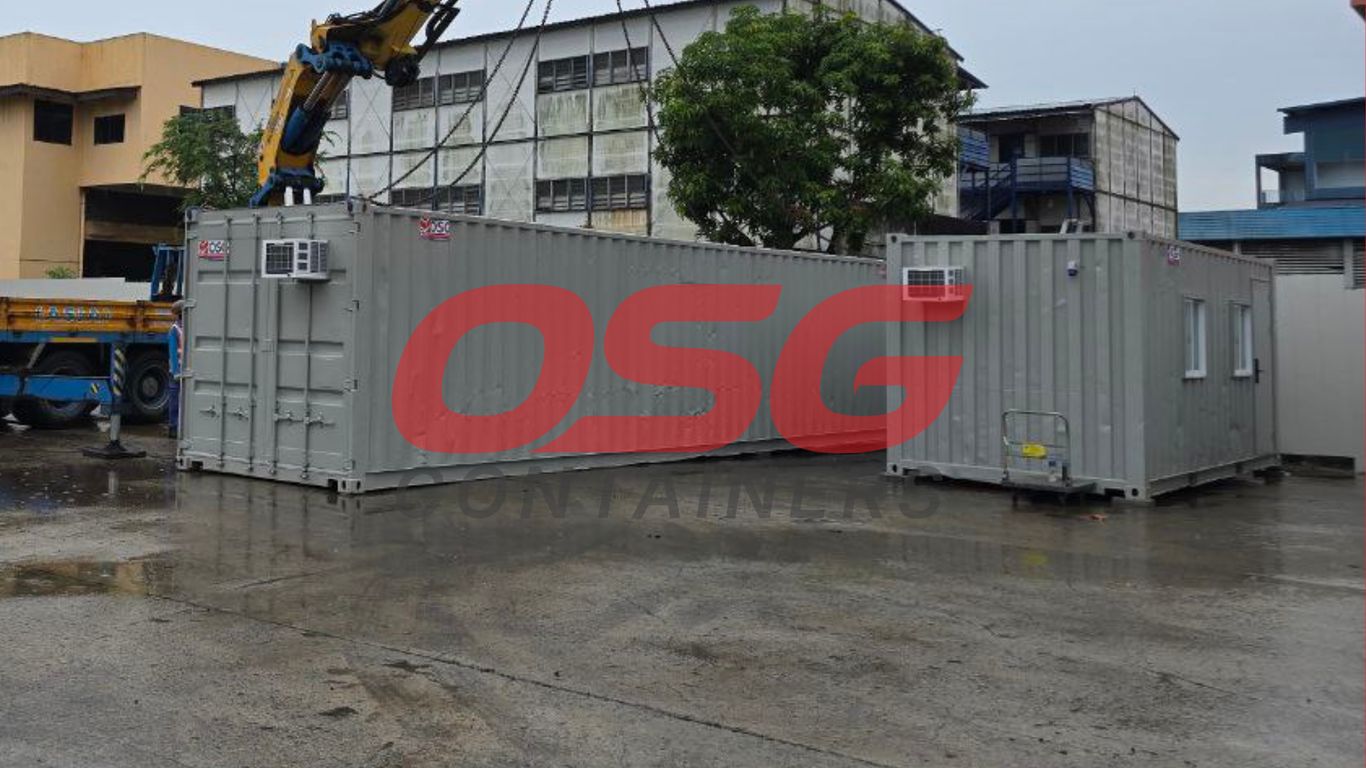
Moving big, oddly shaped cargo is never simple. Anyone who’s ever watched a wind turbine blade or a huge machine part being shipped knows how tricky it can get. That’s where the open top container comes in. It’s a practical solution for project cargo and breakbulk operations, especially when the cargo just won’t fit in a regular box. In this article, we’ll look at how open top containers are used, why they’re sometimes better than traditional breakbulk methods, and what you need to think about if you’re planning to use them for your next big shipment.
Key Takeaways
- Open top containers are a go-to choice for shipping tall or oddly shaped project cargo that won’t fit in standard containers.
- Compared to breakbulk, open top containers offer better cargo protection and usually speed up loading and unloading.
- These containers are used a lot in industries like construction, machinery, and forestry where oversized items are common.
- Planning is important—open top container shipments need careful lashing, weather protection, and sometimes special equipment.
- While open top containers solve many problems, they’re not perfect for every shipment, so it’s smart to weigh your cargo’s needs before choosing.
Understanding Open Top Containers in Project Cargo
Defining Project Cargo and Its Unique Needs
Project cargo is a bit of a beast. It’s not your everyday shipment of t-shirts or electronics. We’re talking about massive, heavy, and often oddly shaped items that are part of a larger industrial project. Think giant turbines for a power plant, huge pieces of machinery for a factory, or components for a bridge. These aren’t things that just get tossed into a standard box. They have specific requirements for handling, transport, and timing, often because they’re part of a tight construction schedule where delays can cost a fortune. The whole point is getting these specialized pieces from point A to point B without a hitch, and that’s where things get interesting.
The Role of Specialized Containers
Because project cargo is so unique, standard shipping containers just don’t cut it. That’s where specialized containers come into play. While flat racks are common for items that stick out the sides or top, the cntr open top is a real workhorse for tall cargo. It’s basically a standard container, but without a solid roof. Instead, it has a removable tarpaulin cover. This might sound simple, but it makes a huge difference for certain types of loads. It allows for vertical loading, which is a game-changer when you’re dealing with equipment that’s taller than a standard container door.
Open Top Container Advantages for Tall Cargo
So, why pick an open top container for these big jobs? Well, for starters, loading tall items is way easier. You can use a crane to lower the cargo directly into the container from above. This is often much faster and safer than trying to force something tall through a side door. It also means you can pack more vertically, potentially fitting more into the container than you could otherwise. Plus, once it’s loaded and covered with the tarpaulin, it still offers a good level of protection from the elements, keeping your valuable cargo safe during its journey. It’s a smart way to handle cargo that just won’t fit neatly into the usual shipping boxes.
Open Top Containers Versus Traditional Breakbulk
When we talk about moving big, awkward stuff for projects, it often comes down to two main ways: using specialized containers like the open-top kind, or going the traditional breakbulk route. They’re both for heavy-duty shipping, but they work quite differently.
Key Differences in Handling and Stowage
Breakbulk shipping is pretty much what it sounds like – cargo that isn’t put into containers. Think massive industrial machines, huge pipes, or even yachts. Each piece is handled one by one, often lifted directly onto the ship by cranes. This takes time and a lot of careful planning to make sure everything is secured properly. It’s like packing a truck with oddly shaped furniture; you have to place each item just right.
Open-top containers, on the other hand, are standard shipping containers but without a solid roof. You load them from the top, usually with a crane. Once loaded, they get a tarp and are treated much like regular containers. This means they can be stacked on ships and moved around with the same automated equipment used for all containerized cargo. It’s a bit more structured than breakbulk, fitting into the existing container shipping system.
Here’s a quick look at how they stack up:
| Feature | Breakbulk | Open Top Container |
|---|---|---|
| Handling | Individual item, often manual or crane | Top-loaded, then handled as a container |
| Stowage | Direct on deck or in holds, requires dunnage | Stacked with other containers |
| Speed | Slower loading/unloading | Faster, integrated with container terminals |
| Cargo Type | Oversized, non-standard, heavy | Tall, bulky, but fits within container dims |
| Port Needs | Can use smaller, less equipped ports | Requires container handling facilities |
When Open Top Containers Offer Superiority
Open-top containers really shine when you have cargo that’s too tall for a standard container but still fits within its length and width. Imagine large vertical machinery, pre-fabricated building modules, or even certain types of industrial equipment that need to be kept upright. Loading from the top with a crane is way easier than trying to maneuver these items into a regular container or dealing with the complexities of breakbulk handling for every single piece.
Using an open-top container can sometimes bridge the gap between fully containerized and traditional breakbulk. It allows for some of the benefits of container shipping, like easier intermodal transfer and protection from the elements (once covered), while still accommodating cargo that wouldn’t normally fit.
They also offer a good balance for security. Once the cargo is loaded and the tarp is secured, it’s much harder for someone to tamper with compared to breakbulk cargo sitting exposed on deck. Plus, they can often be moved through container terminals more efficiently than breakbulk cargo, potentially cutting down on transit times.
Limitations of Breakbulk for Certain Project Loads
While breakbulk is the go-to for truly massive or irregularly shaped items, it has its downsides. The handling process is labor-intensive and can be slower, which adds to costs. There’s also a higher risk of damage if the cargo isn’t secured perfectly, especially on longer voyages or in rough seas. For items that are tall but otherwise fit within container dimensions, breakbulk might be overkill, leading to unnecessary expense and complexity.
Breakbulk also requires specific port infrastructure and skilled labor for each lift. If a port isn’t equipped to handle very heavy or oversized items, it can become a major bottleneck. This is where open-top containers can be a lifesaver, fitting into the more standardized container logistics network that’s available at most major ports worldwide.
Advantages of Using Open Top Containers
Open top containers have really shaken up how oversized, awkward, or oddly shaped shipments move, especially when we’re talking project cargo and breakbulk operations. Everyone involved, from shippers to logistics coordinators, are constantly looking for ways to keep cargo safe, make loading easier, and save time. Here’s how open top containers help:
Enhanced Cargo Protection and Security
- Open top containers provide a protective shell, keeping valuable or fragile cargo sheltered from weather, theft, and bumps along the way.
- Unlike breakbulk, where items are lashed directly to the ship’s deck or hold, the container’s structure offers an added layer of shielding against rain, wind, and salty air.
- The ability to add tarpaulins over the open roof keeps the contents dry while making it easy to inspect or ventilate as needed.
- Security seals and locks cut down on unauthorized access during transit or at busy ports.
Many shippers sleep better at night knowing their cargo is in a solid, lockable space rather than exposed on a vessel’s deck.
Flexibility in Loading and Securing
- Cargo that’s too tall or oddly shaped for traditional containers fits easily from above—cranes and forklifts can drop heavy equipment straight in.
- Side or roof loading cuts down on tricky maneuvering required by standard containers, making the process much simpler for oversized items.
- Flexible internal lashing points let operators secure cargo tightly, reducing the risk of shifting or damage mid-journey.
Typical cargo best suited for open tops:
- Industrial machinery with tall profiles
- Pipes, beams, or logs that won’t go through container doors
- Parts assembled onsite that exceed regular container height
Streamlined Handling and Transit Times
- Open top containers are handled as single units, using gantry cranes or forklifts, which speeds up loading and unloading versus breakbulk’s item-by-item system.
- Standardized container dimensions allow for easy stacking and organized stowage on vessels, trains, or trucks, reducing bottlenecks in ports.
- Steady processes help keep to tight project schedules, cutting down on demurrage or costly delays.
Quick comparison: Open Top Containers vs. Breakbulk for Handling & Transit
| Aspect | Open Top Containers | Breakbulk |
|---|---|---|
| Loading/Unloading | Quicker, unitized crane moves | Slower, piece-by-piece |
| Cargo Protection | High – container walls & tarp | Lower – exposed to elements |
| Handling Risk | Lower – less manual movement | Higher – multiple lifts |
| Security | High – lockable units | Lower – accessible cargo |
If you’re thinking about open top containers for a job, remember: they’re not just for oversized cargo—they’re about making handling easier and providing predictable, safe transit in a way breakbulk can’t match (especially in busy ports or rough weather).
Applications of Open Top Containers in Specific Industries
Open top containers aren’t just for any old stuff; they really shine when you’re moving specific types of big, awkward, or tall items. Think of industries where the cargo just doesn’t fit neatly into a standard box. That’s where these specialized containers become a lifesaver.
Machinery and Equipment Transport
Moving heavy machinery, whether it’s for a factory setup or a large construction project, often involves pieces that are taller than a standard container. Cranes, large presses, or specialized industrial units can be loaded from the top, making the process much simpler than trying to maneuver them through a side door. This top-loading capability is a game-changer for bulky equipment. It allows for secure placement and lashing, protecting these valuable assets during their journey. A good container supplier will know exactly how to advise on the best way to secure such loads.
Construction and Industrial Components
Big construction projects rely on a lot of oversized components. We’re talking about pre-fabricated building sections, large pipes, or structural steel elements. These items frequently exceed standard container dimensions. Using open tops means you can load them directly from above, often with cranes, and then cover them to protect them from the elements. It’s a much more efficient way to handle these large, often irregularly shaped parts compared to trying to fit them into less suitable transport methods.
Forest Products and Oversized Items
For industries like forestry, moving large rolls of paper, timber, or other wood products can be a challenge. While some forest products are containerized, very large reels or specific types of lumber might be better suited for open-top containers. This allows for easier loading and unloading, especially when dealing with items that are long or have awkward dimensions. It also provides a degree of protection from weather, which is important for materials like wood and paper. Other oversized items, like certain types of vehicles or specialized industrial modules, also find a good home in these containers.
When you’re dealing with cargo that’s too tall or too wide for a regular container, the open top offers a practical solution. It simplifies the loading process significantly, often reducing the need for specialized port equipment beyond standard cranes.
Here’s a quick look at how they stack up:
- Machinery: Tall presses, generators, large pumps.
- Construction: Pre-fabricated beams, large diameter pipes, structural steel.
- Forestry: Oversized paper reels, specific timber loads, large wood panels.
- Other: Large vehicle parts, industrial modules, specialized equipment.
Logistical Considerations for Open Top Container Shipments
So, you’ve decided an open-top container is the way to go for your project cargo. That’s great, but getting it from point A to point B isn’t just a matter of tossing it in and hoping for the best. There are definitely some things you need to think about to make sure everything goes smoothly.
Planning for Weather Exposure
Open-top containers, by their very nature, don’t have a solid roof. This means your cargo is exposed to the elements. You absolutely need a plan for rain, snow, and even intense sun. Think about using heavy-duty tarps, shrink wrap, or even custom-made covers to protect your goods. The type of protection will depend a lot on what you’re shipping and how long it’ll be out in the open. For sensitive machinery, you’ll want something more robust than for, say, a load of lumber.
Securing and Lashing Requirements
This is super important. Because you can’t just close a door and lock it, everything inside needs to be tied down really well. We’re talking about using strong straps, chains, and blocking materials to stop anything from shifting during transit. The way you secure the cargo will depend on its shape, weight, and how it’s loaded. You’ll want to distribute the weight evenly and make sure there are plenty of anchor points. It’s not just about preventing damage to your cargo; it’s also about safety for the people handling it at the port and during the journey.
Here’s a quick rundown of common securing materials:
- Straps: Good for general securing, but check their weight limits.
- Chains: Stronger than straps, ideal for heavier items.
- Blocking and Bracing: Wooden or metal supports to keep items from moving.
- Dunnage: Materials like cardboard or foam to fill gaps and prevent rubbing.
Integration with Other Transport Modes
An open-top container is still a container, which is a big plus. This means it can usually be moved between ships, trains, and trucks without needing to unload and reload the cargo itself. This makes the whole process faster and reduces the chances of damage that can happen with multiple handlings. However, you need to make sure the equipment at each stage – the cranes at the port, the forklifts at the warehouse, the trucks for the final delivery – can handle the specific dimensions and weight of your loaded open-top container. Sometimes, the height of the loaded container might be an issue for bridges or tunnels on the road leg of the journey, so that’s something to check in advance.
When planning your shipment, always consider the entire journey from start to finish. Think about how the cargo will be loaded into the container, how it will be secured, and how it will be transferred between different modes of transport. Don’t forget to factor in potential delays due to weather or equipment availability. A little bit of planning upfront can save a lot of headaches later on.
Wrapping It Up
So, when you’re dealing with those massive, oddly shaped items for a big project, or even just a lot of smaller stuff that doesn’t quite fit the standard box, open-top containers and other breakbulk methods are your go-to. They’re not as common as regular containers for everyday goods, but for project cargo, they really shine. They let you move things that just wouldn’t work otherwise, saving you from having to break down equipment or find some super complicated workaround. It’s all about picking the right tool for the job, and for these special shipments, open-tops and breakbulk are definitely part of the toolkit.
Frequently Asked Questions
What is an open-top container and why is it special for big items?
An open-top container is like a regular shipping box, but it doesn’t have a solid roof. Instead, it has a tarp or a removable top. This makes it super handy for loading really tall items from the top using a crane, which you can’t do with a regular container. It’s great for stuff that’s too big to fit through the doors.
What’s the difference between project cargo and regular cargo?
Project cargo is usually very large, heavy, or oddly shaped items needed for a specific big job, like building a power plant or a bridge. Think of giant machines or huge parts. Regular cargo is more like everyday goods that fit into standard boxes or containers. Project cargo needs special planning and handling because it’s not a typical shipment.
How do open-top containers help with loading tall or heavy things?
Because open-top containers have no roof, you can use a crane to lift items straight down into them. This is way easier and sometimes the only way to load things that stick up high, like certain types of machinery or construction equipment. It also means you don’t have to worry about fitting things through a door.
Is an open-top container better than just putting big items directly on a ship (breakbulk)?
Sometimes, yes! While breakbulk means loading items one by one directly onto the ship, open-top containers offer more protection from the weather and theft. They also make handling easier because the container itself is a standard unit that can be moved around with regular equipment. However, for extremely massive items, breakbulk might still be the only option.
What kind of things are usually shipped in open-top containers for projects?
You’ll often see big machines, factory equipment, parts for construction sites, large pipes, or even things like wind turbine components. Basically, anything that’s too tall for a regular container or needs to be loaded from above is a good candidate for an open-top container.
Do I need to worry about the weather when using an open-top container?
You still need to be mindful of the weather. While the sides offer protection, the top is covered by a tarp. It’s important to make sure the tarp is securely fastened to keep rain, snow, or sea spray from damaging your cargo. Proper securing and covering are key for open-top shipments.