Singapore
 Australia
 Indonesia
 Japan
Japan Malaysia
 New Zealand
 Philippines
 South Korea
 Taiwan
 Thailand
 VIETNAM
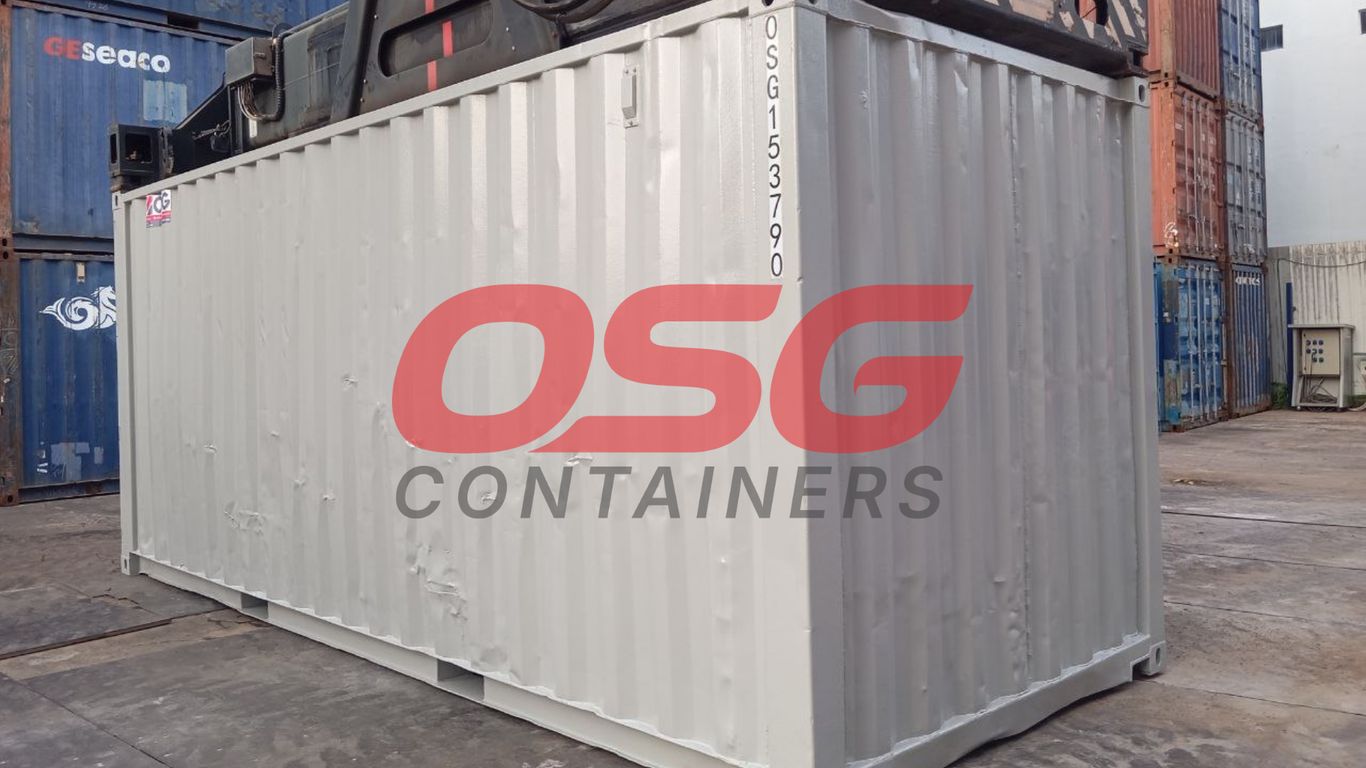
So, you’re curious about iso tank container stuff, huh? These big metal tanks are pretty important for moving things around the world, but they aren’t just ‘set it and forget it’ items. They have a whole life story, from when they’re first built to when they’re finally retired. Keeping them in good shape is key, not just for safety, but so they can keep doing their job for a long time. We’re going to break down what goes into making them, keeping them running, and what happens when they’ve seen better days.
Key Takeaways
- An iso tank container starts its life with careful design and manufacturing, using materials like stainless steel and meeting strict international rules.
- Before any cargo is moved, these tanks go through important checks, like pressure tests, to make sure they’re safe and sound.
- Regular inspections, like the ones every 2.5 and 5 years, are a must to keep the tank compliant and working right.
- Keeping an iso tank container clean after each use and doing routine checks on parts like gaskets and valves helps it last longer.
- When a tank gets older, it can be fixed up with new parts and coatings, and then re-certified to keep it in service, or it can be recycled for its materials.
ISO Tank Container Design and Manufacturing
Material Selection for Durability
The journey of an ISO tank container begins long before it carries its first load. The design phase is where durability and safety are baked in. For the inner vessel, stainless steel is the go-to material. Think SS 316L – it’s tough, resists corrosion really well, and can handle a wide range of chemicals and food products without reacting. This choice is super important because it means the tank can be used for many different types of cargo over its lifespan. The outer frame, usually made of carbon steel, is built to standard ISO dimensions, making these isotanks compatible with global shipping and handling systems. This structural integrity is key to their long service life.
Essential Components and Fittings
Beyond the main shell, a lot of thought goes into the fittings. You’ve got the manlid for access, which needs a secure seal. Then there are the various valves – pressure relief valves to prevent over-pressurization, and inlet/outlet valves for loading and unloading. The type of valves and their design depend heavily on what the tank will carry. For instance, transporting hazardous liquids might require specialized valve configurations. Insulation is another big component, often rockwool or polyurethane, sandwiched between the inner and outer shells to maintain temperature. Baffles might also be included inside the tank to reduce liquid surge during transit, which helps with stability.
Adherence to International Standards
Building an ISO tank isn’t a free-for-all. Manufacturers have to follow strict rules set by organizations like ISO and the International Maritime Organization (IMO). These standards cover everything from the materials used and the welding procedures to the testing requirements. For example, tanks designed for dangerous goods must meet specific codes like the IMDG Code for sea transport or ADR for road transport in Europe. This adherence ensures that all iso container tanks are built to a consistent safety and quality level, no matter where they are manufactured. It’s all about making sure these tanks can handle the job safely and reliably, trip after trip.
The selection of materials and the design of fittings are not arbitrary decisions. They are dictated by the specific properties of the cargo to be transported, including its chemical nature, temperature sensitivity, and potential hazards. This careful consideration ensures the tank’s suitability and safety for its intended purpose.
Initial Certification and Approval Processes
Hydrostatic Pressure Testing
Before an ISO tank container can haul anything, it has to pass a hydrostatic pressure test. Basically, they fill the tank completely with water, then pump it up to a pressure that’s higher than what it’ll ever see in regular service. This is done to check for any leaks or weak spots in the tank’s shell and welds. It’s a pretty straightforward but really important step to make sure the tank can handle the pressure of the liquids it’s designed to carry. If it leaks or shows any signs of stress, it doesn’t get approved. This test is a fundamental safety check.
Structural Integrity Assessments
Beyond just the tank shell, the whole structure gets a once-over. This includes checking the frame that holds the tank, the lifting points, and how it stacks with other containers. They might do things like a racking test to see how it holds up when loaded unevenly, or a stacking test to confirm it can handle the weight of containers piled on top. All these checks are to make sure the tank is solid and safe for transport, whether it’s on a truck, a train, or a ship. It’s all about making sure the container itself won’t fail under the stresses of movement and stacking.
Certificate of Fitness Issuance
Once all the tests and inspections are done and the tank passes, it gets its official paperwork – the Certificate of Fitness (COF). This document is like the tank’s passport, proving it meets all the required international safety standards for its intended use. It details the tank’s specifications, the results of its tests, and when its next major inspection is due. Without a valid COF, the tank simply can’t be used for transporting goods. It’s the green light that says, ‘This tank is good to go.’
Getting the initial certification right is key. It sets the standard for the tank’s entire working life and ensures it’s safe for everyone involved in the supply chain, from the loading dock to the final destination.
Mandatory Inspection Schedules for ISO Tanks
Keeping an ISO tank container in good working order isn’t a ‘set it and forget it’ kind of deal. These tanks are built tough, sure, but they still need regular check-ups to make sure they’re safe and sound for hauling all sorts of stuff, from chemicals to food products. Think of it like getting your car’s oil changed and tires rotated – it’s just part of the deal to keep things running smoothly and prevent bigger headaches down the road. The industry has pretty clear rules about how often these tanks need to be looked at, and missing these checks can lead to all sorts of problems, from safety issues to fines.
The 2.5-Year Inspection Protocol
About halfway through their typical five-year certification cycle, ISO tanks need a mid-term check. This isn’t as intense as the big five-year inspection, but it’s still important. The main goal here is to catch any potential issues early. Inspectors will look at things like the insulation – is it still doing its job properly? They’ll also check the tank’s frame for any signs of damage or wear, and make sure all the fittings and valves are in good shape. It’s a way to make sure the tank hasn’t developed any hidden problems that could become serious later on.
The Comprehensive 5-Year Recertification
This is the big one. Every five years, an ISO tank has to go through a really thorough inspection and testing process. This is where they really put the tank through its paces to make sure it’s still up to snuff for carrying cargo. It usually involves:
- Hydrostatic Pressure Testing: The tank is filled with water and pressurized to a level higher than it would normally experience in service. This is to check if the tank shell can handle the pressure without deforming or leaking.
- Structural Integrity Assessments: This includes checking the tank’s shell for any thinning due to corrosion, looking for cracks, and verifying the condition of the frame and all its components.
- Valve and Fitting Checks: All safety valves, manhole covers, and other fittings are inspected and tested to ensure they function correctly.
Passing this inspection means the tank gets a new ‘Certificate of Fitness,’ essentially giving it a fresh five-year lease on life. It’s a bit like getting a new driver’s license for the tank.
Recording Inspections with Classification Societies
All these inspections, whether it’s the 2.5-year check or the full 5-year recertification, aren’t just done and forgotten. They have to be officially recorded. This is where classification societies come in. Organizations like DNV, Bureau Veritas, or Lloyd’s Register act as the official record-keepers and certifiers. When an inspection is passed, the details are logged with the relevant society. This creates a verifiable history for the tank, proving it meets all the required safety standards. It’s this documentation that allows the tank to be legally used for transport across international borders. Without these records, the tank is essentially grounded.
Keeping meticulous records of all inspections and maintenance is not just a regulatory requirement; it’s a critical part of managing risk and ensuring the long-term viability of your ISO tank fleet. It provides a clear audit trail for safety compliance and operational history.
Essential Cleaning and Maintenance Practices
Keeping an ISO tank container in good shape isn’t just about following the rules; it’s really about making sure it lasts a long time and stays safe for whatever you’re hauling. Think of it like taking care of a car – regular oil changes and washing it down make a big difference, right? Well, it’s kind of the same deal with these tanks, but with a bit more at stake.
Post-Transport Cleaning Protocols
After every single trip, giving the tank a good clean is super important. This isn’t just to make it look nice; it’s to stop any leftover product from causing problems later on. Different products need different cleaning methods, and using the wrong one can actually damage the tank or leave behind residue that messes up your next load. Certified cleaning depots have the right gear and know-how to get the job done properly, especially for sensitive stuff like food or medicines.
- Rinse thoroughly: Get out as much of the previous cargo as possible.
- Wash with appropriate agents: Use cleaning solutions that break down the residue without harming the tank’s interior.
- Final rinse and dry: Make sure no cleaning agents are left behind and the tank is dry to prevent corrosion.
Skipping proper cleaning can lead to cross-contamination, making future loads unsafe, or causing internal corrosion that weakens the tank over time. It’s a small step that prevents big headaches down the road.
Routine Maintenance Tasks
Beyond just cleaning, there are other bits of upkeep that keep things running smoothly. These are the regular checks and fixes that catch small issues before they turn into major problems.
- Check the frame and structure: Look for any signs of damage, rust, or loose bolts on the tank’s outer frame.
- Inspect insulation: Make sure the insulation is intact and hasn’t been compromised, which is key for temperature-sensitive cargo.
- Lubricate moving parts: Any hinges or locking mechanisms should be kept in good working order.
Importance of Gasket and Valve Checks
These little parts are actually pretty critical. The gaskets create a seal to stop leaks, and the valves control the flow of product in and out, as well as safety features like pressure relief. If a gasket is worn or a valve isn’t working right, you could have a spill, a loss of pressure, or worse.
| Component | Frequency of Check | Common Issues |
|---|---|---|
| Manhole Gasket | Annually | Cracks, tears, hardening, loss of elasticity |
| Valve Seals | Annually | Wear, damage, improper seating |
| Pressure Relief | Every 2.5 Years | Sticking, incorrect pressure setting, damage |
| Discharge Valve | Annually | Leaks, difficult operation, damaged handle |
Extending Service Life Through Refurbishment
Assessing Tank Shell Integrity
Over time, even the toughest ISO tank containers can show signs of wear. Before you even think about tossing one out, it’s worth checking if it can be given a new lease on life. The first big step is a really close look at the tank shell itself. This isn’t just a quick glance; it involves detailed checks to see if the metal is still sound. We’re talking about measuring the thickness in various spots to make sure it hasn’t corroded too much. Sometimes, special tools like ultrasonic testing (UTT) are used to find any hidden issues, like thinning or cracks that you can’t see from the outside. A solid shell is the foundation for any successful refurbishment. If the shell passes these tests, it means the tank can likely be fixed up and used for many more years.
Component Renewal and Recoating
Once the main shell is deemed fit, it’s time to refresh everything else. Think of it like giving the tank a full spa treatment. This usually involves stripping off the old insulation and protective coatings. Then, new insulation is applied to keep the cargo at the right temperature, which is pretty important for a lot of goods. After that, a fresh coat of paint or a specialized coating goes on. This doesn’t just make the tank look good; it’s a vital layer of defense against rust and damage from the weather and chemicals. New valves, gaskets, and any other fittings that look a bit worn out are swapped out too. It’s all about making sure every part is working right and ready for more action.
Re-certification After Refurbishment
After all the work is done – the shell checked, new insulation added, and fresh coatings applied – the tank isn’t quite ready to hit the road again. It needs to prove it’s still safe and sound. This is where re-certification comes in. It’s a bit like getting a new driver’s license after a major car repair. The tank will go through a series of tests, which might include pressure tests again, just to be absolutely sure. Classification societies, the official watchdogs of the shipping world, will inspect everything. If the tank meets all the current safety standards after the refurbishment, it gets a new certificate. This paperwork is key; it means the tank is officially approved for service again, ready for its extended life.
End-of-Life Recycling of ISO Tank Containers
Safe Decommissioning Procedures
When an ISO tank container has reached the end of its useful life, usually after 20 to 30 years of service, it’s time for it to be retired. This isn’t just a matter of tossing it aside, though. Proper decommissioning is key to safety and environmental protection. First off, the tank needs to be thoroughly cleaned. We’re talking about removing any residual product, especially if it was hazardous. This cleaning process is usually done by specialized facilities that know how to handle potentially dangerous substances safely. They’ll make sure the tank is inert and free from any harmful materials before any further steps are taken. It’s a bit like giving it a final, deep clean before it heads off to its next chapter.
High-Value Material Recovery
Most ISO tank containers are built from really good quality stainless steel, which is a big plus when it comes to recycling. Think about it – this stuff is tough and can be used again and again. When a tank is decommissioned, the metal itself is the main prize. Specialized recycling yards will break down the container, separating the stainless steel from other materials like insulation or rubber gaskets. This recovered steel can then be melted down and repurposed into new products. It’s pretty neat how a tank that carried chemicals across the globe can end up as part of something entirely new, like car parts or even new construction materials. It’s estimated that around 90% of an ISO tank’s material can be recycled this way, which is a pretty impressive number.
Contribution to Sustainable Supply Chains
Recycling ISO tank containers plays a significant role in making the whole logistics industry a bit greener. Instead of just creating more waste, we’re reusing valuable resources. This circular approach helps reduce the need to mine for new raw materials, which in turn saves energy and cuts down on pollution. It fits right into the bigger picture of creating more sustainable supply chains. When you think about how many of these tanks are out there, and how long they last, their end-of-life recycling becomes a pretty important piece of the puzzle for responsible resource management. It’s a way to close the loop and keep materials in use for as long as possible, which is just good sense for the planet.
Wrapping It Up
So, we’ve gone through the whole journey of an ISO tank container, from how it’s made to keeping it running smoothly for years. It’s pretty clear that these tanks aren’t just simple boxes; they’re complex pieces of equipment that need regular attention. Sticking to the inspection schedules, doing the right cleaning, and fixing things when they need it really makes a difference. When you take care of your tanks, they can last a good long time, maybe even 30 years, and keep your goods moving safely. It’s all about being proactive, not just waiting for something to break. That way, you keep things running, keep people safe, and keep your business on track.
Frequently Asked Questions
How long do ISO tank containers usually last?
With good care and regular check-ups, an ISO tank container can be used for about 25 to 30 years. Think of it like a really tough toy that keeps working if you take care of it!
What are the main inspections an ISO tank needs?
There are two big check-ups. One happens every 2.5 years to make sure everything is still okay. Then, a bigger, more thorough check happens every 5 years. This is like a car’s yearly inspection, but for a super strong tank!
Why is cleaning an ISO tank so important after each trip?
Cleaning is super important to prevent bad stuff like rust or leftover gunk from messing up the tank or the next load. It keeps the tank healthy and makes sure the next cargo is safe and clean, especially for food or medicine.
What happens if a tank gets old or damaged?
If a tank is still strong but a bit worn out, it can be fixed up! This is called refurbishing. They might add new parts, paint it again, and make sure it’s safe to use for many more years. It’s like giving an old bike a makeover!
Are ISO tanks safe for carrying dangerous stuff?
Yes, they are designed to be very safe for carrying dangerous goods. They have to pass strict tests and follow special rules. Regular inspections ensure they stay safe for carrying these materials.
What happens to ISO tanks when they can’t be used anymore?
When a tank is too old or worn out to be fixed, it gets recycled. Most of the tank is made of strong stainless steel, which can be melted down and used to make new things. It’s a great way to be kind to the planet!