Singapore
 Australia
 Indonesia
 Japan
Japan Malaysia
 New Zealand
 Philippines
 South Korea
 Taiwan
 Thailand
 VIETNAM
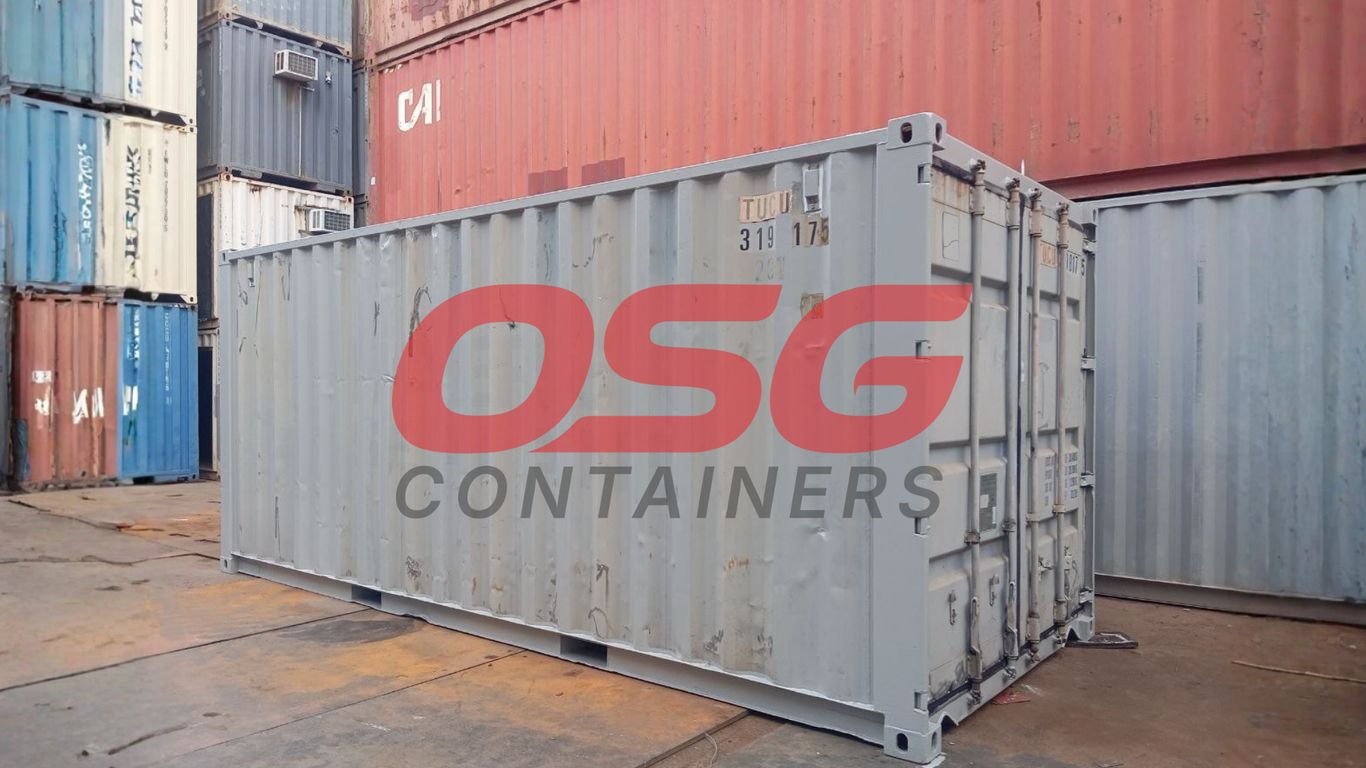
You see them everywhere—on ships, stacked at ports, or rolling down highways. The cont 40 feet is the backbone of global shipping and storage, but most of us don’t really know what goes into their design. If you’re thinking about shipping something big, storing a bunch of stuff, or even building a pop-up shop, it helps to know the basics. This article will walk you through what makes the 40-foot container so popular, the different types out there, and what you should keep in mind before you start packing. Let’s break down the details so you can get the most out of your cont 40 feet.
Key Takeaways
- A cont 40 feet gives you a huge amount of space, with internal measurements close to 39 feet long, 7.8 feet wide, and almost 8 feet tall.
- High cube containers are about a foot taller than standard, letting you fit in bulkier or taller items if you need the extra headroom.
- There are different types—standard dry, high cube, refrigerated, open-top, and flat rack—so pick the one that matches your cargo.
- Pay attention to weight limits and how you load your stuff; uneven or overloaded containers can cause problems during transport.
- Besides shipping, cont 40 feet are used for storage, pop-up shops, modular homes, and all sorts of creative projects.
Understanding 40 Feet Container Dimensions
When you’re dealing with shipping or storage, getting the dimensions of a 40 feet container right is pretty important. It’s not just about the outside measurements; knowing the inside space and how much weight it can actually carry makes a big difference in planning. Let’s break down the numbers for the standard 40ft container and its popular High Cube sibling.
Standard 40ft Container External Dimensions
The outside measurements of a 40 feet container are pretty consistent worldwide. This standardization is key for logistics, making sure they fit onto ships, trains, and trucks without issues. Think of these as the container’s footprint in the world of transport.
| Dimension | Measurement (Approximate) |
|---|---|
| Length | 40 feet (12.19 meters) |
| Width | 8 feet (2.44 meters) |
| Height | 8 feet 6 inches (2.59 meters) |
Internal Dimensions and Usable Volume
Now, the space you can actually use inside is a bit less than the external size because of the container’s walls and structure. This is where you’ll be fitting your goods. The usable volume is usually measured in cubic meters (CBM).
- Internal Length: Around 39 feet 6 inches (12.03 meters)
- Internal Width: Roughly 7 feet 8 inches (2.35 meters)
- Internal Height: About 7 feet 10 inches (2.39 meters)
This gives a total internal volume of approximately 67.7 cubic meters (2,390 cubic feet). It’s this internal space that truly matters when you’re packing your cargo.
High Cube 40ft Container Variations
The High Cube 40ft container is a popular choice when you need a little extra vertical space. It matches the standard container’s length and width but adds about a foot to the height.
- External Height: 9 feet 6 inches (2.90 meters)
- Internal Height: Around 8 feet 10 inches (2.70 meters)
This extra height boosts the internal volume to about 76.3 cubic meters (2,694 cubic feet). This extra space can be a game-changer for bulky items or when you need to stack more.
Understanding these dimensions helps you pack more efficiently, avoid costly mistakes, and make sure your shipment fits through the door. It’s all about maximizing the space you have available within the 40 feet container.
Key Specifications of the 40 Feet Container
External Measurements for Transport
When you’re looking at a 40-foot container, the first thing that usually comes to mind are its outside dimensions. These measurements are pretty standardized globally, which is a big deal because it means they’re designed to fit onto ships, trains, and trucks without causing a fuss. Think of these as the container’s footprint in the world of logistics.
| Measurement | Approximate Value |
|---|---|
| Length | 40 feet (12.19 meters) |
| Width | 8 feet (2.44 meters) |
| Height | 8 feet 6 inches (2.59 meters) |
These external numbers are what port cranes, chassis, and rail cars are built around, making the 40-footer a truly global standard. It’s this uniformity that really simplifies moving goods around the planet.
Internal Space for Cargo
Okay, so the outside is one thing, but what really matters is the space inside, right? The container’s walls and structure take up a bit of room, so the internal dimensions are a little smaller than the external ones. This is the actual space you get to fill with your stuff.
- Internal Length: Around 39 feet 6 inches (12.03 meters)
- Internal Width: Roughly 7 feet 8 inches (2.35 meters)
- Internal Height: About 7 feet 10 inches (2.39 meters)
This usable space is usually measured in cubic meters (CBM) or cubic feet (ft³). For a standard 40-foot container, you’re looking at about 2,390 cubic feet (or roughly 67.7 cubic meters) of volume. It’s this internal capacity that dictates how much you can actually pack in.
Payload and Tare Weight Considerations
Beyond just the space, you’ve got to think about weight. Every container has a tare weight, which is just the weight of the empty container itself. For a typical 40-footer, this is around 8,750 pounds (about 3,970 kg). Then there’s the payload – the maximum weight of cargo you can put inside.
The maximum payload for a standard 40-foot container is generally around 59,000 pounds (approximately 26.77 tonnes).
It’s super important to keep both the tare weight and the payload in mind when you’re loading. You don’t want to overload the container, as this can lead to damage, fines, or safety issues during transit. Always check the specific weight limits for the container you’re using, as they can vary slightly between manufacturers and models. Balancing your load correctly is key to a smooth journey.
Exploring Different Types of 40 Feet Containers
So, you’ve got a bunch of stuff to move or store, and you’re looking at 40-foot containers. That’s a smart move, they’re workhorses for a reason. But did you know they aren’t all the same? Depending on what you’re shipping, you’ll want to pick the right flavor of 40-footer. Let’s break down the main types you’ll run into.
Standard Dry Containers for General Cargo
This is your everyday, go-to container. Think of it as the reliable sedan of the shipping world. It’s built tough, keeps your stuff dry, and protects it from the weather. Most general goods, like furniture, electronics, or clothing, travel just fine in these. They’re the most common type you’ll see, and for good reason – they get the job done for a huge range of cargo. The ability to adapt a single container type to such a wide array of shipping needs is a major reason for its widespread adoption.
High Cube Containers for Extra Vertical Space
Need a little more headroom? That’s where the High Cube comes in. It’s basically a standard 40-footer, but it’s about a foot taller. This extra space is a game-changer if you’re shipping tall items or if you want to stack things higher to maximize your volume. It’s great for lighter, bulkier goods or when you’re trying to fit in that last bit of cargo. The extra height can make a surprising difference in how much you can fit.
| Container Type | Usable Internal Volume (approx.) |
|---|---|
| Standard 40ft | 67.7 cubic meters |
| 40ft High Cube | 76.4 cubic meters |
As you can see, the High Cube gives you even more space, which is great for lighter, bulkier items.
Specialized Containers: Reefer, Open-Top, and Flat Rack
Beyond the standard and high cube, there are other 40-foot containers built for specific jobs:
- Refrigerated (Reefer) Containers: These are like giant, mobile refrigerators. They have built-in cooling units to keep temperature-sensitive goods, like food or medicine, at a precise temperature during transit. They need a power source to run.
- Open-Top Containers: These are similar to standard dry containers, but they lack a solid roof. Instead, they have a removable tarpaulin cover. This is super handy for loading or unloading cargo from the top using a crane, especially for items that are too tall to fit through the doors.
- Flat Rack Containers: These are best for really big, awkward, or heavy items that won’t fit in a standard container. They have a base and sides, but no front, back, or roof. Think large machinery, boats, or construction equipment. They can be loaded from the sides or top.
When you’re planning, remember that the door opening is also a key measurement. It’s usually about 7 feet 5 inches high and 7 feet 8 inches wide. So, make sure your biggest items can actually get through that opening!
Knowing these different types helps you pick the right box for your goods, making sure everything arrives safe and sound.
Practical Considerations for 40 Feet Container Usage
When working with a container 40 feet, you can’t just load it up and call it a day—there are a bunch of real-world factors that come into play. Let’s get into the stuff people often overlook until it’s too late.
Weight Limits and Load Distribution
Never ignore weight restrictions inside a 40-foot container. Overloading can lead to fines, shipping delays, or—even worse—unsafe conditions on the road or at sea. But it doesn’t stop there: how you arrange your load matters just as much as the weight itself.
Here’s a look at typical weight values for a standard 40-foot container:
| Specification | Approximate Value |
|---|---|
| Maximum Gross Weight | 30,480 kg (67,200 lbs) |
| Tare Weight | 3,800 kg (8,400 lbs) |
| Maximum Payload | 26,680 kg (58,800 lbs) |
Tips for balanced loading:
- Spread heavy items evenly from front to back.
- Alternate heavy and light cargo to prevent tilting.
- Secure loose items to avoid shifting during transit.
Packing isn’t just about fitting it all in—stability keeps your goods and everyone else safe.
Door Opening Dimensions for Loading
People often forget: if it won’t fit through the door, it doesn’t matter if it technically fits inside. For a container 40 feet, the doors are usually about 7’5" high and 7’8" wide. Always check the door size against the largest piece of cargo you have.
Quick list for smooth loading:
- Measure the biggest piece of cargo before planning.
- Factor in any pallets or skids for extra height.
- Leave clearance for forklifts if you’re using them.
Security and Weatherproof Protection
Shipping can be rough. The good news is, a 40-foot steel container keeps out wind, rain, and most of what nature throws at it. But there are a few extras that make a big difference:
- Use high-security padlocks or lockboxes for theft prevention.
- Check the container for any dents or holes before loading.
- Add moisture absorbers (desiccants) to fight off inside condensation.
Even though containers are built for tough trips, a little prep up front stops minor problems from becoming shipping disasters down the road.
Diverse Applications of the 40 Feet Container
Core Role in International Shipping and Trade
Let’s be real, the 40-foot container is the workhorse of global trade. Most of the stuff we buy, from our gadgets to our clothes, likely made its way across oceans in one of these. They’re the standard for moving big loads between countries, making international commerce happen on the scale we’re used to. They’re built tough, so they can handle the bumps and shakes of sea voyages, train rides, and truck journeys. This ability to move so much cargo reliably and without costing an arm and a leg is what keeps the world’s supply chains moving.
Reliable Storage Solutions
But it’s not just about moving things. These containers are also fantastic for storage. Businesses often use them as temporary or even long-term warehouses. Need to store extra inventory? Got seasonal stock piling up? A 40-foot container provides a secure, weatherproof space to keep your goods safe until you need them. They’re way more flexible than building a permanent warehouse, and you can just place them where you need them, whether that’s at a port, a factory, or even on your own property.
Here’s a quick look at what they can hold:
| Container Type | Usable Internal Volume (approx.) |
|---|---|
| Standard 40ft | 67.7 cubic meters |
| 40ft High Cube | 76.4 cubic meters |
Creative Conversions and Modular Structures
This is where things get really interesting. People have figured out that these sturdy metal boxes are more than just cargo haulers. You’ll see them turned into pop-up shops, cafes, offices, and even homes. Their modular nature means you can stack them, connect them, and customize them for all sorts of purposes. It’s a pretty neat way to create functional spaces quickly and often more affordably than traditional construction. Plus, they have a certain industrial-chic vibe that’s popular right now.
Some popular creative uses include:
- Pop-up Retail: Businesses use them for temporary stores at events or in busy areas.
- Mobile Offices: Great for construction sites or remote work locations.
- Living Spaces: Increasingly popular for affordable housing solutions or unique homes.
- Workshops & Studios: Artists and craftspeople find them ideal for dedicated creative spaces.
The adaptability of the 40-foot container means it’s constantly finding new roles. From its primary function in shipping to serving as a secure storage unit or a foundation for innovative architectural projects, its utility is vast. This versatility is a key reason why it remains such an important piece of equipment in logistics and beyond.
Optimizing Your 40 Feet Container Shipments
When it comes to getting the most out of your 40-foot container, planning and smart decision-making make all the difference. Shipping isn’t just about filling space—it’s about making every square foot count and keeping costs under control.
Full Container Load (FCL) vs. Less Than Container Load (LCL)
Choosing between FCL and LCL shipping is one of the first big decisions:
- FCL gives you the whole container, ideal for large loads or when you want to keep your goods separate. Generally, it’s best once you’re shipping 50 m³ or more, or when your cargo is heavier than 18 metric tons. You pay a flat rate, and the container stays sealed from start to finish.
- LCL means your goods share space with someone else’s. This works if your shipment is small—usually under 15 m³—or if your goods are irregularly timed. Fees for loading and unloading (called consolidation and devanning) apply, so it’s worth checking if the savings add up.
| Shipping Method | Best For | Typical Load Size | Major Costs |
|---|---|---|---|
| FCL | Large shipments | > 50 m³ / > 18t | Flat rate, haulage |
| LCL | Small shipments | < 15 m³ | per CBM, handling, devanning |
Packing Strategies for Success
There’s more to packing a container than just stacking boxes. Here’s what makes a difference:
- Use ISPM-15 certified pallets and crates to breeze through customs.
- Mix up heavy and light boxes along the length of the container to spread the weight and keep it stable.
- Reduce moisture with desiccants, especially for long sea voyages.
- Secure cargo with ratchet straps, dunnage, and airbags to keep everything in place.
- Label hazardous goods correctly to meet shipping regulations.
Packing a 40-foot container is all about balance—weight distribution, moisture control, and making the most of your space. A bit of extra thought upfront can prevent headaches at your destination.
Understanding Freight Cost Drivers
Freight costs can sneak up on you. To get a grip on your budget, consider these:
- Peak periods (like July–November or around Chinese New Year) can mean higher rates and fewer available containers. Booking early helps.
- Extra charges, like surcharges for canal transits or congestion, can make a big difference.
- Inefficient packing equals wasted space, and that’s money down the drain.
- Volume and destination affect everything; sometimes splitting shipments makes more sense.
If you break down the process—picking the right load method, packing carefully, and keeping an eye on hidden fees—you set yourself up for less stress and more savings every time you ship a 40-foot container.
Wrapping It Up
So, we’ve gone over the ins and outs of the 40-foot container, from its basic size to the high cube version and all the different ways they get used. It’s pretty clear these big metal boxes are more than just for shipping stuff across the ocean. They’re tough, they hold a lot, and people have found all sorts of clever ways to use them for storage, building, and more. Knowing the details, like how much weight they can actually carry and how to pack them right, is key to avoiding problems down the road. Whether you’re shipping goods or planning a unique project, understanding these containers makes a big difference.
Frequently Asked Questions
What are the basic outside measurements of a 40-foot container?
A standard 40-foot container is about 40 feet long, 8 feet wide, and 8.5 feet tall. These outside measurements are important because they help make sure the container fits onto ships, trains, and trucks easily.
How much space is actually inside a 40-foot container?
The inside space is a bit smaller than the outside measurements because of the container walls. You get about 39.5 feet in length, over 7 feet in width, and almost 8 feet in height. This gives you a good amount of room, around 2,390 cubic feet, to pack your stuff.
What’s the difference between a standard 40-foot container and a High Cube one?
A High Cube 40-foot container is the same length and width as a standard one, but it’s about a foot taller. This extra height gives you more room, about 2,700 cubic feet, which is great if you’re shipping tall items or want to stack things higher.
How much weight can a 40-foot container hold?
These containers can carry a lot! A standard 40-foot container can typically hold around 59,000 pounds of cargo. However, it’s crucial to know the container’s empty weight (tare weight) too, which is about 8,750 pounds, to make sure you don’t go over the total weight limit.
Are 40-foot containers good for storing things besides shipping?
Absolutely! Their strong build and weather-resistant design make them excellent for storage. People use them for storing furniture, equipment, or even as temporary workshops or offices. Their size makes them a versatile option for many needs.
What should I consider when loading a 40-foot container?
It’s really important to think about weight limits and how you spread the weight inside. You don’t want to overload the container, and you need to balance the load so it’s stable during travel. Also, make sure your items can fit through the door opening, which is about 7.5 feet high and 7.8 feet wide.