Singapore
 Australia
 Indonesia
 Japan
Japan Malaysia
 New Zealand
 Philippines
 South Korea
 Taiwan
 Thailand
 VIETNAM
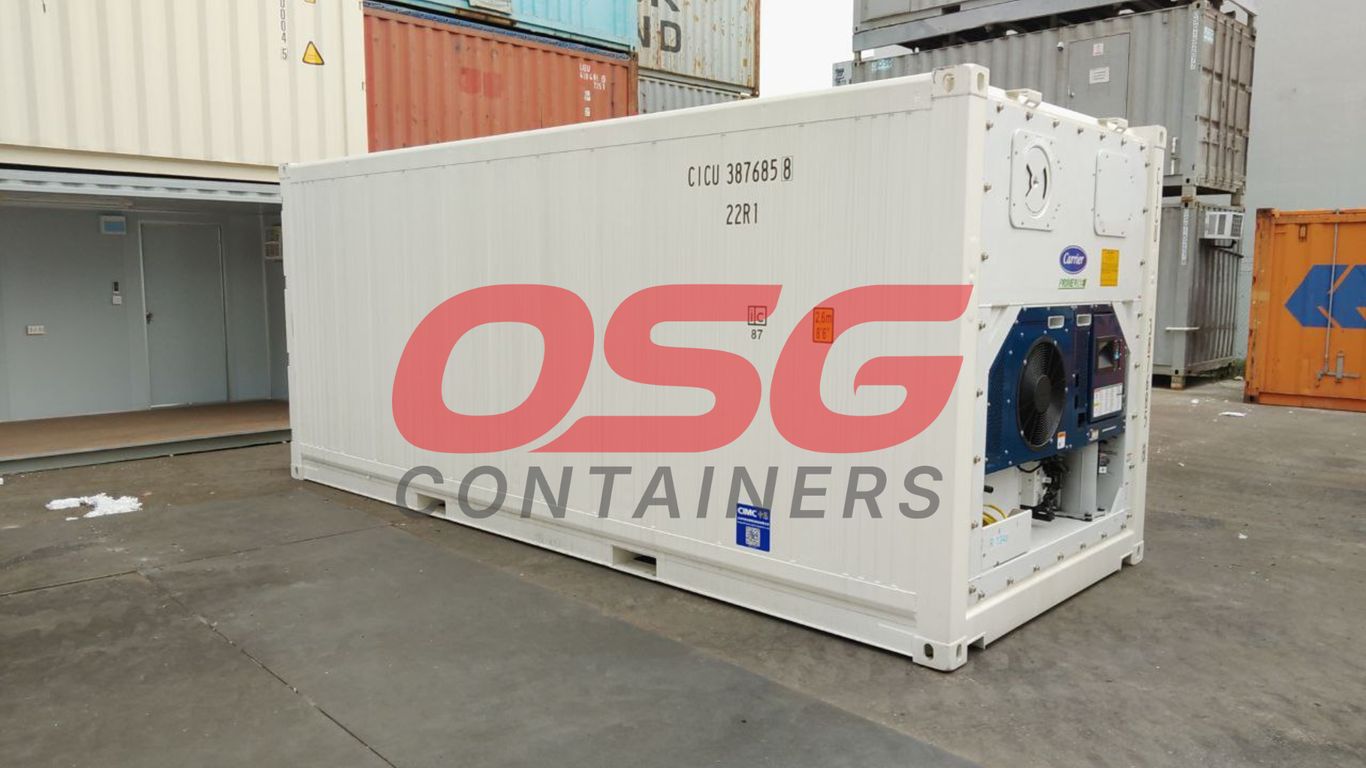
Dealing with refrigerated containers, or reefers, can be a real headache, especially these days. The world of shipping is always changing, and keeping things cold during long trips is getting trickier. We’ve got longer routes now, not enough equipment, and all sorts of other issues popping up. This guide is here to help make sense of it all, looking at what’s happening in 2026 and how to keep your temperature-sensitive stuff in good shape, no matter what the journey throws at you.
Key Takeaways
- The reefer container market in 2026 faces challenges like fewer available units and longer shipping routes, making careful planning a must.
- Picking the right reefer container means looking at its power, how well it moves air for your specific cargo, and how accurate its temperature control is.
- Regular checks and maintenance on your reefer container are super important, especially with longer transit times, to avoid problems.
- Deciding whether to buy or lease a reefer container depends on how much you use it, your ability to maintain it, and how predictable your routes are. Sustainability is also becoming a bigger factor in these choices.
- Getting your reefer container ready before loading, keeping an eye on things during transit with real-time alerts, and managing humidity are all key to successful cold chain operations.
Navigating Reefer Container Challenges in 2026
Understanding Current Market Pressures
The world of temperature-controlled shipping is facing some serious headwinds in 2026. Demand for moving things like pharmaceuticals, fresh produce, and frozen foods is still going up, which is good. But, there’s a catch. Many shipping companies shifted their focus to dry cargo during past demand lulls, and now there just aren’t enough refrigerated containers, or ‘reefers,’ to go around. This imbalance means longer waits to book your shipment and often higher costs just to secure a unit, especially during busy periods. Plus, ports are seeing more congestion, leading to longer queues for those all-important plug-in spots needed to keep the units running.
Impact of Extended Transit Routes
Things got even more complicated with the ongoing issues in the Red Sea. Ships are taking longer routes around the Cape of Good Hope, adding anywhere from 10 to 20 days to journeys between Asia and Europe. For cold chain logistics, this is a big deal. It means reef’ers need to keep cooling for much longer stretches. This not only increases the electricity or fuel needed but also raises the chance of a unit failing. Relying on generator sets (gensets) becomes more common, making thorough pre-trip checks absolutely critical. Even small temperature fluctuations over these extended periods can ruin sensitive cargo like fruits, vaccines, or chocolate.
The extended transit times mean that the reliability of the reefer unit and its power source is more important than ever. Planning needs to account for these longer durations, not just the standard transit times.
Adapting to Equipment Shortages
It’s not just about booking a container; it’s about actually getting one. Manufacturers are reporting longer lead times for new reefer units, so the fleet isn’t growing as fast as the demand. This shortage means shippers have to be more strategic. You might need to book much further in advance, or consider alternative sourcing options. The pressure is on to make sure every container you do get is in top condition and ready for the journey ahead. It’s a tough market out there right now, and being prepared is half the battle.
Selecting the Optimal Reefer Container
Picking the right reefer container is a big deal for keeping your temperature-sensitive goods safe. It’s not a one-size-fits-all situation, and what works for frozen berries might not be ideal for fresh lettuce or certain medicines. You’ve got to look at a few key things to make sure the container you choose can actually do the job it needs to do.
Assessing Power Supply Capabilities
First off, think about power. This unit needs to keep its cool (or heat) no matter where it is – on a ship, sitting at a port, or rumbling along on a truck. You’ll want to check if the container’s plug system will actually connect with the power sources at the ports and on the vessels you’ll be using. For those long hauls inland, a generator set (genset) is often a must-have. Also, look into how much energy it uses and what happens if there’s a delay; does it have backup power options? Reliable power is the backbone of maintaining the correct temperature.
Evaluating Airflow Design for Cargo
Airflow is another major piece of the puzzle. Different products have different needs. Some perishables need a constant supply of fresh air to keep them from spoiling too quickly. Others, like frozen items or certain pharmaceuticals, do better with recirculated air to keep things stable. The way the floor is designed, especially if it has T-bars, matters a lot for making sure air circulates evenly under pallets. You also want to make sure there are vents and filters that can handle things like CO₂ buildup, which can be bad for certain fruits and vegetables.
Ensuring Temperature Set-Point Accuracy
Every single product has its own sweet spot for temperature. You can usually find this in the product specs or in the standard operating procedures for pharmaceuticals. When you’re picking a unit, make sure it can hit that exact temperature and stay there. For really sensitive items, a tolerance of plus or minus 0.25°C is often needed. It’s also good to know how quickly the unit can cool down a warm load (pull-down capacity) and if it can manage humidity levels if that’s important for your cargo. Some products even need different temperature settings at different points in their journey, so multi-mode programs can be a lifesaver.
Choosing the right reefer isn’t just about picking a box with a cooling unit. It’s about matching the container’s technical capabilities to the specific needs of your cargo and the journey it’s going to take. Getting this wrong can lead to spoiled goods, lost money, and unhappy customers.
Here’s a quick look at what to consider:
- Power Source Compatibility: Does it fit the plugs at ports and on ships?
- Genset Availability: Needed for long trips on land?
- Energy Consumption: How much power does it draw?
- Airflow Type: Fresh air for produce, recirculated for frozen?
- Floor Design: Even air distribution under pallets?
- Temperature Tolerance: How precise is it? (e.g., ±0.25°C)
- Pull-Down Speed: How fast can it cool a load?
- Humidity Control: Is this feature necessary for your cargo?
- Programmable Settings: Can it handle multiple temperature changes?
Essential Reefer Container Maintenance and Inspection
Keeping your reefer containers in top shape is super important, especially with longer shipping routes and unpredictable schedules these days. A little bit of attention now can save you a big headache later. Think of it like getting your car serviced before a long road trip – you wouldn’t want to break down in the middle of nowhere, right? The same goes for these specialized refrigerated units.
The Importance of Pre-Trip Inspections
Before any reefer container heads out, a thorough Pre-Trip Inspection (PTI) is a must. This isn’t just a quick look-over; it’s a detailed check to catch potential problems before they become actual cargo disasters. A solid PTI helps ensure the unit can handle the journey, whatever the conditions.
Here’s what a good PTI usually covers:
- Structural Integrity: Checking the container’s walls, floor, and roof for any damage, dents, or corrosion that could affect insulation.
- Door Seals: Making sure the rubber seals around the doors are intact and creating a tight closure to prevent air leaks. Bad seals are a common culprit for temperature issues.
- Refrigeration Unit: Testing the cooling and heating functions, checking refrigerant levels, and verifying the compressor and fan are working correctly.
- Electrical Systems: Inspecting wiring, control panels, and power connections for any signs of wear or damage.
- Drainage: Ensuring the drain holes are clear to prevent water buildup inside the container.
Addressing Common Reefer Unit Issues
Reefers containers, like any complex machinery, can develop issues over time. Knowing what to look for can help you address problems quickly.
- Temperature Fluctuations: This could be due to faulty door seals, low refrigerant, or a malfunctioning thermostat. Sometimes, it’s as simple as the unit needing a defrost cycle.
- Strange Noises: Unusual sounds from the refrigeration unit might indicate a problem with the fan motor, compressor, or other moving parts.
- Power Failures: Electrical issues, loose connections, or problems with the generator set (genset) can cut off power to the unit.
- Frost Buildup: Excessive frost inside the cooling coils can impede airflow and reduce cooling efficiency. This often points to a need for defrosting or a more significant issue with the refrigeration cycle.
Regular checks and prompt repairs are key to maintaining the integrity of your reefer refrigerated container.
Leveraging Advanced Technology for Management
Modern reefer containers come with some pretty neat tech that makes management a lot easier. Many units now have sophisticated monitoring systems that can track temperature, humidity, and even door openings in real-time. These systems can send alerts directly to your phone or computer if something goes wrong, giving you a chance to react before the cargo is affected. Some advanced reefers even offer remote control capabilities, allowing operators to adjust settings from afar. This kind of oversight is invaluable for sensitive shipments and long transit times, helping to keep those precious goods at the perfect temperature.
Proper maintenance isn’t just about fixing things when they break. It’s about proactive care. This includes keeping detailed records of inspections and repairs for each of your reefers containers. It also means training your staff on safe operating procedures, especially when dealing with the refrigeration system and its components. Following manufacturer guidelines for your specific reefer units is always the best bet for longevity and performance.
Strategic Planning for Reefer Container Procurement
Okay, so buying or renting reefer containers in 2026 isn’t as simple as it used to be. We’re seeing a real squeeze on equipment, and routes are getting longer, which means more time on the water and on the road. This whole situation makes deciding how to get your hands on these specialized boxes a pretty big deal. You can’t just assume you’ll get what you need, when you need it, without some serious thought.
Buy vs. Lease Decisions for Reefer Containers
When you’re looking at your options, the big question is whether to buy outright or lease. It really boils down to how much you’re going to use them and how predictable your shipping lanes are. If you’ve got consistent, high-volume routes, buying might make sense long-term. But if your needs fluctuate, or you’re testing out new markets, leasing offers more flexibility. You’ve also got to think about who’s going to handle the maintenance – if you buy, that’s on you. Leasing often includes some level of service, which can be a lifesaver.
Here’s a quick look at factors to consider:
- Utilization Rate: How often will the container be in active use versus sitting idle?
- Route Predictability: Are your shipping lanes stable, or do they change frequently?
- Maintenance Capacity: Do you have the in-house expertise and resources for repairs and upkeep?
- Capital Availability: How much upfront cash can you commit to purchasing assets?
- Fleet Flexibility: Do you need the ability to scale your container numbers up or down quickly?
Integrating Sustainability Goals
Sustainability isn’t just a buzzword anymore; it’s becoming a requirement. When you’re procuring reefers, you need to look at their energy efficiency. Newer models often use less power, which not only helps the planet but also cuts down on your operating costs, especially with fluctuating energy prices. Think about units that have better insulation or more efficient cooling systems. It’s about making smart choices now that pay off down the line and align with broader company environmental targets.
Forecasting Utilization and Route Predictability
This is where the crystal ball comes in, but with a bit of data. You really need to get a handle on how much you’ll need these containers and where they’ll be going. If you’re shipping seasonal produce, your needs will spike and then drop. If you’re moving pharmaceuticals, it’s likely a steadier flow. Understanding these patterns helps you avoid having too many idle containers or, worse, not enough when you need them most. Accurate forecasting is key to avoiding costly mistakes in procurement.
The current market in 2026 is marked by equipment scarcity and longer transit times. This means that planning your reefer container needs well in advance is no longer optional; it’s a necessity for maintaining the integrity of your temperature-sensitive cargo and avoiding unexpected expenses. Overestimating slightly might be better than underestimating when securing these vital assets.
Reefer Container Integration Across Transport Modes
Getting your temperature-sensitive goods from point A to point B without breaking the cold chain means using the right mix of transport. It’s not just about the big ships; it’s about how that container reefer gets to and from the port, and even further inland. Think of it as a relay race for your cargo, where each leg needs to be handled with care.
Maritime Transit with Reefer Containers
Ocean shipping has always been a big player for moving goods long distances, and that includes refrigerated cargo. Historically, ships were built specifically for this, with insulated holds. Today, it’s mostly about specialized container ships or regular container vessels that have the power hookups for reefer containers. These ships are designed to keep things moving, often reaching higher speeds than standard freighters. The reefer container itself does the heavy lifting of temperature control once it’s loaded.
Inland Transportation with Reefer Units
Once the container reefer hits land, the journey continues. This is where trucks, trains, and even barges come into play. Trucks are common for shorter hauls and final delivery, using specialized reefer trucks or trailers. For longer inland routes, trains offer a good option, connecting major hubs. Barges on rivers can be surprisingly efficient, moving large volumes of containers, including reefers, from ports to inland distribution centers. They’re slower, sure, but they can carry a lot and are often more eco-friendly.
Here’s a quick look at how much cargo different inland modes can handle:
| Mode | Equivalent to 1 Semi-Trailer Truck | Notes |
|---|---|---|
| Inland Barge | 1,050 | Highly efficient for bulk, slower |
| Rail Car | 4 | Good for long distances, connects hubs |
| Reefer Truck | 1 | Flexible, good for last-mile delivery |
Intermodal Transfers for Cold Chain Efficiency
Moving a container reefer between these different modes – say, from a ship to a train, or a train to a truck – is what we call intermodal transfer. This is where things can get tricky if not planned well. The goal is to make these transitions as quick and smooth as possible. Using standard container sizes, like 20-foot or 40-foot reefers, helps a lot. It means less handling time and less chance of damaging the container or, more importantly, the cargo inside. The key is minimizing the time the container reefer is disconnected from its power source during these transfers.
When planning your cold chain, think about the entire journey. Each mode of transport has its strengths and weaknesses. Integrating them effectively means looking at transit times, costs, environmental impact, and, of course, the absolute need to keep that temperature steady from start to finish. It’s a complex puzzle, but getting it right keeps your perishable goods in good condition.
Optimizing Reefer Container Operations
Getting the most out of your reefer containers isn’t just about picking the right one; it’s about how you use it every single day. Think of it like having a fancy sports car – you wouldn’t just leave it in the garage, right? You’d want to drive it, maintain it, and make sure it’s running smoothly. The same goes for reefers, especially with today’s supply chains feeling a bit more unpredictable.
Pre-Conditioning and Loading Procedures
Before you even think about loading your precious cargo, giving the reefer a good "pre-trip inspection" (PTI) is a must. This isn’t just a quick once-over. You want to check everything from the seals on the doors to the refrigeration unit itself. Making sure the container is already at the right temperature before the goods go in makes a huge difference. It means the unit doesn’t have to work overtime right from the start, which saves energy and reduces stress on the equipment. When loading, try to keep the doors open for as little time as possible. Think about how you stack your pallets too; good airflow around the cargo is key to preventing those dreaded "hot spots" where things can start to spoil.
- Confirm the container’s temperature is stable and matches the required set-point.
- Ensure all internal components, like T-bars or floor racks, are clean and properly positioned for airflow.
- Load cargo efficiently to minimize door open time and allow for air circulation around all items.
- Double-check that the container’s ventilation settings are correct for the specific product being shipped.
Real-Time Monitoring and Alert Systems
Once the container is sealed and on its way, the job isn’t done. Modern reefer units come with sophisticated monitoring systems that can track temperature, humidity, and even door openings in real-time. This is where technology really shines. You can get alerts sent straight to your phone or computer if something goes out of the ordinary, like a temperature dip or a power fluctuation. This allows you to react quickly, potentially saving a whole shipment from disaster. It’s like having a remote control for your cargo’s environment, giving you peace of mind during long transit times.
Managing Humidity and Atmosphere Control
Different products have different needs, and sometimes it’s not just about temperature. Some fruits and vegetables, for example, release gases as they ripen, which can affect other items or even the cargo itself. Advanced reefer units can manage not just temperature but also humidity levels and even the composition of the air inside (like in Modified Atmosphere or Controlled Atmosphere containers). This level of control is vital for high-value goods like pharmaceuticals or delicate produce, helping to extend their shelf life and maintain their quality right up to the final destination. It’s all about creating the perfect micro-environment for whatever you’re shipping.
Keeping a close eye on humidity and atmospheric conditions, alongside temperature, is often overlooked but can be the deciding factor in maintaining product integrity for sensitive shipments. It requires a good understanding of the cargo’s specific needs and the capabilities of the reefer unit being used.
Wrapping Up Reefer Container Planning
So, as we’ve seen, getting refrigerated containers right is a big deal, especially with all the shipping headaches going on. Things like container shortages and longer trips mean we really need to plan ahead. Picking the right reefer, setting it up correctly, and knowing how your specific cargo needs to breathe and stay powered are super important. The reefer container is still a workhorse for keeping things cold, but it only works well if we’re smart about how we use it. With better planning and just being more careful with operations, we can get through these tricky times and make sure our products arrive in good shape, even with longer routes and fewer containers available.
Frequently Asked Questions
Why are reefer containers so hard to find right now?
It’s tough to get reefer containers because more people need them for shipping things like food and medicine, but not enough new ones are being made. Plus, shipping routes are longer now, and sometimes ships get delayed, which means containers are stuck in transit for longer periods.
What’s the most important thing when picking a reefer container?
You need to make sure the container can keep the right temperature, no matter what. This means checking its power source to make sure it won’t quit, and how well it can move air around inside to keep everything cool evenly. Also, it has to be super accurate with its temperature settings.
Why do we need to check the reefer container before we use it?
Checking the container before you use it, called a Pre-Trip Inspection (PTI), is super important, especially now with longer trips. It helps catch any problems early, like leaks or a weak cooling unit, so your stuff doesn’t spoil during the journey. It’s like giving your car an oil change before a long road trip.
Should I buy or rent a reefer container?
That depends! If you plan to use it a lot and for a long time on predictable routes, buying might be better. But if you only need it sometimes or for specific trips, renting is usually more flexible and cost-effective. Think about how much you’ll use it and how long you’ll need it.
How does a reefer container work on a ship or a truck?
Reefer containers have their own built-in cooling machines. On ships, they plug into the ship’s power. For trucks or when they’re on land, they might use a generator attached to the truck or a separate power unit. The goal is always to keep that cold air circulating and the temperature steady.
What can go wrong inside a reefer container?
Things can go wrong if the temperature isn’t right, like if it gets too warm or too cold. Also, the air inside might not move around well, creating hot spots where food can spoil. Sometimes, humidity can be too high or too low, which is bad for certain products. Keeping an eye on these things with sensors is key.