Singapore
 Australia
 Indonesia
 Japan
Japan Malaysia
 New Zealand
 Philippines
 South Korea
 Taiwan
 Thailand
 VIETNAM

Working remotely often means being far from any town or regular facilities, and that’s where portable toilet shower systems really come in handy. These aren’t your basic porta-potties; they’re designed to give workers a place to handle their business and then actually clean up. Think construction sites, farms, or even disaster relief areas. Having these units on-site makes a big difference in keeping people comfortable, healthy, and able to do their jobs without worrying about basic hygiene. It’s all about bringing necessary amenities right to where the work is happening, making tough jobs a little bit easier.
Key Takeaways
- Portable toilet shower units provide a complete hygiene solution for remote areas, combining restroom and bathing facilities.
- These units are vital for maintaining worker health, dignity, and morale on job sites lacking permanent infrastructure.
- Choosing the right portable toilet shower depends on the number of users, project duration, and specific site conditions.
- Regular cleaning, waste management, and restocking are crucial for keeping these facilities sanitary and functional.
- Implementing portable toilet shower systems supports compliance with worker welfare regulations and improves overall worksite efficiency.
Enhancing Worker Well-being With Portable Toilet Shower Systems
Addressing Basic Hygiene Needs On-Site
When a job site is far from any permanent building, proper hygiene feels like a distant luxury. That’s where portable toilet shower systems step in. These units let workers take care of themselves without having to leave the site or improvise with less-than-ideal solutions. Here’s why it matters:
- Running water and cleaning options let workers stay fresh, even after a long, messy shift.
- A quick wash can prevent irritation or more serious skin issues that might develop on dirty sites.
- Consistent access to toilets and showers means fewer excuses to leave work areas, so the team stays focused and present.
| Hygiene Facility | Portable Toilet-Only | Toilet & Shower Combo |
|---|---|---|
| Handwashing | Limited | Included |
| Shower Access | None | Full |
| Morale Impact | Low | High |
Many folks don’t realize how much a simple hot shower can change the workday—when it’s available, people take notice. It’s an easy way to show you value the team’s physical well-being.
Boosting Morale Through Comfort Facilities
Nothing saps energy quite like feeling gritty and uncomfortable for hours. When you bring in a portable toilet shower unit, you’re showing your crew you care about more than just getting the job done. Here are a few reasons why comfort translates into morale:
- After a tough shift, being able to clean up means workers go home feeling well, not just worn out.
- These facilities provide a private and safe spot for personal care, reducing embarrassment or discomfort.
- Having proper hygiene options on site means fewer grumbles and a more positive work environment.
Ensuring Dignity and Health for Remote Crews
Nobody wants to be treated like an afterthought, but that’s often how workers feel with bare-minimum bathroom setups. By choosing complete toilet and shower combos, you’re upping the standard. Here’s what that provides:
- A sense of respect: Workers see they’re being looked after, which leads to stronger loyalty.
- Improved health: Showers make it easier to prevent rashes, infections, and other health concerns.
- Lower absenteeism: When people feel cared for and can keep themselves clean, they’re less likely to miss work.
Let’s face it—having the right facilities isn’t just about function. It sets the tone for the whole workplace, saying people matter, not just the work they do.
Key Features Of Portable Toilet Shower Units
Integrated Toilet and Shower Functionality
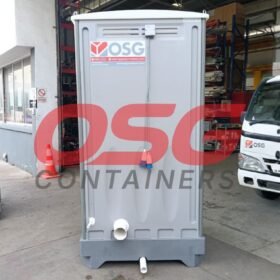
These units aren’t just a basic porta-potty with a shower tacked on. They’re designed as a complete hygiene station. You get a private toilet compartment, usually with a flushable option, and a separate, fully functional shower stall. This separation means you can use the toilet without getting the shower area wet, and vice versa. It’s a smart setup that makes the whole experience much more practical and less awkward than you might imagine.
Amenities For Enhanced Comfort
Beyond just the basic function, these units come with features that make a real difference. Think about good ventilation to keep the air fresh – most have vents, and some even include fans. Lighting is standard, which is a big help if the unit is used after dark. And the best part? Many units can be equipped with on-demand water heaters. Having hot water for a shower after a long, dirty day on site or at an event is a game-changer. It’s not just about getting clean; it’s about feeling refreshed and comfortable.
- Privacy: Separate, enclosed spaces for toilet and shower.
- Ventilation: Built-in vents or fans to manage air quality.
- Lighting: Interior lighting for use in low-light conditions.
- Hot Water: Optional water heaters for a more comfortable shower experience.
- Mirror: Often included for personal grooming.
Durability For Rugged Environments
These units are built tough. They’re typically made from high-density polyethylene (HDPE) or have strong steel frames. This means they can handle being moved around, used by many people daily, and withstand outdoor weather. They’re designed to last and take a beating, which is exactly what you need for a busy worksite or a multi-day event. They’re not flimsy; they’re made to be reliable.
Setting up these units is usually straightforward. They often connect to standard water hoses and electrical outlets, similar to what you’d find at home. Waste management is handled through holding tanks that need periodic emptying by a service provider, a common practice for portable facilities.
| Feature | Typical Specification |
|---|---|
| Power Requirement | 110V-220V, 13-16 Amp circuit breaker |
| Water Inlet | 1/2-inch female port (hot & cold water) |
| Toilet Waste Outlet | 3-inch flexible hose (connects to sewer or holding tank) |
| Shower/Sink Waste Outlet | 1-inch PVC pipe (gray water disposal) |
| Exterior Dimensions | Approx. 75" L x 85" W x 93" H |
| Empty Weight | Approx. 1,941 lbs |
Selecting The Right Portable Toilet Shower For Your Worksites
Alright, so you’ve decided that a combined portable toilet and shower unit is the way to go. That’s a smart move, really simplifies things compared to trying to sort out separate rentals. But with so many options out there, how do you pick the one that’s actually going to work for your situation? It’s not just about grabbing the first porta john rental you see. You’ve got to think about a few things to make sure you’re getting the best bang for your buck and that everyone using the unit will be happy.
Assessing User Numbers And Usage Frequency
This is probably the biggest factor. How many people are going to be using these facilities, and how often? If you’ve got a small crew of five working for a week, you’ll need something different than a hundred workers on a month-long construction project. For smaller groups or shorter gigs, a basic portable restroom rental might suffice, but for larger numbers or longer durations, you’ll want to look at units designed for higher traffic. Think about peak usage times too – like lunch breaks or the end of a shift. More users and more frequent use means you need a more robust unit and potentially more units overall.
Considering Project Timelines And Site Conditions
Where is this worksite, anyway? Is it a flat, easily accessible field, or is it a rough, uneven terrain? The site conditions can really impact what kind of unit you can use and how easily it can be serviced. If you’re in a remote area with limited access for service trucks, you might need a unit with a larger holding tank or a plan for more frequent emptying. Also, think about the weather. Extreme heat or cold can affect comfort and even the functionality of some units. For projects with tight deadlines, you want a reliable rental that won’t cause delays.
Evaluating Different Unit Configurations
Portable toilet shower systems come in various setups. Some are basic, with just a toilet and a small shower stall. Others are more elaborate, offering separate changing areas, sinks with running water, and even hot water options. You’ll also find units that are specifically designed for rugged environments, made from tougher materials to withstand rough handling. When you’re looking at portable toilets on rent, ask about the different configurations available. It’s worth spending a bit more time to find a setup that truly meets the needs of your crew, rather than just settling for the cheapest option.
When choosing, always ask about the service plan. A good provider will offer regular cleaning and waste removal, which is non-negotiable for maintaining hygiene and worker satisfaction. Don’t just focus on the initial rental cost; consider the ongoing service and what’s included.
Maintaining Hygiene And Functionality Of Portable Facilities
Even the best portable toilet and shower units won’t do much good if they aren’t kept clean and working right. Think about it – nobody wants to use a dirty bathroom, especially when they’re out on a remote job. Keeping these facilities in good shape is just as important as having them in the first place. It’s not just about appearances; it’s about worker health and making sure everyone can do their job without worrying about basic needs.
Regular Cleaning And Servicing Schedules
Setting up a routine for cleaning and servicing is key. How often you need to clean depends on a few things, like how many people are using the units and what the weather’s like. For busy construction sites with lots of workers, you might need daily checks. This means emptying tanks, wiping down surfaces, and making sure there’s enough toilet paper and soap. For less busy sites, maybe a weekly deep clean is enough, but daily checks for supplies and basic tidiness are still a good idea. A consistent schedule prevents small issues from becoming big problems.
Here’s a general idea for a service schedule:
- Daily: Restock supplies (toilet paper, soap, paper towels), check for any immediate issues like overflows, and do a quick wipe-down of high-touch surfaces.
- Weekly: A more thorough cleaning of the interior and exterior, including scrubbing floors, walls, and fixtures. Check and clean ventilation systems.
- As Needed: Tank pumping and waste disposal, especially for units without large holding tanks or during periods of heavy use.
Effective Waste Management And Disposal
Properly handling the waste from these units is a big deal. It’s not just about emptying the tanks; it’s about doing it safely and responsibly. Most portable units have sealed tanks, which is good for preventing smells and leaks. You’ll need a service provider who can pump these tanks out regularly and dispose of the waste according to local rules. On very remote sites, you might need to plan for how this waste will be transported to a proper disposal facility. Ignoring this can lead to environmental problems and health hazards.
Planning for waste removal needs to be part of the initial setup. Don’t wait until the tanks are full to figure out who’s going to empty them and where the waste will go. This is especially true for long-term projects where waste can really build up.
Importance Of Proper Restocking And Maintenance
Beyond just cleaning, keeping the units stocked and maintained is vital. This means making sure there’s always enough toilet paper, soap, and hand sanitizer. It also means checking for any wear and tear on the units themselves. Are the doors working right? Are the locks secure? Is the plumbing functioning correctly? Small repairs done quickly can stop a minor inconvenience from turning into a major breakdown. Having a basic maintenance kit on hand for simple fixes can save a lot of time and hassle.
Consider these points for restocking and maintenance:
- Supply Levels: Keep a close eye on consumables. Running out of toilet paper or soap is a common complaint and a sign of poor management.
- Unit Integrity: Regularly inspect doors, locks, hinges, and interior surfaces for damage. Prompt repairs are more cost-effective.
- Plumbing and Fixtures: Check for leaks, clogs, or malfunctioning faucets and showerheads. Ensure water heaters (if applicable) are working.
- Record Keeping: Maintain a log of servicing, repairs, and restocking. This helps track usage patterns and identify recurring issues.
The Role Of Portable Toilet Shower Systems In Remote Operations
Supporting Construction and Agricultural Settings
When your job site is miles from the nearest town, or you’re out in the middle of a vast farm field, having basic facilities isn’t just a luxury, it’s a necessity. Portable toilet shower units bring that much-needed convenience right to where the work is happening. For construction crews, this means less downtime spent traveling to find a restroom, keeping projects on track. Think about it: a worker can finish a shift, grab a quick, private shower right there on site, and head home clean instead of hauling dirt and sweat with them. It makes a big difference in how people feel at the end of a long day.
In agriculture, especially during planting or harvest seasons, workers might be spread out over acres. Having these units strategically placed means they don’t have to trek back to a central building. This keeps operations running smoothly and shows respect for the people doing the hard work. It’s about making remote work more manageable and humane.
Facilitating Disaster Relief and Emergency Preparedness
After a natural disaster, things get chaotic fast. When permanent buildings are damaged or inaccessible, portable toilet shower units become lifelines. They can be deployed quickly to provide essential sanitation for displaced people and emergency responders. Having these ready to go means you can offer a basic level of dignity and hygiene during incredibly tough times. It helps prevent the spread of illness and provides a small measure of comfort when everything else is uncertain.
- Rapid Deployment: Units can be set up within hours of arrival.
- Scalable Solutions: Multiple units can be deployed to serve large populations.
- Health Maintenance: Crucial for preventing disease outbreaks in crowded temporary shelters.
In emergency situations, the availability of clean, private facilities directly impacts public health and individual well-being. They are a practical tool for managing immediate needs and supporting recovery efforts.
Improving Efficiency On Isolated Job Sites
Let’s face it, when workers are comfortable and have their basic needs met, they tend to be more productive. Portable toilet shower systems cut down on travel time to and from facilities, meaning more time spent on the actual job. This is especially true for projects in remote areas where finding suitable facilities is a challenge. Having these units on-site simplifies logistics and keeps the focus on getting the work done. It’s a straightforward way to support your team and keep your project moving forward without unnecessary delays.
Typical Setup Requirements:
| Requirement | Details |
|---|---|
| Power | Standard 110V-220V outlet (13-16 amp) |
| Water Connection | Standard garden hose (hot & cold inlets) |
| Waste Disposal | Connects to sewer, septic, or holding tank |
| Unit Dimensions | Approx. 75" L x 85" W x 93" H |
| Empty Weight | Approx. 1,941 lbs (requires forklift access) |
Compliance And Safety With Portable Toilet Shower Solutions
When you’re setting up a remote worksite, thinking about the rules and keeping everyone safe is a big deal. It’s not just about having a place for people to go to the bathroom or wash up; it’s about doing it the right way, according to regulations. Making sure your portable toilet shower units meet all the necessary guidelines is key to a smooth operation.
Meeting OSHA Guidelines For Worker Facilities
OSHA, or the Occupational Safety and Health Administration, has rules about what kind of facilities you need to provide for workers, especially on jobsites where permanent facilities aren’t available. For portable toilet shower units, this means they need to be clean, safe, and accessible. They should be placed in locations that are easy to get to but also away from potential hazards. Regular maintenance is also a big part of compliance – nobody wants a unit that’s falling apart or isn’t sanitary.
Here’s a quick rundown of what OSHA generally looks for:
- Sanitation: Units must be kept clean and in good working order. This includes regular emptying of waste tanks and cleaning of the interior.
- Ventilation: Proper airflow is needed to prevent odors and maintain a healthy environment.
- Privacy: Each unit should offer complete privacy for users.
- Water Access: If handwashing facilities are provided (which they should be, especially with shower units), there needs to be a supply of clean water.
- Lighting: Adequate lighting is important for safety, particularly if units are used after dark.
Ignoring these standards isn’t just a risk to worker health and morale; it can also lead to hefty fines and project delays. It’s always better to be prepared and compliant from the start.
Ensuring Accessibility For All Workers
It’s really important that everyone on your team can use the facilities provided. This means thinking about workers who might have disabilities. Modern portable toilet shower units can be designed with accessibility in mind. Look for units that have:
- Wider doorways to accommodate wheelchairs.
- More interior space for maneuverability.
- Sturdy grab bars installed at appropriate heights.
- Ramps or level access to the unit entrance.
Providing these features shows you care about all your employees and helps create a more inclusive work environment. It’s not just about ticking a box; it’s about practical consideration for everyone’s needs.
Promoting Healthy Habits Through Signage And Education
Sometimes, even with the best facilities, people might not use them correctly or maintain good hygiene. That’s where clear signage and a bit of education come in. Posting simple, easy-to-understand signs inside and outside the units can make a big difference. These signs can remind people to:
- Wash their hands thoroughly after using the facilities.
- Dispose of trash properly in designated bins.
- Report any maintenance issues immediately.
- Conserve water where possible.
Educating your crew about the importance of hygiene and the proper use of these facilities can go a long way in preventing the spread of illness and keeping the units in good condition. A little bit of communication can prevent a lot of problems down the line.
Wrapping It Up
So, when you’re setting up a job site way out there, don’t forget about the basics. Portable toilet and shower systems aren’t just fancy extras; they’re pretty important for keeping your crew happy and healthy. They make a big difference in hygiene, especially when you’re far from anything resembling a proper bathroom. Plus, having these facilities shows you care about your workers, which can go a long way in keeping everyone productive and on task. It’s a simple way to make tough work conditions a bit more bearable.
Frequently Asked Questions
Why are portable toilet and shower units important for remote work sites?
These units are super important because they give workers a clean and private place to use the bathroom and shower, even when there are no regular buildings around. This helps everyone stay healthy, feel better, and do their jobs without worrying about basic needs. It’s like bringing a bit of home comfort to tough, out-of-the-way places.
What are the main benefits of having these combined units?
Combining a toilet and a shower in one portable unit saves space and makes things way more convenient. Instead of needing two separate rentals, you get a complete hygiene setup in a single package. This means less hassle for you and better facilities for your crew, helping them stay clean and refreshed.
How often do portable toilet shower units need to be cleaned?
It’s best to clean them regularly, at least once a week. But if a lot of people are using them, or if the weather is hot, you might need to clean them more often. Keeping them clean is key to preventing smells and making sure they are safe and pleasant for everyone to use.
Are these units suitable for emergency situations?
Absolutely! When disasters strike and regular facilities are damaged or gone, portable toilet and shower units can be set up quickly. They provide essential hygiene for people who have lost their homes or are in affected areas, helping to keep them healthy and maintain their dignity during tough times.
What should I look for when choosing a portable toilet shower unit for my site?
Think about how many people will be using the unit and how often. Also, consider how long your project will last and what the site conditions are like – is it rough terrain or a more stable area? Looking at different sizes and features, like hot water or extra space, will help you pick the best fit for your team’s needs.
Do these units meet safety rules for worksites?
Yes, reputable providers make sure their units meet safety guidelines, like those from OSHA. This means they should be easy to get to, safe to use, and kept clean. Some units are also designed to be accessible for people with disabilities. It’s always good to check with your rental company about specific rules and features.