Singapore
 Australia
 Indonesia
 Japan
Japan Malaysia
 New Zealand
 Philippines
 South Korea
 Taiwan
 Thailand
 VIETNAM
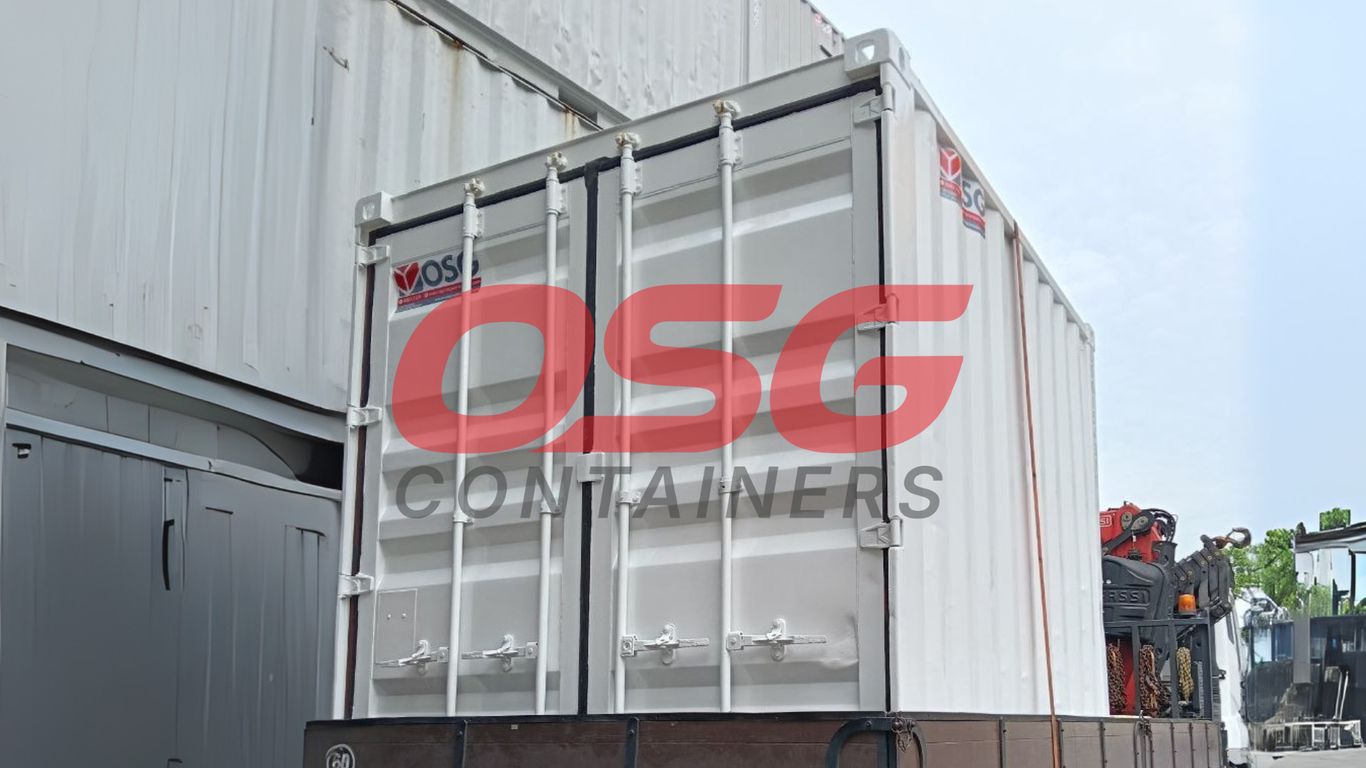
So, you’re looking to ship some stuff, maybe for your business or just a big move, and you’re wondering about the good old 20-foot container. It’s a pretty common sight, right? These metal boxes are the workhorses of global trade, but figuring out if one is right for you, what fits inside, and how to pack it can feel like a puzzle. We’re going to break down what you need to know about the container 20 feet, from its size and limits to the different kinds you can get and how to plan your shipment so it all goes smoothly.
Key Takeaways
- A standard 20-foot container has specific external and internal measurements, and it’s important to know these to plan your cargo space effectively. Always check the exact specs for the container you’re using.
- These containers are great for smaller shipments, heavy industrial items, or bulky packaged goods, but you need to be mindful of the weight limits to avoid problems.
- There are different types of 20-foot containers, including standard, high cube, open-top, flat rack, and reefer (temperature-controlled) versions, each suited for different kinds of cargo.
- Planning your shipment involves assessing your cargo’s volume and weight, figuring out how to pack and secure everything to use the space well, and choosing the right type and condition of container.
- The container 20 feet is a versatile and cost-effective option for global trade, easily moving between ships, trucks, and trains, making it a go-to for many industries.
Understanding the 20-Foot Container
Key Dimensions and Specifications
The 20-foot container, often called a TEU (Twenty-foot Equivalent Unit), is a workhorse in global trade. It’s the smaller of the two most common shipping container sizes, making it a popular choice for many types of shipments. When we talk about a 20-foot container, we’re generally referring to its external measurements, which are roughly 20 feet long, 8 feet wide, and 8.5 feet high. However, what really matters for packing your goods are the internal dimensions.
Here’s a quick look at the typical specs:
| Feature | Measurement (Approximate) |
|---|---|
| External Length | 20 ft (6.06 m) |
| External Width | 8 ft (2.44 m) |
| External Height | 8.5 ft (2.59 m) |
| Internal Length | 19.3 ft (5.9 m) |
| Internal Width | 7.7 ft (2.35 m) |
| Internal Height | 7.8 ft (2.39 m) |
| Internal Volume | 33.2 CBM |
| Max Payload | 21,600 kg |
| Max Gross Weight | 24,000 kg |
Keep in mind that these numbers can vary slightly between manufacturers, so always double-check with your shipping provider.
Internal vs. External Measurements
It’s easy to get confused between the outside and inside measurements of a container. The external dimensions are what you see – the full size of the metal box. These are important for handling, stacking, and fitting the container onto ships, trains, or trucks. But when you’re planning how much stuff you can actually fit inside, you need to focus on the internal dimensions. The walls, floor, and ceiling of the container take up some space. So, while the outside might measure 20 feet long, the usable space inside is a bit less. This difference is why understanding the internal volume, usually measured in cubic meters (CBM), is so important for cargo planning.
The difference between external and internal measurements might seem small, but it adds up. Always plan your cargo based on the interior space to avoid nasty surprises at the loading dock.
Weight Capacity and Limitations
Beyond just fitting your goods by size, you also have to consider weight. Every container has a maximum payload, which is the weight of the cargo it can safely carry, and a maximum gross weight, which is the total weight of the container plus its cargo. For a standard 20-foot container, the maximum payload is typically around 21,600 kg (about 47,600 lbs). The maximum gross weight is usually around 24,000 kg (about 52,900 lbs). Exceeding these limits can lead to fines, delays, or even safety hazards. It’s vital to know the weight of your individual items and your total shipment to stay within these boundaries. This is especially true when shipping dense materials like metals or machinery.
Cargo Suitability for a 20-Foot Container
So, what kind of stuff actually fits well in a 20-foot container? It’s not just about stuffing things in; you’ve got to think about what’s practical and safe. These containers are workhorses for a reason, handling a surprising range of goods.
Ideal Goods for Standard 20-Foot Shipping
For everyday shipments, the standard 20-foot container is a solid choice. Think about items that are reasonably sized and don’t need special temperature control. This includes things like:
- Packaged consumer goods: Think electronics, clothing, toys, and household items that come in boxes.
- Small to medium-sized machinery: Parts or smaller pieces of equipment that can be secured.
- Agricultural products: Grains, coffee beans, or cocoa that are bagged up.
- Textiles and fabrics: Rolls of material that can be loaded efficiently.
These items generally fit within the internal dimensions and don’t push the weight limits too hard, making them straightforward to load and unload.
Handling Heavy Industrial Materials
Don’t let the "standard" label fool you; 20-footers are also great for heavier loads. When you’re dealing with industrial materials, weight distribution becomes super important. A 20-foot container often handles heavy items better than a larger one because the weight is more concentrated and easier to manage. You’ll often see these used for:
- Steel coils and pipes: These are dense and heavy, but their shape often fits well.
- Granite and stone slabs: Used in construction, these are definitely on the heavy side.
- Machinery components: Large parts of industrial equipment that are too heavy for lighter-duty transport.
It’s critical to know the exact weight of these materials and the container’s maximum payload to avoid any issues. Overloading is a big no-no and can cause serious problems.
Transporting Bulky and Packaged Products
Beyond just heavy items, 20-foot containers can accommodate bulky goods, especially when they’re packaged smartly. This often means products that might not fit neatly into a 40-foot container or when you don’t need that much space.
- Large packaged goods: Think big bags of fertilizer, sugar, or rice.
- Construction materials: Items like tiles or smaller pre-fabricated units.
- Specialized equipment: Things like certain types of industrial tools or components that are bulky but not necessarily extremely heavy.
When planning for bulky items, it’s not just about fitting them in. You need to consider how they’ll be loaded and secured. Proper bracing and dunnage are key to preventing movement during transit, which could damage the cargo or the container itself. Think about how each piece will interact with its neighbors and the container walls.
Remember, while a 20-foot container has a good capacity, it’s not infinite. Always double-check your cargo’s dimensions and weight against the container’s specifications before you start loading. It saves a lot of headaches later on.
Exploring Different 20-Foot Container Types
Not all container 20 ft boxes are created equal, and picking the right one can make a big difference in your shipping plan. While the standard dry van is super common, there are other specialized types designed for specific jobs. Let’s break down some of the main players you’ll run into.
Standard and High Cube Variations
The most basic type is the standard 20-foot dry storage container. Think of it as your everyday workhorse for shipping all sorts of non-perishable goods. It’s built tough, fully enclosed, and keeps your cargo safe from the elements. Then there’s the High Cube version. It’s basically the same length and width as the standard, but it’s a foot taller inside. This extra height is a lifesaver when you’re dealing with bulky items that might not fit in a regular container.
Here’s a quick look at how they stack up:
| Type | Internal Length (approx) | Internal Width (approx) | Internal Height (approx) | Volume (approx) |
|---|---|---|---|---|
| Standard 20ft | 5.89 m | 2.35 m | 2.36 m | 33 m³ |
| High Cube 20ft | 5.89 m | 2.35 m | 2.69 m | 37 m³ |
Specialized Containers: Open Top and Flat Rack
Sometimes, your cargo just won’t fit through a standard door, no matter how you try to pack it. That’s where open-top and flat-rack containers come in. An open-top container has a removable roof, usually made of tarpaulin. This makes loading cargo from the top super easy, especially for tall items. Flat-rack containers are even more flexible. They’re essentially a flat platform with collapsible or fixed end walls. You can load cargo from the sides or top, and they’re great for really oversized or heavy machinery that needs to be secured directly to the base.
These specialized containers are designed for cargo that doesn’t fit neatly into the boxy confines of a standard container. Think large machinery, construction equipment, or even boats that need to be shipped on deck.
Temperature-Controlled Reefer Containers
For anything that needs to stay cold or at a specific temperature, like fresh produce, pharmaceuticals, or certain chemicals, you’ll want a reefer container. These are essentially refrigerated units built into a container. They have their own power source to maintain the set temperature, making them vital for transporting sensitive goods across long distances. Because of the refrigeration unit and insulation, they tend to have a bit less internal space compared to a standard container 20 ft, but the temperature control is usually worth the trade-off.
Planning Your 20-Foot Container Shipment
So, you’ve decided a 20-foot container is the way to go for your export or import needs. That’s a solid choice for a lot of shipments, but getting it right takes a bit of thought. It’s not just about shoving stuff in and hoping for the best. You’ve got to be smart about how you pack and what you’re sending.
Assessing Cargo Volume and Weight
First things first, you need to know exactly what you’re shipping and how much of it there is. A standard 20-foot container has a decent amount of space, usually around 33 cubic meters, but it’s not infinite. You also have to keep an eye on the weight. The maximum cargo weight is typically about 21,700 kg, and the container itself weighs a couple of tons. Overloading is a big no-no; it can cause delays, extra fees, and even safety problems.
Here’s a quick look at what a 20-foot container can generally hold:
- Pallets: Around 10 standard pallets or 11 Euro pallets.
- Volume: Roughly 33 cubic meters (1,172 cubic feet).
- Weight Capacity: About 21,700 kg for cargo, with a total gross weight limit.
It’s really important to measure and weigh your goods accurately. Don’t guess. If you’re shipping furniture, machinery, or even just a lot of boxes, get a good estimate of the total weight and volume before you even think about booking.
Maximizing Space and Securing Goods
Once you know what you’re working with, it’s time to pack it in efficiently. Think about Tetris, but for real cargo. You want to fill up as much of that space as possible without making it impossible to unload later. Stack items carefully, using the full height of the container where appropriate. Heavy items should go on the bottom, and lighter, more fragile things on top. Use dunnage, like bracing or padding, to fill any gaps and stop things from shifting around during transit. A shifting load is a recipe for disaster.
- Place heavier items at the bottom and towards the center.
- Distribute weight evenly to avoid tipping.
- Use packing materials to fill empty spaces and prevent movement.
- Secure everything tightly with straps or netting if needed.
Proper loading isn’t just about fitting more in; it’s about making sure your goods arrive in the same condition they left. It saves you headaches and money down the line.
Choosing the Right Container Condition
Containers come in different conditions, and picking the right one matters. You can get brand new ones, or ones that have seen a bit of action. For most standard shipments, a ‘one-trip’ or ‘cargo-worthy’ container is usually fine. These have been used for one international journey or have been inspected and certified as fit for shipping.
Before you commit to a container, give it a good look-over. Check for any signs of damage, like dents, rust, or holes in the walls or floor. Make sure the doors seal properly. A damaged container can lead to lost or damaged cargo, and nobody wants that.
If you’re shipping something particularly sensitive, like electronics or high-value goods, you might want to consider a newer or ‘one-trip’ container to minimize any risks associated with wear and tear. Always ask your shipping provider about the condition of the container they are offering.
The 20-Foot Container in Global Trade
Intermodal Transport Capabilities
The 20-foot container is a real workhorse in global trade, largely thanks to its amazing ability to move between different types of transport without needing to unload and reload the cargo. This is what we call intermodal transport. Think about it: your goods can go from a truck to a train, and then onto a massive ship, all while staying snug inside the same 20 foot container. This makes moving stuff around the world way faster and less of a hassle.
- Trucks: Easily loaded and driven to ports or rail yards.
- Trains: Can carry many 20-foot containers stacked high, covering long distances efficiently.
- Ships: The backbone of international trade, designed to hold thousands of these containers.
This flexibility means less handling, which usually means fewer chances for damage and a quicker trip from the factory to the customer.
Cost-Effectiveness for Smaller Shipments
When you don’t have enough cargo to fill up a bigger container, like a 40-footer, the 20-foot container really shines. It’s often more budget-friendly to ship a full 20-foot container than to pay for a half-empty larger one. This makes international shipping accessible for smaller businesses or for those sending less bulky items. It’s all about finding the right fit for your load to save money.
| Container Type | Typical Volume (CBM) | Max Payload (kg) |
|---|---|---|
| 20-Foot | ~33 | ~21,600 |
| 40-Foot | ~67 | ~26,000 |
As you can see, while a 40-foot container holds more, a full 20-foot container can be a smarter financial choice for smaller quantities.
Versatility Across Various Industries
The 20-foot container isn’t just for one type of product. Its sturdy design and standard size mean it’s used everywhere. From electronics and clothing to machinery parts and even food items (especially in reefer versions), these containers handle a wide variety of goods. Their consistent dimensions also simplify logistics planning for ports, warehouses, and shipping lines.
The adaptability of the 20 foot container means it’s a go-to choice for many different kinds of businesses, from small startups to large manufacturers, looking to move their products globally.
Wrapping It Up
So, we’ve gone over the ins and outs of using 20-foot containers for your shipping needs, whether you’re sending stuff out or getting it in. It’s not just about picking a box; it’s about knowing what fits, how much it weighs, and how to pack it right so it gets there in one piece. Remember, a little planning goes a long way in saving you headaches and cash down the road. Keep these tips in mind, and your next shipment should be a whole lot smoother.
Frequently Asked Questions
What are the basic sizes of a 20-foot container?
A standard 20-foot container is about 20 feet long, 8 feet wide, and 8.5 feet tall. Think of it like a small room on wheels! It’s a very common size for shipping many different kinds of stuff.
How much stuff can I actually fit inside a 20-foot container?
You can fit about 33 cubic meters of stuff inside. That’s roughly enough space for the belongings of a small apartment or maybe a car. It’s important to pack things tightly and securely to make the most of the space.
What kind of items are best shipped in a 20-foot container?
These containers are great for smaller shipments, heavy industrial items like machinery or steel, or large packaged goods like fertilizer. If you have a lot of heavy things but not a huge amount of space, a 20-foot container is often a good choice.
Are there different kinds of 20-foot containers?
Yes, there are! Besides the standard one, you can find ‘High Cube’ containers, which are a bit taller for more space. There are also special ones like ‘Open Top’ containers (with no roof) for things loaded from above, and ‘Reefer’ containers that keep things cold, like for food.
How much weight can a 20-foot container hold?
A 20-foot container can usually carry around 21,700 kilograms (about 47,840 pounds) of cargo. It’s super important not to pack more than this limit, because overloaded containers can cause big problems and delays.
Why are 20-foot containers so popular for shipping?
They are popular because they’re a good middle ground – not too big, not too small. They are easy to move around and handle, and they are often more affordable for smaller or medium-sized shipments compared to using a larger container that isn’t full.