Singapore
 Australia
 Indonesia
 Japan
Japan Malaysia
 New Zealand
 Philippines
 South Korea
 Taiwan
 Thailand
 VIETNAM
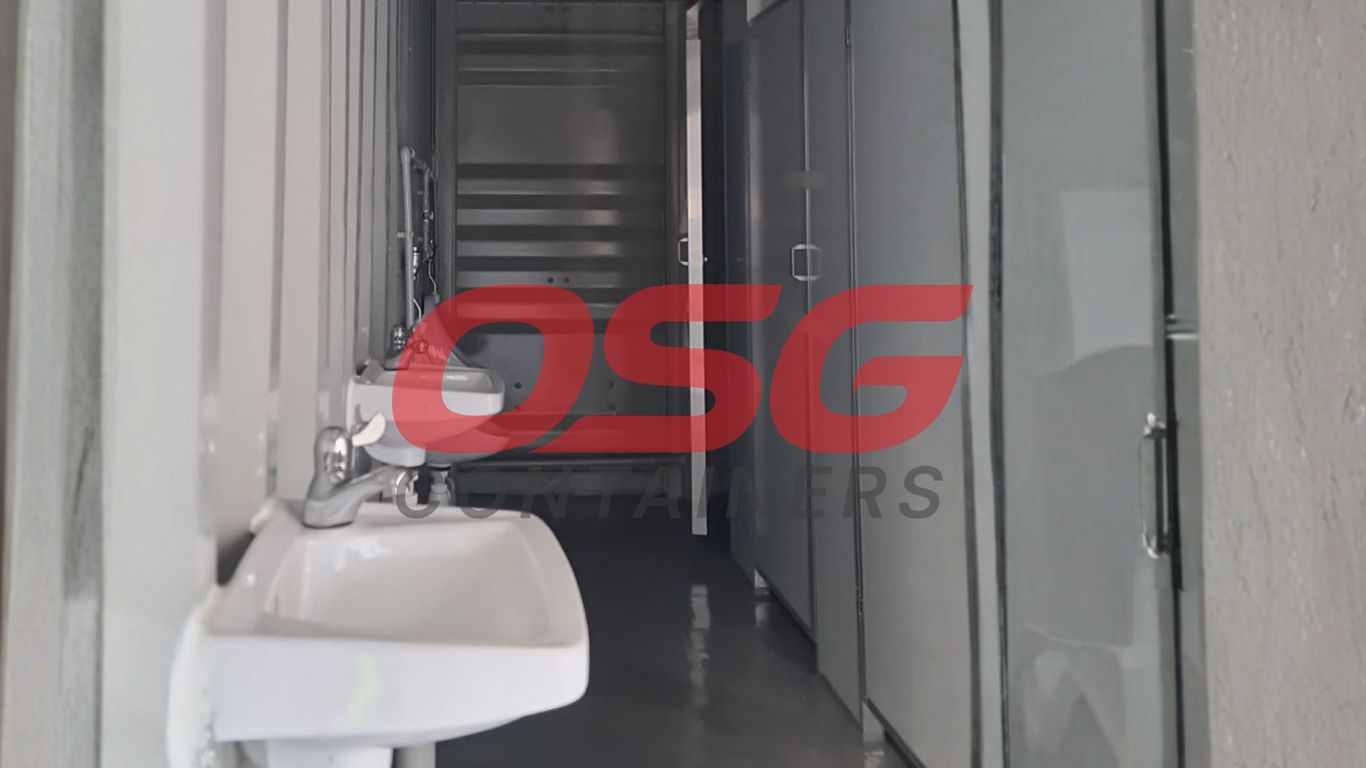
Working on a construction site or managing an industrial area means you need reliable facilities for your crew. When you’re out in the field, having access to clean and functional restrooms is super important. That’s where toilet container solutions come in. These aren’t just basic port-a-potties; they’re designed to be sturdy, easy to set up, and provide a decent level of comfort and hygiene, even in tough conditions. Let’s look at what makes these units so useful for projects of all sizes.
Key Takeaways
- Toilet container units offer a practical and durable sanitation solution for construction and industrial sites, providing essential facilities where permanent structures aren’t feasible.
- These units come in various configurations, from standard models to those with integrated showers and high-capacity options, to meet different project needs and user numbers.
- Key features often include robust construction, insulation for weather resistance, and options for internal amenities, power, and water supply, making the toilet container adaptable.
- Choosing the right toilet container involves assessing site requirements, capacity needs, and environmental conditions, with customization options available for specific demands.
- Proper installation, including ground preparation and anchoring, along with regular maintenance and cleaning, is vital for the effective and hygienic operation of any toilet container.
Understanding Toilet Container Solutions
When you’re managing a construction project or an industrial site, having proper sanitation facilities isn’t just a convenience, it’s a necessity. That’s where toilet container solutions come in. These aren’t your average porta-potties; they’re robust, self-contained units designed to provide reliable and hygienic restroom facilities even in the most demanding environments. Think of them as mobile restrooms that can be placed exactly where you need them, offering a practical alternative to permanent structures, especially for temporary needs.
Benefits of Toilet Containers for Projects
Using a container toilet offers a lot of advantages for any project, big or small. They’re quick to deploy, meaning you don’t have to wait around for lengthy construction. Plus, they’re built tough, so they can handle the rough and tumble of a busy worksite. This makes them a go-to for many businesses needing temporary toilet rental options.
- Rapid Deployment: Get sanitation facilities on-site fast, without delays.
- Flexibility: Easily relocate units as your project progresses or needs change.
- Cost-Effectiveness: Often more affordable than building permanent restrooms.
- Durability: Constructed to withstand harsh weather and heavy use.
Hygiene and Sanitation Standards
Keeping things clean is a big deal, especially on job sites. Container toilets are designed with hygiene in mind. Many come with features like hand sanitizers, sinks, and even flushing toilets, making them a much more pleasant experience than basic portable toilets. Regular servicing is key to maintaining these standards, ensuring a healthy environment for everyone.
Maintaining high hygiene standards on-site is not just about comfort; it’s about worker health and productivity. Clean facilities reduce the risk of illness and show that you care about your team.
Durability and Weather Resistance
These units are built to last. Made from sturdy materials, they can stand up to rain, wind, and sun without a problem. This means you get a reliable restroom solution that won’t let you down, no matter the weather. Whether you need a simple setup or something more elaborate like a mobile toilet with integrated showers, these containers are a solid choice for site offices and beyond.
Types of Toilet Container Units
When you’re setting up a job site, whether it’s a sprawling construction project or a busy industrial zone, having proper restroom facilities is a big deal. It’s not just about comfort; it’s about keeping things running smoothly and maintaining good hygiene. Luckily, there’s a whole range of toilet container units out there to fit pretty much any need you can think of.
Standard and Deluxe Configurations
Most places will offer what you might call a ‘standard’ unit. Think of it as your basic, no-frills portable toilet, but in a more robust container form. These usually come with a toilet, maybe a urinal, and a place to sanitize your hands. They’re functional and get the job done. Then you step up to the ‘deluxe’ models. These often include flushing toilets, sinks with running water (sometimes even hot water!), better lighting, and generally a bit more space. They feel a lot more like a permanent restroom, which can make a big difference for workers on long projects. Some even have features like foot-pump sinks for better hygiene.
Units with Integrated Shower Facilities
For sites where workers are getting particularly dirty or need to freshen up after a shift, units that combine toilets with showers are a lifesaver. These are usually a bit larger than a standard toilet-only container. You’ll find separate cubicles for the toilets and showers, often with a small changing area too. They’re a great way to provide a complete personal care solution right on site, cutting down on travel time for workers to get clean. Some of these can be quite well-equipped, with hot water tanks and good ventilation.
High-Capacity and Multi-Stall Options
On really big projects or for events with lots of people, a single unit just won’t cut it. That’s where high-capacity and multi-stall units come in. These are essentially larger containers that have been fitted out with multiple toilet stalls, urinals, and sinks. You can find configurations with anywhere from two or three stalls all the way up to units that can serve hundreds of people. They’re designed to handle a lot of traffic without creating long lines.
When choosing a unit, think about the peak usage times. You don’t want a bottleneck forming because everyone needs to use the restroom at the same break.
It’s worth looking into what kind of plumbing and water supply these units need. Some are completely self-contained, while others might need to be hooked up to a water source. For a quick and easy setup, the InstaLoo Squat is a popular choice for its simplicity.
Here’s a quick look at some common setups:
- Single Stall: Basic, good for smaller sites or as supplementary units.
- Dual Stall (Toilet/Shower Combo): Offers more than just basic sanitation.
- Multi-Stall Units: Designed for high-traffic areas and larger workforces.
- Comfort Stations: Often include heating, hot water, and more amenities for year-round use.
Remember, the right choice depends on your specific site needs, the number of people using the facilities, and the duration of your project. A well-equipped site office container often needs equally well-equipped restroom facilities to match.
Features and Specifications of Toilet Containers
When you’re looking at toilet containers, it’s not just about having a place to go. You’ve got to think about what they’re actually made of and what’s inside. This stuff matters for comfort, durability, and how well they work on a busy site.
Material Construction and Insulation
Most of these units start life as standard shipping containers, often 20-footers, which are pretty tough. They’re usually made from galvanized steel, built to handle rough conditions. What’s really important is the insulation. Good insulation means they stay warmer in the cold and cooler when it’s hot out. This makes a big difference for anyone using them, especially during long shifts. Some companies use insulated sandwich panels for the walls and roofs, which is a big step up from just a bare metal box. The floors are often covered with a durable material like cement board and then a PVC layer, making them easy to clean and resistant to moisture.
- Galvanized steel frame: Provides a strong, weather-resistant base.
- Insulated sandwich panels: Offer thermal and acoustic benefits.
- Durable flooring: Typically cement board with a PVC top layer for easy maintenance.
- PVC windows: Often used for their durability and ease of cleaning.
The construction materials directly impact the unit’s longevity and the user’s comfort. Opting for units with robust insulation and easy-to-clean surfaces will pay off in the long run.
Internal Fixtures and Amenities
Inside, you’ll find a range of fixtures depending on the model. Basic units might just have a toilet and a sink. But you can also get ones with showers, urinals, and more sinks. Think about the details: mirrors, towel hooks, and toilet paper holders are small things that make a big difference. Some higher-end models even include things like small heaters for colder weather or better lighting. It’s all about making the space as functional and comfortable as possible for the people who need to use it.
Here’s a look at common internal features:
- Toilets (WCs): Standard flushing toilets.
- Urinals: Often included in multi-stall units for increased capacity.
- Sinks: For handwashing, usually with a faucet.
- Mirrors: A practical addition for users.
- Towel hooks & Toilet roll holders: Basic but necessary amenities.
Power and Water Requirements
These units aren’t usually completely off-grid. They need power and water, though how much depends on the features. A simple unit might just need a connection for lighting. But if you have heaters, hot water tanks, or more complex ventilation, you’ll need a more substantial power supply. This is often listed as a ‘connected load’ in kilowatts (kW). For water, you’ll need a supply for flushing toilets and sinks, and potentially for showers. Some units have built-in water tanks, but for continuous use, a direct water hookup is usually best. Understanding these requirements upfront is key to avoiding setup headaches.
| Feature | Typical Power Requirement | Water Connection Needed | Notes |
|---|---|---|---|
| Basic Lighting | 18W – 30W LED | Yes (for flushing) | Standard electrical outlet |
| Fan Heater (2kW) | 2 kW | No | Requires dedicated power circuit |
| Hot Water Tank (30L) | 2 kW | Yes | Needs water supply and power |
| Hot Water Tank (300L) | 6 kW | Yes | Higher power demand, larger water supply |
When planning for these units, remember to factor in the site’s existing infrastructure or the need for temporary power and water solutions. This ensures everything runs smoothly from day one.
Selecting the Right Toilet Container
Picking the right toilet container for your job site isn’t just about grabbing the first thing you see. It’s about making sure your crew has what they need to stay comfortable and productive, while also keeping things clean and up to code. Think about it – a small crew on a short project has different needs than a large team working for months in a remote area. Getting this right from the start saves headaches down the road.
Assessing Site Needs and Capacity
First off, how many people are actually going to be using these facilities? This is the biggest factor. You don’t want a situation where there are long lines, or worse, not enough units. A good rule of thumb is to have at least one toilet for every 10-15 workers on a standard 8-hour shift. If you have multiple shifts or longer hours, you might need to adjust that number. Also, consider if you need just basic toilets, or if showers are also a must-have. Some units come with both, which can be a real lifesaver on dusty or physically demanding sites.
Here’s a quick guide to help you figure out capacity:
- Small Crew (1-20 people): A few standard units might be enough. If showers are needed, a single unit with a couple of shower stalls could work.
- Medium Crew (21-50 people): You’ll likely need multiple standard units or a larger, multi-stall configuration. Consider units with integrated sinks.
- Large Crew (50+ people): Think about high-capacity options, possibly multiple containers, or trailer-mounted solutions that offer more facilities.
Considering Environmental Factors
Where is this project located? Is it going to be blazing hot, freezing cold, or somewhere in between? The weather plays a big role. Standard containers might get too hot or too cold for comfort. If you’re in a really harsh climate, you’ll want to look at insulated units, maybe even ones with heating and air conditioning. Also, think about the ground. Is it going to be muddy? Is there good drainage? You don’t want your toilet containers sinking or becoming inaccessible after a bit of rain.
The location and expected weather conditions are not just minor details; they directly impact the usability and comfort of the facilities. Ignoring these can lead to worker complaints and reduced efficiency.
Customization and Special Requirements
Sometimes, standard options just don’t cut it. Maybe you have workers with disabilities who need accessible units. Or perhaps your site is in a high-rise building, and you need units that can be lifted to different floors. Don’t be afraid to ask about customization. Many suppliers can add extra amenities like hot water, better lighting, or even specific waste management solutions. It’s all about tailoring the solution to your unique project needs. Always ask what’s possible before you settle.
Installation and Maintenance of Toilet Containers
Getting your toilet container set up and keeping it running smoothly is pretty straightforward, but there are a few things to keep in mind. It’s not just about dropping it off and forgetting about it. Proper setup and regular care make a big difference in how long it lasts and how well it works for everyone on site.
Ground Preparation for Assembly
Before the container even arrives, you need to think about where it’s going. The ground needs to be level and firm. If it’s not, the container could shift, which isn’t good for its structure or for the plumbing connections. You might need to do some basic grading or even put down a gravel base, depending on the soil and how long the unit will be there. A stable foundation is key to preventing issues down the line.
Anchoring and Site Security
Once it’s in place, these units need to be secured. Wind can be a real problem, especially with larger units or if they’re placed in an exposed area. Most containers come with anchor points, and you’ll want to use them. This usually involves stakes or weights to keep the unit from moving. It’s also about site security – making sure the unit is stable and can’t be easily tampered with.
Regular Servicing and Cleaning
This is where the rubber meets the road, so to speak. Regular servicing is a must. How often depends on how much the unit is used, but typically, you’ll need weekly or bi-weekly visits. This involves emptying waste tanks, refilling water and chemical tanks, and a good cleaning. Think of it like keeping your own bathroom tidy, but on a larger scale.
Here’s a quick rundown of what servicing usually includes:
- Waste Tank Pumping: Removing accumulated waste.
- Tank Refills: Adding fresh water and necessary sanitizing chemicals.
- Interior Cleaning: Wiping down surfaces, cleaning toilets and sinks.
- Restocking Supplies: Ensuring toilet paper and soap are available.
- Inspection: Checking for any damage or needed repairs.
Keeping up with maintenance isn’t just about appearances; it’s about public health and making sure the facilities are usable and pleasant for everyone. Ignoring it can lead to unpleasant odors, potential health hazards, and even damage to the unit itself. It’s a small price to pay for a functional and hygienic setup.
For sites that need more than just basic facilities, consider looking into portable shower containers as a way to provide additional amenities. These units, like the toilet containers, require proper placement and regular upkeep to function at their best.
Advanced Toilet Container Options
When standard portable toilet rent options just won’t cut it, there are some pretty neat advanced solutions available. These go beyond the basic porta-potty, offering more comfort, capacity, and specialized features for demanding sites.
Elevator and High-Rise Accessible Units
Working on a skyscraper or a multi-story building project? Getting standard units up to higher floors can be a real headache. That’s where elevator-accessible units come in. These are specifically designed to fit inside construction elevators, often with a lower profile to clear those tight ceiling spaces. They usually sit on casters, making them easy to roll around once they’re on the right floor. It’s a smart way to keep sanitation facilities available even when you’re way up high.
Comfort Stations with Heating and Hot Water
Forget about freezing your fingers off in the winter or dealing with lukewarm water in a chilly environment. Comfort stations are a step up, offering a more hotel-like experience. These units often come with:
- Built-in heaters (sometimes multiple for good coverage)
- Hot water supply for sinks
- Flushing toilets and urinals
- Mirrors and coat hooks
These are great for longer-term projects or sites where you want to provide a bit more comfort for your crew, especially during colder months. They really make a difference in morale.
Trailer-Mounted Restroom Solutions
For really large sites or special events, you might need something with more capacity than a single container. Trailer-mounted restroom solutions are like portable bathrooms on wheels. They can house multiple stalls, sinks, and sometimes even showers, all within a trailer that can be towed into place. Some of these are quite fancy, with nice finishes, lighting, and air conditioning, making them suitable for VIP areas or situations where a higher standard of amenity is needed. They offer a flexible way to scale up your sanitation facilities quickly. If you’re looking for a robust portable toilet rent solution for a big job, these are worth considering.
Sometimes, the difference between a smooth-running project and one plagued by minor inconveniences comes down to the details. Providing advanced restroom facilities isn’t just about meeting basic needs; it’s about showing you value your workers’ comfort and well-being, which can positively impact productivity and site morale.
Wrapping It Up
So, when you’re planning your next big project, whether it’s a construction site or some industrial work, don’t forget about the restrooms. Getting the right portable toilet or shower container setup makes a huge difference for everyone working there. It’s not just about meeting basic needs; it’s about keeping things running smoothly and people comfortable. There are tons of options out there, from simple units to full-on mobile bathrooms, so you can find something that fits your site and your budget. Making sure your crew has clean, reliable facilities is a smart move that pays off in the long run.
Frequently Asked Questions
Why are toilet containers a good choice for construction sites?
Toilet containers are super handy for building sites because they’re tough and can handle rough weather. They give workers a clean and private place to go, which is important for keeping everyone healthy and happy on the job. Plus, they’re built to last a long time.
What makes these toilet containers hygienic?
These units are designed with hygiene in mind. They often come with features like built-in sinks, hand sanitizer dispensers, and are made from materials that are easy to clean. Regular cleaning and maintenance are also key to keeping them sanitary.
Can I get toilet containers with showers?
Yes, absolutely! Many companies offer container units that include shower facilities. These are great for longer projects or sites where workers need to freshen up after a tough day. Some even have hot water for extra comfort.
How do I know what size or type of toilet container I need?
You’ll want to think about how many people will be using the facilities and for how long. Consider the site’s location and any special needs, like accessibility for everyone. Companies can help you figure out the best fit based on your project’s size and demands.
What kind of setup is needed before a toilet container can be used?
Usually, you need a flat, stable spot for the container. Sometimes, a simple concrete pad is recommended. Making sure the ground is solid helps keep the unit secure and prevents any problems down the road. It’s also important to think about how it will be connected to water and waste if needed.
Are there options for very cold or very hot weather?
Yes, there are! Some toilet containers are insulated to help keep them warmer in cold weather. Others might come with heaters, and some advanced models even offer heating and hot water, making them comfortable to use all year round, no matter the temperature outside.